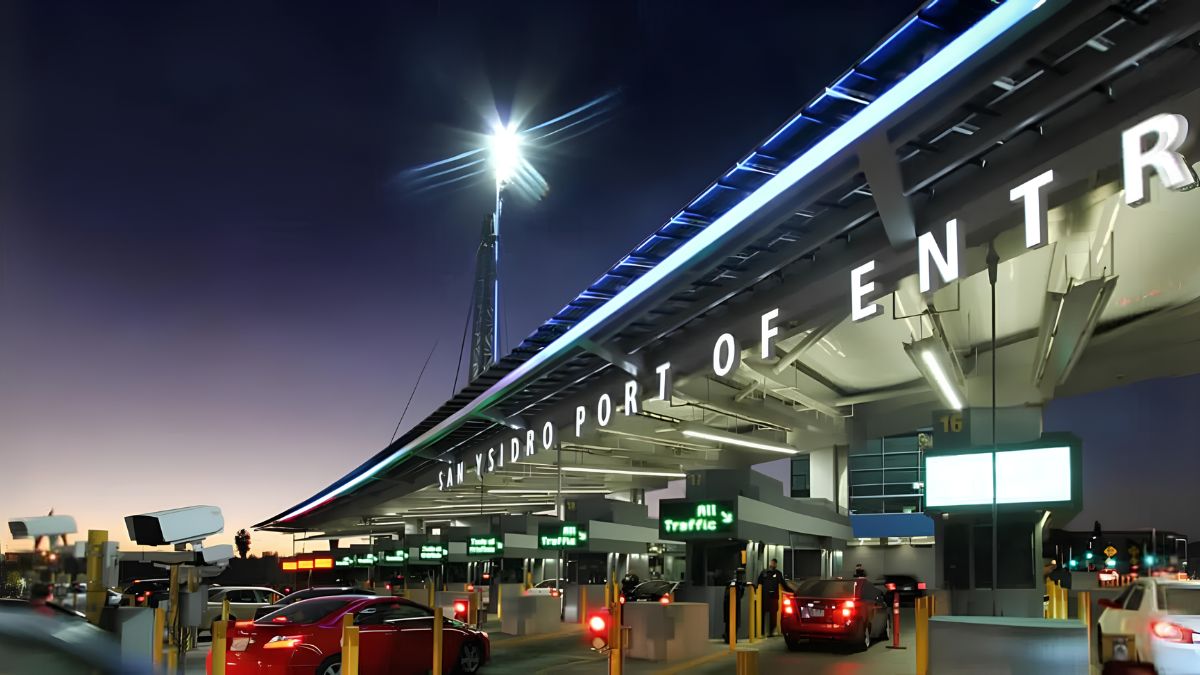
Traveling through the San Ysidro border crossing between San Diego, California, and Tijuana, Mexico, can require additional planning when children or older adults are part of the group. Families may need to account for stroller use, restroom access, food, and breaks, while older travelers may benefit from shorter walking distances, accessible facilities, and transportation with minimal transfers.
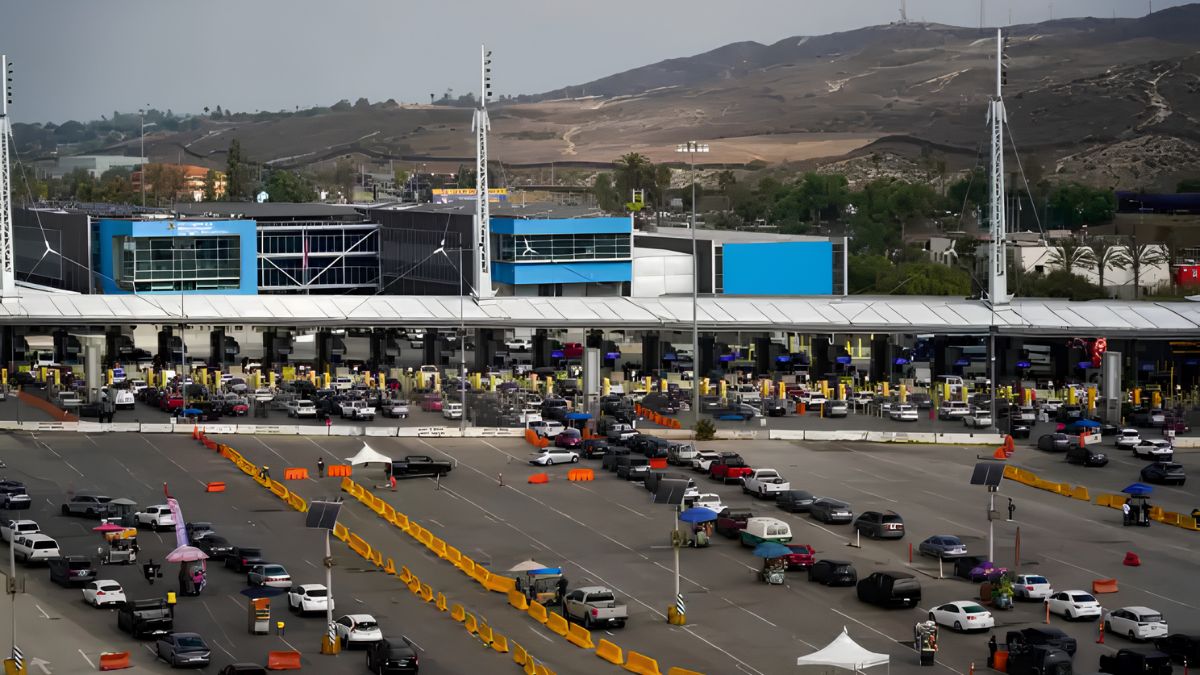
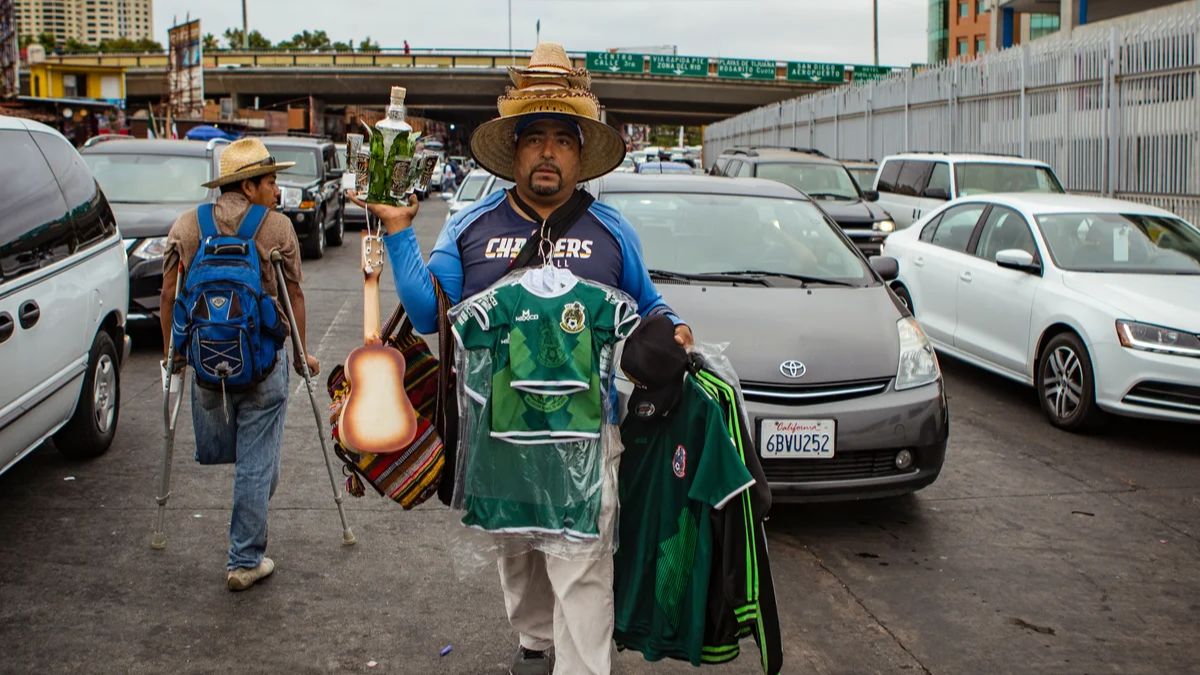
San Ysidro is one of the busiest land border crossings between the United States and Mexico. Depending on the direction of travel, transportation method, and inspection conditions, travelers may encounter queues, walking segments, traffic delays, and changes in their plans. These factors can be more demanding for young children, people with limited mobility, and anyone who needs regular rest periods.
A well-planned trip begins with checking official border information, confirming available transportation services, and understanding the walking involved. Travelers should also prepare for delays rather than assuming that the crossing will take a fixed amount of time. With the right arrangements, families and older adults can make more informed decisions about when to travel, where to take breaks, and how to reach their final destination.
Planning
Before leaving home, consider the needs of everyone traveling in the group. A route that works well for an adult traveling alone may be less practical for a family with a stroller or an older person who finds prolonged standing difficult.
Start by identifying the destination, the planned crossing direction, and the transportation method. Decide whether the group will drive, park on the U.S. side and walk across, or use public transportation. Each option involves different walking distances, waiting conditions, and opportunities to sit down.
For families with young children, consider carrying snacks, drinking water, spare clothing, necessary medication, and entertainment suitable for the expected journey. A compact stroller may be useful for younger children, but travelers should consider whether it will be manageable in crowded pedestrian areas.
Older adults may benefit from a lightweight bag, supportive footwear, and a walking aid if needed. Anyone who requires medication at regular intervals should keep it accessible rather than packing it in luggage that may be difficult to reach.
It is also helpful to discuss the itinerary with everyone in the group before departure. Knowing where the group will meet, which transportation service it will use, and what to do if members become separated can reduce confusion in busy public areas.
Documents
Travel documents should be checked for every member of the group, including infants and children. Requirements depend on citizenship, immigration status, destination, and individual circumstances.
U.S. citizens traveling to Mexico and returning to the United States should verify which travel documents are accepted for their circumstances. A valid passport book is generally a versatile option for international travel. Certain travelers crossing by land may be eligible to use other approved documents, subject to applicable requirements.
Children have their own documentation requirements. Parents should not assume that a child can cross using a parent’s passport or identification alone. Families traveling with minors should also review any relevant documentation considerations when a child is accompanied by only one parent or by another adult.
Older adults who are lawful permanent residents or foreign nationals should check the requirements associated with their immigration status and nationality. Anyone with questions about a pending immigration matter or other complex circumstances should obtain qualified legal advice before international travel.
For official information, consult the U.S. Department of State’s Mexico travel information.
Keep original documents secure but readily accessible for inspection. Digital copies can serve as a backup, but they do not replace original documents when authorities require them.
Waittimes
Border wait times can affect the comfort and practicality of a trip, particularly for travelers who cannot stand for extended periods. Waiting conditions may change according to traffic, inspection capacity, holidays, and the number of people crossing.
The U.S. Customs and Border Protection (CBP) agency provides official wait-time information for land ports of entry. Travelers can select San Ysidro and review the available estimates for the relevant crossing category.
Official resource: CBP Border Wait Times
Check the information before leaving and, when practical, review it again before reaching the border. Pay attention to whether the estimate applies to passenger vehicles or pedestrians. The two categories may have different waiting conditions.
Wait-time estimates are not guarantees. The actual duration can change after the information is published, and the posted estimate may not include travel to the crossing, parking, onward transportation, or all other parts of the journey.
For older adults and families with young children, consider whether a long wait would create difficulties involving meals, medication schedules, fatigue, or mobility. If the schedule is flexible, comparing current conditions at different times may help with planning.
Travelers who require frequent sitting breaks should also consider whether the chosen route provides realistic opportunities to stop. Do not assume that seating will be available throughout a border queue.
Walking
Walking distances can be an important consideration when crossing with children or older adults. The total distance depends on where the journey begins, the inspection facilities used, and how travelers reach their destination after crossing.
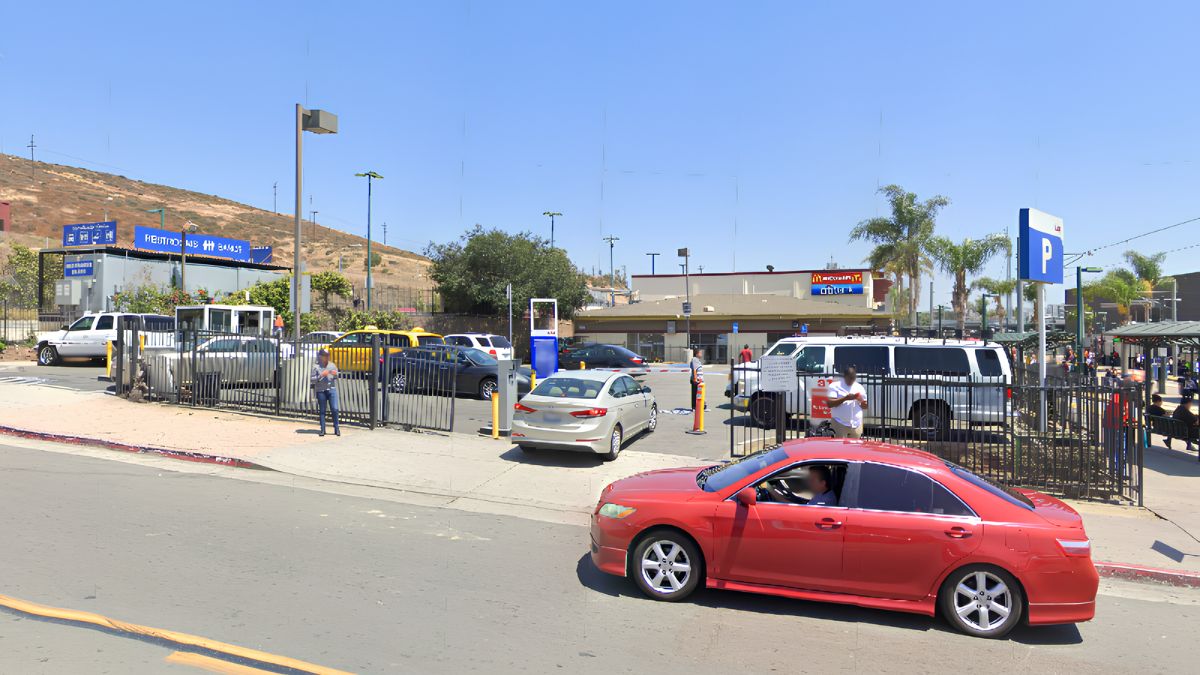
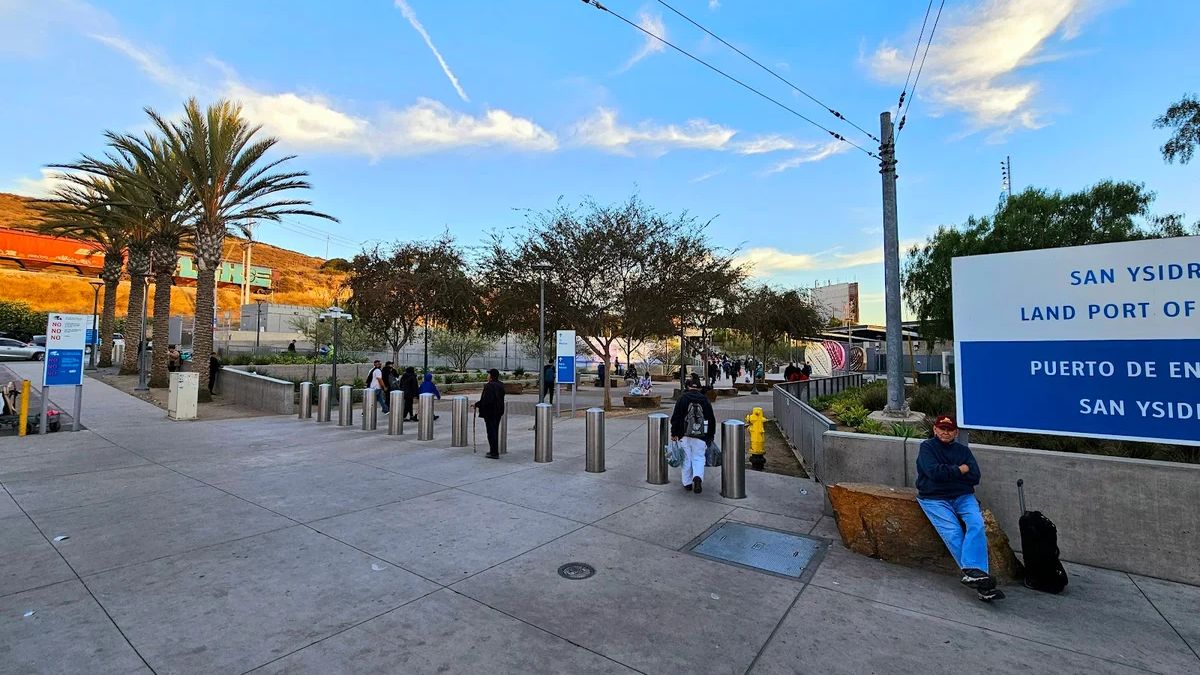
People driving through the passenger vehicle lanes generally remain in their vehicles during the inspection process, although traffic queues can cause delays. Those crossing on foot must account for the walk to the pedestrian entrance, the inspection process, and the route from the crossing to their onward transportation.
Families should consider the practicalities of moving through crowded pedestrian areas with a stroller, luggage, or young children. A stroller can help reduce fatigue, but it may be difficult to maneuver in tight spaces or during heavy pedestrian traffic. Travelers should follow posted instructions and avoid blocking pedestrian routes.
Older adults who use canes, walkers, or wheelchairs should assess the route before departure. The availability of a pedestrian crossing does not mean that every part of the journey will be equally accessible.
If walking is difficult, investigate transportation alternatives and ask the relevant service provider about accessible facilities. Where possible, choose an itinerary that minimizes unnecessary transfers and avoids carrying luggage over long distances.
Exact walking distances and the availability of seating can vary. Check current facility information rather than relying on assumptions based on a previous trip.
Reststops
Rest breaks are especially useful when traveling with young children, older adults, or people with medical conditions. However, the best place to stop depends on the route and whether the group is traveling by car, trolley, or on foot.
Travelers driving toward San Ysidro can plan a restroom and food stop before joining the border queue. This may be more practical than expecting to find convenient facilities during an extended wait.
Families should consider feeding children before reaching the busiest part of the journey and keeping small snacks available when appropriate. Travelers should also bring water, taking into account any restrictions or instructions applicable to the inspection area.
Older adults may wish to schedule breaks before fatigue develops. People who need regular medication should follow their prescribed schedules and keep necessary supplies accessible. Travelers with medical conditions should consult their healthcare professional if the planned journey could interfere with treatment or require special arrangements.
Do not assume that public restrooms, drinking fountains, or seating are available at every point along the crossing route. Confirm facility information where possible and plan for the possibility of delays.
If traveling with an infant, check whether a suitable place for changing or feeding is available at the facilities you expect to use. If such facilities cannot be confirmed, prepare for a practical alternative before departure.
Accessibility
Travelers with limited mobility should evaluate more than the distance between the U.S. and Mexican sides of the border. Accessibility also depends on the condition of walking surfaces, the location of entrances, waiting arrangements, curb access, and the transportation available after inspection.
People using wheelchairs or mobility scooters should confirm the accessibility of their intended route and onward transportation. They may need to verify whether a vehicle can accommodate the mobility device and whether assistance is available when boarding or transferring.
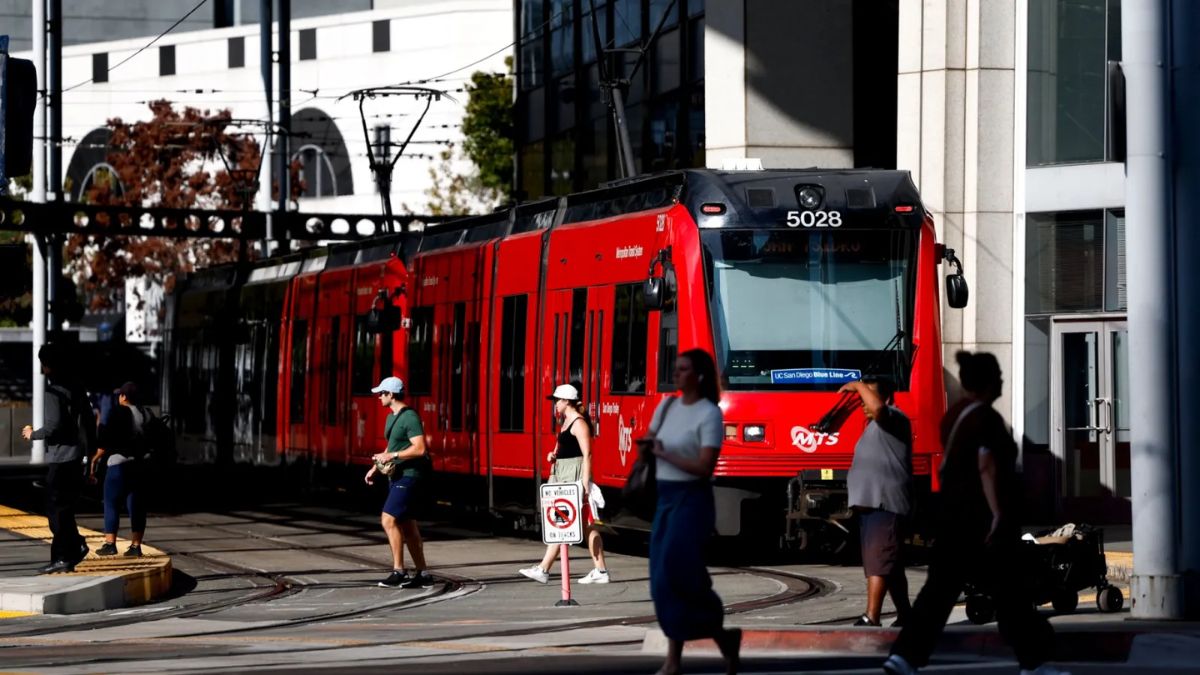
The San Diego Metropolitan Transit System operates the San Diego Trolley, including the Blue Line serving the San Ysidro Transit Center. The trolley can be useful for travelers reaching the border area from other parts of San Diego without driving.
Official resource: San Diego Metropolitan Transit System
Before traveling, check current service information, station accessibility details, elevator status where relevant, and the arrangements for reaching the pedestrian crossing from the transit center. Conditions can change, so confirm information close to the travel date.
Travelers who need specialized assistance should contact the relevant transportation provider in advance. This is particularly important when the group includes someone who cannot manage stairs, requires a wheelchair-accessible vehicle, or needs assistance boarding.
Accessibility should be considered across the entire itinerary, not just one station or facility. A route that is accessible on the U.S. side may still require additional planning for transportation and facilities after crossing into Mexico.
Transportation
Choosing the right transportation method can reduce walking and make the trip more manageable.
Driving may be practical for families carrying luggage, medical equipment, or supplies for young children. However, drivers should verify vehicle documentation, insurance coverage, and Mexican entry requirements before traveling south of the border.
Parking on the U.S. side and crossing on foot is another option. This can avoid driving a vehicle into Mexico, but it requires the group to manage the pedestrian route and arrange transportation at the destination. Consider the distance between the parking location and the crossing, especially when traveling with older adults or children.
Public transportation can be useful for reaching San Ysidro from other parts of San Diego. The trolley reduces the need to drive to the border, although the journey still involves reaching the pedestrian crossing and arranging onward transportation.
Taxis, buses, and other local transportation services may be available after crossing. Confirm pickup locations, fares, accessibility, and luggage arrangements before departure. Travelers requiring wheelchair-accessible vehicles should not assume that a standard taxi or rideshare service can accommodate their needs.
For older adults, a direct journey with fewer transfers may be preferable even if it costs more. Families should compare the convenience of different options against their budget, luggage requirements, and expected walking distance.
Safety
Busy border facilities require attention to personal safety, particularly when traveling with children or people who may move more slowly through crowded areas.
Agree on a meeting point in case the group becomes separated. Children should know which adult to approach for assistance and, when age-appropriate, have a contact number available. Parents should keep young children within sight and follow staff instructions throughout the inspection process.
Older adults who have difficulty hearing or processing announcements may benefit from having another traveler explain instructions and help identify the correct route. Anyone with a medical condition should carry relevant emergency contact information and necessary medication.
Keep passports, identification, cash, and other important items secure. Avoid placing all documents in one bag that could be separated from the group. If traveling with medical equipment, check whether it needs to be declared or requires additional documentation.
Travelers should also review current official travel guidance for their destination. Conditions and entry requirements can change, so information from an earlier visit may not reflect current procedures.
Checklist
Before traveling through San Ysidro with children or older adults, review the following checklist:
- Confirm travel documents for every member of the group.
- Check official border wait-time estimates for the intended crossing.
- Choose a route that accounts for walking ability and luggage.
- Identify suitable places to stop before reaching the border.
- Pack water, appropriate snacks, medication, and essential supplies.
- Confirm stroller, wheelchair, and mobility-device arrangements.
- Check public transportation schedules and accessibility information.
- Arrange onward transportation and verify pickup locations.
- Allow extra time for queues, inspections, and rest breaks.
- Agree on a meeting point and emergency contact arrangements.
These steps can help families identify potential difficulties before they begin the journey. They also make it easier to decide whether a particular transportation option is suitable for everyone in the group.
Traveling through San Ysidro with children or older adults requires attention to documents, walking distances, rest opportunities, and transportation connections. Checking official wait-time information, confirming accessibility, and planning breaks in advance can help travelers make practical decisions and reduce avoidable stress. Because border conditions and transportation services may change, the most reliable approach is to verify current information before departure and allow enough time for the needs of every traveler.
FAQs
Where can I check San Ysidro border wait times?
Check the official CBP Border Wait Times website before departure.
Do children need their own travel documents?
Children have documentation requirements that depend on nationality and travel circumstances.
Is public transportation available near San Ysidro?
Yes. The San Diego Trolley Blue Line serves the San Ysidro Transit Center.
Should older adults plan rest breaks?
Yes. Plan breaks according to mobility, health needs, and expected waiting conditions.
Can wheelchair users cross at San Ysidro?
Confirm current route accessibility and transportation arrangements before traveling.