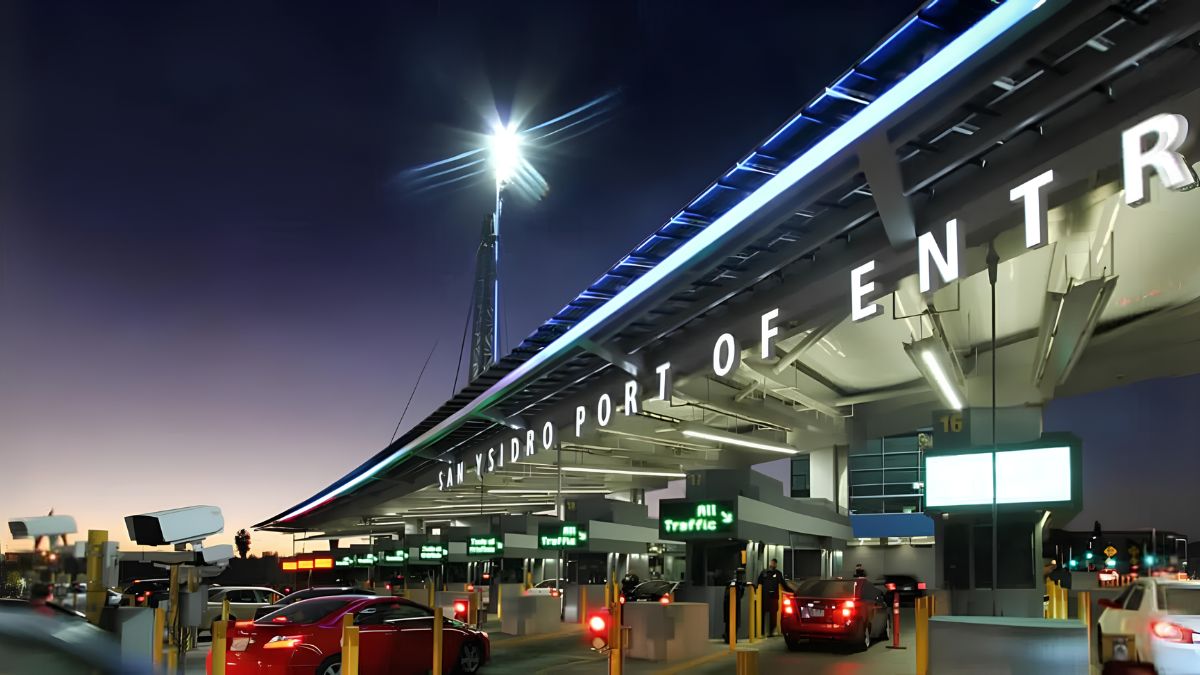
Traveling across the United States-Mexico border through San Ysidro requires some preparation, particularly for travelers unfamiliar with border procedures. Whether you are visiting family in Tijuana, traveling for business, planning a short holiday, or returning to the United States, knowing the documentation requirements and available travel resources can help you organize your journey.
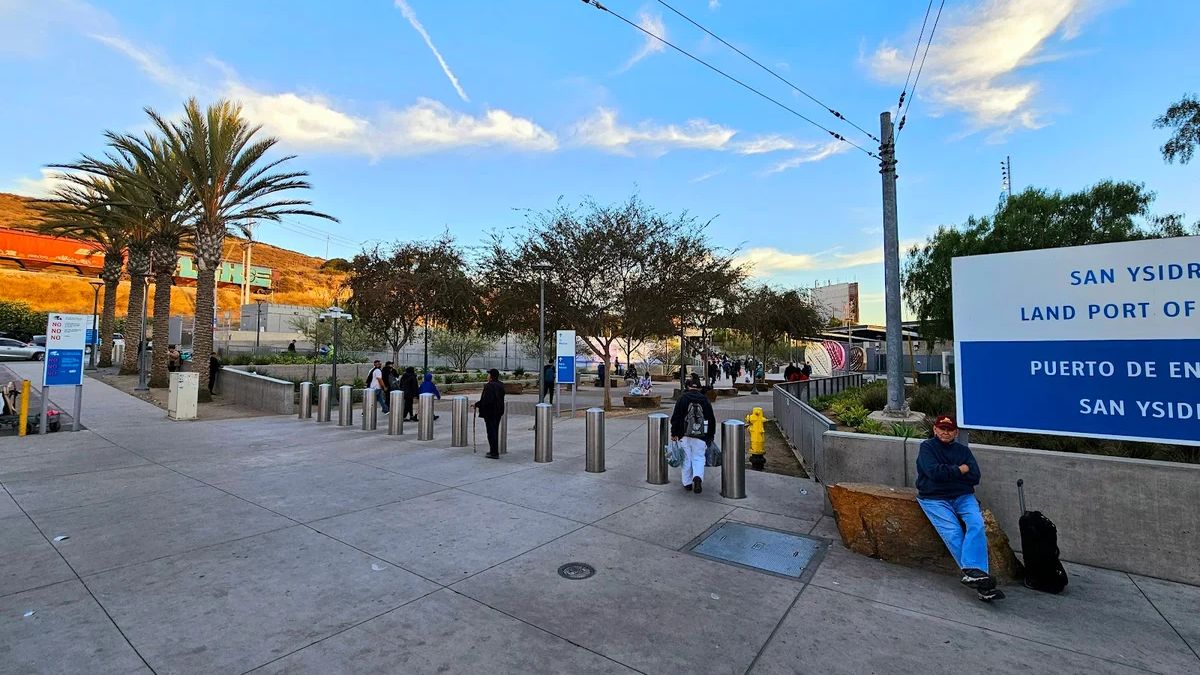
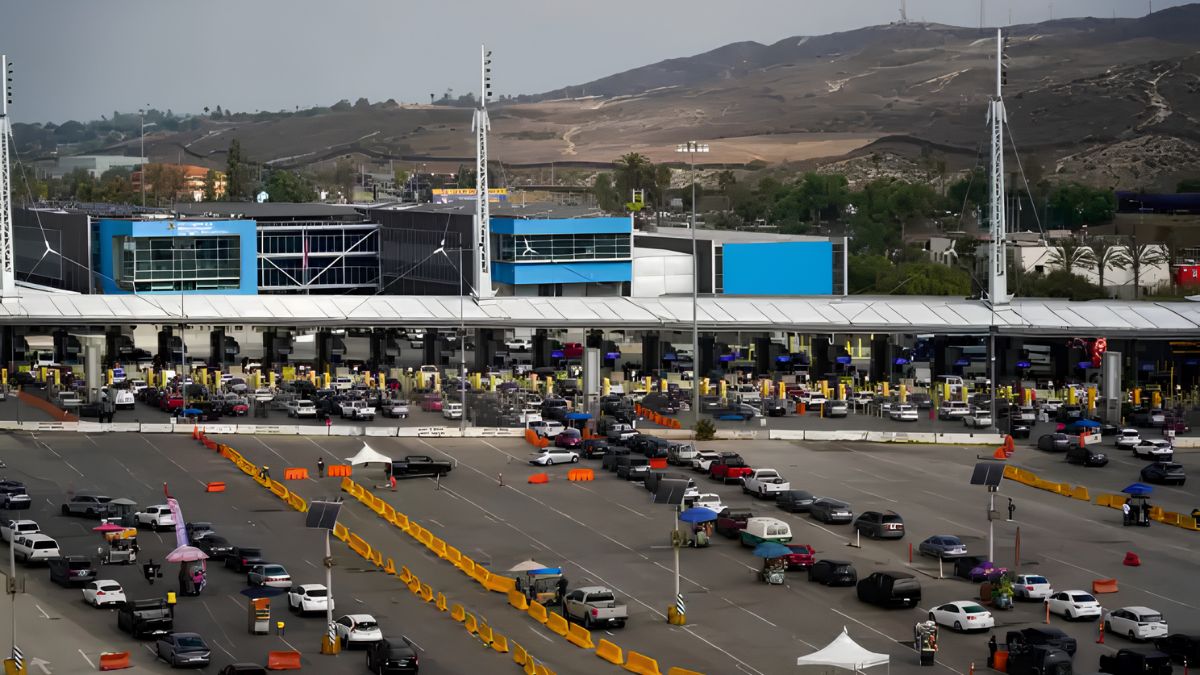
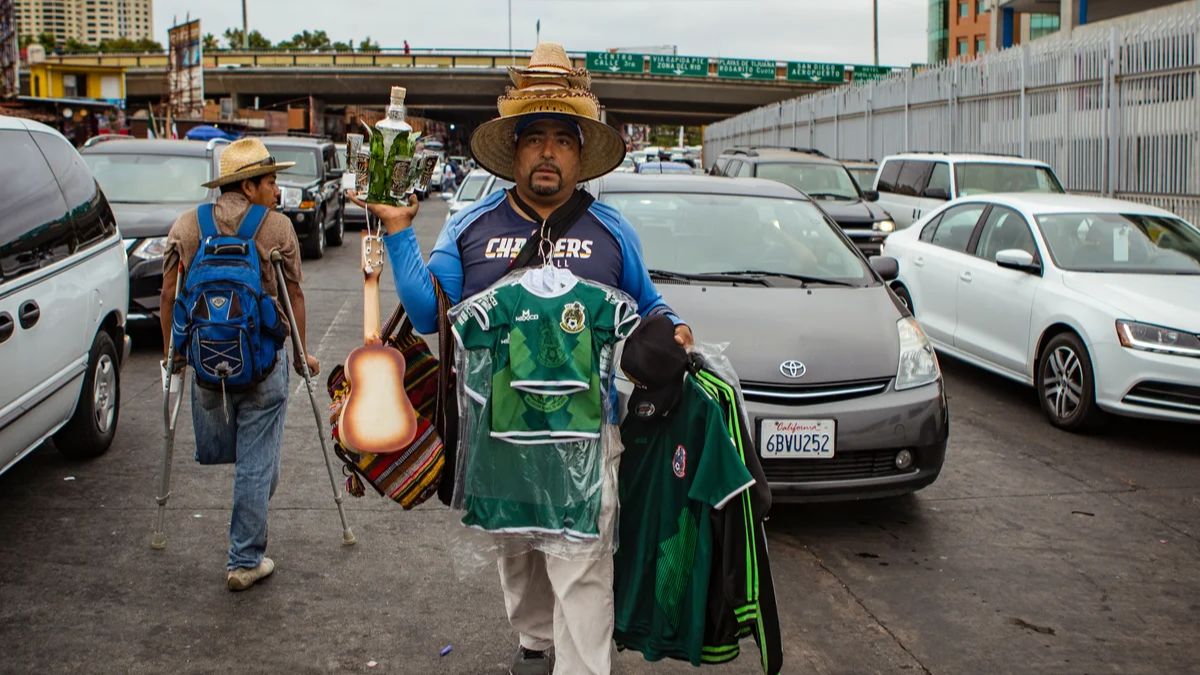
The San Ysidro Port of Entry connects San Diego, California, with Tijuana, Baja California, and is one of the busiest land border crossings between the two countries. Travelers use the crossing for personal visits, commuting, shopping, medical appointments, and other activities. Although the route is familiar to many local residents, border wait times, document requirements, transportation options, and inspection procedures can affect travel plans.
The best approach is to verify current requirements through official government websites, check wait-time information before departure, and choose transportation based on your destination and schedule. A little planning can make it easier to manage potential delays and understand what to expect at the border.
Documents
Before traveling through San Ysidro, confirm which travel documents you need for both entry into Mexico and admission or return to the United States. Requirements depend on your citizenship, immigration status, destination, and method of travel.
U.S. citizens traveling internationally should carry a valid passport or another document specifically accepted for their circumstances. A passport book is generally the most versatile option for international travel. Certain travelers crossing by land or sea may qualify to use other approved documents, such as a passport card or an eligible trusted traveler card, subject to applicable rules.
U.S. lawful permanent residents should carry their valid Permanent Resident Card and any additional documents required for their circumstances. Foreign nationals should verify the documents required for their nationality and U.S. immigration status before leaving the country.
Travelers entering Mexico must also check Mexico’s entry requirements. Depending on nationality and circumstances, these may include a valid passport, visa, or other documentation. Requirements for minors, extended stays, and particular immigration categories may differ.
Official reference: U.S. Department of State – Mexico Travel Information
Keep your travel documents accessible but secure. It is useful to carry digital copies as a backup, although electronic copies do not replace original documents when authorities require them.
Eligibility
Having a passport does not automatically establish eligibility to enter either country. Border officials determine admissibility under the applicable immigration and customs rules.
U.S. citizens generally have the right to enter the United States, but they must still comply with inspection procedures. Lawful permanent residents and other foreign nationals may need to present specific documents depending on their status and circumstances.
Travelers who are not U.S. citizens should be particularly careful before departing the United States. Some immigration situations can make international travel complicated, including pending immigration applications, certain prior immigration violations, or restrictions associated with a particular status.
People with questions about their immigration status should seek advice from a qualified immigration attorney or an authorized legal service provider before crossing the border.
Travelers should also verify whether their intended trip requires a Mexican visa or immigration authorization. Requirements can vary by nationality, travel purpose, and length of stay.
Checking these details before departure is preferable to discovering a documentation problem at the port of entry.
Waittimes
Border wait times can change throughout the day because of traffic volumes, inspection capacity, holidays, road conditions, and other factors. Travelers should check current information rather than relying exclusively on previous experience or estimated journey times from navigation applications.
U.S. Customs and Border Protection (CBP) provides official border wait-time information for land ports of entry. Its resources include information for the San Ysidro crossing and distinguish between relevant inspection categories, such as passenger vehicles and pedestrian crossings, where data is available.
Official reference: CBP Border Wait Times
Before leaving, select the San Ysidro port of entry and review the category that matches your planned crossing. Vehicle lanes and pedestrian facilities can have different wait times, so information for one category may not accurately represent another.
Wait-time estimates are snapshots rather than guarantees. Conditions may change between checking the website and reaching the inspection area. Travelers with appointments, flights, or other fixed commitments should allow a reasonable buffer for border delays.
It is also important to distinguish between waiting to enter the United States and waiting to enter Mexico. The direction of travel determines which authority’s procedures and information are relevant.
SENTRI
Eligible travelers who frequently cross the U.S.-Mexico border may want to investigate the Secure Electronic Network for Travelers Rapid Inspection program, commonly known as SENTRI.
SENTRI is a U.S. Customs and Border Protection Trusted Traveler Program that provides expedited processing for approved participants at designated land border crossings. It can be useful for eligible commuters and frequent travelers who regularly use the San Ysidro port of entry.
Applicants must complete the relevant application process, undergo required background checks, and meet program eligibility conditions. Approval is not automatic, and processing times can vary.
Membership also does not remove the requirement to carry appropriate travel documents or comply with customs and immigration laws. Travelers must use designated lanes correctly and follow current program rules.
Official reference: CBP Trusted Traveler Programs
Before applying, compare the application cost and expected benefits with how frequently you cross the border. Someone traveling occasionally may have different priorities from a person commuting several times a week.
Do not assume that a trusted traveler membership provides expedited entry in every situation. Lane availability, eligibility, vehicle requirements, and operational conditions can affect how the program works on a particular trip.
Transportation
San Ysidro offers several transportation options, and the most suitable choice depends on your destination, luggage, travel companions, and expected border conditions.
Driving can be convenient for travelers visiting destinations beyond central Tijuana or carrying substantial luggage. However, drivers should confirm the applicable vehicle documentation, insurance coverage, and entry requirements before entering Mexico.
U.S. auto insurance policies do not always provide coverage in Mexico. Travelers should check with their insurer and consider appropriate Mexican auto insurance when driving a vehicle south of the border. Drivers should also review Mexican rules concerning vehicle permits, especially if traveling beyond areas where different permit rules may apply.
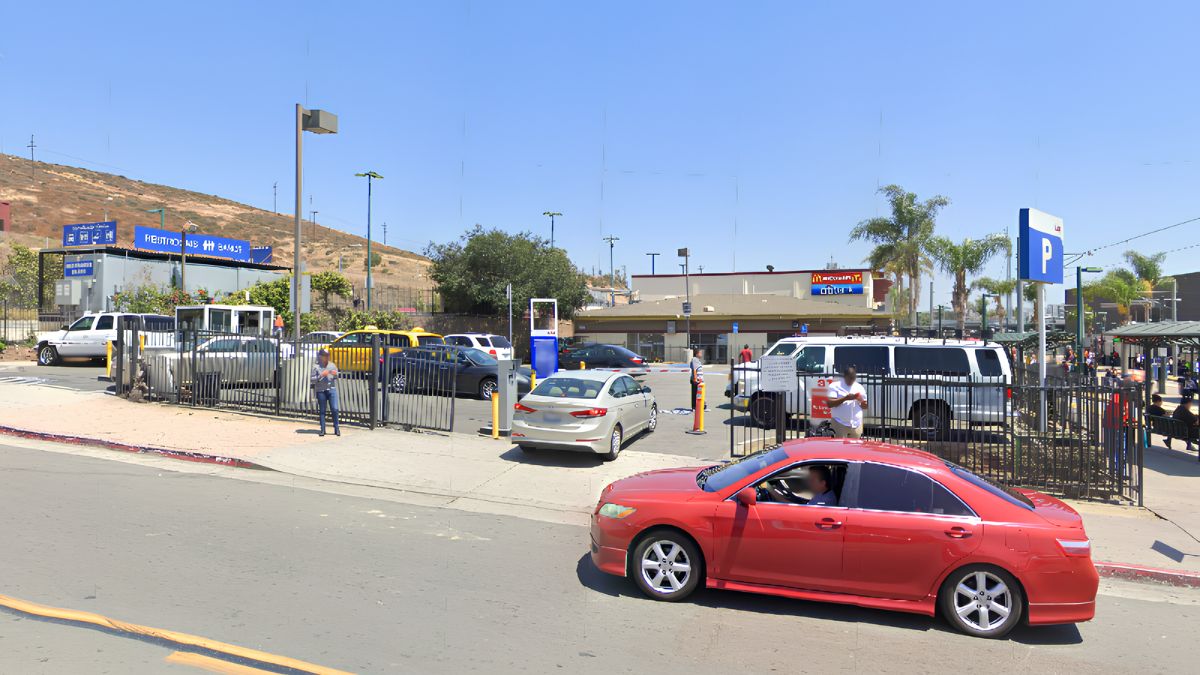
For travelers who prefer not to drive across the border, parking on the U.S. side and continuing on foot may be an alternative. The San Ysidro crossing has pedestrian facilities, and travelers can arrange onward transportation after completing the necessary inspections.
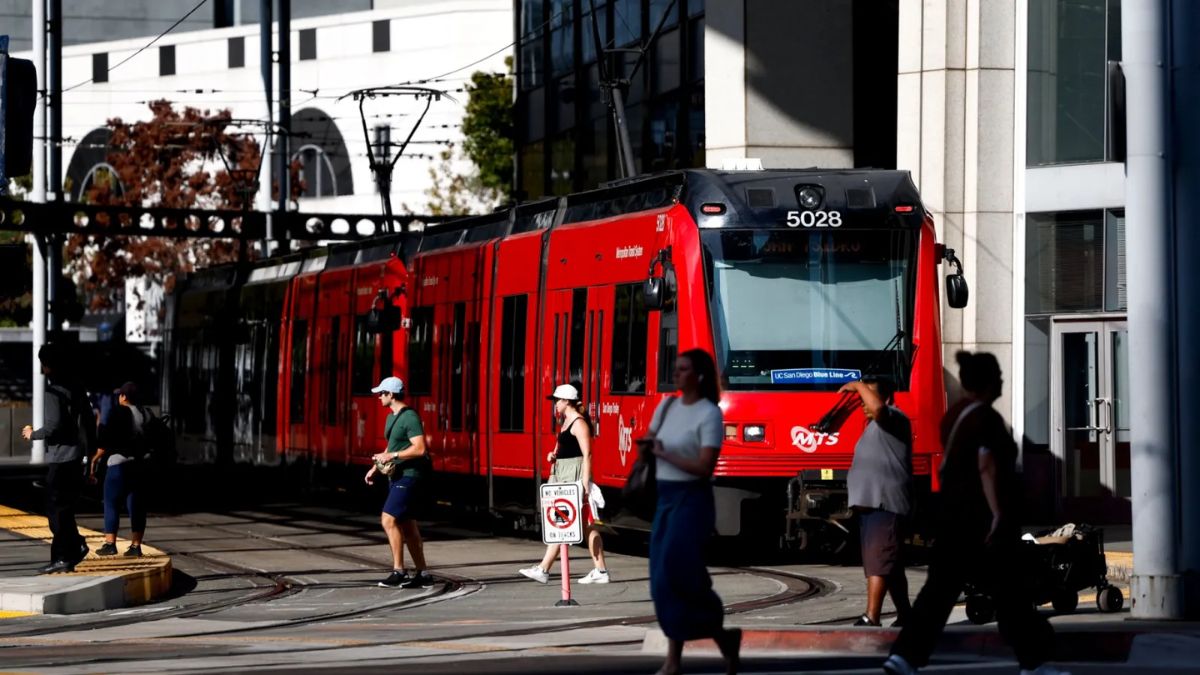
Public transportation is another option. The San Ysidro Transit Center connects with the San Diego Trolley’s Blue Line, which serves destinations in the San Diego area. Travelers can use the trolley to reach the border area from parts of San Diego without driving to the crossing.
Service schedules, fares, parking availability, and operating conditions can change. Check the official San Diego Metropolitan Transit System website before traveling.
If you plan to use taxis, rideshare services, or buses in Mexico, verify pickup locations and payment arrangements in advance. Do not assume that a transportation provider can collect passengers directly from every part of the border facility.
Customs
Crossing the border involves more than presenting travel documents. Travelers must also comply with customs requirements when carrying goods, purchases, food, currency, medications, or other items between countries.
Before traveling, review the rules governing what you can bring into the destination country. Some agricultural products, animal products, plants, weapons, controlled substances, and other goods are restricted or prohibited. Certain items may be permitted only under specific conditions or with appropriate declarations.
Travelers returning to the United States should be prepared to declare purchases and other items when required. Duty-free allowances and restrictions depend on the type of goods, country visited, length of travel, and individual circumstances.
Medication deserves particular attention. Keep medicines in their original packaging when practical, and verify the rules for any prescription drugs that may be controlled or restricted in either country. A medication legally prescribed in one country is not necessarily subject to identical rules in another.
Travelers carrying large amounts of currency or certain monetary instruments should check the applicable declaration requirements. Declaration rules are not necessarily the same as limits on how much money a traveler may carry.
Official guidance from CBP and Mexican authorities should be consulted when the planned trip involves unusual items, commercial merchandise, or questions about duty-free allowances.
Timing
Choosing when to cross can influence how long the journey takes, but there is no universally fastest time that applies to every day.
Weekends, public holidays, school breaks, major events, and periods of heavy commuter traffic can affect demand at the San Ysidro port of entry. Conditions may also differ between morning, afternoon, and evening periods.
Rather than relying on a fixed rule, review current wait-time information close to departure and consider checking it again before reaching the crossing. If your plans are flexible, compare the available information for different times and transportation methods.
Remember that the posted border wait does not necessarily include the entire trip. You may also need time to reach the port of entry, park, walk through pedestrian facilities, complete inspections, collect luggage, and arrange transportation on the other side.
Travelers catching a flight, attending a scheduled appointment, or connecting with another service should build in additional time. Navigation applications may help estimate road travel but cannot guarantee the duration of border inspection.
Preparation
A practical checklist can help you organize the trip before leaving home.
- Confirm passport and entry-document requirements for your nationality and immigration status.
- Check Mexico’s entry rules and any applicable visa requirements.
- Review current CBP wait-time estimates for the correct crossing direction and travel category.
- Decide whether driving, walking, or public transportation best fits your itinerary.
- Verify vehicle insurance and any applicable vehicle documentation if driving in Mexico.
- Review customs rules for purchases, medications, food, and restricted goods.
- Confirm opening hours, transit schedules, parking arrangements, and onward transportation.
- Keep original travel documents accessible and protect personal belongings.
- Allow extra time for inspections and unexpected delays.
Travelers with children should check requirements for minors, particularly when a child is traveling with only one parent or another accompanying adult. Additional documentation may be advisable or required depending on the circumstances and the relevant authorities’ rules.
It is also useful to keep important contact information available, including accommodation details, transportation arrangements, and emergency contacts.
Planning
A cross-border trip through San Ysidro is easier to organize when documentation, transportation, and timing are considered together. Confirm the rules that apply to your nationality and immigration status, use official government resources to check border conditions, and select a crossing method that suits your destination.
The most reliable preparation combines current wait-time information with realistic travel estimates and an understanding of customs and inspection procedures. Although delays cannot always be avoided, checking requirements in advance can reduce preventable problems and help travelers make informed decisions.
Whether you are crossing for a short visit, a regular commute, or a longer trip, preparation begins before you reach the border. Reviewing official information and keeping the necessary documents ready can help you approach the journey with clearer expectations.
FAQs
Where can I check San Ysidro border wait times?
Use the official CBP Border Wait Times website for current available estimates.
Do I need a passport to cross San Ysidro?
Document requirements depend on nationality, immigration status, and travel circumstances.
What is the SENTRI program?
SENTRI offers expedited processing for approved eligible travelers at designated crossings.
Can I walk across the San Ysidro border?
Yes. Pedestrian facilities are available, subject to current entry and inspection procedures.
Can I use my U.S. car insurance in Mexico?
Coverage varies. Check your policy and arrange appropriate Mexican insurance if needed.