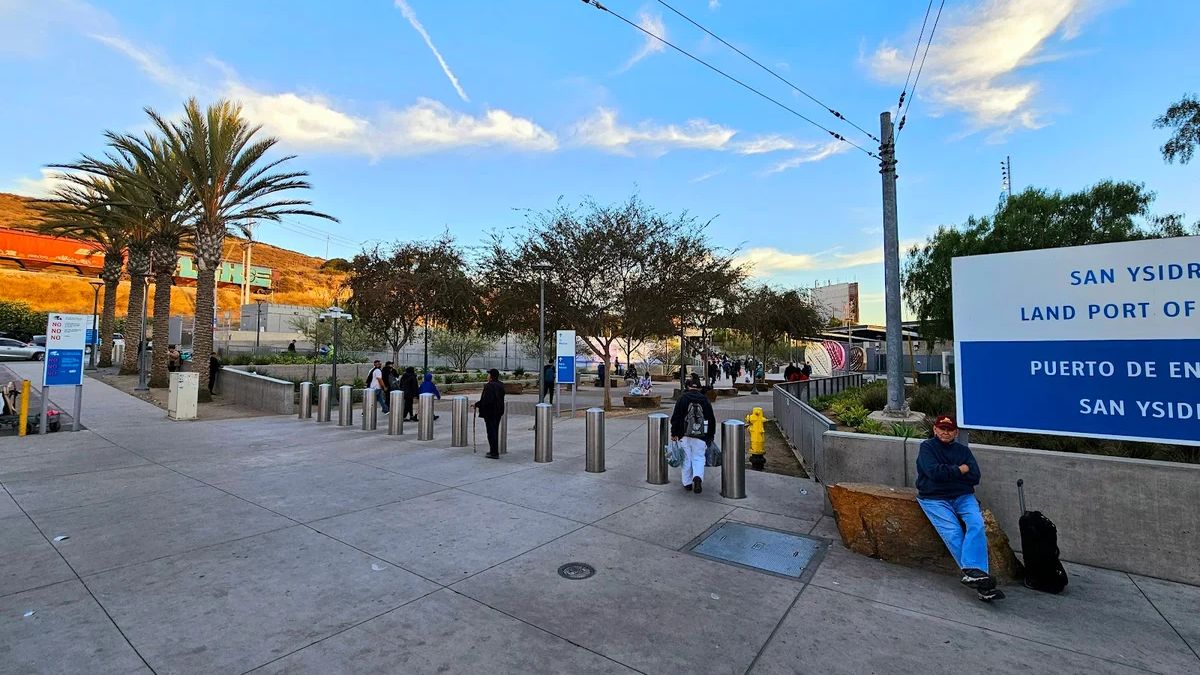
Walking around San Ysidro, California, for the first time can be a practical way to explore local businesses, residential streets, shopping areas, and nearby transportation connections. However, a comfortable walk requires more than choosing a destination and following a map. Visitors should know the area’s main roads, identify suitable pedestrian routes, allow enough time for crossings, and prepare for weather conditions that may change throughout the day.
San Ysidro is a community in southern San Diego County, close to the U.S.-Mexico border. Its streets serve different purposes, from connecting residential neighborhoods and commercial areas to carrying traffic toward major roads and border facilities. Consequently, the walking experience can vary depending on the route, time of day, traffic conditions, and availability of pedestrian infrastructure.
For first-time visitors, a little preparation can make navigation easier and help avoid unnecessary detours. The following guide explains how to plan a walking route, recognize important roads, prepare for changing weather, and move around the community with greater awareness.
Planning
Before setting out, identify the places you want to visit and estimate how much time you have available. You might plan to visit a local shop, meet someone at a restaurant, explore a commercial area, or walk between a transit stop and your destination.
Begin by checking the locations of your starting point and destination on a reliable map. Review the suggested walking route rather than automatically accepting the shortest route. A slightly longer path may offer sidewalks, marked crossings, better lighting, and fewer complicated intersections.
Pay attention to the walking distance and the number of major roads you need to cross. A route that looks short on a map may take longer than expected if it includes traffic signals, steep sections, construction, or busy intersections.
It is also helpful to divide your walk into manageable sections. Identify recognizable landmarks, such as a shopping center, public building, major intersection, or transit stop. These reference points make it easier to confirm that you are following the intended route.
If you are unfamiliar with San Ysidro, avoid planning an overly ambitious walk for your first visit. Start with a destination that is relatively easy to reach, then extend your route if conditions and available time allow.
Roads
Understanding the area’s main roads can help visitors maintain their sense of direction. San Ysidro is connected to major transportation corridors, including Interstate 5 and Interstate 805, as well as roads serving local businesses, neighborhoods, and border-related traffic.
These routes are important for vehicle travel, but they are not automatically suitable for walking along every section. Freeway ramps, access roads, and high-traffic connections may have limited or no pedestrian access. Always use designated pedestrian routes and follow posted restrictions.
San Ysidro Boulevard is an important local road that serves commercial and community destinations. Depending on the section, visitors may encounter businesses, intersections, driveways, and varying levels of pedestrian activity.
Other local streets connect residential areas with shopping destinations and transportation facilities. When choosing a route, consider whether the road has continuous sidewalks, safe crossing points, and enough space for pedestrians.
Do not assume that a road with a recognizable name is walkable along its entire length. Infrastructure can change between intersections, and construction or temporary closures may affect access.
For first-time visitors, the most useful approach is to use major roads as general orientation points while selecting specific walking routes based on pedestrian access and crossing conditions.
Navigation
A smartphone map can be helpful when exploring an unfamiliar area, but it should be used alongside direct observation. Before leaving, review the route, identify the main turns, and note where you will cross busy roads.
Download an offline map if you expect unreliable mobile reception or want to reduce data usage. Saving the destination and identifying nearby landmarks can also make it easier to recover your route if you take a wrong turn.
During the walk, check your position at safe stopping points rather than concentrating on your screen while moving. Step away from the curb before reviewing directions, and never rely on a navigation app to determine whether it is safe to cross a road.
If the suggested route directs you toward a freeway ramp, restricted access area, or road without a suitable pedestrian path, choose a safer alternative. Navigation apps may not reflect every temporary closure or local pedestrian condition.
It is useful to keep your destination’s address available, especially if you need to ask for directions. If you become unsure of your location, stop in a safe public place and review your route instead of continuing in the wrong direction.
Crossings
Road crossings deserve particular attention in San Ysidro because some streets carry substantial traffic associated with local travel and border access.
Whenever possible, use marked crosswalks and signal-controlled intersections. Follow pedestrian signals and wait for the appropriate crossing indication before entering the roadway. A green traffic light for vehicles does not necessarily mean that every movement across the intersection is safe for pedestrians.
Before crossing, look for turning vehicles, bicycles, motorcycles, and vehicles entering or leaving parking areas. Drivers may be focused on traffic or looking for an available space, so do not assume that they have seen you.
Avoid crossing near freeway entrances, exit ramps, or other locations where pedestrian access is prohibited or unsafe. If a direct route requires an unsuitable crossing, look for a designated alternative even if it adds some distance.
Visitors walking with children should explain basic crossing rules before starting. Keep children close near intersections and avoid allowing them to move into the road while checking directions.
At night or during poor visibility, choose well-lit crossings where available. Light-colored clothing or reflective accessories may improve visibility, although they do not replace the need to use safe crossing points and follow traffic signals.
Weather
Weather preparation is an important part of planning a walk, particularly if you expect to spend several hours outdoors. San Ysidro generally experiences a mild Mediterranean climate, with warmer, drier conditions during summer and cooler, wetter periods during winter. Conditions can still vary from day to day.
Check the local forecast before leaving and consider the expected temperature, wind, cloud cover, and chance of rain. Morning conditions may differ from those later in the afternoon, so choose clothing and supplies that suit the full duration of your walk.
During warmer weather, carry drinking water and wear lightweight, breathable clothing. A hat, sunglasses, and sunscreen can help protect you from sun exposure, particularly on routes with limited shade.
On cooler or rainy days, bring a light jacket or waterproof layer. Wet pavement may reduce traction, especially near curbs, painted road markings, and uneven surfaces. Choose footwear with a secure fit and a suitable grip.
Wind can also affect comfort, especially in exposed areas near large roads or open spaces. Layered clothing allows you to adjust as conditions change.
Do not rely exclusively on seasonal averages. An unexpectedly warm afternoon, rain shower, or strong wind can change how comfortable a route feels. Checking the forecast shortly before departure is a simple way to prepare more effectively.
Clothing
Comfortable clothing and appropriate footwear can make a noticeable difference during a first visit. Choose walking shoes that provide support and fit securely, especially if your route includes several intersections or a mixture of pavement surfaces.
Avoid wearing new shoes for a long walk if you have not tested them beforehand. Poorly fitting footwear can cause discomfort and make it harder to maintain a steady pace.
Dress according to the forecast rather than assuming that the weather will remain constant. Light layers can be useful when temperatures change between morning and afternoon. If rain is possible, consider a compact waterproof jacket instead of relying entirely on an umbrella, which may be inconvenient in windy conditions.
A small bag can hold water, identification, a charged phone, necessary medication, and other essentials. Keep the load manageable so that carrying it does not make walking unnecessarily tiring.
If you plan to spend time outdoors during strong sunshine, schedule breaks in shaded locations where available. Take additional precautions if you are sensitive to heat or have a medical condition that affects your ability to walk comfortably.
Safety
General awareness is essential when walking in an unfamiliar community. Stay on designated pedestrian paths, obey traffic signs, and avoid shortcuts through private property or restricted areas.
Keep personal belongings secure and remain aware of your surroundings, particularly near busy intersections and commercial areas. If you need to use your phone, stop in a safe place instead of walking while looking down at the screen.
Plan your return journey before leaving, including how you will reach your starting point if you become tired or the weather changes. Identify nearby transit stops or other legitimate transportation options when appropriate.
During evening walks, consider routes with better lighting and regular pedestrian activity. Let someone know your approximate plans if you expect to be away for an extended period, particularly when walking alone in an unfamiliar area.
If a section of the route feels unsafe because of traffic, poor visibility, construction, or a lack of sidewalks, turn back or select another route. Reaching a destination a few minutes earlier is less important than choosing a suitable path.
Visitors should also respect local residents, business entrances, and private property. Avoid blocking driveways, gathering in restricted areas, or walking through vehicle-only access points.
Timing
The time of day can influence both comfort and walking conditions. Early morning walks may offer cooler temperatures, while afternoon walks can involve stronger sunshine and busier traffic. Conditions depend on the season and the specific route.
If your walk includes commercial destinations, check their opening hours before leaving. A route planned around several businesses may be less useful if some locations are closed when you arrive.
Allow extra time for busy intersections, pedestrian signals, and unexpected detours. If you are connecting with public transportation, include a reasonable buffer rather than planning to arrive at the stop at the exact departure time.
For a first visit, it can be helpful to walk during daylight so that street signs, crossings, and landmarks are easier to recognize. If you need to return after dark, consider how lighting and visibility may differ along the same route.
Breaks should also be part of the plan. A short rest, a drink of water, or time spent checking directions can make the walk more comfortable without disrupting the overall schedule.
Preparation
Before leaving, review a simple checklist to make sure your route and supplies are suitable.
| Item | Why it matters |
|---|---|
| Walking route | Helps identify turns, crossings, and pedestrian access |
| Weather forecast | Supports appropriate clothing and hydration planning |
| Comfortable shoes | Reduces discomfort during longer walks |
| Water | Helps maintain hydration in warm conditions |
| Charged phone | Provides navigation and communication |
| Offline map | Offers a backup if mobile data is unavailable |
| Return plan | Helps you finish the walk without unnecessary delays |
Check whether your route includes construction, temporary closures, or areas with limited sidewalk access. If you are walking to a specific business, confirm its address and opening hours.
Keep your plans flexible. A route that works well in good weather may need to change if rain begins or temperatures rise. Knowing where you can shorten the walk or use another transportation option can make the outing easier to manage.
Walking around San Ysidro for the first time becomes more straightforward when you combine basic route planning with awareness of major roads, pedestrian crossings, and local weather. Use recognizable roads to orient yourself, but choose paths based on actual pedestrian access rather than distance alone.
Prepare suitable clothing and footwear, carry water when needed, and leave enough time for traffic signals and unexpected changes. With a realistic route and a flexible plan, you can look into the community at a comfortable pace while making informed decisions about your surroundings.
FAQs
What should first-time visitors know about walking in San Ysidro?
Plan your route, identify safe crossings, and check pedestrian access before leaving.
Which major roads help with navigation in San Ysidro?
San Ysidro Boulevard and nearby freeway corridors are useful orientation points.
What should I wear when walking in San Ysidro?
Wear comfortable shoes and choose clothing based on the day’s forecast.
How can I prepare for changing weather?
Check the forecast, carry water, and bring suitable sun or rain protection.
Is a navigation app enough for planning a walking route?
No. Confirm pedestrian access and follow local signs and crossing signals.