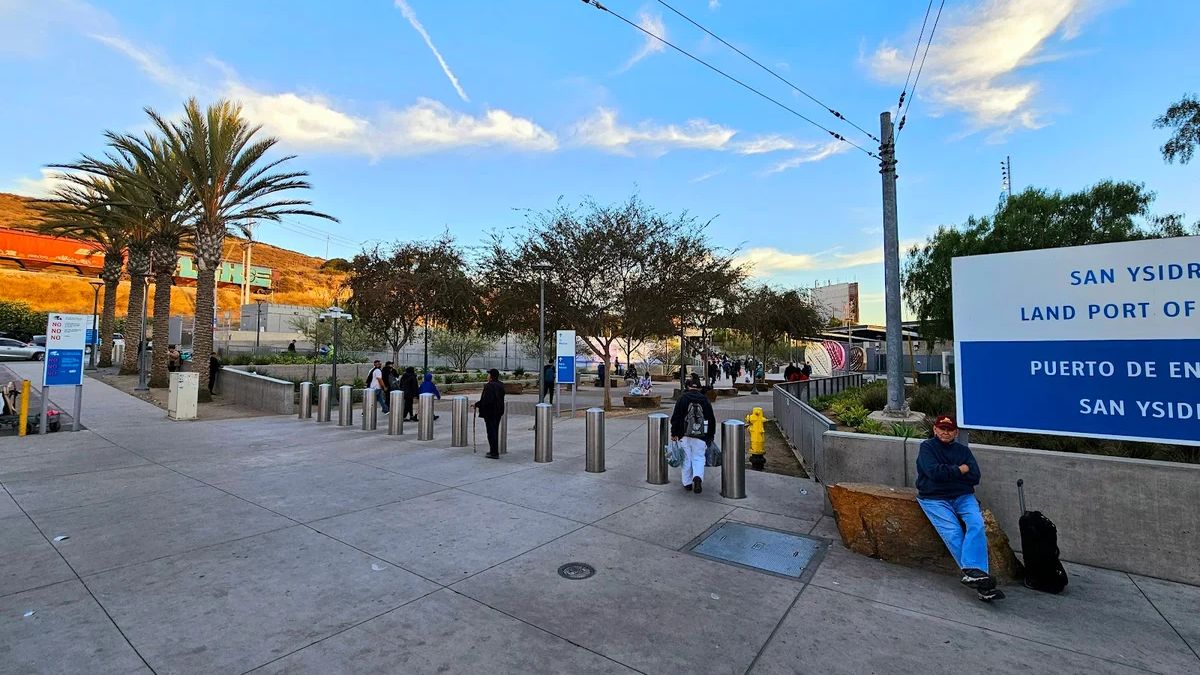
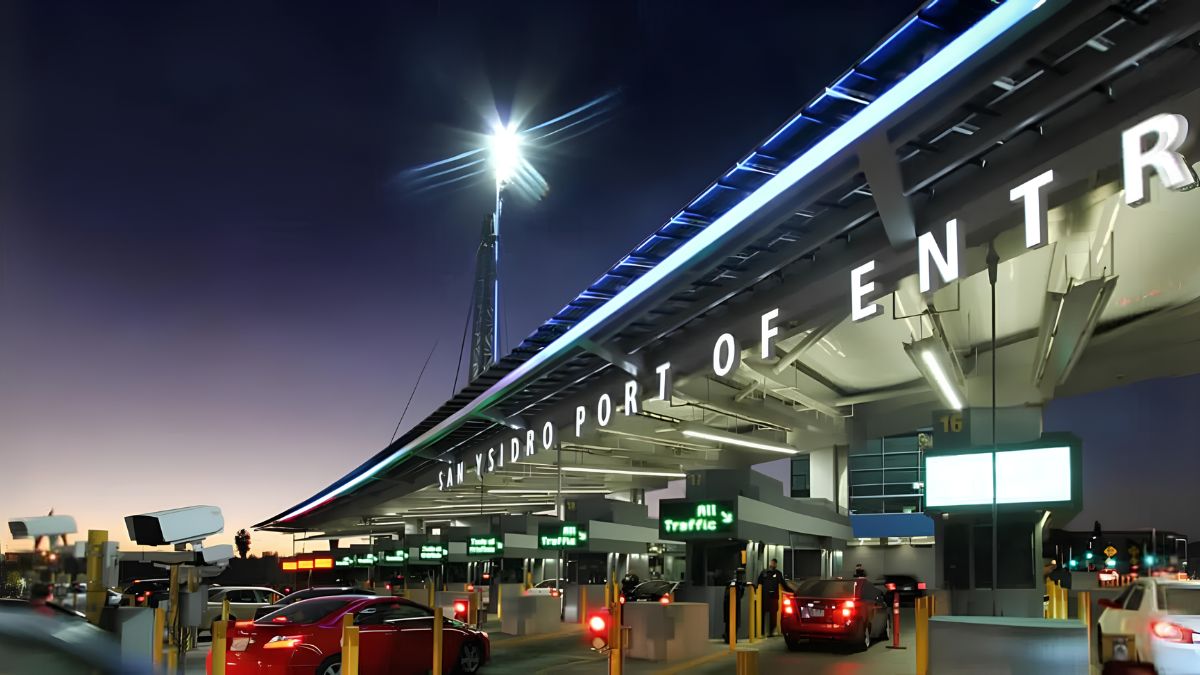
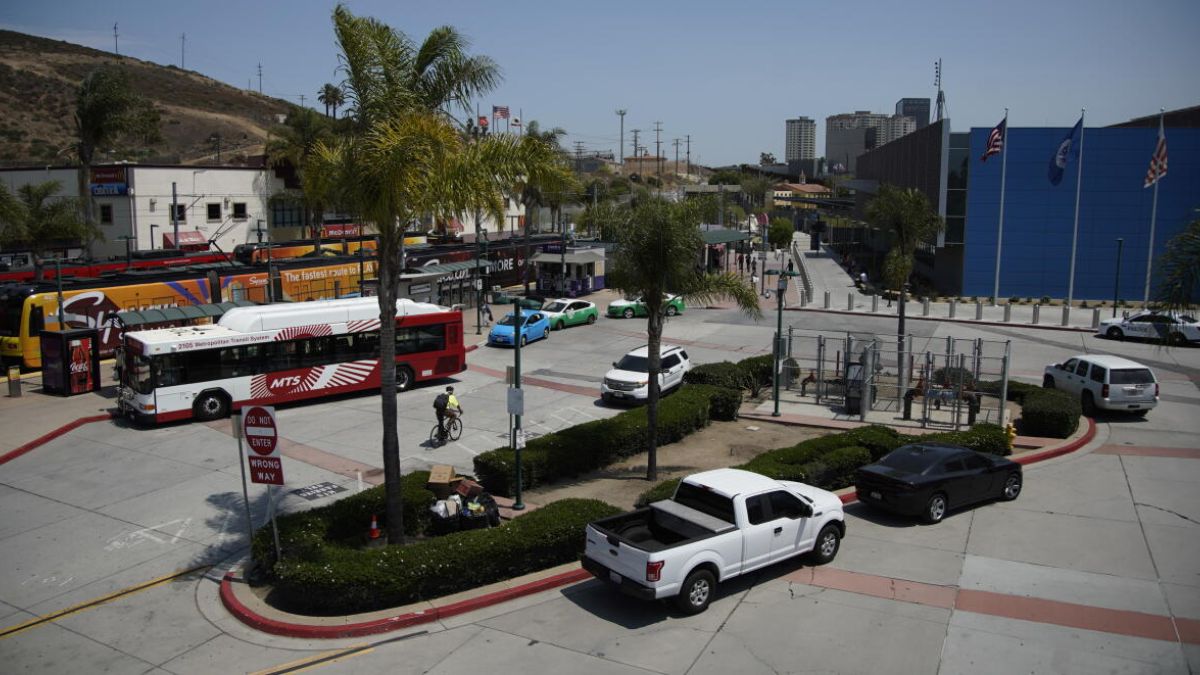
Planning a visit to San Ysidro, California, involves more than deciding where to shop, eat, or spend time. Choosing how to get around can affect your travel time, transportation costs, parking arrangements, and overall convenience. Located near the U.S.-Mexico border, San Ysidro is served by major roads, the San Diego Trolley, buses, and pedestrian connections to nearby destinations.
For visitors arriving from elsewhere in San Diego County, driving may offer flexibility, while the trolley can provide a practical alternative to traffic and parking. Local buses can help travelers reach destinations that are not directly beside a trolley station. The right choice depends on where your trip begins, how many places you plan to visit, and whether you need to carry shopping bags or travel with children.
Knowing the advantages and limitations of each transportation option can help you organize your visit and avoid unnecessary delays.
Driving
Driving offers flexibility for visitors who want to set their own schedule or visit several destinations in different parts of San Ysidro. It can be especially useful for families, travelers carrying luggage, and people planning stops outside the immediate trolley corridor.
San Ysidro is accessible through major roads connecting it with other parts of San Diego County. Interstate 5 and Interstate 805 serve the wider area, although the most suitable route depends on your starting point and destination. Traffic conditions can change during commuting periods, weekends, holidays, and busy shopping periods.
Before leaving, check your route and allow additional time for traffic and finding parking. A trip that looks straightforward on a map may take longer when roads are congested or parking spaces are limited.
Parking is an important consideration. Some shopping centers and businesses provide customer parking, but conditions vary by property. Confirm any restrictions, time limits, fees, and access arrangements before leaving your vehicle. Do not assume that parking is available simply because a destination is close to a major road.
Drivers should also consider whether they will visit multiple locations. A car can make it easier to move between businesses that are spread apart, particularly when carrying purchases. However, repeated short drives can add parking costs and time, especially when traffic is heavy.
Visitors crossing the international border should distinguish between traveling within San Ysidro and driving across the border into Mexico. International crossings involve separate procedures, documentation requirements, and potentially significant waiting times. Check current official border information if your itinerary includes crossing the border.
Driving is generally most useful when flexibility, passenger comfort, or access to destinations away from transit stops is a priority. For a visit centered on a single area with good transit access, other options may be more convenient.
Trolley
The San Diego Trolley is a useful option for visitors who want to reach San Ysidro without driving. The Blue Line serves the San Ysidro Transit Center, connecting the area with other destinations across the San Diego region.
For many travelers, the main advantage is avoiding the need to find parking at every stop. Once aboard, passengers can travel along the trolley route without managing road traffic themselves.
The San Ysidro Transit Center is also a connection point for bus services, making it useful for journeys that combine rail and bus travel. Depending on your starting point, the trolley may offer a straightforward way to reach San Ysidro and continue on foot or by local transit.
Before traveling, review the route, station locations, operating hours, and departure frequency. Service schedules can vary by day, and planned maintenance or service disruptions may affect travel. Check the latest information through the official San Diego Metropolitan Transit System website.
Fares are another factor to consider. Check current ticket prices and available payment options before boarding. If your visit involves several transit trips, compare the cost of individual fares with any available pass that suits your itinerary.
The trolley is particularly practical for visitors whose destinations are near stations or within a manageable walking distance. However, it may not provide direct access to every shop, restaurant, or residential area. You may need to walk or transfer to a bus for the final part of your journey.
Travelers carrying heavy shopping bags should also consider walking distances between stations and destinations. The trolley reduces the need to drive, but it does not eliminate the physical effort involved in moving around.
For a visit focused on accessible transit connections and predictable routes, the trolley can be a strong alternative to driving.
Local Transit
Local buses can fill the gaps between trolley stations and destinations that are farther away. They may be particularly useful for visitors who want to reach a specific business, neighborhood, or service that is not within easy walking distance of a station.
San Ysidro has access to regional bus services through the transit network. Depending on the route, buses can connect the transit center with surrounding communities and other destinations in the wider San Diego area.
The main benefit of using local transit is that it can extend your reach without requiring a car. A visitor might take the trolley to San Ysidro and then use a bus to reach a destination that would otherwise require a longer walk.
However, bus travel requires attention to route numbers, stop locations, departure times, and transfer connections. Not every route runs at the same frequency, and some services may operate less often during evenings, weekends, or holidays.
Check the current schedule before setting out, especially if you have a timed appointment or need to return to the trolley station by a particular hour. Allow extra time for transfers and possible delays.
The official MTS routes and schedules page provides information about available services. You can use it to identify routes, review schedules, and plan connections for your intended destinations.
For visitors unfamiliar with the area, it is helpful to confirm the correct stop before boarding and follow the route through a transit app or official journey-planning resource. If your destination is on a busy road, check the safest walking route from the stop to the entrance.
Local transit may be less convenient when you are carrying bulky purchases or traveling with several young children. Nevertheless, it can be an economical and practical choice for visitors who do not need a vehicle for the entire trip.
Costs
Transportation costs include more than the fare or fuel used for a journey. Parking, tolls on any applicable route, vehicle wear, and the time required to find a parking space can all influence the total expense of driving.
Public transit costs depend on the routes used, current fares, the number of passengers, and whether a suitable pass is available. Travelers should check the latest fare information rather than relying on old prices.
The following comparison summarizes the main cost considerations.
| Transportation option | Main cost considerations | Best suited for |
|---|---|---|
| Driving | Fuel, parking, vehicle expenses | Multiple stops and flexible itineraries |
| Trolley | Fares or passes, travel to and from stations | Trips along the trolley corridor |
| Local bus | Fares, transfers, and walking connections | Reaching destinations away from stations |
The cheapest option depends on your circumstances. A solo traveler may spend less using transit, while a group traveling together may find driving more practical if parking is readily available. The result can also change when a destination requires multiple transfers or when a vehicle is already available.
Estimate the full cost of each option before making a decision. For transit, include all planned rides. For driving, account for parking and the possibility of traffic delays.
Convenience
Convenience depends on how you plan to spend your time in San Ysidro. Visitors going to one destination may benefit from a direct trolley trip, while those visiting several businesses in different locations may prefer a car.
Consider how much walking your itinerary involves. A destination near a trolley station may be easy to reach on foot, but several stops spread across the area could make a combination of trolley, bus, and walking less straightforward.
Traveling with children, older adults, mobility equipment, or heavy bags can also influence the decision. Check station accessibility, boarding arrangements, walking distances, and the availability of suitable parking before traveling.
If you are visiting for shopping, consider how you will transport your purchases. Driving may offer more storage space, while transit can be easier when you plan to buy only a few items. Some travelers may find that taking transit for the outward journey and using a vehicle for a later trip suits their needs better.
Time matters as well. Driving can provide direct access to a destination, but traffic and parking may introduce delays. Transit can avoid some road congestion, although waiting times and transfers need to be included in your schedule.
Instead of choosing a transportation method based on general assumptions, compare the complete journey from your starting point to your destination.
Planning
A little preparation can make any transportation option easier to use. Start by listing the places you want to visit and checking their addresses. Group nearby destinations together to reduce unnecessary travel.
Next, compare driving directions with trolley and bus connections. If your journey includes transit, check departure times, service frequency, fares, and the location of the nearest stops.
Build flexibility into your schedule. Allow extra time during peak travel periods, and avoid planning a tight connection when missing one departure would disrupt the rest of your visit.
Check travel conditions on the day of your trip. Road congestion, transit service changes, weather, and special events can affect travel times. Use current information rather than assuming that a route will take the same amount of time every day.
If you plan to cross the international border, check official guidance separately. The U.S. Customs and Border Protection website provides information for travelers entering the United States. Border-crossing procedures and waiting times are different from ordinary travel within San Ysidro.
Visitors should also consider the return journey before leaving. Confirm the last practical transit connection for your plans or identify suitable parking arrangements if driving. This is particularly important for evening visits and trips scheduled around appointments.
Choosing
The best transportation option is the one that fits your destination, budget, schedule, and mobility needs.
Driving is often suitable when you have several stops, need to carry purchases, or want greater control over your itinerary. The trolley is a practical option for reaching San Ysidro from other parts of the San Diego region without dealing with parking at your destination. Local buses can provide additional access to places beyond the trolley route.
You do not necessarily have to use only one method. A combined trip may be more efficient, such as taking the trolley to the San Ysidro Transit Center and then using a bus or walking to reach a specific destination.
Before deciding, compare the total cost, travel time, walking distance, and number of transfers for your planned journey. Check official schedules and traffic conditions close to departure, particularly if you have a fixed arrival time.
With a clear itinerary and current travel information, visitors can choose a transportation option that suits their needs and spend less time managing travel arrangements during their visit to San Ysidro.
FAQs
Is the trolley a good way to reach San Ysidro?
Yes. The Blue Line serves the San Ysidro Transit Center.
When is driving more convenient?
Driving can help when visiting multiple locations or carrying bulky purchases.
Can buses connect with the trolley?
Yes. Bus services connect with the regional transit network at key stations.
Where can I check trolley and bus schedules?
Check official routes, schedules, and service updates on the MTS website.
Should I check transit information before traveling?
Yes. Confirm fares, departure times, routes, and possible service disruptions.