Finding parking in San Ysidro, California, requires more than identifying an available space near your destination. Drivers may need to consider parking fees, posted time limits, street cleaning schedules, permit requirements, private property rules, and restrictions associated with nearby businesses or border-crossing facilities. A space that appears convenient may not be suitable for the length of your visit or the purpose of your trip.
San Ysidro attracts local residents, shoppers, commuters, and travelers visiting the U.S.-Mexico border area. Parking conditions can vary considerably depending on the destination, time of day, and type of parking facility. Spaces near commercial areas or transportation connections may have different rules from those on residential streets or in private lots.
Planning ahead can help drivers avoid unnecessary delays, unexpected charges, and parking citations. By checking official information, reading posted signs, and allowing enough time to locate a suitable space, visitors can make more informed decisions. Here is a practical guide to finding parking in San Ysidro while accounting for restrictions, fees, and time limits.
Planning
Start by identifying your exact destination and estimating how long you expect to stay. Parking requirements can differ between a short shopping trip, a restaurant visit, a business appointment, and a longer journey involving the international border crossing.
If you are visiting a particular business, check whether it provides customer parking or has arrangements with a nearby parking facility. Some businesses have dedicated spaces, while others rely on public street parking or privately operated lots.
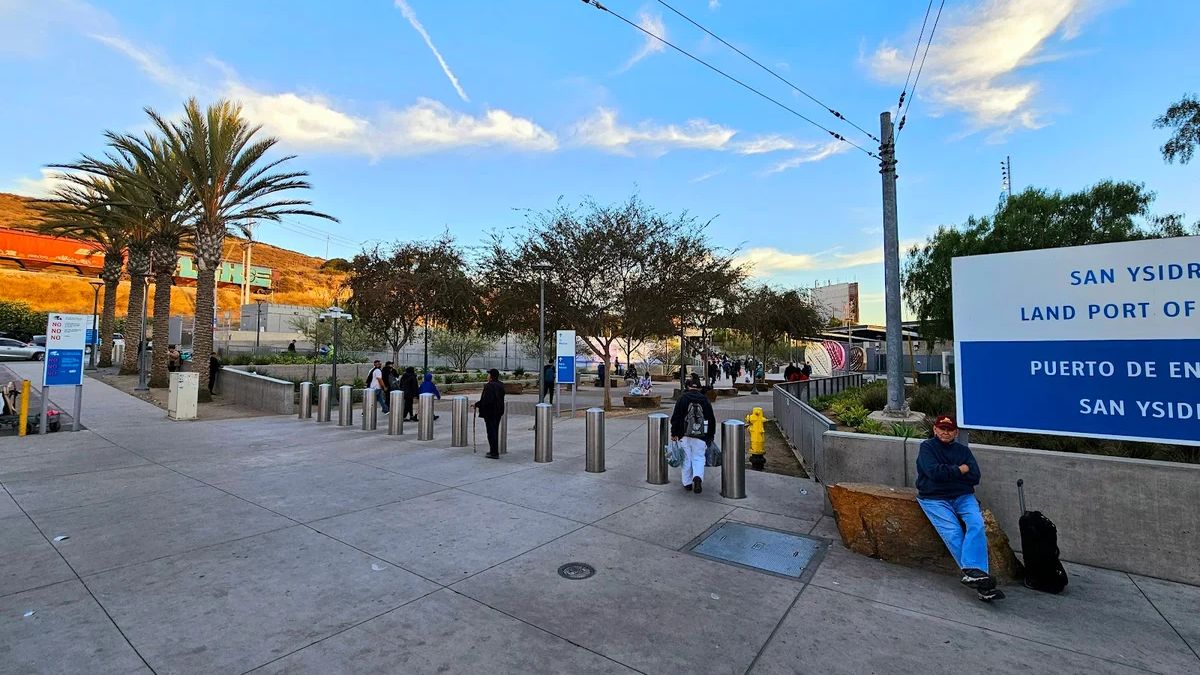
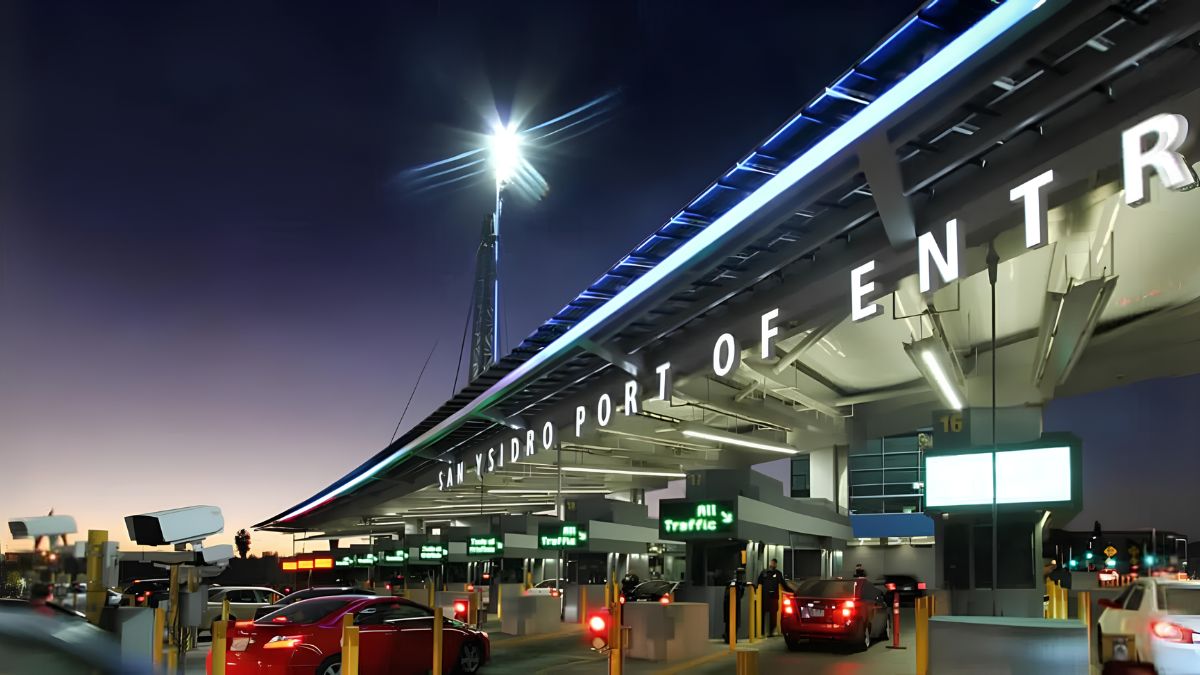
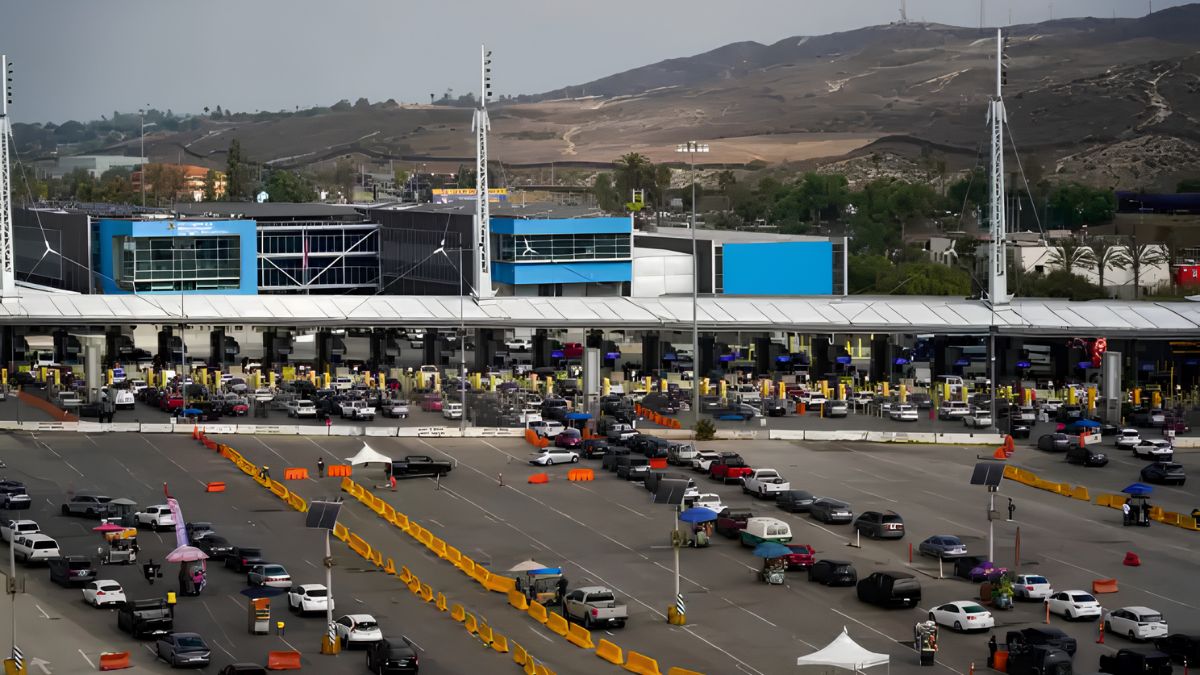
Drivers heading toward the San Ysidro Port of Entry should distinguish between parking for nearby shopping or local errands and parking intended for border-crossing travel. These activities may involve different facilities, access arrangements, and restrictions.
Use a mapping service to identify potential parking locations before leaving. Look at the distance between the parking facility and your destination, but do not assume that a nearby space is available or that its rules permit your intended stay.
It is also useful to identify a backup option. If your first choice is full, having another suitable facility in mind can reduce the time spent driving around unfamiliar streets.
Locations
San Ysidro includes commercial areas, residential streets, shopping destinations, and transportation connections. Parking availability and regulations may differ across these locations, so the most appropriate option depends on where you need to go.
For shopping or dining, begin by checking the business’s official website or contacting the establishment directly. Ask whether customer parking is available, whether validation is offered, and whether any restrictions apply.
For appointments or visits to residential properties, confirm whether the destination has designated parking or whether street parking is permitted. Some residential areas may have restrictions designed to protect residents’ access and neighborhood conditions.
For trips involving the border, check the official information for the specific crossing and transportation arrangement you plan to use. Parking for a nearby shopping center should not automatically be treated as suitable for leaving a vehicle during an extended border-crossing trip.
The City of San Diego provides official information about city services and parking-related regulations. However, because San Ysidro is an unincorporated community, some local services and rules may fall under the County of San Diego rather than the city. Verify which authority applies to the specific location.
Restrictions
Parking signs should be reviewed before leaving the vehicle, even when the space appears unrestricted. Signs may identify hours of enforcement, maximum parking durations, permit requirements, street cleaning schedules, loading zones, or other limitations.
Pay particular attention to signs placed at the beginning and end of a block. Restrictions may apply to one side of the street but not the other, or they may change at different times of day.
Common restrictions include the following:
| Restriction | What drivers should check |
|---|---|
| Time limits | Maximum permitted parking duration |
| Street cleaning | Days and hours when parking is prohibited |
| Permit parking | Whether a resident or other permit is required |
| Loading zones | Permitted vehicle types and loading hours |
| No-parking areas | Locations where stopping or parking is prohibited |
| Accessible spaces | Required permits and applicable rules |
| Private lots | Customer-only conditions and enforcement terms |
Do not assume that a restriction ends simply because no other vehicles have received citations. Other drivers may be parked illegally, or enforcement may occur at different times.
If several signs appear to apply to the same space, read all of them and determine which restrictions are in effect during your intended parking period. If the instructions remain unclear, choose another location or consult the relevant parking authority.
Fees
Parking costs depend on the facility, location, duration, and payment arrangements. Some businesses provide free customer parking, while others use paid lots, garages, or metered spaces.
Before entering a paid facility, review the posted rate structure. Charges may be calculated by the hour, by a fixed session, or according to a daily maximum. Additional charges may apply if you exceed the permitted period or lose a parking ticket.
Pay attention to the difference between an advertised starting rate and the total cost of your intended stay. A low initial rate may not represent the final amount for several hours of parking.
When using a parking meter or mobile payment system, confirm that the location identifier matches the space where your vehicle is parked. Save the receipt or payment confirmation when available, and check whether the payment covers the full period you need.
Do not assume that a payment receipt permits you to ignore posted restrictions. A paid space may still have a maximum stay, a scheduled closure, or another rule that limits how long you can remain there.
For private facilities, read the entrance signs and payment terms before leaving the vehicle. If you are unsure whether a fee applies to your full visit, ask the operator for clarification.
Time
Time limits deserve particular attention when planning a visit. A space that allows short-term parking may be suitable for a quick errand but inappropriate for an extended appointment or a day-long trip.
Estimate the entire period your vehicle will remain parked, including travel to the destination, waiting time, appointments, and possible delays. If your plans could extend beyond the posted limit, look for a facility that explicitly permits a longer stay.
Do not assume that moving a vehicle slightly or returning to the same space resets a restriction. The applicable rules depend on the location and posted terms.
Drivers using metered parking should also consider what happens when the paid period expires. Some locations may have maximum durations that cannot be extended, even if additional payment appears possible.
For visits with an uncertain return time, a facility with clearly stated longer-duration parking may be more appropriate than a short-term street space. Confirm the permitted duration before paying.
If you are visiting a business, ask whether it validates parking or offers arrangements for customers who need additional time. Any such benefit should be confirmed rather than assumed.
Border
San Ysidro’s proximity to the U.S.-Mexico border makes it important to distinguish ordinary local parking from parking associated with a border-crossing journey.
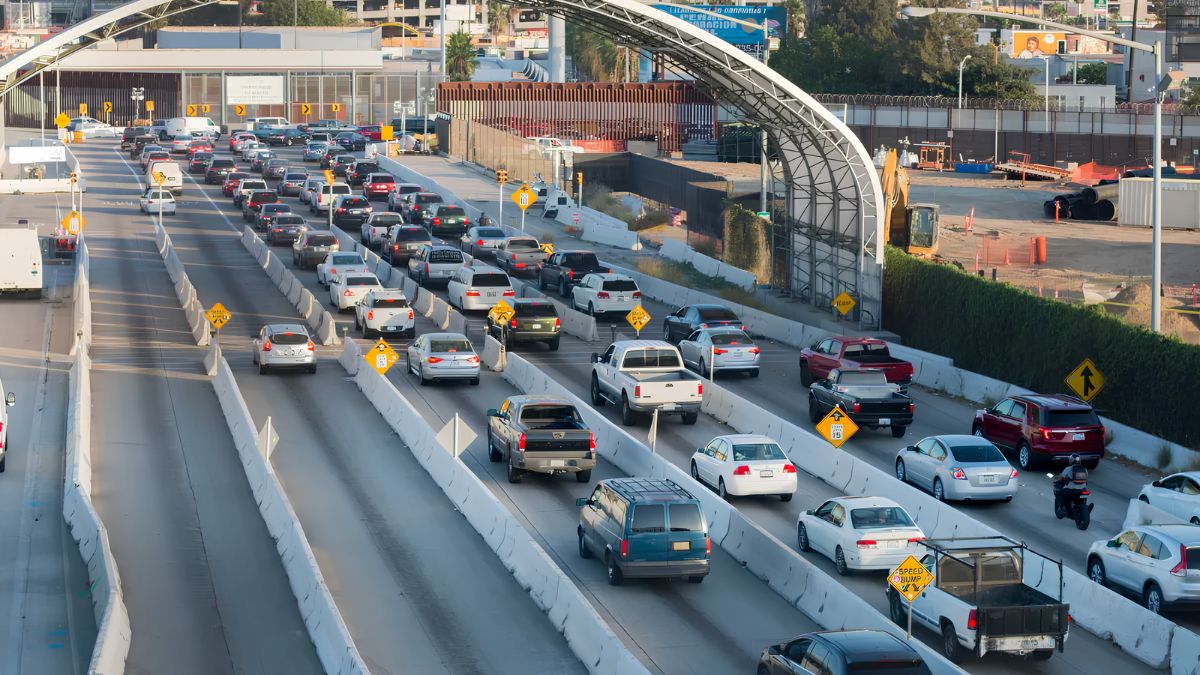
Drivers crossing into Mexico or returning to the United States should check current official guidance about their intended crossing, transportation options, and any designated parking facilities. Vehicle parking rules at a shopping center or business lot may not permit leaving a car there for the duration of an international trip.
The U.S. Customs and Border Protection website provides official information about U.S. ports of entry and border operations. Travelers should use the relevant port information to confirm current arrangements and identify any transportation considerations that may affect their plans.
If you intend to park and continue your journey on foot, verify that the selected facility permits the expected length of stay and that you understand how to reach the appropriate pedestrian crossing. Allow extra time for walking, security procedures, and possible queues.
Do not rely solely on old travel posts or user-generated maps for border-related parking information. Access arrangements and operating conditions can change, so current official information and signs at the facility should take priority.
Safety
A convenient parking space should also be appropriate for the vehicle and the length of the visit. Before leaving your car, consider lighting, visibility, pedestrian access, and the facility’s operating hours.
Choose a legitimate parking area with clearly displayed rules and payment instructions. For longer stays, review whether the facility is attended, whether overnight parking is allowed, and whether there are specific entry or exit restrictions.
Remove valuables from view and secure personal belongings before leaving the vehicle. Keep the vehicle locked, and avoid leaving important documents or electronic devices visible inside.
Drivers should also consider accessibility. If a passenger has limited mobility, check the distance between the parking area and the destination, the availability of accessible spaces, and any applicable permit requirements.
For late arrivals or departures, confirm whether the parking facility remains open and whether vehicles can be retrieved outside normal business hours. A facility that closes before your planned return may not be a suitable choice.
No parking option can eliminate every risk, but checking the facility’s rules, layout, and operating arrangements can help you select a space that fits your circumstances.
Verification
Before finalizing your parking plan, verify important details using official sources and direct communication with the facility operator.
For public street parking, review the posted signs and check the appropriate government authority’s information when necessary. For private parking, consult the operator’s website or contact its customer service team.
A quick verification checklist can help:
- Confirm the exact address and entrance.
- Check whether parking is public, private, or reserved for customers.
- Review fees and payment methods.
- Verify maximum parking duration and operating hours.
- Check for permit requirements and scheduled restrictions.
- Confirm whether overnight or extended parking is permitted.
- Identify a backup option nearby.
Remember that online maps can show a parking facility without providing complete or current details about its restrictions. Treat map listings as a way to identify possibilities, not as a substitute for checking the rules.
If a sign is difficult to read or the terms appear contradictory, avoid guessing. Choose another suitable space or contact the relevant authority or facility operator for clarification.
Finding suitable parking in San Ysidro becomes easier when drivers consider location, fees, restrictions, and the expected length of their visit before leaving home. Start by identifying parking options near your destination, then verify the posted rules, payment requirements, and permitted duration.
For border-related trips, rely on current official information rather than assuming that ordinary customer parking allows an extended stay. A little preparation can help reduce delays, avoid unnecessary charges, and make your visit more predictable. The most suitable parking space is not necessarily the closest one, but the one that meets your needs and clearly permits the way you intend to use it.
FAQs
How can I find parking in San Ysidro?
Check nearby facilities, business websites, official information, and posted signs.
Is parking in San Ysidro free?
Some spaces may be free, while others require payment or have restrictions.
How can I check parking time limits?
Read all posted signs and confirm the permitted duration before leaving your car.
Can I leave my car parked during a border crossing?
Only if the chosen facility explicitly permits your intended length of stay.
What should I check before using a paid parking lot?
Review rates, payment methods, operating hours, and maximum parking duration.