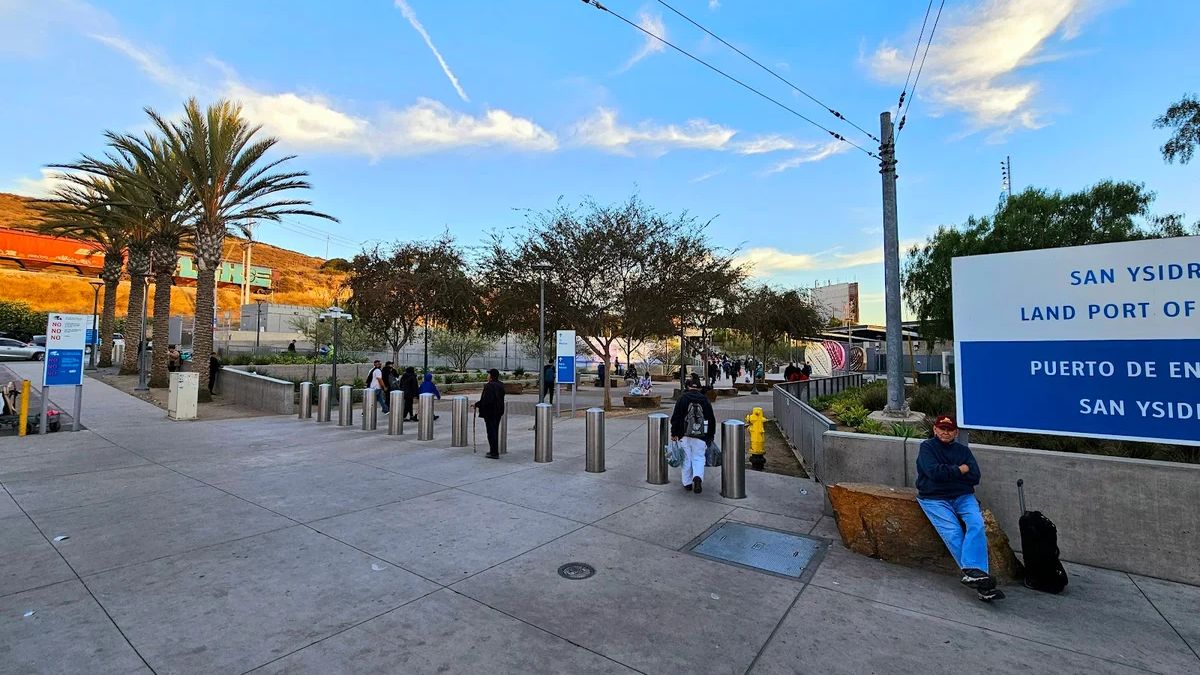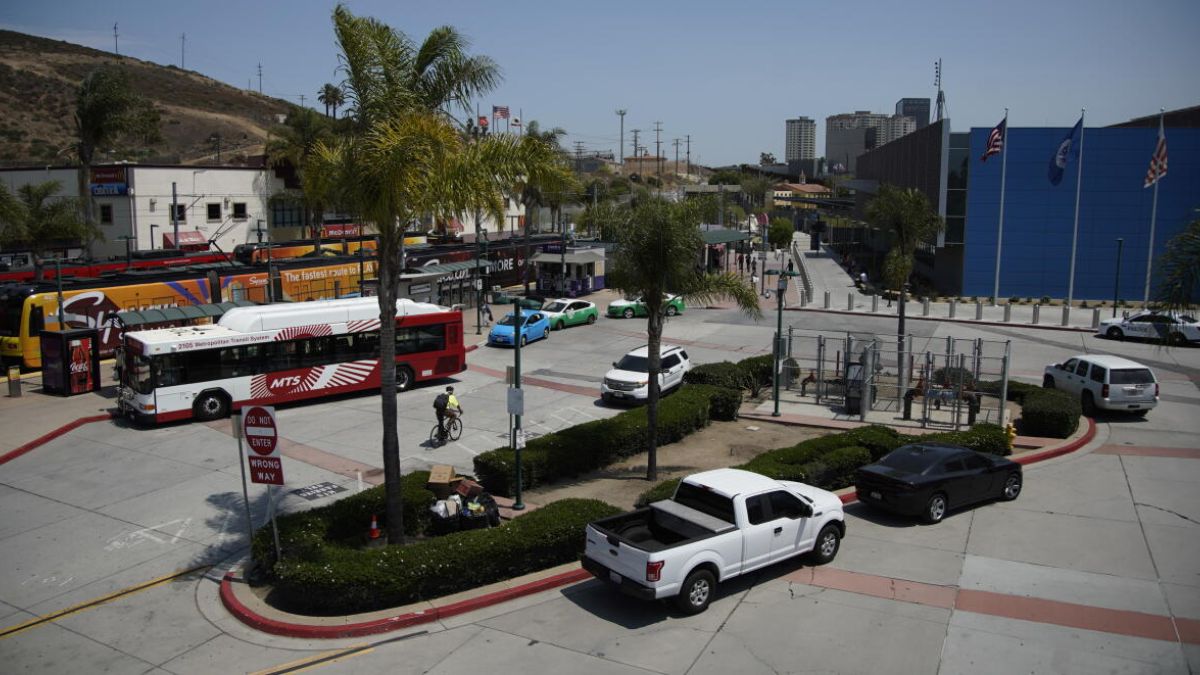
Historical newspaper archives offer a valuable way to know how San Ysidro, California, has changed over time. Old newspaper articles, advertisements, photographs, public notices, and community announcements can reveal details about local businesses, neighbourhood events, transportation, housing, and the people who helped shape the area. For residents, students, researchers, and anyone curious about local history, these records provide a window into everyday life that official timelines alone may not capture.
San Ysidro’s location near the US-Mexico border makes its history particularly interesting. Cross-border travel, commerce, migration, and cultural exchange have all influenced community life in the wider region. By exploring historical newspaper archives alongside public records and local historical resources, readers can trace how businesses emerged, how community events brought people together, and how development affected the neighbourhood. The key is knowing what to search for and how to interpret what you find.
Businesses
Old newspapers can reveal how San Ysidro’s commercial landscape developed. Advertisements, store openings, business announcements, classified listings, and reports about local employers may identify the kinds of services residents relied on during different periods.
A newspaper advertisement for a grocery store, restaurant, repair shop, or clothing retailer can provide more than a business name. It may include an address, opening hours, products, prices, promotional offers, and information about the people operating the business. When several issues are compared, these details can help researchers identify when a business opened, how it changed its offerings, or whether it later disappeared from the local market.
Business records also provide clues about changing consumer habits. Advertisements for household goods, automobiles, entertainment, and personal services can reflect the priorities of residents at a particular time. If a neighbourhood newspaper repeatedly promotes certain types of businesses, it may indicate which products or services were important to local customers.
However, an advertisement does not automatically prove that a business remained open for a long period. Researchers should compare newspaper mentions with city directories, property records, business registrations, photographs, and other sources whenever possible.
Community
Newspapers can also preserve the everyday experiences that make a neighbourhood more than a collection of streets and buildings. Reports about school activities, charity drives, celebrations, sports competitions, cultural programmes, and community meetings can show how residents gathered and supported one another.
Local event announcements are particularly useful because they often include dates, venues, organisers, and details about participation. A report about a school fundraiser, for example, may identify teachers, parent groups, local sponsors, and community organisations. Over time, these references can help researchers understand how relationships between residents and institutions developed.
Newspaper coverage may also highlight local achievements, volunteer efforts, public celebrations, and concerns raised at community meetings. These details help bring historical research closer to ordinary life rather than focusing exclusively on major political events or large infrastructure projects.
It is important to remember that newspapers do not represent every resident’s experience equally. Some events received extensive coverage while others were overlooked. Researchers should compare different publications and seek community oral histories, photographs, and family records to build a more complete picture.
Development
Historical newspapers can help explain how San Ysidro’s physical environment changed. Articles about new roads, public facilities, housing projects, commercial construction, and transportation improvements may show when particular changes were proposed, debated, or completed.
Reports about planning decisions can reveal the concerns that shaped development. Residents may have discussed traffic, parking, road safety, public services, or the effects of new construction. Comparing coverage from different years can show how local priorities shifted as the neighbourhood grew.
Transportation is another important subject. Because San Ysidro sits close to the international border, reporting about roads, transit connections, and border-crossing operations can provide context for changes in travel and commercial activity. These records may help researchers understand how improved connections affected businesses, workers, visitors, and residents.
Still, newspaper reports should be treated as evidence of what was reported at a particular moment, not as the final word on a development project. An article announcing a proposed facility does not prove that it was built. Official planning documents, maps, building permits, and government records can help confirm what eventually happened.
Migration
San Ysidro’s border location makes migration and cross-border movement important subjects for historical research. Newspaper archives may contain stories about international travel, border procedures, changing regulations, employment, family connections, and commerce between communities on either side of the border.
These reports can help researchers understand how public discussion of the border changed over time. Articles about crossing delays or new procedures, for instance, may reveal how policy decisions affected travel and business activity. Coverage of local celebrations or cultural organisations may also reflect the close social and economic connections that exist in border communities.
Researchers should approach these records with care. Newspaper language often reflects the assumptions, political debates, and editorial priorities of its time. Descriptions of immigrants, workers, or border communities may contain stereotypes or omit important perspectives.
Comparing newspapers with oral histories, community archives, census records, and official documents can help readers distinguish between documented events and the opinions expressed about them. This broader approach makes it easier to understand the people behind the headlines rather than relying on a single publication’s perspective.
Archives
Finding historical newspaper material begins with identifying suitable collections. Some newspapers have been digitised and are searchable online, while others survive only on microfilm, in bound volumes, or in physical collections held by libraries and historical institutions.
Several resources can help researchers get started:
- San Diego Public Library: Check its local history resources, newspaper collections, digital catalogues, and research services.
- San Diego History Center: Explore historical photographs, archival collections, and resources relating to the wider San Diego region.
- Library of Congress Chronicling America: Search digitised historical newspapers and consult newspaper directory information. Coverage depends on the publication and dates represented.
- California Digital Newspaper Collection: Search for available California newspaper issues and articles.
- National Archives and Records Administration: Consult federal records where relevant to border policy, government activity, or regional history.
These resources do not necessarily contain every newspaper published in San Ysidro. Some collections focus on San Diego County or California more broadly. Contacting a library or archive directly can help determine whether it holds the particular publication and date range you need.
Searching
A focused search usually produces better results than entering only the name of a neighbourhood. Start with several variations of the place name, then add the topic, business type, street name, or approximate year.
For example, searches might combine “San Ysidro” with terms such as “store opening,” “school fundraiser,” “road construction,” “community meeting,” or “border crossing.” If you know the name of a business or institution, search for different spellings and abbreviations as well.
Use date filters when available. If you are investigating a business believed to have opened in the 1960s, search a few years before and after the estimated date. This may reveal advertisements announcing the opening, later references to the business, or reports about a change in ownership.
Optical character recognition (OCR) makes many digitised newspapers searchable, but it is not always accurate. Old print, faded ink, unusual fonts, and damaged pages can cause names and street addresses to be misread. If a search produces few results, browse issues around the relevant date manually or try alternative spellings.
Keep a research log with the newspaper title, publication date, page number, article headline, archive link, and a brief summary. This makes it easier to revisit evidence and cite sources accurately.
Evidence
Historical research becomes more reliable when newspaper findings are checked against other records. A newspaper article may offer valuable contemporary reporting, but its claims can be incomplete, mistaken, or influenced by editorial priorities.
Use a simple verification process:
| Research question | Useful newspaper evidence | Sources to compare |
|---|---|---|
| When did a business operate? | Advertisements and business reports | City directories, business records |
| When did a community event occur? | Event notices and follow-up reports | School records, photographs, oral histories |
| Was a road or building completed? | Planning and construction coverage | Maps, permits, official project records |
| How did border travel change? | News reports and public notices | Government records and official histories |
| Who helped organise local activities? | Meeting reports and announcements | Organisation archives and interviews |
Pay attention to the difference between a reported fact, a prediction, and an opinion. A proposed project, for example, should not be described as completed unless additional evidence confirms it.
Also consider whose voices appear in the archive. Newspaper coverage may favour business owners, public officials, or prominent organisations over residents whose experiences were less frequently documented. Community interviews and personal collections can help fill some of these gaps.
Preservation
Once useful material has been located, preserving the information carefully makes future research easier. Save digital copies or stable archive links when permitted, record complete citations, and note any restrictions on reproducing photographs or article scans.
If you are working with physical newspapers or microfilm, follow the archive’s handling rules. Fragile documents may need staff assistance, and some materials may be available only through supervised access.
Researchers should distinguish between personal research notes and material they intend to publish. Copyright and reproduction rules vary by publication, date, and collection, so check the archive’s terms before including full newspaper pages or photographs in a website, report, or book.
You can also contribute to local history by recording family memories, identifying people in old photographs, and documenting the origins of community materials. When combined with newspaper research, these sources can help preserve details that might otherwise be lost.
Historical newspaper archives offer much more than old headlines. They can help reconstruct San Ysidro’s commercial history, reveal how residents celebrated and organised community life, and show how development and border-related changes influenced the neighbourhood. The strongest findings emerge when researchers search carefully, compare different publications, and verify important claims with official records and personal histories. By approaching these archives with curiosity and a critical eye, anyone can help uncover a richer, more balanced understanding of San Ysidro’s past.
FAQs
What can old newspapers reveal about San Ysidro?
They can document businesses, community events, local development, and changing public concerns.
Where can I search historical newspaper archives?
Try local libraries, the California Digital Newspaper Collection, and Library of Congress resources.
Can newspaper archives help trace former businesses?
Yes, advertisements and reports may reveal business names, addresses, and operating dates.
Are digitised newspaper searches always accurate?
No, OCR errors can hide names and details, so browse original pages when needed.
How can I verify information found in old newspapers?
Compare articles with directories, official records, photographs, and oral histories.