For small businesses in San Ysidro, attracting new customers often depends on more than advertising or offering competitive prices. Building relationships with residents, working alongside other businesses, and participating in neighborhood activities can help companies become more familiar to the people they serve. These connections may also create opportunities for referrals, repeat purchases, and long-term customer relationships.
Restaurants, retail shops, repair services, salons, and professional service providers can all benefit from community engagement. A local restaurant might collaborate with a nearby retailer, while an accounting firm could participate in a business networking event. A home services company might support a neighborhood cleanup or provide information at a community gathering.
However, participating in an event does not automatically translate into additional revenue. Businesses need to identify the right audiences, choose suitable partnerships, communicate their offerings clearly, and evaluate the results. A structured approach can help owners use their time and marketing budgets more effectively.
For businesses in San Ysidro, community engagement can serve as a practical extension of existing marketing activities. The objective is to establish useful connections, understand local customer needs, and make it easier for interested residents to discover and choose their services.
Partnerships
Community partnerships provide small businesses with opportunities to reach people through organizations and companies they may already know and trust. Potential partners include nonprofit organizations, neighborhood associations, schools, local retailers, and other service providers.
A partnership does not always require a large financial investment. Two businesses might promote each other’s services, share information about an upcoming event, or develop a joint offer for customers with similar interests.
For example, a bakery could collaborate with a nearby coffee shop on a combined promotion. A printing company might supply materials for a community event, while a fitness studio could work with a local health organization to organize an educational session.
These arrangements are most useful when the businesses share a relevant audience without directly competing for the same sales. Each participant should understand what the partnership is intended to achieve and how the responsibilities will be divided.
Business owners in San Ysidro can begin by identifying organizations whose activities align with their customer base. They can then introduce their business, explain what they could contribute, and propose a manageable collaboration.
Before agreeing to participate, both parties should discuss costs, promotional responsibilities, scheduling, and any conditions attached to the arrangement. Clear expectations make it easier to maintain the relationship and evaluate its benefits.
Events
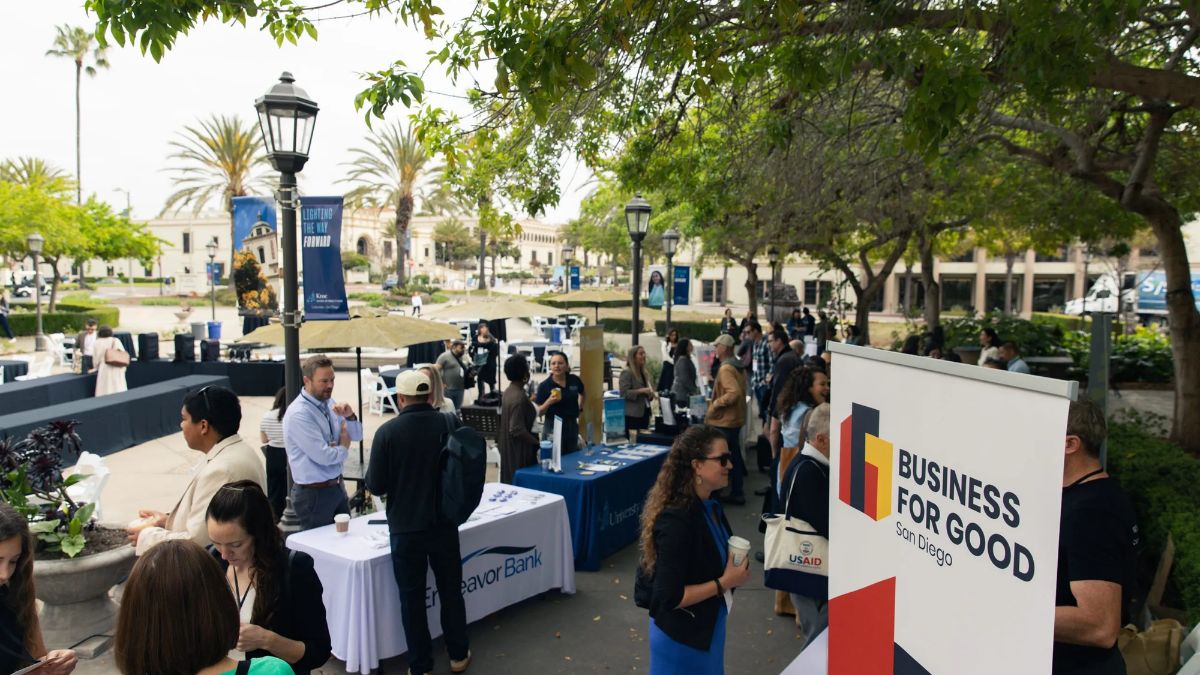
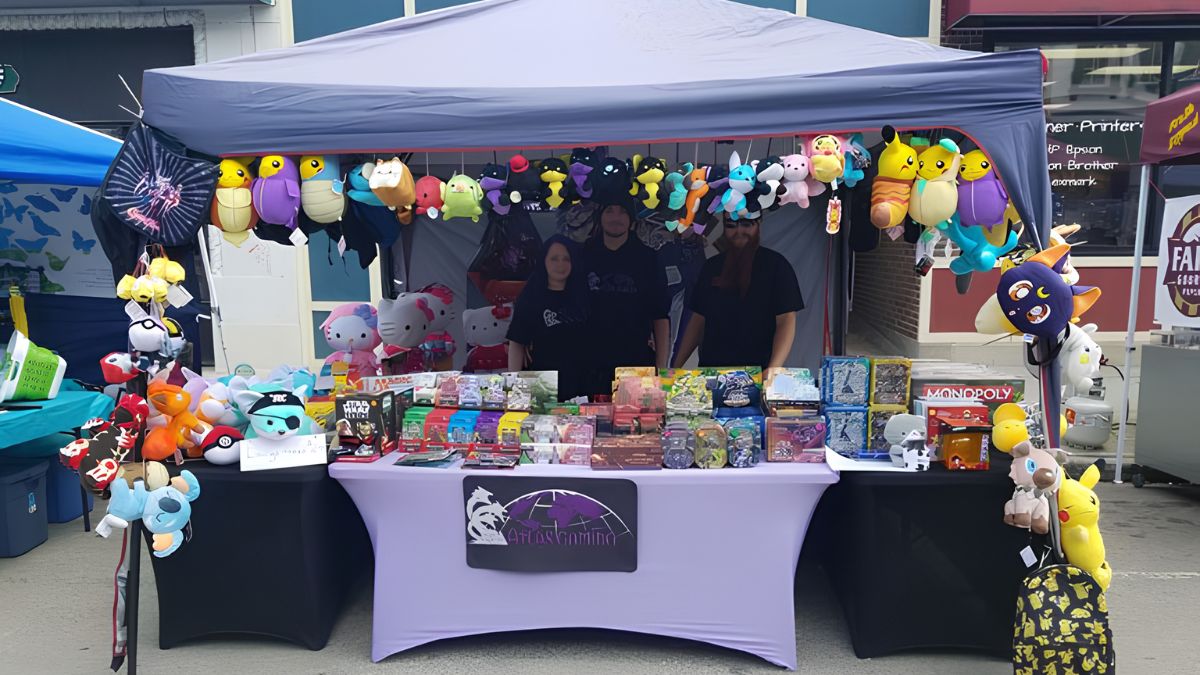
Neighborhood events offer businesses an opportunity to introduce their products and services through direct interaction. Community markets, cultural celebrations, nonprofit fundraisers, school activities, and seasonal gatherings can bring together residents who may be interested in local businesses.
The most appropriate events depend on the company’s products, services, and target customers. A restaurant might offer samples at an authorized event, while a retailer could display selected products. A repair specialist could explain common maintenance issues, and a professional services firm might distribute educational materials.
Businesses should assess the likely audience before committing money or staff time. An event with substantial attendance may still provide limited commercial value if visitors are unlikely to need the company’s services.
Owners should ask organizers about expected attendance, vendor fees, available facilities, event rules, and opportunities to promote participating businesses. They should also confirm whether permits, insurance, or other approvals are necessary.
For smaller companies, starting with one or two suitable events can be more manageable than committing to a full calendar of activities. This approach allows owners to evaluate the experience before increasing their involvement.
Visibility
Community activities can increase awareness of a business, but visibility needs to be supported by accurate and accessible information.
When residents encounter a business at an event, they should be able to understand what it offers, where it operates, and how to contact it. Clear signage, concise printed materials, business cards, and a useful website can make the next step easier.
A business might include a telephone number, operating hours, service descriptions, and a QR code linking to its website or booking page. The information should be consistent across printed materials and online listings.
Maintaining an accurate Google Business Profile can also help potential customers find a business after an event. Eligible businesses can use their profiles to manage information that may appear in Google Search and Maps.
Business owners can consult the official Google Business Profile Help Center for guidance on managing their listings.
Online visibility should complement, rather than replace, personal connections. Someone who meets a business owner at a community event may later search for the company online before deciding whether to make a purchase.
Consistent contact details, current opening hours, and clear service information help support that decision.
Trust
Trust develops through repeated interactions and reliable service. Community involvement can give residents opportunities to learn about a business before deciding to become customers.
A business can support its neighborhood in practical ways, such as contributing supplies to an approved community initiative, sharing useful information, or helping organize an educational activity. These contributions can demonstrate involvement without requiring every interaction to become a sales pitch.
For instance, an accountant could deliver a general workshop on organizing financial records for small businesses. A hardware retailer might share seasonal home maintenance guidance, while a restaurant could support a local fundraising event.
The value of these activities depends on their relevance and quality. Business owners should provide accurate information, explain any limitations, and avoid making claims they cannot substantiate.
Reliability after an event is equally important. If a company promises to provide a quotation, answer a question, or contact a potential customer, it should follow through within the agreed timeframe.
Positive experiences can encourage residents to return and recommend the business to others. Although referrals cannot be guaranteed, consistent service and honest communication can help create the conditions for them.
Customers
Community engagement becomes more useful when businesses provide interested people with a clear way to take the next step.
A resident who visits a booth may not be ready to purchase immediately. However, an introductory offer, a booking invitation, or information about the company’s services can make it easier to reconnect later.
A restaurant might provide an event-specific discount, while a salon could offer a first-visit package. An accounting firm might invite interested business owners to schedule an initial consultation.
Promotional offers should have clear terms, including expiration dates, eligibility requirements, and any restrictions. Businesses should also ensure that discounts support their financial objectives rather than creating costs they cannot sustain.
Collecting contact details requires appropriate care. Businesses should explain why they are requesting information and obtain suitable permission before sending marketing communications. They should also protect customer information and comply with applicable privacy and marketing requirements.
Instead of collecting large numbers of contacts without a clear purpose, companies should focus on people who have expressed genuine interest in their products or services.
A smaller group of relevant contacts may provide more useful opportunities for follow-up than a larger list of people with little interest in the business.
Promotion
Promoting an event before it takes place can help businesses reach residents who might otherwise be unaware of the activity.
Companies can announce their participation through social media, email newsletters, storefront notices, and their websites. Messages should include practical details, such as the event location, date, time, and the activities or offers available.
Partners should coordinate their announcements so that the information remains consistent. A shared promotional schedule can help prevent confusion and reduce duplicated effort.
Local event calendars and community pages may offer additional exposure, provided businesses follow their posting guidelines. Owners should prioritize channels that reach their intended customers rather than distributing the same advertisement across every available platform.
After an event, businesses can thank organizers, acknowledge partners, and share appropriate photographs or updates. They should obtain permission where required before publishing identifiable images of attendees, especially children, and follow the event’s photography rules.
Post-event communication also provides an opportunity to continue useful conversations. A business might answer questions raised during the event or share additional information requested by visitors.
The goal is to remain accessible without sending excessive promotional messages.
Networking
Relationships with other business owners can create referral opportunities that extend beyond individual events.
Companies often encounter customers who need services they do not provide. A real estate professional may know people looking for cleaning services, while a printer might regularly work with businesses that need graphic design. A restaurant may also develop relationships with nearby offices seeking catering services.
These connections are most valuable when referrals reflect the customer’s actual needs. Businesses should understand the services offered by their partners and avoid recommending providers solely because they have agreed to exchange referrals.
Networking can begin with informal introductions, business association meetings, joint promotions, or community gatherings. Owners do not need an extensive network immediately. A few relevant relationships can provide a practical starting point.
The U.S. Small Business Administration offers guidance on marketing, sales, and business management through its official Marketing and Sales resource.
Business owners can use such resources to review their marketing objectives and consider how networking fits into their broader customer acquisition plans.
It is also useful to agree on expectations when referrals become a regular arrangement. Participants should clarify how introductions will be made, whether customers have agreed to be contacted, and whether any financial arrangements apply.
Measurement
Community engagement requires time, planning, and sometimes direct expenditure. Measuring results helps business owners determine whether their activities are contributing to their goals.
Before attending an event or starting a partnership, establish a specific objective. The objective might be to increase awareness, attract qualified inquiries, generate sales, or establish relationships with other businesses.
Different activities require different measurements.
| Activity | What to measure |
|---|---|
| Community event | Relevant inquiries and subsequent visits |
| Joint promotion | Referrals and attributable sales |
| Event sponsorship | Engagement and follow-up inquiries |
| Networking meeting | Qualified contacts and new partnerships |
| Special offer | Redemptions and associated revenue |
| Educational workshop | Attendance and consultation requests |
Businesses can use simple tracking methods, such as unique promotional codes, customer feedback questions, and spreadsheets recording event-related inquiries.
Costs should also be recorded. These may include registration fees, promotional materials, travel, staff hours, and products provided to participants.
Immediate revenue is not the only possible benefit. An event may help a business develop useful relationships or introduce its services to potential customers who purchase later. Nevertheless, owners should assess these benefits realistically and avoid attributing every subsequent sale to a particular activity without supporting information.
Reviewing results across several events can help identify the most productive audiences, partnerships, and promotional methods.
Consistency
Regular participation can help a business remain familiar to residents, but community engagement should fit its available resources.
A small retailer might attend selected seasonal markets, collaborate with another business every few months, and maintain an active online profile. A professional services firm might focus on business networking and occasional educational sessions.
The right schedule depends on staffing, costs, customer demand, and the time required to provide normal services.
Businesses should also review their approach periodically. An event that once attracted relevant customers may become less useful, while a new partnership may offer access to a more suitable audience.
Feedback from organizers, partners, and customers can help owners identify changes worth making. Reviewing expenses and results can also show whether an activity should be repeated, modified, or discontinued.
Community engagement is most manageable when it forms part of a broader plan rather than becoming a series of unrelated commitments.
Resources
Local organizations and public agencies can help businesses identify opportunities, understand requirements, and improve their marketing practices.
The City of San Diego’s official website provides information about city services, community programs, and public resources. Businesses should check the relevant department for current details about permits, events, or activities within its jurisdiction.
Because San Ysidro is part of the City of San Diego, the appropriate city department may be a useful starting point for businesses seeking information about municipal programs. Event-specific requirements can differ according to the location, organizer, and type of activity.
Owners can also contact event organizers directly to ask about participation opportunities and eligibility. Nonprofit organizations and local business networks may have their own calendars, sponsorship arrangements, or vendor application processes.
Checking official information before making commitments can help businesses avoid misunderstandings about deadlines, fees, and participation requirements.
For small businesses in San Ysidro, community partnerships and neighborhood events can provide practical opportunities to develop visibility, reach relevant audiences, and build customer relationships.
Results depend on selecting suitable activities, offering genuine value, communicating clearly, and following up consistently. By tracking costs and outcomes, business owners can identify which connections support their goals and make informed decisions about future community involvement.
FAQs
How can San Ysidro businesses attract local customers?
They can build partnerships, participate in neighborhood events, and maintain accurate online listings.
Which events can small businesses participate in?
Consider community markets, cultural celebrations, nonprofit fundraisers, and neighborhood gatherings.
How do community partnerships help businesses?
They create opportunities for referrals, shared promotions, and connections with relevant audiences.
How can businesses measure event marketing results?
Track inquiries, referrals, offer redemptions, attributable sales, and participation costs.
Should businesses collect contact details at events?
They should explain the purpose, obtain appropriate permission, and protect customer information.

![Heavy traffic and long lines of cars waiting at the San Ysidro border crossing during a busy shopping rush[cite: 3].](https://sanysidrochamber.org/wp-content/uploads/2026/10/Getting-Around-San-Ysidro-During-Shopping-Rushes-and-Border-Delays-What-Travellers-Should-Plan-For.jpg)