![Heavy traffic and long lines of cars waiting at the San Ysidro border crossing during a busy shopping rush[cite: 3].](https://sanysidrochamber.org/wp-content/uploads/2026/10/Getting-Around-San-Ysidro-During-Shopping-Rushes-and-Border-Delays-What-Travellers-Should-Plan-For.jpg)
San Ysidro is an important travel and shopping destination in southern San Diego County, located near the United States-Mexico border. Its proximity to the San Ysidro Port of Entry, local shopping areas, and major road connections makes it a busy place for residents, shoppers, commuters, and international travellers. During holidays, seasonal shopping periods, and cross-border travel peaks, movement through the area can become more complicated than usual.
Traffic congestion, longer border crossing waits, crowded parking facilities, and changes in public transport demand can affect travel plans. Visitors who intend to shop, meet family, attend appointments, or cross the international border may need to allow additional time and consider alternative transportation options.
Knowing the area’s transportation network before leaving can help travellers make more informed decisions. Checking current traffic conditions, confirming border wait times, and planning parking arrangements are practical steps that can reduce uncertainty. With a little preparation, visitors can navigate San Ysidro more efficiently during periods of increased activity.
Traffic
Road congestion is one of the main considerations when travelling through San Ysidro during busy periods. Interstate 5 and Interstate 805 are important routes serving the southern San Diego area, while local roads connect residential neighborhoods, commercial destinations, shopping facilities, and border crossing approaches.
During holiday weekends, major shopping periods, and peak commuting hours, these roads may experience heavier traffic. Congestion can also develop around shopping centre entrances, parking access points, intersections, and roads leading toward the international border.
Travellers should distinguish between ordinary road traffic and traffic associated with border crossings. A queue approaching the port of entry can affect nearby roads, but road congestion does not necessarily indicate that every border inspection lane is experiencing the same delay.
Before leaving, check current traffic information rather than relying entirely on previous experience. The California Department of Transportation provides transportation information and resources for California motorists. Travellers can also use official traffic services and navigation applications to identify reported incidents, road closures, and alternative routes.
Leaving earlier than usual may provide a useful buffer, particularly when attending a scheduled appointment or travelling to the airport. However, the amount of extra time required depends on the destination, time of day, road conditions, and border activity.
Border
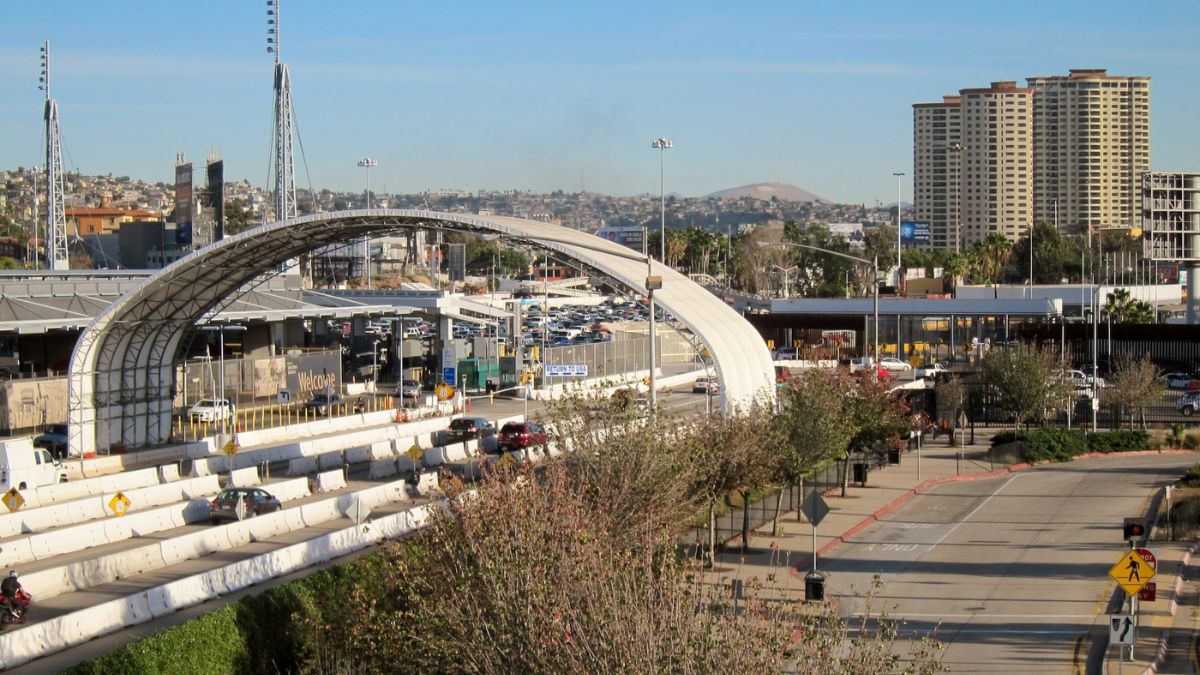
The San Ysidro Port of Entry connects San Diego with Tijuana, making it one of the most significant international crossing points in the region. Travellers may use it for shopping, work, family visits, medical appointments, tourism, or other personal and business purposes.
Border crossing times can vary substantially according to the direction of travel, inspection requirements, lane availability, and overall demand. A wait experienced during one trip should not be treated as a reliable prediction for the next.
Before travelling, determine which crossing direction applies to your journey. Travellers entering the United States from Mexico face different procedures from those travelling south into Mexico. Vehicle crossings, pedestrian crossings, and special processing lanes may also have different operating arrangements.
The official U.S. Customs and Border Protection website provides travel information, entry requirements, and resources for people entering the United States. Its Border Wait Times service allows travellers to check reported waiting times at participating ports of entry.
Review the information close to departure and again if conditions change during the journey. Travellers should also confirm that they have the necessary travel documents and understand the requirements applicable to their circumstances.
Holidays
Holiday periods can bring several sources of congestion together. Retail shopping increases vehicle movements around commercial areas, while family visits, tourism, and cross-border travel add demand to roads and public transport.
The weeks surrounding major shopping holidays may be particularly busy near retail destinations. Thanksgiving weekend, the December holiday season, and certain long weekends can bring changing traffic patterns, although the exact effects vary from year to year.
Travellers should avoid assuming that all busy periods follow the same schedule. A weekday morning may be congested because of commuting, while a weekend afternoon may be affected by shopping traffic or border queues.
If a visit is flexible, consider travelling outside the busiest hours and checking the opening hours of the intended destination. Some businesses may adjust their schedules during holidays, and public transport services may operate modified timetables.
For shopping trips, planning the sequence of stops can also reduce unnecessary driving. Visiting destinations in a logical order may help avoid repeated journeys through congested roads and reduce the time spent searching for parking.
Parking
Parking can become a significant concern during busy shopping periods. Spaces near popular stores and commercial areas may fill quickly, while vehicles entering and leaving parking facilities can create additional congestion.
Before driving to a shopping destination, check whether it has dedicated parking, public parking facilities, time restrictions, or fees. Business websites and official property information may provide details about parking availability and access arrangements.
Travellers should not assume that a parking space will remain available simply because the destination is outside central San Diego. Demand can be concentrated around specific retail locations and border-related facilities.
When practical, consider parking once and walking between nearby destinations rather than moving the vehicle repeatedly. This approach may reduce time spent in queues and make it easier to visit several businesses within the same area.
Drivers should also follow posted signs, respect accessible parking requirements, and avoid leaving vehicles in unauthorized spaces. During congested periods, taking a few minutes to identify an appropriate parking location can prevent unnecessary delays and parking violations.
Transit
Public transportation can provide an alternative to driving, particularly when parking is limited or road congestion is heavy. The San Diego Metropolitan Transit System operates trolley and bus services serving communities across the region, including the San Ysidro area.
The UC San Diego Blue Line trolley connects San Ysidro with destinations farther north, including central San Diego and other regional connections. For some travellers, using the trolley can reduce the need to drive through crowded commercial areas or search for parking near the border.
Service frequency, operating hours, and travel times can vary. Travellers should check the schedule before leaving, especially during holidays or planned service changes.
The official San Diego Metropolitan Transit System website provides information about routes, schedules, fares, service alerts, and trip planning.
Public transportation may be especially useful for visitors whose plans involve a small number of destinations along an established route. However, travellers with heavy shopping bags, mobility requirements, or destinations far from transit stops may need to combine transit with walking or another form of transport.
Before choosing an option, compare the complete journey rather than considering only the time spent on the trolley or bus. Walking distances, transfer times, service intervals, and the location of the final destination can all affect the overall trip.
Walking
Walking may be practical for short trips within commercial areas or between nearby transport stops and shopping destinations. During periods of road congestion, walking can sometimes be more predictable than driving a short distance.
However, pedestrian conditions vary across San Ysidro. Some destinations are connected by sidewalks and established pedestrian routes, while others may require crossing busy roads or navigating areas with limited pedestrian access.
Use marked crossings, follow pedestrian signals, and avoid walking along freeway ramps or other restricted areas. Travellers should also remain aware of traffic when entering or leaving parking facilities, where vehicles may be moving slowly but visibility can be limited.
Those carrying shopping bags or travelling with children should allow additional time for crossing roads and moving between destinations. Comfortable footwear, drinking water during warm weather, and awareness of local conditions can make walking more manageable.
Travellers crossing the international border on foot should follow designated pedestrian routes and the instructions of border officials. They should confirm the appropriate crossing location and available services before beginning the journey.
Planning
A practical travel plan should account for the full journey, not just the time required to reach San Ysidro.
Start by identifying the main destination, the expected arrival time, and whether the trip involves an international crossing. Then consider road traffic, parking, public transportation, and the possibility of delays.
For cross-border travel, separate the estimated time needed to reach the port of entry from the time spent waiting for inspection. These are different parts of the journey, and conditions affecting one may not accurately predict the other.
For shopping trips, check store hours and consider visiting less time-sensitive destinations first. If an appointment follows the shopping trip, allow a buffer rather than assuming that every stop will take the expected amount of time.
A simple checklist can help organize the journey:
| Planning task | What to confirm |
|---|---|
| Route | Current traffic and reported incidents |
| Border crossing | Direction, wait times, and documents |
| Parking | Location, fees, and restrictions |
| Public transit | Schedule, fares, and service alerts |
| Shopping | Opening hours and destination order |
| Timing | Extra time for queues and unexpected delays |
Travellers should review the plan before departure and make adjustments if conditions change. A route that appears convenient earlier in the day may become less suitable as congestion develops.
Safety
Busy roads and crowded shopping areas require attention to personal and vehicle safety. Drivers should avoid using phones while driving, maintain a safe following distance, and follow directions from traffic officers.
When traffic slows near shopping areas or border approaches, sudden lane changes and attempts to bypass queues can create hazards. Following marked lanes and allowing other vehicles sufficient space can help traffic move more safely.
Travellers should secure shopping purchases and avoid leaving valuables in visible locations inside parked vehicles. When parking in unfamiliar areas, note the vehicle’s location and check any time limits or payment requirements.
People carrying luggage or travelling with children should establish a clear meeting point if the group becomes separated. Those crossing the border should keep essential travel documents accessible and follow official instructions.
During particularly busy periods, it is also sensible to avoid rushing to meet a timetable that no longer reflects actual conditions. If delays become substantial, notify anyone expecting you and revise the schedule when possible.
Alternatives
Driving is not always the most convenient option for every journey. Depending on the destination and purpose, travellers may benefit from combining transport methods.
Someone visiting a shopping area near a trolley station might drive to an appropriate parking location farther from the busiest streets and complete the remaining journey by public transport. Another traveller may choose to visit during a quieter period instead of travelling at the height of a holiday rush.
For cross-border journeys, the choice between pedestrian and vehicle crossings depends on personal requirements, available facilities, luggage, mobility, and the intended destination on the other side of the border. Travellers should check current official information before choosing a crossing method.
Ride-hailing services may provide flexibility for some local trips, but pickup locations, availability, and pricing can change when demand rises. Travellers should confirm the pickup point and follow local restrictions rather than assuming a vehicle can collect them directly from any location.
Alternative arrangements are most useful when they are planned in advance. Waiting until congestion develops can limit the available choices and make it more difficult to reach the intended destination on time.
Preparation
Getting around San Ysidro during shopping peaks, holidays, and cross-border travel surges requires a combination of preparation and flexibility. Traffic conditions, parking availability, transit schedules, and border waiting times can change throughout the day, so information gathered before departure should be checked again when necessary.
Travellers who review official resources, choose suitable transportation, confirm documents, and allow additional time are better positioned to manage unexpected delays. For some journeys, driving may remain the most practical choice. For others, public transportation, walking, or a combination of options may provide a more convenient alternative.
The most suitable plan depends on the destination, travel direction, schedule, and individual needs. By checking current conditions and remaining prepared to adjust their plans, visitors can navigate San Ysidro more confidently during periods of increased activity.
FAQs
When is traffic busiest in San Ysidro?
Traffic may increase during commuting hours, major shopping periods, holidays, and border travel peaks.
Where can I check San Ysidro border wait times?
Use the official U.S. Customs and Border Protection Border Wait Times website.
Can I use public transportation in San Ysidro?
Yes. MTS trolley and bus services connect San Ysidro with other parts of the region.
Should I allow extra time for cross-border travel?
Yes. Account for road traffic, border queues, inspections, and document requirements.
How can I reduce shopping-related travel delays?
Check store hours, plan parking, compare transport options, and avoid peak periods when possible.