Organising a group dining experience in San Ysidro can be straightforward when the details are agreed upon before everyone arrives. Whether you are arranging a family meal, a birthday gathering, a casual dinner with friends, or a business lunch, a little preparation helps the group enjoy the occasion without unnecessary confusion over costs, food choices, or seating arrangements.
San Ysidro’s position near the United States-Mexico border makes it a practical meeting point for people travelling from different areas. However, group plans can become complicated when guests have different budgets, dietary requirements, arrival times, and expectations about the meal. One person may prefer a quick, affordable lunch, while another may want a longer sit-down dinner. Some guests may need vegetarian or allergy-aware options, and others may be working around public transportation or cross-border travel.
The solution is to agree on a few essentials early: how much everyone is comfortable spending, what the restaurant needs to accommodate, how many people will attend, and when the reservation should be made. With these decisions in place, you can choose a suitable venue and give guests clear information before the event.
Budget
Money is often the most sensitive part of a group meal. People may be comfortable spending different amounts, and an unclear budget can lead to awkward conversations when the bill arrives. Setting a spending limit before choosing a restaurant helps everyone understand what to expect.
Start by asking guests to share a comfortable price range per person. Instead of asking everyone to disclose their personal finances, offer a simple guideline, such as an affordable meal, a mid-range dinner, or a special-occasion experience. Once you have a general idea, choose a restaurant whose menu fits most of the group.
Remember that the menu price is not necessarily the final cost. Drinks, appetizers, desserts, taxes, and tips can increase the total. If the group agrees to a maximum of $30 per person, for example, selecting a meal that costs $29 before tax and gratuity may push the final bill beyond the limit.
A practical budget should account for the complete dining experience, not just the main course.
| Expense | Planning consideration |
|---|---|
| Main meal | Check the typical cost of an entree |
| Drinks | Decide whether beverages are included |
| Starters | Agree whether to order shared appetizers |
| Tax | Allow for applicable sales tax |
| Tip | Clarify how gratuity will be handled |
| Extra costs | Consider parking or transportation |
For a group of ten people with a target of $30 per person, the planned spending limit would be $300 before any additional costs not included in that estimate. Confirm whether the limit is intended to cover the entire bill or just the food.
Avoid choosing a restaurant based on its cheapest menu item alone. Review the wider menu and make sure guests with different preferences can find suitable options within the agreed range.
Preferences
Before booking, collect the group’s basic dining preferences. This does not need to become a lengthy survey. A short message asking about cuisine, preferred meal time, dietary restrictions, and accessibility needs will usually provide enough information to begin narrowing down the options.
San Ysidro offers access to a range of dining choices, including casual restaurants and places serving Mexican and other international cuisines. The best option depends on the group’s priorities. A casual restaurant may work well for a relaxed family gathering, while a quieter venue with table service may be better for a business meal or formal celebration.
Ask whether guests have a preference for indoor or outdoor seating, a quick meal or a longer visit, and a restaurant where conversation is easy. If children or older adults are attending, consider comfortable seating, restroom access, and how far guests need to walk from parking or public transportation.
Try to distinguish between preferences and requirements. Someone preferring a particular cuisine may be flexible, but a guest with a serious food allergy needs the restaurant to address that concern directly.
Once you have gathered responses, look for a restaurant that meets the group’s most important needs rather than attempting to satisfy every minor preference. Share the shortlist with the group if there are two or three equally suitable choices.
Dietary
Dietary needs should be discussed early because they can affect the restaurant choice and reservation arrangements. Guests may be vegetarian, vegan, gluten-free, or avoiding certain ingredients for religious, medical, or personal reasons. Some may also have food allergies that require additional precautions.
Ask guests to share relevant requirements privately if they would rather not discuss them in a group chat. You do not need to ask for personal medical details. You simply need to understand what the restaurant must accommodate.
After selecting a possible venue, review its menu and contact the restaurant if the information is incomplete. Ask whether it can prepare suitable meals, accommodate ingredient exclusions, and explain how it manages food allergies. Menu labels alone may not establish whether a dish is safe for someone with a serious allergy.
For example, a vegetarian dish may be cooked using a shared grill, while a meal described as gluten-free may still carry a risk of cross-contact during preparation. The restaurant should explain its practices clearly enough for the guest to make an informed decision.
The U.S. Food and Drug Administration provides information about food allergies and the major food allergens that consumers should know about. Its resources can help organisers understand why direct communication with the restaurant matters.
Official reference: U.S. Food and Drug Administration: Food Allergies.
Once the restaurant confirms what it can provide, communicate the options to the relevant guests. Do not promise that a restaurant can meet a dietary requirement until you have checked with its staff.
Reservations
A reservation is especially useful when several people are dining together. Even if a restaurant accepts walk-ins, a large group may have to wait for enough seats or be divided across separate tables. Booking ahead gives the restaurant time to prepare and helps you establish a clear arrival plan.
Begin by confirming the approximate number of attendees. If some people are uncertain, ask them to respond by a specific date. You can then make a reservation based on the most reliable headcount rather than guessing.
When contacting the restaurant, provide the information it needs to assess the booking:
- The date and preferred dining time.
- The expected number of adults and children.
- Any high chairs, wheelchair access, or other seating requirements.
- Important dietary restrictions or allergy concerns.
- Whether the group wants one table or can accept adjacent tables.
- Any special occasion or timing considerations.
Ask about the restaurant’s policies for large parties. Some venues may require a deposit, a credit card to hold the reservation, a set menu, or a minimum spending commitment. Others may limit how long a table can be occupied during busy periods.
Confirm the cancellation deadline and the process for changing the guest count. These details matter because group plans often shift at the last minute.
After the reservation is confirmed, save the restaurant’s name, address, phone number, booking time, and confirmation details. Send the information to attendees so that everyone has the same instructions.
Timing
A successful group meal depends on more than the reservation time. Guests may be travelling from different parts of San Diego County or arriving after crossing the border. Traffic, public transportation delays, and difficulty finding the entrance can affect arrival times.
Choose a meeting time that gives guests a reasonable chance to arrive before the reservation. If the table is booked for 6:30 p.m., for example, you might ask everyone to meet at 6:15 p.m. at a clearly identified location near the restaurant. Adjust this buffer according to the size of the group and how familiar guests are with the area.
Avoid selecting a meeting point that is vague, such as “outside the shops.” Instead, name the restaurant entrance or another specific, easy-to-identify location. If the group includes people who are unfamiliar with San Ysidro, send the address and a map link in advance.
Guests travelling by trolley or bus should check current schedules and service information before leaving. The San Diego Metropolitan Transit System provides information about regional transit services, routes, and trip planning.
Official reference: San Diego Metropolitan Transit System.
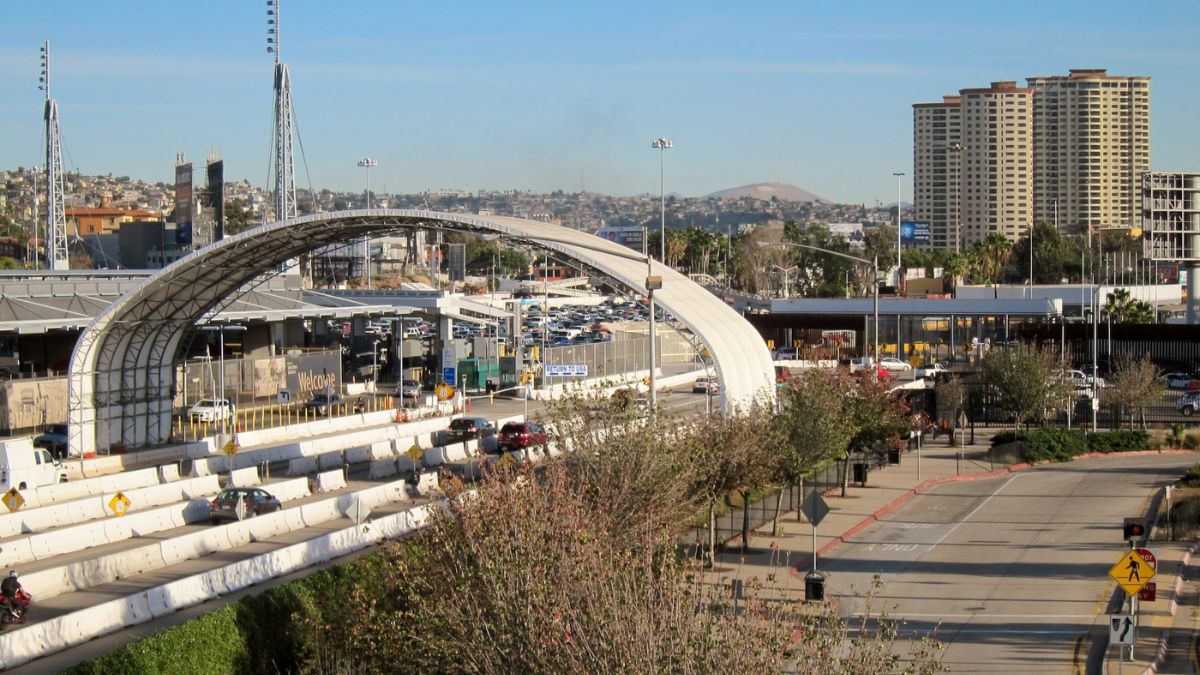
If guests are crossing the international border, they should allow additional time for border processing and check official travel guidance. Do not assume everyone will arrive at the same time simply because they have the same destination.
Official reference: U.S. Customs and Border Protection: Travel.
Payments
Decide how the group will pay before the meal begins. This small step can prevent a long discussion when everyone is ready to leave.
There are three common approaches. Guests can pay individually, the organiser can pay the entire bill and collect contributions later, or the group can split the total evenly. Each method works in different circumstances, but the choice should reflect the restaurant’s payment policies and the group’s expectations.
Individual payment is often the simplest option when guests order meals at different prices. However, some restaurants may not permit separate checks for large parties. Ask about this when booking rather than discovering the restriction at the end of the meal.
An even split may be convenient for shared appetizers or a celebratory dinner, but it can feel unfair if one guest orders substantially less than others. If you plan to split the bill, explain the arrangement in advance and check that everyone agrees.
For a shared payment, one organiser can track the final total and request contributions through an agreed payment method. Keep the calculation transparent, including tax, gratuity, and any agreed shared items. Do not assume that everyone has the same preferred payment app or can make an immediate digital transfer.
A useful rule is to keep the payment arrangement simple, voluntary where possible, and consistent with the budget agreed before the event.
Communication
A group chat or email thread can keep everyone informed without requiring repeated individual messages. Use it to share the reservation details, estimated cost, menu link, transport suggestions, and payment plan.
Keep the message focused on decisions guests need to make. Ask them to confirm attendance by a clear deadline and mention that dietary requirements should be shared before the booking is finalised.
You can also assign one person to coordinate arrivals and another to communicate with the restaurant if the group is particularly large. This avoids a situation where several people contact the venue with different headcounts or conflicting requests.
A short message might include the following details:
- Restaurant name and address.
- Reservation date and arrival time.
- Estimated cost per person.
- Attendance confirmation deadline.
- How guests should report dietary needs.
- Whether payment will be separate or shared.
Once the arrangements are confirmed, send one final summary. If the venue or time changes, update the whole group rather than relying on word of mouth.
Contingencies
Even well-organised plans can change. A guest may cancel, the restaurant may be unable to accommodate a request, or the group may arrive later than expected. Having a backup plan makes these situations easier to manage.
Choose a second restaurant in the same general area if the original venue cannot meet the group’s needs. It does not need to be booked in advance, but it should have a suitable price range, enough seating potential, and food options that work for the group.
Check the restaurant’s late-arrival policy and keep its phone number accessible. If several guests are delayed, contact the venue rather than assuming the table will be held indefinitely.
For a larger group, establish a deadline for final attendance confirmations. If the number changes after the reservation is made, inform the restaurant as early as possible. This is particularly important if the booking involves a deposit or a fixed menu.
It is also worth considering mobility and weather. If guests will walk from a transit stop, confirm that the route is practical for everyone attending. For outdoor dining, ask whether the restaurant has indoor seating available if conditions change.
Checklist
Use this simple checklist to confirm the essential arrangements before the event.
Dining plan
0 of 10 completeSet a realistic spending limit per personConfirm attendance and the final headcountCollect dietary needs and accessibility requestsCompare suitable restaurants and menusCheck separate-payment and gratuity policiesMake and confirm the reservationShare the address and meeting timeCheck transit routes and travel timesSend the final plan to all attendeesKeep the restaurant’s phone number available
Reset checklist
A group dining experience in San Ysidro is easier to organise when everyone knows the budget, the restaurant can accommodate dietary needs, and the reservation reflects the actual number of guests. Confirming payment expectations, sharing accurate travel details, and preparing for last-minute changes can reduce confusion and help the group focus on the occasion. A thoughtful plan does not need to be complicated. It simply needs to give everyone enough information to arrive prepared, order comfortably, and enjoy the meal together.
FAQs
How early should I book group dining?
Book as early as practical, especially for large groups or busy dates.
How should I set a dining budget?
Include food, drinks, tax, tips, and any shared costs.
When should I share dietary requirements?
Tell the restaurant before booking or as soon as possible.
Should everyone pay separately?
Ask the restaurant about separate checks and agree on a plan beforehand.
What if guests arrive late?
Set a meeting time and contact the restaurant if delays affect the booking.

![Heavy traffic and long lines of cars waiting at the San Ysidro border crossing during a busy shopping rush[cite: 3].](https://sanysidrochamber.org/wp-content/uploads/2026/10/Getting-Around-San-Ysidro-During-Shopping-Rushes-and-Border-Delays-What-Travellers-Should-Plan-For.jpg)