Buying gifts and souvenirs in San Ysidro can be an opportunity to find useful keepsakes, locally relevant products, and thoughtful presents for friends and family. Located near the United States-Mexico border, San Ysidro serves residents, commuters, and visitors who may be shopping for personal items, celebration gifts, or reminders of their time in the area. The best purchase is not necessarily the cheapest one. It is the product that suits the recipient, reflects the place or occasion, and offers reasonable quality for its price.
With different products, sellers, and price points to consider, it helps to shop with a clear idea of what you need. A souvenir may look attractive on a shelf but have limited practical value, while a simple handmade item or locally inspired gift may be more meaningful. Labels, materials, packaging, and seller information can also help you assess what you are buying.
Whether you are shopping for a small token, a cultural gift, clothing, accessories, or something for a special occasion, comparing options carefully can make the experience more rewarding. A few straightforward checks can help you manage your budget, avoid misleading product claims, and choose items that are appropriate for the people receiving them.
Relevance
A good gift feels connected to the recipient or the occasion. Before shopping, consider who will receive the item and what they are likely to appreciate. A family member may prefer a practical household product, while a friend might value a decorative keepsake, regional food item, accessory, or piece of clothing.
San Ysidro’s location near the border can make cross-cultural themes relevant when selecting gifts. However, a product does not automatically become locally meaningful simply because it is sold in the area. Look for items that have a clear connection to the place, the maker, a cultural tradition, or the recipient’s interests.
For example, a locally inspired design, an item from a clearly identified regional maker, or a useful product associated with a shared memory may feel more personal than a generic souvenir. If you are buying for someone who appreciates art or craftsmanship, pay attention to the design and materials rather than choosing only by appearance.
It is also worth considering how the gift will be used. A decorative item may be ideal for someone who enjoys collecting souvenirs, but it may not suit a recipient with limited space. For frequent travellers, lightweight and compact gifts are often easier to carry.
Selection
Once you know what type of gift you want, narrow your choices by category. This prevents you from spending too much time browsing products that do not fit your needs.
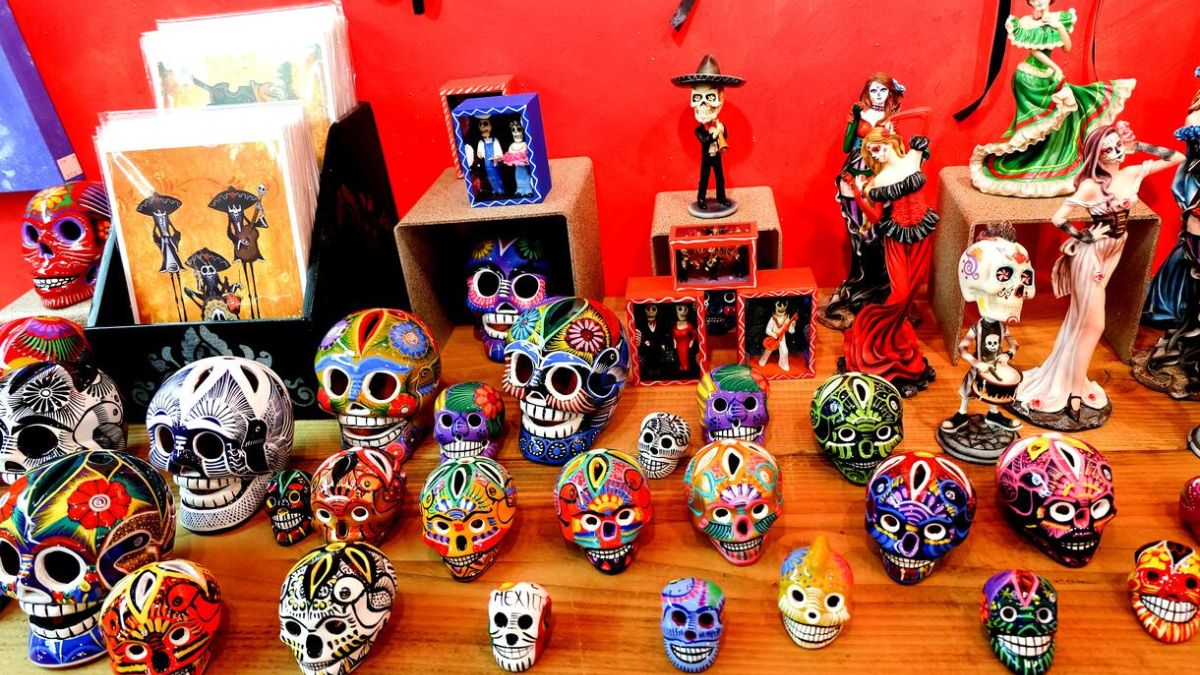
Common options include decorative souvenirs, clothing, accessories, small household items, packaged treats, and gifts for children. Each category requires different checks. Clothing needs suitable sizing and durable stitching, while decorative objects should be checked for cracks, loose parts, and fragile finishes. Packaged food requires attention to ingredients, storage conditions, and expiration dates.
A simple shopping plan can help you compare items consistently.
| Gift category | What to check | Practical consideration |
|---|---|---|
| Decorative souvenirs | Finish, material, and construction | Consider fragility and display space |
| Clothing | Fabric, seams, sizing, and care instructions | Confirm fit and return options |
| Accessories | Clasps, stitching, and material details | Check durability and comfort |
| Packaged food | Ingredients, seal, and expiration date | Consider allergies and travel rules |
| Children’s gifts | Age guidance and small parts | Check safety information |
| Handmade products | Maker information and craftsmanship | Ask what makes the item distinctive |
A product’s category does not determine its quality. A modestly priced item can be well made, while a more expensive product may offer little additional value. Evaluate each item based on its actual features and intended use.
Quality
Quality is one of the most useful factors to assess before making a purchase. It affects how long a gift lasts, how well it performs, and whether it is likely to satisfy the recipient.
Begin with a visual inspection. Look for uneven stitching, weak seams, loose components, chipped surfaces, poor finishing, or packaging that appears damaged. For clothing, examine the fabric and stitching around stress points such as pockets, cuffs, and fasteners. For accessories, check whether zippers, clasps, and closures work properly.
If the item is intended for regular use, consider its functionality as well as its appearance. A bag may look attractive but have weak handles. A decorative object may have an appealing design but be unstable or difficult to transport. Small defects may be acceptable for a low-cost novelty, but they matter more when the item is meant to last.
Labels can provide useful information about materials, care instructions, manufacturing origin, and safety. Read them carefully instead of relying solely on a seller’s verbal description. If an item is advertised as leather, sterling silver, or another specific material, ask whether the claim is supported by a label, hallmark, product documentation, or other credible evidence.
For handmade goods, slight differences between items may be part of the production process rather than a defect. Even so, inspect the individual piece you intend to buy. Craftsmanship and condition should both influence your decision.
Pricing
Comparing prices helps you understand whether an item offers reasonable value. A single price tag provides limited information, particularly when similar-looking products differ in size, materials, workmanship, or packaging.
Where possible, compare at least two or three similar items. Check whether they have the same dimensions, features, and material composition. A larger or better-finished product may justify a higher price, while a cheaper option may be suitable if you only need a small token.
Remember to compare the final cost rather than the displayed price alone. Sales tax, gift packaging, delivery, and payment-related fees may affect the total. If you are buying several gifts, these additional expenses can add up.
For example, imagine you need five gifts and want to spend no more than $20 per person. Your merchandise budget would be $100 before any additional costs. If wrapping and tax push the total beyond that amount, you may need to choose lower-priced items or reduce spending in another category.
A simple budget table can make the decision easier.
| Planning item | Example amount |
|---|---|
| Number of gifts | 5 |
| Target budget per gift | $20 |
| Merchandise budget | $100 |
| Additional costs | Set aside separately |
| Final spending limit | Confirm before checkout |
These figures are illustrative rather than local price estimates. Actual prices depend on the retailer, product, and applicable taxes.
Be cautious about discounts that create pressure to buy immediately. A crossed-out price does not automatically prove that the current price is a good deal. Focus on the product’s condition, comparable prices, and whether you would still want it without the promotion.
Authenticity
Authenticity matters when a product is described as handmade, locally produced, culturally significant, or made from a particular material. These descriptions can influence the price, so it is reasonable to ask what they mean.
Start by reading the product label and asking the seller specific questions. If a product is promoted as handmade, find out whether it was made by an individual artisan, produced in small batches, or manufactured elsewhere and decorated locally. If the seller claims that an item comes from a particular region, ask whether the origin is identified on the packaging or supported by other documentation.
Avoid assuming that a design, symbol, or cultural motif proves where an item was made. Similar designs may be used by manufacturers in different locations. Likewise, attractive packaging does not establish authenticity.
For products made from precious metals or gemstones, look for appropriate markings and documentation, and consider an independent assessment for higher-value purchases. For branded merchandise, examine the seller’s reputation, labels, product details, and return policy. An unusually low price can be a reason to investigate further, although price alone does not prove that an item is counterfeit.
When authenticity is important to the gift, keep the receipt and any accompanying documentation. These records can help if you need to return the item or clarify a claim later.
Sellers
The seller is another important part of the buying decision. A retailer that provides clear product information, understandable prices, and a practical return policy makes it easier to shop with confidence.
Check whether prices are displayed clearly and whether the seller can explain the product’s materials, origin, or care requirements. If an item is expensive or fragile, ask how it should be stored or transported. For gifts that may need exchanging, review the return window, condition requirements, and whether refunds or store credit are offered.
Receipts are useful even for relatively small purchases. They record the date, price, and seller, and may be needed for returns or warranty claims. Keep receipts for higher-value items and gifts that could require proof of purchase.
When shopping at small independent stores or markets, treat each seller and product individually. Independent businesses may offer distinctive items and personal service, but that does not mean every product is handmade or locally sourced. Ask clear questions and evaluate the evidence provided.
For information about consumer rights and reporting problems, the Federal Trade Commission provides guidance on shopping and consumer protection.
Official reference: Federal Trade Commission.
Transport
A gift should remain in good condition after you buy it. Consider how you will carry it, especially if you plan to visit several stores or continue travelling after shopping.
Lightweight, compact products are usually easier to manage than bulky or fragile purchases. If you buy ceramics, glassware, or other breakable items, ask whether the seller offers protective packaging. Keep fragile objects separate from heavier goods and avoid placing pressure on delicate surfaces.
If you are using public transportation, consider the size and weight of your bags before making additional purchases. A product that is convenient to carry at the store may become uncomfortable during a longer journey.
Travellers crossing an international border should also check the current rules that apply to the items they intend to carry. Food, agricultural products, and certain other goods may be subject to restrictions or declaration requirements. Rules can vary by product and destination, so do not assume that an item can be carried across the border simply because it is available for sale.
Official reference: U.S. Customs and Border Protection.
If you are travelling by bus or trolley, review current service information and plan a route that allows you to carry your purchases comfortably.
Official reference: San Diego Metropolitan Transit System.
Planning
A little preparation can make gift shopping more efficient. Write down the people you are buying for, the approximate amount you want to spend on each gift, and any preferences or restrictions that matter.
You do not need to decide on every item in advance. Instead, use your list to set priorities. Start with gifts that are difficult to replace or that require careful comparison, then move to smaller souvenirs and incidental purchases.
If you are buying for several people, avoid spending most of your budget on the first attractive item you see. Keep track of purchases as you go and leave room for tax and packaging. Taking a photograph of a product label or price tag can also help you compare options without relying on memory.
Before paying, complete a final check:
- Is the item suitable for the recipient?
- Does its quality match the price?
- Are claims about materials or origin clear?
- Is the final price within your budget?
- Can you carry and store it safely?
- Do you understand the seller’s return policy?
- Will any travel or border restrictions apply?
These checks take only a few moments but can prevent avoidable problems.
Choosing gifts and souvenirs in San Ysidro is ultimately about finding a sensible balance between meaning, quality, price, and confidence in what you are buying. A thoughtful purchase does not have to be expensive, and a locally relevant gift does not need to be elaborate. By comparing similar products, checking materials and labels, asking sellers direct questions, and planning for transport, you can make more informed decisions and select items that recipients will genuinely appreciate.
FAQs
What makes a souvenir locally relevant?
Its design, origin, maker, or connection to the area can make it meaningful.
How can I compare gift quality?
Inspect materials, construction, labels, and overall condition.
How do I check product authenticity?
Review labels, ask about origin, and request supporting documentation.
Should I keep receipts for souvenirs?
Yes. Receipts can help with returns, exchanges, or product concerns.
Can I take every souvenir across the border?
No. Check current rules for restricted or declarable goods before travelling.

![Heavy traffic and long lines of cars waiting at the San Ysidro border crossing during a busy shopping rush[cite: 3].](https://sanysidrochamber.org/wp-content/uploads/2026/10/Getting-Around-San-Ysidro-During-Shopping-Rushes-and-Border-Delays-What-Travellers-Should-Plan-For.jpg)