Moving to a new neighbourhood involves more than finding a place to live. New residents also need to learn where to shop, how to access local services, where to meet people, and how to become familiar with the community around them. In San Ysidro, a welcoming environment can make this transition easier by connecting newcomers with neighbourhood networks, community events, and reliable local information.
San Ysidro’s location near the United States-Mexico border gives the community a distinctive regional context. Residents may have different cultural backgrounds, languages, family circumstances, and daily travel needs. Some may be moving from another part of San Diego County, while others may be adjusting to a new city or country. Their circumstances can differ, but practical guidance and opportunities to build relationships can help them feel more connected.
Welcoming new residents does not always require a large event or an organised programme. A friendly introduction, a useful list of local services, or an invitation to a neighbourhood gathering can make a meaningful difference. When residents, community groups, local organisations, and businesses work together, they can help newcomers develop a better understanding of the area and build connections at a comfortable pace.
Connections
Neighbourhood connections are often the first step towards helping newcomers feel at home. Simple interactions with neighbours can provide reassurance, answer everyday questions, and introduce residents to people who know the area well.
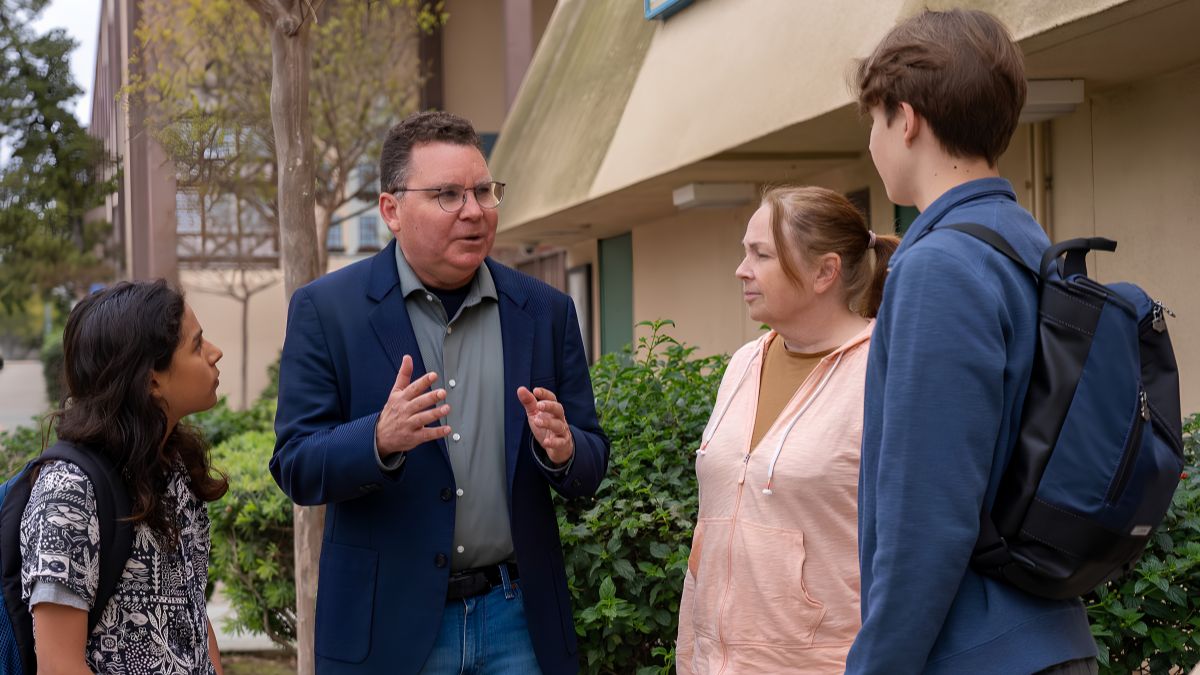
A friendly welcome might include introducing yourself, sharing information about nearby shops, or explaining how to find a local park or community facility. These conversations do not need to be formal. In many cases, a brief introduction and an offer to answer questions are enough to help someone feel more comfortable.
Neighbours can also share practical information that is not always easy to find online. For example, they may know which streets have regular community activities, where families gather, or how residents typically access local services. This informal knowledge can complement official resources, although important information about eligibility, safety, and public services should always be checked with the relevant organisation.
Respect for personal boundaries is equally important. Not every newcomer will want immediate social contact, and some may prefer time to settle in before joining activities. A welcoming approach should make invitations available without creating pressure to participate.
Neighbourhood associations, tenant groups, parent networks, and community organisations can help extend these connections beyond individual households. Where such groups exist, sharing their contact details with new residents can provide a practical starting point for building relationships.
Information
Reliable local information helps new residents manage everyday tasks with greater confidence. People who have recently moved may need to identify healthcare providers, schools, public transportation options, libraries, parks, food assistance programmes, and other community services.
A simple welcome guide can bring these details together in one place. It should prioritise useful information rather than attempting to describe every service available in the area.
| Information category | Useful details to include |
|---|---|
| Transportation | Nearby transit stops, route information, and trip-planning resources |
| Education | School district contacts, enrolment guidance, and family resources |
| Healthcare | Clinics, community health services, and emergency information |
| Public services | City service contacts, waste collection information, and local facilities |
| Community activities | Libraries, parks, public events, and neighbourhood organisations |
| Everyday needs | Grocery stores, pharmacies, and other essential services |
| Support programmes | Food assistance, housing resources, and relevant community organisations |
Whenever possible, include official websites, telephone numbers, physical addresses, and opening hours. Information should be checked regularly because service availability and operating schedules can change.
For city-related services, the City of San Diego website provides information about municipal departments, public facilities, and community resources. Residents can use it to identify the appropriate department for questions about local services.
Transportation is another priority for newcomers. The San Diego Metropolitan Transit System provides route, schedule, and trip-planning information for public transit. Sharing this resource can help residents understand their travel options before they become familiar with the area.
A welcome guide should also explain where to find help if someone does not understand a form or online service. Clear directions, plain language, and contact information can make official resources easier to use.
Events
Community events give new residents an opportunity to meet people naturally. Instead of relying only on introductions between neighbours, gatherings create a shared activity that can make conversation easier.
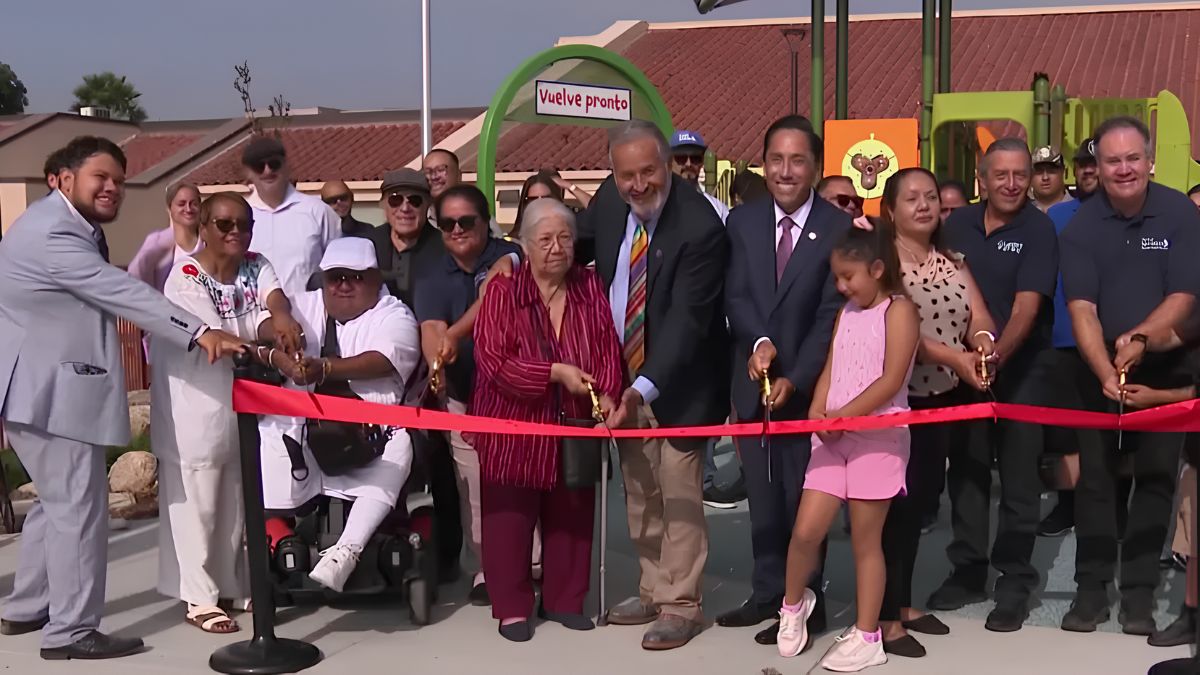
Suitable events may include neighbourhood clean-ups, community picnics, cultural celebrations, family activities, craft workshops, local markets, and informal meet-and-greet sessions. The right format depends on the interests of residents, the available space, and the resources of the organisers.
Smaller events can be particularly useful for people who feel uncertain about joining a large gathering. A library activity, a walking group, or a casual coffee meeting may provide a less intimidating introduction to community life.
Organisers should aim for activities that are accessible to people with different schedules and needs. Free or low-cost events can reduce financial barriers, while clear information about location, transport, accessibility, and registration helps people decide whether to attend.
Events should also reflect the community’s diversity. San Ysidro residents may have different cultural traditions, preferred languages, and family routines. Inviting residents to suggest activities can help organisers avoid making assumptions about what newcomers will enjoy.
A practical event announcement should include the date, time, location, cost, age suitability, accessibility information, and a contact for questions. If registration is required, explain how to sign up and whether walk-ins are accepted.
Community gatherings are most effective when they offer more than a one-time welcome. Repeating popular activities gives newcomers another chance to attend if they cannot make the first event and helps relationships develop over time.
Inclusion
A welcoming community recognises that residents may experience the same neighbourhood in different ways. Language, disability, age, income, cultural background, and familiarity with local systems can influence how easily someone becomes involved.
Language access is one important consideration. If organisers know that residents use different languages, they can provide translated announcements where practical or ask bilingual volunteers to help explain essential details. The goal is to make participation easier without assuming that everyone from a particular background speaks the same language.
Accessibility matters too. Event organisers should consider step-free access, seating, restroom facilities, nearby transit, and whether information is available in formats that people can understand. Families with young children may appreciate child-friendly activities, while older residents may prefer events with convenient seating and manageable travel distances.
Financial inclusion deserves attention. Activities that require expensive tickets, meals, equipment, or transport can unintentionally exclude residents who would otherwise like to participate. Community groups can consider free venues, shared supplies, public spaces, and partnerships with local organisations to keep costs manageable.
Most importantly, participation should be voluntary. New residents should feel free to observe, attend occasionally, or contribute in ways that suit their circumstances. A strong neighbourhood offers opportunities for connection without treating social participation as an obligation.
Partnerships
Local organisations and businesses can help expand the support available to newcomers. Schools, libraries, community centres, nonprofit groups, faith communities, and small businesses may already have established relationships with residents and knowledge of local needs.
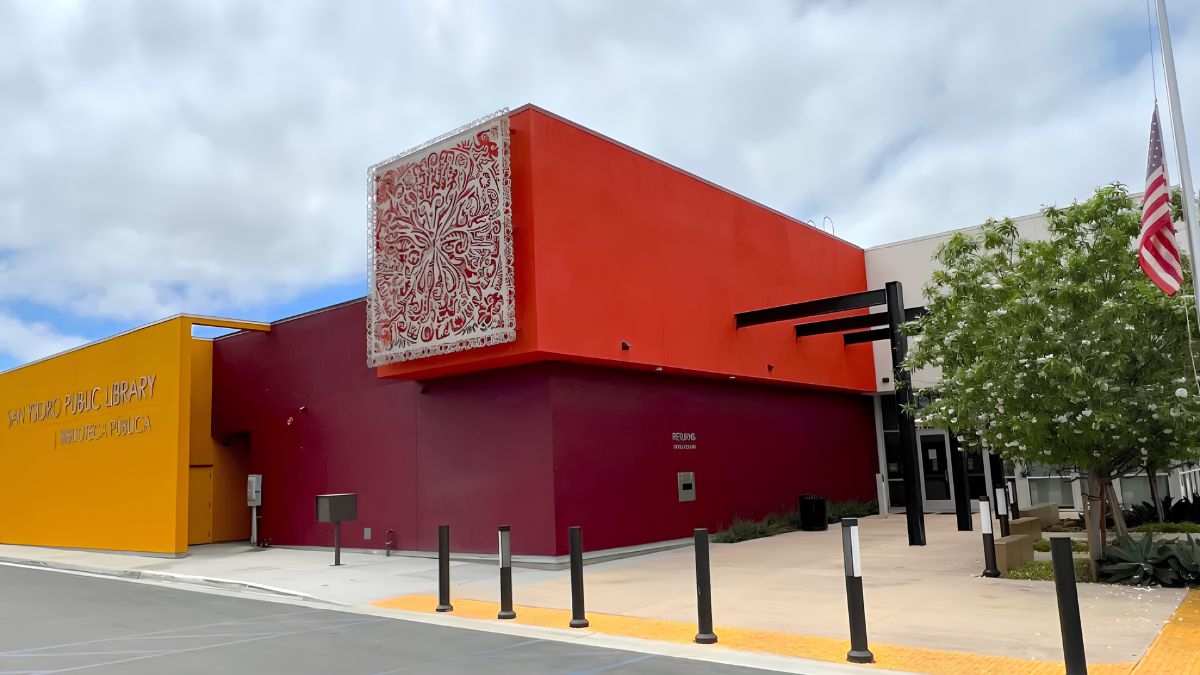
Partnerships allow organisers to share responsibilities. A library might provide space for an information session, a community organisation might help distribute resource lists, and local businesses might display event notices or contribute supplies to a neighbourhood gathering.
Before arranging a partnership, organisers should clarify the purpose of the activity and the responsibilities of each participant. They should agree on who will communicate with residents, confirm venue arrangements, manage registrations, and update shared information.
Businesses can also welcome newcomers through practical gestures. A shop might display a community information board, provide clear information about its products and services, or share details about public events. These activities can help residents learn about local amenities while giving businesses an opportunity to become more connected to the neighbourhood.
However, community initiatives should not become a way to pressure residents into purchases or collect unnecessary personal information. Participation should be based on clear expectations, and any information collected for event registration should be handled responsibly.
Partnerships work best when they respond to genuine local needs. Organisers can ask residents what information they lack, which activities they would attend, and what barriers make participation difficult. Feedback can then guide the next stage of planning.
Safety
Feeling welcome also means feeling safe and knowing where to find help. New residents may be unfamiliar with local emergency procedures, street layouts, public transportation facilities, or the appropriate contacts for reporting problems.
A welcome guide can distinguish between emergencies and routine service requests. It should provide accurate emergency contact information and direct residents to official sources for non-emergency matters. Organisers should avoid circulating unverified claims about neighbourhood safety or presenting personal opinions as established facts.
Community groups can support safety through well-organised public activities, clear event instructions, and appropriate arrangements for children and vulnerable participants. For larger gatherings, organisers should identify responsible contacts, consider crowd management, and explain what attendees should do if an issue arises.
Digital community groups can also be useful, but they require thoughtful moderation. Local social media pages and messaging groups may help residents ask questions, exchange recommendations, and learn about events. Clear rules can reduce harassment, misinformation, and the sharing of private information without consent.
Residents should be encouraged to verify important announcements through official channels. This is especially relevant for information about public services, road closures, school procedures, emergency notices, and eligibility for assistance programmes.
Participation
A welcoming initiative should provide several ways for residents to become involved. Some people enjoy attending gatherings, while others prefer helping with a practical task or receiving information without joining a group.
Organisers can offer a range of opportunities, including volunteering at an event, contributing suggestions, sharing a verified resource, helping translate a notice, or participating in a neighbourhood improvement project. Clear, manageable roles make it easier for people to contribute without taking on commitments they cannot maintain.
It is also helpful to ask newcomers what would make the transition easier. A short conversation or optional feedback form can reveal gaps in the welcome process. Residents might request information about childcare, transportation, local activities, or how to contact a particular service.
Feedback should lead to visible improvements. If people repeatedly report that event notices are difficult to understand, organisers can simplify the language. If attendance is low because gatherings take place at inconvenient times, they can test different schedules.
A community initiative does not need complex measurements to assess progress. Organisers can track attendance, repeat participation, the number of resource guides distributed, and feedback from residents. These indicators provide a basic picture of whether activities are reaching people and meeting their needs.
Action
Residents and organisations can begin with a manageable plan rather than waiting for a large community programme to take shape.
1. Prepare a resource list. Collect verified information about transportation, schools, healthcare, public services, and community activities.
2. Identify local contacts. Reach out to neighbourhood groups, libraries, community organisations, and other relevant partners.
3. Arrange a simple welcome activity. Choose a free or affordable gathering with clear directions and an easy way to participate.
4. Share information consistently. Use noticeboards, community newsletters, local online groups, and partner organisations to reach residents.
5. Invite feedback. Ask newcomers which resources were useful and what information is still missing.
6. Review and update. Check contact details, remove outdated information, and adjust activities based on residents’ responses.
Starting small makes the work easier to coordinate and allows organisers to learn what is useful before expanding the programme. Consistency is often more valuable than a single large event.
Helping new residents feel welcome in San Ysidro is a shared community effort built on practical information, respectful introductions, inclusive activities, and reliable local partnerships. A neighbour who offers guidance, a community group that shares accurate resources, or an event that makes room for different needs can help newcomers feel more confident in their surroundings. Over time, these everyday actions can strengthen relationships and make it easier for residents to participate in neighbourhood life.
FAQs
How can neighbours welcome new residents?
Introduce yourself, share useful information, and offer friendly invitations.
Which resources help newcomers in San Ysidro?
Transit services, city websites, libraries, schools, and community groups help.
What events help newcomers connect?
Neighbourhood gatherings, workshops, clean-ups, and family activities can help.
How can events be more inclusive?
Offer affordable activities, accessible venues, and clear information.
How can residents find local information?
Start with official city and transit websites and verified community resources.

![Heavy traffic and long lines of cars waiting at the San Ysidro border crossing during a busy shopping rush[cite: 3].](https://sanysidrochamber.org/wp-content/uploads/2026/10/Getting-Around-San-Ysidro-During-Shopping-Rushes-and-Border-Delays-What-Travellers-Should-Plan-For.jpg)