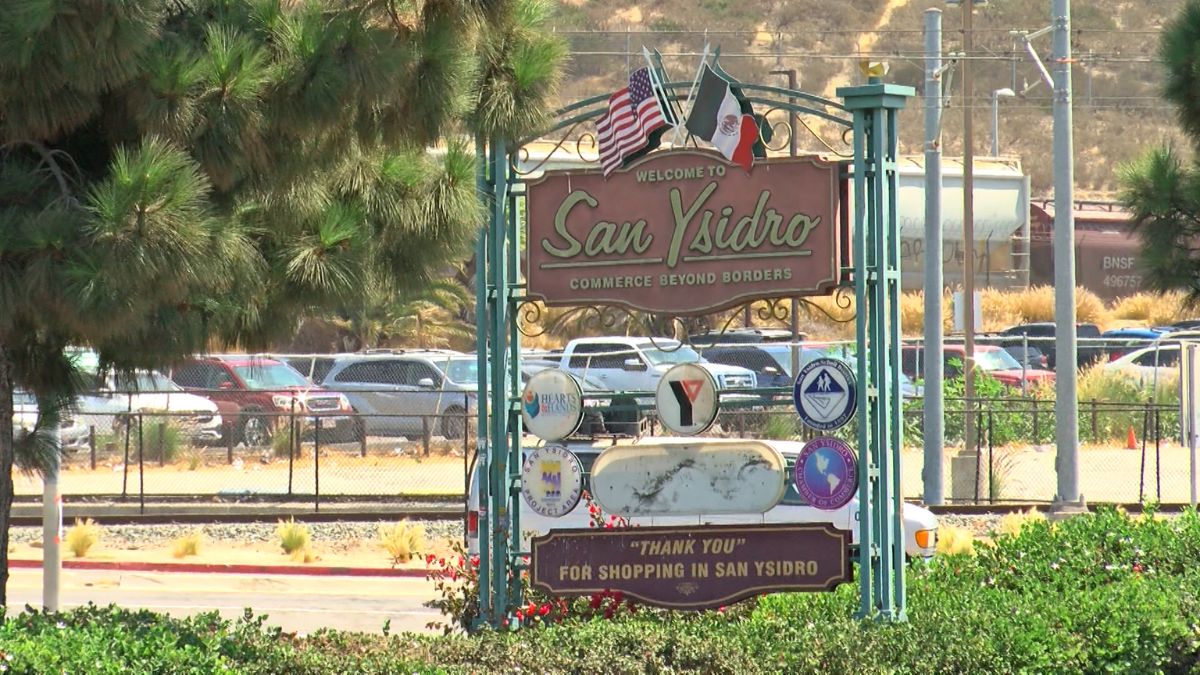
San Ysidro is an important part of the South Bay region of San Diego County, with connections to nearby communities through transportation, shopping, employment, public services and everyday social activity. Its position near the United States-Mexico border gives it a distinctive role in regional movement, while its links with areas such as Chula Vista, National City and Imperial Beach help connect residents to a wider network of opportunities.
Knowing these relationships provides a clearer picture of how neighboring communities influence one another. Transportation routes help people reach jobs and services, commercial activity supports local businesses, and shared public resources can improve access to recreation, education and community programs. Although each community has its own identity and local priorities, their connections contribute to the wider South Bay economy and quality of life.
Geography
San Ysidro is located in the southern part of the City of San Diego, close to the international border with Tijuana, Mexico. Its location makes it a significant point for cross-border travel and a gateway to other parts of the San Diego metropolitan area.
Nearby South Bay communities include Chula Vista, National City, Imperial Beach and parts of the surrounding region. These places are connected through roads, public transportation, commercial corridors and regional services. Their proximity allows residents to travel between communities for work, shopping, education, healthcare and recreation.
However, the South Bay is not a single municipality with one unified local government. Different cities and public agencies manage their own services, development decisions and infrastructure. San Ysidro is part of the City of San Diego, while neighboring incorporated cities have their own local responsibilities.
This distinction matters when residents seek information or assistance. A road issue, park improvement or development proposal may fall under different authorities depending on its location. Understanding local boundaries helps people identify the appropriate agency and avoid confusion when navigating public services.
The City of San Diego provides information about municipal services and neighborhood initiatives relevant to San Ysidro. Nearby cities publish their own resources for local residents and businesses.
Transportation
Transportation is one of the strongest links between San Ysidro and nearby South Bay communities. Residents may travel across the region for employment, education, medical appointments, shopping and family activities. Reliable connections can reduce travel difficulties and make more opportunities accessible to people who do not live near major employment or service centers.
The regional road network connects San Ysidro with Chula Vista, National City, downtown San Diego and other destinations. Interstate 5 is an important north-south route, while local streets connect residential neighborhoods with commercial areas, schools and public facilities.
Public transportation also supports these connections. The San Diego Metropolitan Transit System operates bus and trolley services that link communities and major destinations across the region. The San Ysidro Transit Center serves as an important transit location near the border, allowing passengers to connect with regional services.
Residents can check routes, timetables and service alerts through the San Diego Metropolitan Transit System. Because schedules and service conditions can change, checking current information before travelling is advisable.
Transportation access also affects local businesses. Customers are more likely to visit commercial areas when they can reach them conveniently, while employees benefit from routes that connect residential neighborhoods with workplaces. For students and older adults, accessible transit can be particularly important for maintaining independence and reaching essential services.
Nevertheless, regional mobility involves challenges. Traffic congestion, limited parking, construction, service disruptions and long travel times can affect daily routines. Improving transportation connections requires attention to both major routes and the smaller details of local travel, including sidewalks, safe crossings, transit stops and accessible paths.
Commerce
Commercial activity links San Ysidro with the wider South Bay through shopping, employment, suppliers and customer relationships. Residents often travel beyond their immediate neighborhood to compare prices, purchase specialized goods, visit restaurants or access services that are not readily available nearby.
San Ysidro’s border location contributes to its commercial character. Retail businesses, restaurants and service providers may serve local residents, visitors and people travelling between the United States and Mexico. Nearby commercial centers in Chula Vista and National City offer additional shopping and service options, creating a broader network of consumer activity.
These relationships can benefit businesses in several ways. A store may attract customers from neighboring communities because of its product selection, pricing or convenient location. Businesses may also hire workers who commute from other parts of the region, while suppliers and service companies operate across municipal boundaries.
Small businesses can contribute to this network by offering products and services that reflect local needs. Restaurants, grocery stores, repair services, independent retailers and personal-care businesses help meet everyday demand while supporting local employment.
Regional commerce also creates competition. Shoppers can compare prices and choices across several communities, which may encourage businesses to improve service, maintain product quality and provide convenient shopping experiences. At the same time, businesses must manage operating costs, staffing, transportation and changing customer demand.
Commercial connections are therefore not limited to people purchasing goods. They also involve the movement of workers, deliveries, business services and information. These everyday activities help tie neighboring communities together economically.
Employment
Employment provides another important connection between San Ysidro and nearby communities. Workers may live in one area and travel to another for jobs in retail, healthcare, education, construction, hospitality, logistics or public services.
A wider regional job market can offer more choices than any single neighborhood. However, access to those opportunities depends partly on transportation costs, travel time, work schedules and the availability of suitable routes.
For example, a worker whose shift begins early in the morning may need a reliable transportation option before frequent transit service starts. Someone working late may need to confirm that return services are available. These practical details can influence whether a job is accessible, even when the workplace is relatively close geographically.
Employers also benefit from regional connections because they can recruit from a larger pool of workers. Yet businesses may face challenges if employees struggle with long commutes or unreliable transportation.
Education and workforce development programs can strengthen these links. Training opportunities, career guidance and partnerships between employers and educational institutions may help residents prepare for jobs across the South Bay.
Regional employment is most effective when communities consider transportation, skills development and access to information together. A job opening alone may not create a realistic opportunity if the commute is too expensive or the required training is unavailable.
Services
Residents often rely on services located outside their immediate neighborhood. Healthcare providers, government offices, libraries, educational institutions and specialist services may serve people from several nearby communities.
This regional pattern can expand choice and make specialized assistance available to a larger population. However, it can also create difficulties for people who lack reliable transportation, have limited mobility or need appointments during working hours.
Public services are not always shared through one regional system. Some programs are operated by the City of San Diego, while others fall under neighboring municipalities, county agencies, school districts or regional authorities. Residents should therefore confirm eligibility, service areas, operating hours and application requirements before travelling.
San Diego County provides information about many countywide services through its official website. This can help residents identify programs and departments that operate beyond individual city boundaries.
Access to public information is equally important. Residents who understand which agency manages a service can report problems more effectively, locate relevant forms and find out whether assistance is available.
Coordination between agencies can also improve outcomes. When public organizations share accurate information and plan around regional needs, residents may find it easier to navigate services that cross municipal boundaries.
Resources
Public resources connect communities through recreation, education, health programs, transportation infrastructure and environmental facilities. Parks, libraries, sports facilities, community centers and walking routes can serve residents from several nearby areas, depending on their location and access rules.
These resources contribute to quality of life by providing spaces for exercise, learning, social interaction and community activities. Families may visit parks outside their immediate neighborhood, while students and adults may use libraries or educational facilities that offer particular programs.
Shared use does not necessarily mean that all facilities have identical policies. Opening hours, reservation requirements, fees and eligibility rules may vary by facility or managing agency. Residents should check the relevant organization’s official information before planning a visit.
Public spaces also create opportunities for regional interaction. Community events, sports activities, cultural programs and volunteer projects can bring together people from different neighborhoods. These activities may help residents discover local services and develop relationships beyond their immediate area.
At the same time, shared resources require maintenance and careful planning. High demand can place pressure on parking, facilities, restrooms and recreational equipment. Communities and public agencies may need to consider population growth, accessibility, safety and long-term upkeep when deciding where to invest.
Coordinated planning can help ensure that facilities remain useful to a broad range of residents. It can also help identify gaps where some neighborhoods have limited access to parks, public transportation or community programs.
Challenges
Although regional connections create opportunities, they can also reveal differences between communities. Housing costs, transportation access, infrastructure conditions and the availability of services may vary across the South Bay.
Residents who depend on public transportation may experience regional connections differently from people who drive. Likewise, a service that is convenient for one neighborhood may be difficult to reach from another because of route design, travel time or accessibility barriers.
Border-related travel adds another layer to San Ysidro’s regional role. International crossing times and procedures can affect travel plans, shopping patterns and employment for people who cross the border. These conditions can change, so travellers should consult official information when planning cross-border journeys.
Infrastructure decisions can also involve competing priorities. Communities may differ over road design, parking, housing development, public spending or the location of new facilities. These differences do not necessarily indicate a lack of cooperation; they reflect the varied needs and circumstances of residents.
Addressing regional challenges requires accurate information, clear communication and practical coordination. Public agencies, businesses and community organizations can help by explaining their responsibilities, sharing service updates and creating opportunities for residents to provide feedback.
Cooperation
Cooperation between neighboring communities can improve how regional needs are identified and addressed. Transportation planning, emergency preparedness, environmental protection, economic development and public health may all involve agencies whose responsibilities extend beyond one city.
Regional cooperation does not eliminate local decision-making. Instead, it provides a way to address issues that cannot be managed effectively by one municipality alone. For example, transportation routes may cross several jurisdictions, while environmental or public health concerns may affect residents across a wider area.
Residents can contribute by participating in public meetings, reviewing project announcements and contacting the appropriate agency about local concerns. Businesses can share information about workforce needs, delivery challenges and customer access. Community organizations can help residents understand services and identify issues that affect multiple neighborhoods.
It is important to distinguish between proposals, funded projects and completed improvements. Official announcements and public records can help residents understand the current status of regional initiatives and avoid relying on outdated information.
For people who live, work or shop in San Ysidro, staying informed about neighboring communities can make everyday decisions easier. A change to a transit route, a new public facility or a road improvement may affect travel and access even when the project is outside the immediate neighborhood.
Outlook
San Ysidro’s relationship with nearby South Bay communities is shaped by regular movement between neighborhoods, businesses, workplaces and public facilities. Transportation connects people to opportunities, commerce supports regional economic activity, and public resources provide services that can benefit residents across municipal boundaries.
These connections also show why local issues often have a regional dimension. A transportation problem can affect access to employment, a commercial change can influence shopping patterns, and a public facility can serve people from several communities. Understanding these relationships helps residents make better-informed choices and recognize where cooperation may be useful.
The South Bay is made up of communities with distinct identities and responsibilities, but their daily activities overlap in many ways. By using reliable public information, planning travel carefully and participating in local discussions, residents can better understand how San Ysidro fits into the wider region and how shared decisions may affect everyday life.
FAQs
Which communities are near San Ysidro?
Nearby South Bay communities include Chula Vista, National City and Imperial Beach.
How does public transit connect the South Bay?
MTS bus and trolley services connect San Ysidro with regional destinations.
How are local businesses connected across the region?
Customers, workers, suppliers and services often move between neighboring communities.
Where can residents find county service information?
The official San Diego County website lists many county programs and departments.
Why does regional cooperation matter?
It helps agencies address transportation, infrastructure and service needs across boundaries.





![Heavy traffic and long lines of cars waiting at the San Ysidro border crossing during a busy shopping rush[cite: 3].](https://sanysidrochamber.org/wp-content/uploads/2026/10/Getting-Around-San-Ysidro-During-Shopping-Rushes-and-Border-Delays-What-Travellers-Should-Plan-For.jpg)