Local planning decisions can influence everyday life in San Ysidro, from the availability of housing and the condition of neighborhood streets to the design of parks, sidewalks and public gathering spaces. These decisions often involve city departments, elected officials, planning committees and community organizations, but residents also have opportunities to share their experiences and priorities.
Participating in local planning discussions does not require professional knowledge of architecture, transportation or land use. Residents can contribute by identifying neighborhood problems, reviewing proposals, attending public meetings and submitting comments through official channels. Knowing how the process works makes it easier to raise concerns, evaluate proposed changes and follow decisions that may affect the community.
Planning
Local planning helps guide how land is used, where development takes place and how public infrastructure supports a growing community. In San Ysidro, discussions may involve housing availability, commercial development, pedestrian safety, traffic, public transportation, parks and neighborhood improvements.
Different decisions follow different processes. A long-term community plan may establish broad goals for development, while a specific housing project may require separate reviews, permits or public hearings. Street improvements can involve transportation departments, and park projects may be managed through public facilities or parks agencies.
Residents should first identify the type of decision they want to influence. Is the concern about a proposed building, a dangerous intersection, a lack of shade along sidewalks or the maintenance of an existing public space? Knowing the issue helps residents locate the responsible department and the relevant meeting or consultation.
The City of San Diego provides information about planning activities, land use and development through its Planning Department website. Residents can use official city resources to learn about planning initiatives, review available documents and identify opportunities to participate.
Housing
Housing discussions often focus on affordability, availability, building design, neighborhood services and the relationship between new development and existing infrastructure. Residents may have different priorities depending on their circumstances. Renters may be concerned about housing costs and stability, while homeowners may focus on neighborhood changes, traffic or access to services.
Participating constructively begins with understanding the proposal. If a housing development is being considered, review the available plans and supporting documents. These may explain the proposed number of homes, building height, parking arrangements, access points and nearby improvements.
Residents can then identify specific questions. For example, will the project provide safe pedestrian access? How will vehicles enter and leave the site? Are nearby sidewalks, transit connections or public facilities adequate for the expected activity? What environmental or infrastructure issues have been identified in the review process?
It is useful to separate concerns about a project’s details from broader questions about housing policy. A discussion about building design may be addressed through a project review, while affordability, housing supply or tenant protections may require a different policy process.
Residents should also check whether a project is accepting public comments and whether a formal hearing has been scheduled. Some decisions have specific deadlines or legal requirements for public participation. Submitting comments before the stated deadline helps ensure that feedback reaches the appropriate decision-makers.
Streets
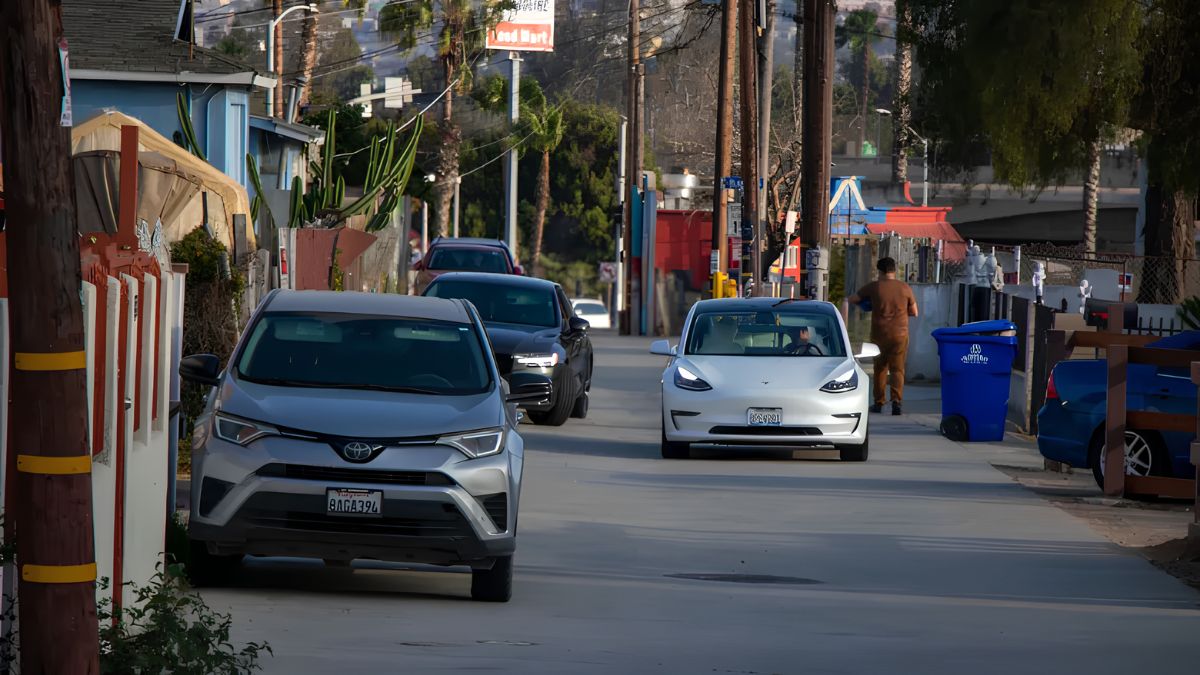
Street planning affects how residents walk, cycle, drive, use public transportation and access local businesses. Common neighborhood concerns include speeding vehicles, unsafe crossings, damaged sidewalks, poor lighting, blocked curb ramps and limited space for people walking or using mobility devices.
When raising a street-related concern, describe the location as precisely as possible. Include the street names, nearest intersection, direction of travel and time of day when the problem is most noticeable. Specific information gives transportation staff a clearer starting point for evaluating the issue.
Residents can also explain how a problem affects daily activities. For example, a crossing may be difficult for children walking to school, or a missing curb ramp may prevent someone using a wheelchair from reaching a bus stop safely.
Photographs can help document visible conditions when they are taken safely and without trespassing. A short written record of recurring problems can also be useful. Avoid photographing or sharing identifiable personal information unnecessarily.
Not every street concern requires a major planning meeting. Routine maintenance problems may be handled through a service request, while changes to traffic signals, crossings, street design or parking may involve a more formal review.
The City of San Diego’s Transportation Department provides information about transportation-related services and projects. Residents should check the relevant official channels to determine whether a concern belongs with transportation staff, street maintenance or another city department.
Spaces
Parks, plazas, playgrounds, community gardens and other public spaces provide places for recreation, social interaction and neighborhood activities. Their design and maintenance can affect how welcoming and useful they are for residents of different ages and abilities.
Public-space discussions may cover seating, shade, trees, lighting, play equipment, accessible paths, landscaping, restrooms and facilities for community events. Residents can contribute by describing how a space is currently used and what would make it more practical.
For example, parents may identify a need for shaded seating near a playground. Older residents may request benches along walking routes, while people with disabilities may highlight inaccessible paths or entrances. Local businesses and nearby residents may have additional observations about pedestrian movement, cleanliness or the use of surrounding streets.
It helps to distinguish between improvements that require construction and issues that can be addressed through maintenance. A broken bench may need a repair request, whereas redesigning a park entrance may require funding, consultation and project approval.
Residents should also consider how proposed changes might serve the wider community. A useful public space should be safe, accessible and practical for a broad range of users, rather than designed around the needs of only one group.
The city’s Parks and Recreation Department is a useful starting point for information about parks, recreational facilities and related public services.
Meetings
Public meetings provide opportunities to hear proposals, ask questions and submit feedback. Depending on the issue, discussions may take place through City Council meetings, planning-related hearings, community planning groups, advisory committees or project-specific workshops.
The first step is to find the meeting that actually covers the issue. A general neighborhood meeting may discuss community priorities, while a formal hearing may address a specific development application or public policy. Attending the wrong meeting can make it difficult to get a concern before the people responsible for the decision.
Check the agenda before attending. Meeting agendas typically identify the topics under discussion, the responsible body and any procedures for public comment. Supporting documents may explain proposed changes in more detail than a short announcement.
Residents should confirm the meeting date, time, location and participation options through official sources. Some meetings offer remote participation, while others require attendees to appear in person. Public-comment rules and time limits can differ, so review the instructions in advance.
The City of San Diego publishes information about City Council meetings and related official documents. Residents can use these resources to review agendas, track discussions and find out when matters are scheduled for consideration.
Community planning groups can also provide a local forum for discussing neighborhood development and land-use issues. Their role, responsibilities and relationship to city decision-making depend on the applicable rules. Residents should verify the current arrangements for the relevant San Ysidro planning group before relying on older meeting notices or contact information.
Comments
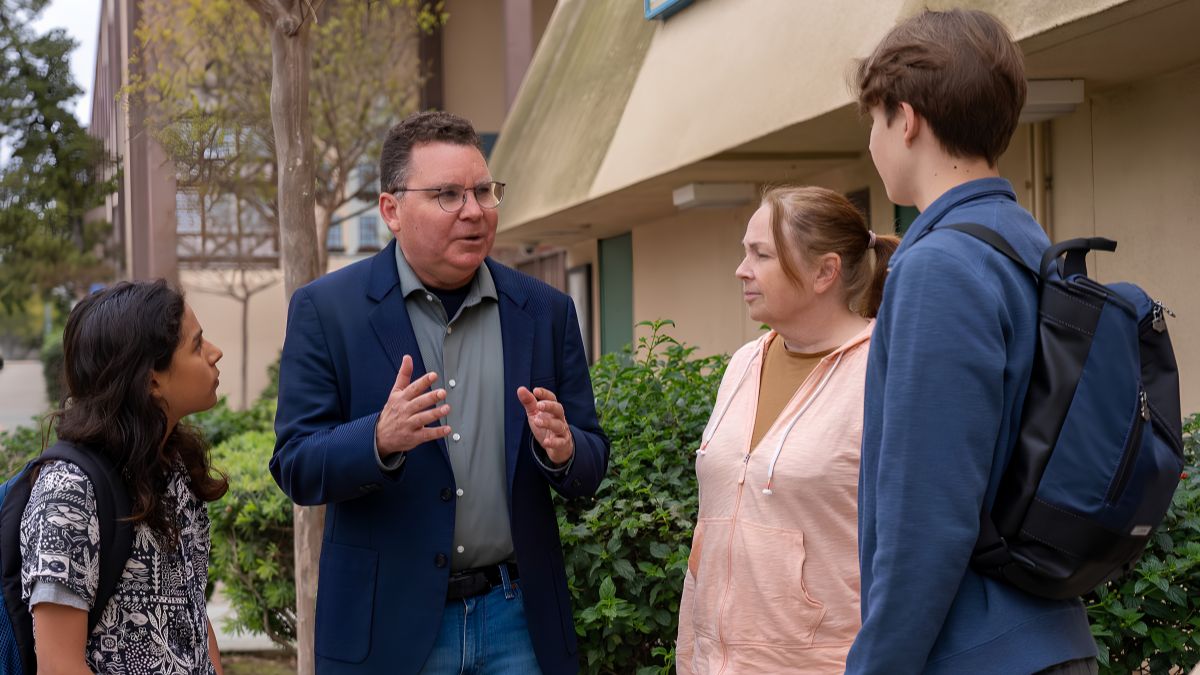
Effective public comments are clear, specific and connected to the decision being considered. Residents do not need to deliver a long speech or use technical terminology to make a useful contribution.
A simple structure can help:
- Identify the issue: State which proposal, street, building or public space you are discussing.
- Describe the impact: Explain how the issue affects residents, visitors, workers or nearby businesses.
- Suggest an action: Offer a practical improvement or ask a focused question.
- Provide evidence: Refer to a location, photograph, observation or relevant document when appropriate.
For example, rather than saying that an intersection is dangerous, a resident could explain that drivers frequently turn across a busy pedestrian crossing during school travel times and request an assessment of crossing visibility or traffic controls.
Written comments should include the name of the relevant project or agenda item, when known. If submitting feedback online or by email, follow the official instructions and retain a copy for reference.
Residents should also distinguish between personal observations and verified facts. Explaining what you have seen is valuable, but claims about traffic volumes, housing figures or project costs should be supported by reliable information when possible.
Respectful communication helps keep discussions focused on solutions. Neighbors may disagree about development, parking, housing density or street design. A useful contribution explains the concern and its reasoning without attacking people who hold different views.
Research
Reading background material before a meeting can help residents understand what is being proposed and which options remain open. Official planning documents may include maps, project descriptions, environmental reviews, staff reports, funding information and records of earlier public comments.
Start with the most recent version of the document. Older plans or meeting summaries may describe a proposal that has since changed. Check publication dates, revision notes and the project status before drawing conclusions.
It is also helpful to understand the stage of the decision-making process. Some projects are still gathering ideas, while others have moved into formal review or approval. The earlier stages may offer more room to shape alternatives, although public input can remain relevant at later stages where comments are accepted.
For housing and development matters, review the proposed land use, building dimensions, access arrangements and any identified infrastructure requirements. For street projects, look for information about pedestrian routes, transit access, parking, construction timing and safety measures. For parks and public spaces, examine the proposed facilities, accessibility features, maintenance plans and funding.
If a document is difficult to understand, residents can contact the relevant department and ask for a plain-language explanation. Asking which aspects of a proposal can still change is especially useful because not every feature is open for revision at every stage.
Follow-Up
Participation does not necessarily end when a resident attends a meeting or submits a comment. Following the process can help clarify what happened to the feedback and whether the decision has changed.
After a meeting, review published minutes, staff reports or decision notices when available. These records may explain what was discussed, which actions were approved and whether the matter was continued to a later date.
If an issue remains unresolved, identify the next responsible body or official process. A street maintenance request may require a service ticket, while a land-use proposal may return for another hearing. Keeping these pathways separate helps avoid sending the same concern to departments that cannot address it.
Residents can maintain a simple record of the project name, date of contact, submitted comments and any response received. This makes it easier to follow developments over time and provide consistent information if the issue returns to the agenda.
It is also worth sharing verified updates with neighbors who may be affected. Community groups can help distribute meeting notices, explain how to access official documents and encourage more residents to contribute. However, important dates and procedural requirements should always be checked against the official source.
Participation
Residents can make local planning discussions more useful by preparing carefully, choosing the appropriate channel and explaining how proposals affect everyday life. Housing, streets and public spaces may involve different departments and decision-making processes, but the basic approach remains similar: identify the issue, review reliable information, share specific feedback and follow the outcome.
Not every suggestion will be adopted, and public participation does not guarantee a particular result. Decisions may also depend on legal requirements, funding, technical assessments and broader community needs. Even so, clear and timely feedback can help decision-makers understand local conditions that may not be obvious from a plan or report alone.
For San Ysidro residents, participation can begin with a small step: checking a meeting agenda, reporting a sidewalk problem, reading a housing proposal or asking how a nearby public space could be improved. Consistent involvement gives residents more opportunities to understand local decisions and contribute informed perspectives on how their community develops.





![Heavy traffic and long lines of cars waiting at the San Ysidro border crossing during a busy shopping rush[cite: 3].](https://sanysidrochamber.org/wp-content/uploads/2026/10/Getting-Around-San-Ysidro-During-Shopping-Rushes-and-Border-Delays-What-Travellers-Should-Plan-For.jpg)