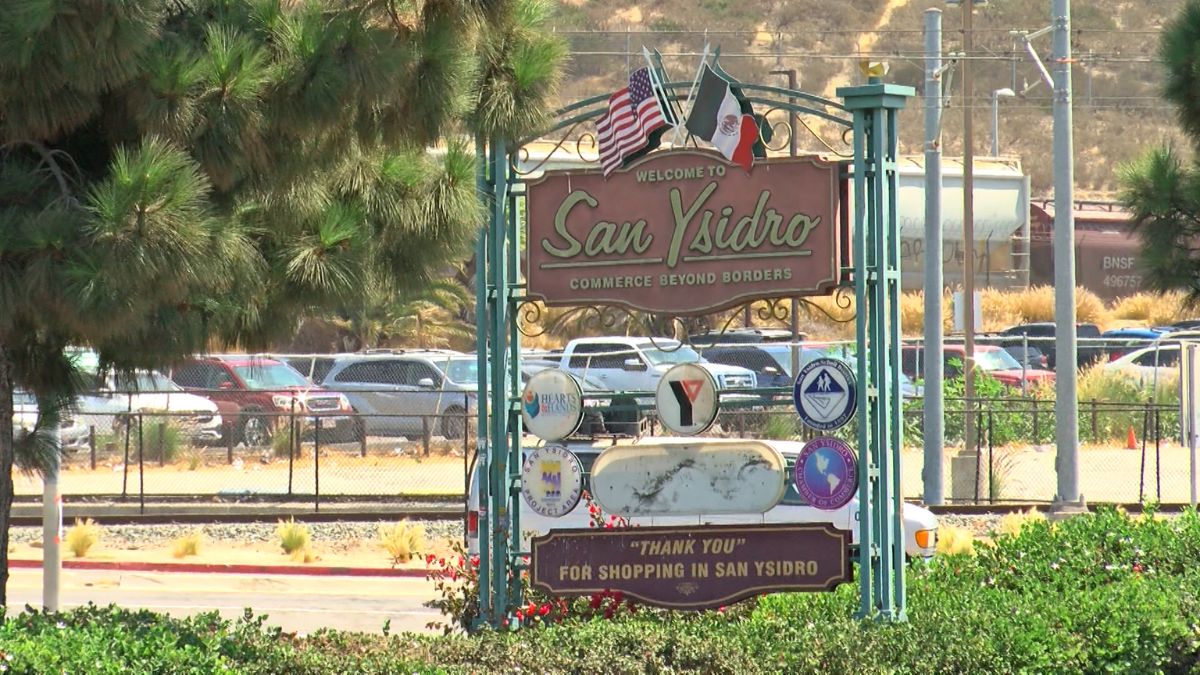
A neighborhood’s history is often preserved in everyday memories, family photographs, old letters and stories that rarely appear in official records. In San Ysidro, a community shaped by its border location, changing businesses, transportation links and generations of residents, these personal materials can help build a richer picture of how local life has evolved.
Creating a personal neighborhood history project does not require professional research experience or expensive equipment. You can begin with a few conversations, photographs from family albums and documents gathered from reliable archives. By organizing these materials carefully, recording their origins and checking important details, you can create a useful record for your family, neighbors and future generations.
Purpose
Before collecting materials, decide what you want your project to explain. A clear purpose helps you choose relevant photographs, identify interview subjects and avoid collecting more information than you can realistically organize.
You might focus on how a particular street changed over several decades, how local businesses served residents, how families experienced life near the international border, or how transportation influenced daily routines. Another approach is to document the history of a school, community gathering place, local organization or family-owned business.
A focused project is usually easier to complete than an attempt to document the entire history of San Ysidro. You can always expand it after establishing a solid foundation.
Write a short description of your project, including its subject, approximate time period and intended audience. For example, you might aim to document changes in a neighborhood commercial street from the 1970s to the present using interviews, dated photographs and public records.
It is also helpful to decide how you want to share the results. A printed booklet, digital timeline, small exhibition, family archive or online collection will each require a slightly different approach. If you plan to publish interviews or photographs publicly, consider privacy, permission and copyright from the beginning.
Interviews
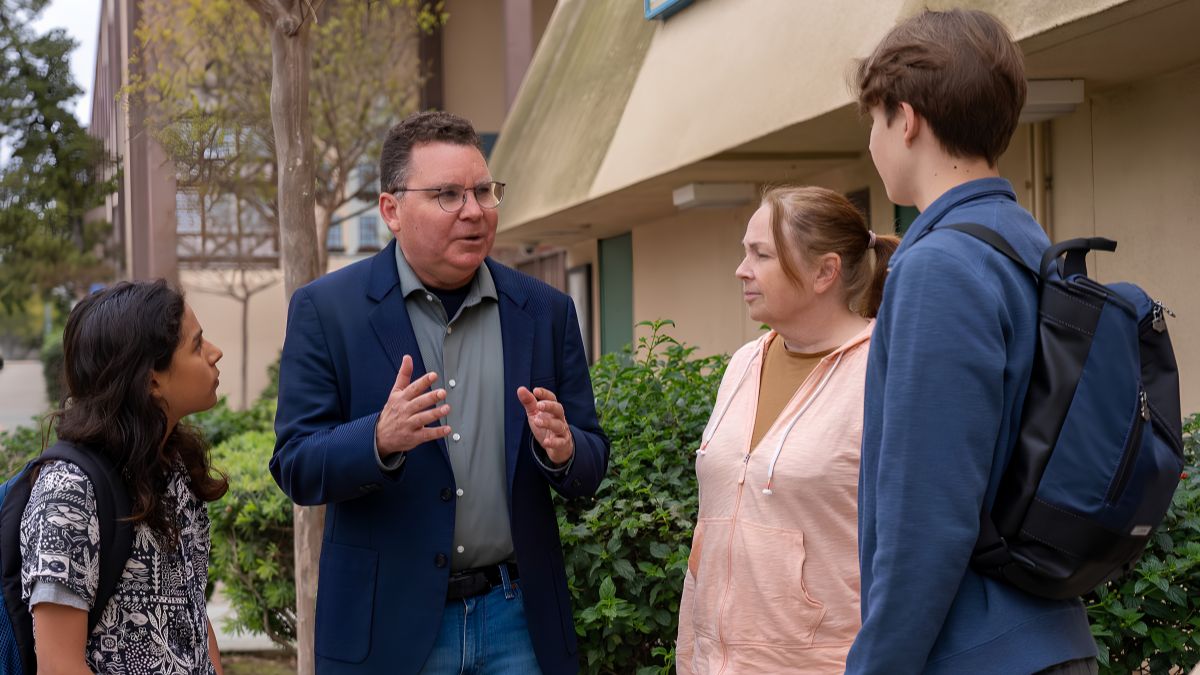
Interviews are often the most personal part of a neighborhood history project. Long-term residents may remember businesses that have closed, streets before redevelopment, community celebrations, changes in transportation or events that shaped local life.
Begin by identifying people whose experiences relate to your topic. Potential interviewees include longtime residents, former business owners, retired workers, teachers, community volunteers and people who have preserved family records. You do not need every interviewee to have lived in San Ysidro for decades. Someone who moved to the neighborhood more recently may offer valuable insight into a different period.
Prepare open-ended questions that encourage people to describe experiences in their own words. Instead of asking, “Was this street different in the past?” try asking, “What do you remember about this street when you first came here?” Follow-up questions can explore specific places, people, routines and changes.
Useful questions include:
- When did you first live, work or spend time in San Ysidro?
- What businesses or gathering places do you remember most clearly?
- How did people travel around the neighborhood?
- Which changes have had the greatest effect on daily life?
- Do you have photographs, letters or documents connected to these memories?
Ask permission before recording audio or video. Explain how the interview may be used, whether it could be published online and whether the person wants their name included. If someone prefers not to be identified, discuss how you will protect their privacy.
Record the interview date, location, interviewee’s preferred name and the topics discussed. Keep an original recording where possible, along with a written transcript or summary. If the interview is conducted in Spanish or another language, preserve the original wording and clearly label any translation.
Most importantly, treat memories as valuable personal testimony rather than automatically verified fact. People may remember dates differently, combine events from separate years or interpret the same experience in different ways. Your role is to document what they recall and compare it with other evidence when possible.
Photographs
Dated photographs can reveal details that people no longer notice or remember. A picture of a storefront, residential street, school event or public gathering may show building designs, street signs, vehicles, clothing, landscaping and neighborhood features that have since changed.
Start by asking family members and neighbors whether they have photographs connected to your topic. Local businesses, community groups and former residents may also have useful collections. Explain why you are interested in the images and how you intend to use them.
When examining a photograph, record as much information as you can establish:
- The date it was taken, or an estimated date range.
- The location and direction in which the camera was facing.
- The people, buildings or activities shown, if known.
- The photographer, if identified.
- The source of the photograph and any permission granted.
Do not assume a photograph’s date is accurate simply because a handwritten caption says so. Compare visible details with other evidence. Storefront names, vehicle models, building features, street layouts and event programs may help narrow the date.
If you scan photographs, preserve the original image file and create a separate copy for editing or publication. Use descriptive filenames, such as San-Ysidro-Main-Street-Approx-1985, rather than generic names like Photo001. Avoid writing directly on original prints or using adhesive labels that could damage them.
For each image, maintain a caption that distinguishes confirmed information from estimates. For example, write “Possibly taken in the early 1980s; location identified by the family as a storefront on the neighborhood’s main commercial street” if the exact date and address remain uncertain.
Photographs may contain people who did not agree to have their images published. Consider privacy and sensitivity, especially for children, private family moments or images that could reveal personal information. Permission to view or scan a photograph does not automatically grant permission to publish it.
Archives
Archival materials help place personal memories within a wider historical context. Useful records may include historic maps, city directories, business advertisements, newspapers, school publications, public meeting documents, planning records and photographs held by libraries or historical organizations.
For a San Ysidro project, begin with established local and regional sources. The San Diego Public Library provides library resources and information about collections that may support local research. Ask staff whether historical photographs, newspaper archives, local history materials or digital databases are available for your topic.
The San Diego History Center is another useful starting point for researching the region’s history. Its collections and research resources may help you locate material relating to San Diego County, community development and historical changes.
You can also explore the National Archives for relevant federal records. Because San Ysidro is near the international border, some topics may connect with records involving immigration administration, border infrastructure or federal agencies. The availability and relevance of specific records will depend on the subject and period being researched.
Before visiting an archive, check opening hours, access rules, reproduction fees and whether appointments are required. Some collections are digitized, while others can only be consulted in person or through staff assistance.
When you find a useful document, record its title, creator, date, collection name and location. If the archive provides a citation format, follow it. Keeping source details from the beginning will make it easier to verify information and credit the institution correctly.
Timeline
A timeline helps connect interviews, photographs and archival records into a coherent account. Without one, a collection can become a pile of interesting but disconnected items.
Create a spreadsheet or document with columns for the date, event, location, source and confidence level. Include a short note explaining why the event matters to your project.
A basic example might look like this:
| Date or period | Material | What it may show | Verification needed |
|---|---|---|---|
| 1960s | Family photograph | Appearance of a local street | Confirm location and date |
| 1970s | Resident interview | Changes in nearby businesses | Compare with directories |
| 1980s | Newspaper clipping | A reported community event | Check publication date |
| 2000s | Personal photograph | A newer building or streetscape | Identify exact location |
| Present day | New photograph | Current appearance of the same area | Record date and viewpoint |
These are illustrative categories, not claims about specific events in San Ysidro. Replace them with evidence gathered during your research.
You can also build a visual timeline by pairing older photographs with current images of the same location. Try to photograph the scene from a similar angle, while recording the date, street location and any changes in camera position.
When evidence conflicts, keep the disagreement visible in your notes. One source may identify an event as occurring in 1978, while another suggests 1979. Rather than selecting a date without explanation, investigate further and indicate what remains uncertain.
Verification
Historical research becomes more reliable when each important claim can be traced to a source. A resident’s recollection, a dated photograph and an official document may all provide useful evidence, but they serve different purposes.
An interview can explain what an experience felt like. A photograph may show the appearance of a place. A city record might establish the date of a public decision or a change in land use. Comparing these sources helps you distinguish personal memory from documented events.
Use a simple source log to track claims and supporting evidence. For example, if you write that a business operated at a particular address during a certain period, note whether the information comes from a business directory, a newspaper advertisement, a photograph or an interview.
Pay attention to the difference between a document’s creation date and the date of the event it describes. A newspaper article published in 1990 might discuss a building constructed decades earlier. Likewise, a photograph scanned today may depict a scene from the 1950s.
Avoid treating a single source as conclusive when the claim is significant or disputed. Seek independent confirmation where practical, and make clear when information is incomplete.
It is also important to preserve context. An old map may use a different street name, a photograph may show only part of a location, and a newspaper report may reflect the perspective of its author. Explaining these limitations makes the final project more trustworthy.
Organization
Good organization protects your research and makes it easier to use. Create separate folders for interviews, photographs, archival documents, research notes and finished material. Within each folder, use consistent filenames and record where each item originated.
Keep original files unchanged and make working copies for editing. Back up digital materials in at least two separate places, such as an external drive and a secure cloud service. For valuable physical items, store them in a cool, dry environment away from direct sunlight and excessive humidity.
A spreadsheet can track each item’s title, date, source, description, permission status and related research notes. Assigning a unique identifier to each item can help you connect a photograph to an interview or archival reference.
For example, a photograph might have the identifier SY-PH-001, while an interview could be SY-IN-001. These labels are simply an organizational system; choose one that suits the size of your project and apply it consistently.
Keep permission records alongside the relevant material. Note whether an interviewee approved public quotation, whether a photograph may be published and whether an archive has specific reproduction requirements. This prevents confusion when you begin preparing the final project.
Ethics
A neighborhood history project represents real people and their experiences. Ethical research means treating participants respectfully, being transparent about your intentions and avoiding unnecessary harm.
Do not assume that everyone wants to share personal memories or family photographs. Give people time to decide, allow them to decline questions and respect any agreed restrictions. If an interview includes sensitive experiences, ask before quoting or publishing those details.
Be particularly careful with information about minors, health, family disputes, immigration experiences or other private matters. A story can be historically meaningful without every personal detail needing to be made public.
Copyright also matters. A photograph does not become free to publish simply because it is old, available online or owned physically by someone who gave you access to it. Copyright status depends on factors such as authorship, age, jurisdiction and publication history. When the status is unclear, seek permission or obtain guidance before publishing.
Credit archives, photographers, interviewees and other contributors according to their preferences and the applicable terms. If a person requests anonymity, make sure captions and surrounding details do not inadvertently identify them.
Ethical decisions should be part of the project from the start, not something considered only when the finished work is ready to share.
Presentation
Once you have collected and checked your materials, choose a format that suits your audience and resources. A digital timeline works well for showing how places change over time. A booklet can combine photographs, short interviews and explanatory text. A small exhibition may be effective for a school, library or neighborhood gathering.
Organize the final work around a clear theme rather than presenting every item in the order it was collected. For example, sections could cover local businesses, family life, transportation, public spaces and community change.
Use short captions that identify the date, location, source and relevant context. Include citations or a source list so readers can understand where the information came from. Label estimates and uncertainties rather than presenting them as established facts.
If you publish the project online, make it accessible where possible. Use readable text, meaningful headings, descriptive image text and captions or transcripts for audio and video. Avoid uploading high-resolution copies of private materials without appropriate permission.
Consider sharing a draft with interviewees or contributing families to check names, dates and context. Their feedback can help identify errors, but keep a record of editorial changes and retain the distinction between personal interpretation and verified evidence.
Preservation
A completed project can become a resource for future researchers if its materials remain organized and understandable. Preserve the original recordings, scans, notes, source citations and permission records, not just the finished booklet or website.
Use common file formats where practical and keep more than one backup. Periodically check that stored files still open correctly and that important passwords or access instructions are available to the appropriate person.
For physical photographs and papers, avoid unnecessary handling. Use clean hands, keep items away from food and drinks, and seek archival advice for fragile or damaged materials. Do not attempt to repair valuable photographs with household tape or glue.
You can also ask a local library, historical organization or community group whether it accepts donations or digital copies. Institutions have different collecting policies, so contact them before transferring original materials or assuming that a collection will be preserved permanently.
A personal neighborhood history project can begin with just one interview or one photograph, but careful documentation allows it to grow into something much more valuable. By combining residents’ memories with dated images and reliable archival records, you can create a thoughtful account of San Ysidro’s changing places and everyday experiences. The goal is not to capture every detail of the neighborhood’s past, but to preserve meaningful evidence, acknowledge the people who contributed it and make the resulting history useful to others.
FAQs
How should I start a San Ysidro history project?
Choose a focused topic, gather a few sources and create a simple research plan.
Who should I interview for neighborhood history?
Consider longtime residents, former business owners, teachers and community volunteers.
How can I verify an old photograph’s date?
Compare captions and visual clues with interviews, directories, maps and other records.
Where can I find historical materials?
Try the San Diego Public Library, San Diego History Center and relevant public archives.
Can I publish photographs shared by neighbors?
Get appropriate permission and check copyright and privacy considerations first.





![Heavy traffic and long lines of cars waiting at the San Ysidro border crossing during a busy shopping rush[cite: 3].](https://sanysidrochamber.org/wp-content/uploads/2026/10/Getting-Around-San-Ysidro-During-Shopping-Rushes-and-Border-Delays-What-Travellers-Should-Plan-For.jpg)