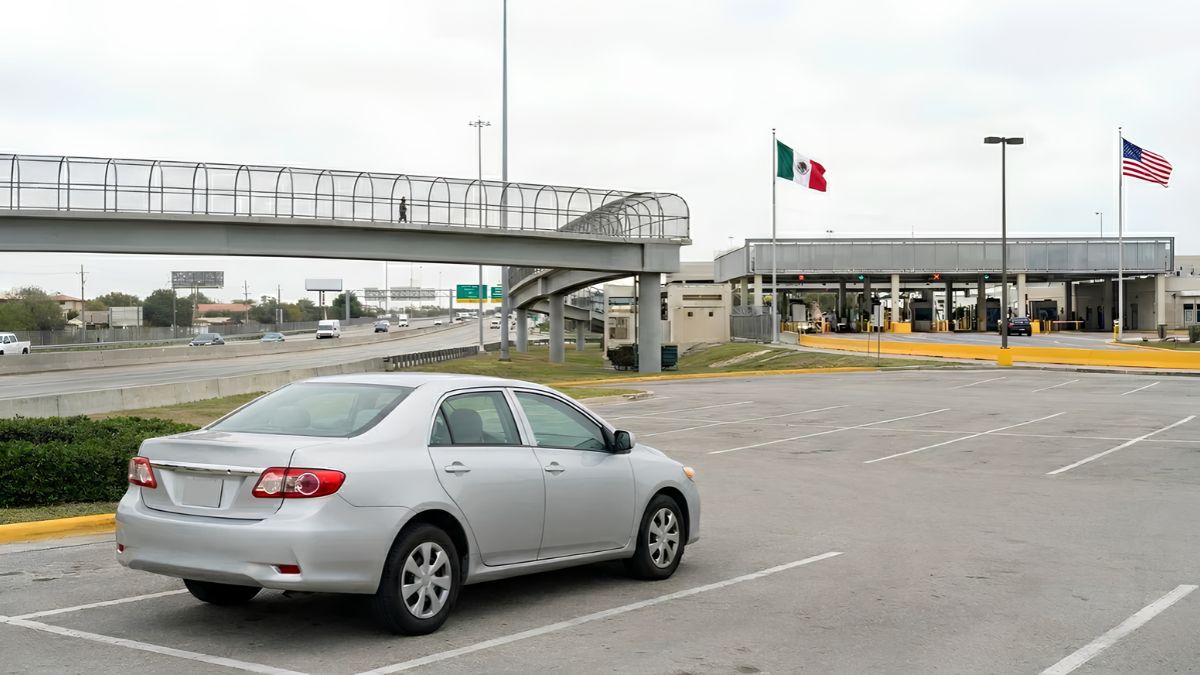
Travelling between San Diego and Tijuana by rental car can offer flexibility for visitors who want to explore destinations on both sides of the U.S.-Mexico border. However, picking up a rental vehicle in California does not automatically mean you can drive it into Mexico. Rental agreements, insurance coverage, vehicle restrictions, border documentation, and return arrangements all need to be checked before departure.
San Ysidro is a major land border crossing between San Diego and Tijuana, making it a practical route for travellers planning cross-border trips. Yet the journey involves more than choosing a navigation route and estimating travel time. Drivers must understand the rental company’s rules, confirm the insurance required for driving in Mexico, and determine whether their destination falls within a permitted driving area.
The details can vary according to the rental company, the vehicle, the driver’s nationality or residency, and the intended destination in Mexico. A policy that applies to one rental provider may not apply to another, even when both operate in California.
Preparing these details in advance can help travellers avoid unexpected expenses, delays, and difficulties with their rental arrangements.
Permission
The first step is to confirm whether the rental company permits the vehicle to be taken into Mexico. Do not assume that permission is included in a standard rental agreement simply because the vehicle was rented near the border.
Some rental companies prohibit cross-border travel entirely. Others allow it only with advance authorization, specific insurance arrangements, or restrictions on the types of vehicles that can cross.
Contact the rental company before booking or collecting the vehicle. Explain that you intend to cross into Mexico through the San Ysidro port of entry and identify your planned destination. If you intend to travel beyond Tijuana to another city, mention that as well.
Ask the company to confirm the following:
- Whether the specific vehicle category is eligible for travel into Mexico.
- Whether written authorization or additional paperwork is required.
- Which insurance policies must be purchased or arranged.
- Whether there are geographic restrictions within Mexico.
- Whether the vehicle must be returned to the original U.S. rental location.
Obtain confirmation in writing and keep it accessible during the trip. If permission is conditional, make sure you understand every requirement before leaving the rental lot.
A booking confirmation alone may not establish that cross-border travel is authorized. The actual rental agreement and the company’s applicable Mexico travel policy are the documents to review.
Insurance
Insurance is one of the most important issues to resolve before driving a U.S. rental car into Mexico. Coverage that applies in California may not provide the liability protection required for driving in Mexico.
Mexican law and local requirements should be considered separately from the rental company’s standard U.S. insurance arrangements. Travellers should not assume that a credit card’s rental-car benefit or a personal auto policy automatically provides the necessary coverage south of the border.
Before departure, ask the rental company which Mexico-specific insurance is required and whether it is available through the company. Confirm the policy’s effective dates, covered drivers, geographic limits, exclusions, and claims procedures.
Pay particular attention to these areas:
- Liability coverage: Check the protection available for injuries or property damage caused to other people.
- Collision and theft: Confirm whether damage to or theft of the rental vehicle is covered in Mexico.
- Deductibles: Find out how much you could have to pay if an insured incident occurs.
- Authorized drivers: Ensure everyone who may drive is permitted under the rental agreement and insurance policy.
- Assistance: Check whether roadside support, towing, and claims assistance are available in Mexico.
Liability insurance and physical damage coverage serve different purposes. A policy covering damage to the rental vehicle does not necessarily satisfy third-party liability requirements.
Ask for the insurer’s policy documentation rather than relying solely on a verbal assurance. If you have personal auto insurance or a credit card with rental benefits, contact the provider directly to establish what, if anything, applies in Mexico.
For background on border and travel requirements, consult the U.S. Department of State’s Mexico travel information. Review the guidance for your intended destination as well as the conditions of your rental policy.
Documents
Crossing the border requires appropriate personal identification and travel documentation. The documents you need depend on your citizenship, immigration status, method of travel, and destination in Mexico.
U.S. citizens travelling to Mexico by land should review the current entry-document requirements before departure. A passport book or passport card may be appropriate for eligible travellers, but the rules and accepted documents should be verified for the specific trip. Non-U.S. citizens may have different requirements depending on their nationality and U.S. immigration status.
Travellers should check whether a Mexican visa or other entry authorization is required. Depending on the destination and duration of the visit, a Forma Migratoria Múltiple (FMM) or other immigration formalities may also apply. Requirements can differ for border-area visits and travel farther into Mexico.
Carry the documents relevant to your situation, which may include:
- A valid passport or other accepted travel document.
- Any required Mexican visa or immigration authorization.
- A valid driver’s licence.
- The rental agreement and written permission for cross-border travel.
- Proof of required insurance.
- Any vehicle authorization or registration documents supplied by the rental company.
Keep digital copies as a backup, but do not assume that a photograph will be accepted in place of an original document where one is required.
Official information is available from the U.S. Customs and Border Protection website. Travellers should also consult the Embassy and Consulates of Mexico in the United States for current Mexican entry and immigration information.
Vehicle
Not every rental vehicle is necessarily eligible for cross-border use. Rental companies may impose additional restrictions on luxury cars, specialty vehicles, larger vehicles, or particular models.
Confirm the eligibility of the actual vehicle category before collection. If the company assigns a different vehicle at the counter, verify that the replacement is also authorized for travel into Mexico.
Inspect the car before leaving the rental location. Note any existing scratches, dents, windshield damage, tyre problems, or warning lights. Take dated photographs and make sure any significant damage is recorded on the rental inspection report.
Check the following equipment and details:
- Headlights, brake lights, indicators, and windscreen wipers.
- Tyre condition and the availability of a spare tyre or repair kit, where applicable.
- Fuel level and the correct fuel type.
- Registration and rental documentation.
- Emergency contact numbers and roadside assistance instructions.
Ask whether the vehicle has a tracking system and whether any rental-company restrictions affect its use outside the United States. Confirm the procedure to follow if the vehicle breaks down, is damaged, or is involved in an accident in Mexico.
Do not make assumptions about towing or repair coverage. A roadside assistance package that operates in California may have different limitations in Mexico.
Permits
A trip into Tijuana is not necessarily subject to the same vehicle formalities as a longer journey into Mexico. The requirements may depend on where you intend to travel, how long you will remain, and the vehicle’s registration and ownership arrangements.
Some destinations farther into Mexico may require a temporary vehicle import permit, while specific border zones or other qualifying circumstances may be treated differently. Travellers should not assume that a rental car is exempt from every import or documentation requirement.
Ask the rental company whether it provides the paperwork needed for your intended route. Then verify the requirements with the relevant Mexican authorities before departure, particularly if you plan to travel beyond the immediate border area.
Do not attempt to arrange a permit using the wrong vehicle information or without the rental company’s authorization. The vehicle’s ownership and registration status can affect what is permitted.
For trips beyond Tijuana, check the current requirements with Mexico’s official authorities and establish whether the rental agreement allows the full itinerary. If the company permits travel only within a specified area, remaining within that area is essential to maintaining compliance with the contract.
Crossing
The San Ysidro Port of Entry connects San Diego with Tijuana and handles substantial vehicle traffic. Before setting out, check current border conditions and decide whether driving across is necessary for your itinerary.
Waiting times can vary considerably depending on the day, time, lane availability, and traffic conditions. Travellers should distinguish between regular vehicle lanes, designated ready lanes, and SENTRI lanes, as eligibility requirements differ. Do not use a restricted lane unless you qualify and have the required authorization.
Check official information from U.S. Customs and Border Protection for available border wait-time estimates. These estimates can help with planning, but they are not guarantees of how long the crossing will take.
Also consider where you need to go once you enter Tijuana. Traffic, parking availability, road conditions, and your accommodation’s location may influence whether driving is more convenient than parking in San Ysidro and using another form of transport.
If you plan to cross during a busy holiday period or weekend, allow additional time. Keep your documents accessible, follow officers’ instructions, and answer questions about your trip accurately.
Costs
The cost of taking a rental car across the border involves more than the daily rental rate. Insurance, fuel, parking, additional-driver fees, and other charges may affect the total.
Before confirming the reservation, request an itemized estimate covering the full rental period and intended cross-border use.
| Expense | What to check |
|---|---|
| Rental fee | Daily rate, taxes, and booking charges |
| Mexico insurance | Required liability and available additional coverage |
| Additional drivers | Eligibility and any applicable fees |
| Fuel | Fuel policy and expected driving distance |
| Parking | Rates and availability at your destination |
| Border travel | Any applicable permits or administrative costs |
| Unexpected expenses | Deductibles, towing, and roadside assistance limits |
Ask whether the company charges a fee for authorizing travel into Mexico. Some providers may require additional products or impose restrictions that make a particular rental less economical.
Compare the total cost with alternatives, including parking on the U.S. side and continuing into Tijuana by public transport, taxi, or another permitted service. For a short visit, this comparison may reveal a simpler option.
Return
Before crossing back into the United States, confirm the rental company’s return procedures. Some rental providers require the vehicle to be returned to the original U.S. location, while others may have specific instructions for international travel.
Check your scheduled return time, the office’s opening hours, and the procedure for reporting damage or mechanical problems. Allow enough time for traffic and border delays, particularly if you have a flight or another time-sensitive commitment.
Keep the rental agreement and insurance documentation available throughout the trip. If an accident, theft, or other incident occurs, follow the rental company’s reporting instructions and contact the appropriate local authorities when necessary.
Do not assume that a delay at the border automatically excuses a late return. Ask the rental company how late returns are handled and whether you should notify the office if unexpected circumstances affect your arrival.
If you are considering returning the car in Mexico rather than California, obtain explicit confirmation that the company permits it. Cross-border travel authorization does not necessarily include international one-way rentals.
Safety
Review current travel guidance for the specific areas you intend to visit. Conditions can differ between cities and regions, so broad assumptions about Mexico should not replace destination-specific information.
The U.S. Department of State publishes travel advisories that discuss regional security conditions and practical precautions. Read the current information for Baja California before travelling, and make sure someone you trust knows your itinerary.
While driving, obey posted speed limits, avoid distracted driving, and use secure parking where available. Keep valuables out of sight and avoid leaving travel documents or rental paperwork unattended in the vehicle.
If an incident occurs, prioritize personal safety and follow the instructions of local authorities and your rental provider. Use the emergency and claims contacts supplied with your rental documents.
It is also sensible to keep your phone charged, have navigation available offline where practical, and know how to contact your rental company’s assistance service. These measures can make unexpected delays or vehicle problems easier to manage.
Checklist
Before collecting the car, confirm that you have addressed the main requirements.
- The rental company has authorized travel into Mexico.
- Required Mexico-specific insurance is confirmed in writing.
- All drivers are authorized under the rental agreement.
- Personal travel documents meet current entry requirements.
- The vehicle is eligible for the intended destination.
- Any required vehicle permits or documentation are arranged.
- Border wait times and return arrangements have been checked.
- Emergency contacts and claims procedures are available.
Taking a rental car across the U.S.-Mexico border near San Ysidro can be practical for some itineraries, but it requires advance coordination. The rental agreement, insurance coverage, entry documentation, and permitted driving area should all be confirmed before departure. When these details are settled early, travellers can make a more informed decision about whether driving is the right option for their visit.
FAQs
Can I take any U.S. rental car into Mexico?
No. You must confirm that the rental company authorizes cross-border travel.
Does U.S. rental insurance cover driving in Mexico?
Not necessarily. Confirm the required Mexico-specific coverage before departure.
Do I need a passport to enter Mexico by car?
Entry-document requirements depend on your nationality and travel circumstances.
Can I drive a rental car beyond Tijuana?
Only if the rental agreement and applicable Mexican requirements permit it.
Where can I check San Ysidro border wait times?
Check the official U.S. Customs and Border Protection wait-time website.