
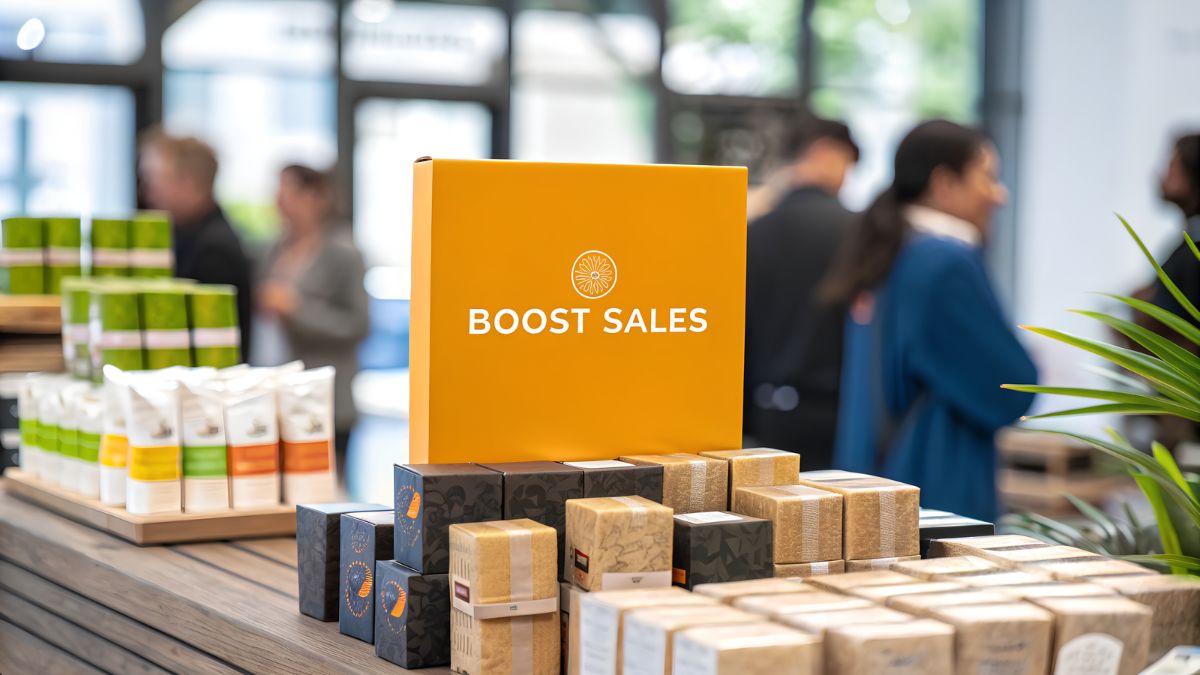
Independent retailers in San Ysidro, California, operate in a competitive market where customers often compare prices, look for practical savings, and expect convenient shopping experiences. Product bundling offers one way to respond to these expectations without relying on frequent discounts. By combining complementary products at a carefully calculated price, retailers can encourage larger purchases while maintaining control over their costs.
The approach can work for clothing stores, convenience shops, beauty retailers, gift stores, electronics sellers, and other small businesses. However, a bundle that looks attractive to customers may not be financially worthwhile for the retailer. Product costs, payment processing fees, packaging, inventory availability, and the effect on individual product sales all influence the final result.
For businesses serving local residents, cross-border shoppers, and visitors, the objective is to create offers that meet genuine customer needs while supporting sustainable revenue. Knowing how to select products, calculate prices, manage stock, and measure results can help retailers build bundles that offer value without unnecessarily reducing profit margins.
Strategy
Product bundling involves selling two or more products together for one combined price. The products may serve a related purpose, complement one another, or form a convenient package for a particular occasion.
For example, a beauty retailer could combine shampoo, conditioner, and a hair treatment. A clothing store might offer a shirt with a matching accessory, while a convenience store could package a beverage and snack together.
The commercial advantage is that customers can purchase several useful items in one transaction. Retailers may benefit from a higher average transaction value, more efficient product promotion, and opportunities to introduce shoppers to products they might not otherwise consider.
However, these benefits are not automatic. If a customer would have purchased every item at full price anyway, the bundle discount may simply reduce the retailer’s revenue. Effective bundling therefore requires a balance between customer convenience and financial performance.
Research
Before creating bundles, retailers should examine their existing sales data and customer purchasing patterns. Point-of-sale reports can help identify products frequently purchased together, popular price ranges, seasonal demand, and items that regularly remain in stock.
Customer feedback can provide additional context. Employees may notice that shoppers frequently ask for matching accessories, travel-size products, or ready-made gift packages. These observations can help generate ideas, but retailers should test them against actual sales figures.
San Ysidro businesses may serve different customer groups, including neighborhood residents, visitors, and shoppers crossing the United States-Mexico border. Their needs and purchasing preferences may vary. A retailer should avoid assuming that all customers prioritize low prices or want the same product combinations.
A practical starting point is to review three categories:
- Products that sell consistently and attract regular customer interest.
- Complementary products that customers often buy alongside those items.
- Products that could benefit from greater visibility without requiring substantial discounts.
This process can help retailers identify combinations that make sense commercially and provide a clear benefit to customers.
Selection
The products included in a bundle should have a logical relationship. Customers are more likely to understand an offer when each item serves a purpose and the combined package addresses a recognizable need.
A clothing retailer, for instance, could combine a popular shirt with a belt or scarf. A personal care store might offer a skincare set containing cleanser, moisturizer, and sunscreen. An electronics shop could pair a compatible accessory with a frequently purchased device.
Retailers should also consider whether the individual products are available in suitable quantities. A successful bundle can create unexpected demand for one component, leaving the store unable to fulfill further orders.
Another consideration is product quality. Adding an unpopular or unsuitable item simply to clear inventory can weaken the customer’s perception of value. Although bundling may help move selected slow-selling products, the combination should remain useful and reasonably priced.
A smaller number of carefully designed bundles is often easier to manage than a large collection of offers with different pricing, packaging, and inventory requirements.
Pricing
Pricing determines whether a bundle creates value for customers and a sustainable return for the business. Retailers should calculate the total cost of the products before deciding how much to charge.
Consider a bundle containing three items:
| Item | Individual price | Product cost |
|---|---|---|
| Product A | $20 | $12 |
| Product B | $15 | $8 |
| Product C | $10 | $5 |
| Total | $45 | $25 |
If the retailer sells the products together for $40, the customer saves $5 compared with purchasing them separately at their listed prices.
The bundle generates $15 in gross profit before other selling and operating expenses. Its gross margin is 37.5%, calculated by dividing the $15 gross profit by the $40 selling price and multiplying by 100.
This example illustrates why retailers should evaluate margins rather than focusing only on the dollar amount saved by customers.
A bundle priced at $40 may be attractive and profitable, but the final result depends on the store’s required margin and additional costs. Packaging, payment processing, labor, shipping, and promotional expenses can reduce the contribution remaining after the sale.
Retailers should establish a minimum acceptable margin for each bundle and calculate a price that meets that requirement. If the necessary price is too high for customers to perceive value, the business may need to change the product combination rather than increase the discount.
Discounts
Retailers do not need to offer large discounts to make bundles appealing. A modest price reduction may be sufficient when the combination saves customers time or helps them purchase products they already need.
For example, a retailer could price a group of products at $42 instead of $45. The customer receives a $3 saving, while the business retains more revenue than it would with a deeper discount.
Another option is value-added bundling. Instead of lowering the price substantially, a store could include a low-cost accessory, sample, reusable shopping bag, or complimentary gift wrapping. These additions can improve the shopping experience without necessarily creating significant expenses.
The key is to distinguish between perceived value and actual cost. A product that costs the retailer $2 may be useful to customers, but its value should not be overstated in promotional materials.
Retailers should also ensure that advertised savings reflect genuine prices. The Federal Trade Commission provides guidance on advertising and marketing practices that businesses can consult when preparing promotional claims.
Official reference: Federal Trade Commission – Advertising and Marketing.
Inventory
Product bundles can support inventory management when they encourage sales of complementary items that otherwise receive less attention. However, combining products without reviewing stock levels can create operational problems.
A retailer might pair a popular accessory with a slower-selling item, provided customers have a genuine reason to purchase both. This can improve the visibility of the less frequently purchased product while preserving the value of the overall package.
Before launching an offer, retailers should consider the following factors:
- Availability: Check that sufficient quantities of every component are in stock.
- Replenishment: Confirm that suppliers can replace products at an acceptable cost.
- Demand: Estimate whether the bundle could create shortages of popular items.
- Expiry: For perishable goods and personal care products, monitor shelf life and applicable storage requirements.
- Opportunity cost: Consider whether selling an item individually would generate a better return.
Inventory decisions should also account for the possibility that a bundle changes existing customer behavior. If customers begin buying a discounted package instead of purchasing the same products separately at full price, the retailer may lose margin without generating much additional demand.
The U.S. Small Business Administration offers guidance on business planning, market research, and competitive analysis that can help retailers assess customer demand before committing resources to a new offer.
Official reference: U.S. Small Business Administration – Market Research and Competitive Analysis.
Promotion
Customers should be able to know a bundle’s benefits quickly. Clear product descriptions, transparent pricing, and visible savings can make offers easier to evaluate.
In physical stores, retailers can display related products together and use signs showing the individual prices, combined price, and actual customer savings. Online sellers can feature bundles on product pages, social media accounts, and promotional emails.
Promotional language should explain the practical benefit rather than rely on exaggerated claims. A skincare package, for example, could be described as a convenient set for a basic daily routine. A clothing bundle might emphasize coordinated items that customers can wear together.
Employee recommendations can also support bundle sales. Staff members can explain how products complement one another and help customers decide whether the package meets their needs. This approach is generally more useful than encouraging employees to promote every bundle regardless of customer interest.
Retailers should avoid presenting bundles as automatically cheaper than individual purchases unless the comparison is accurate. They should also make any restrictions, product substitutions, and promotional conditions clear before customers complete a purchase.
Measurement
A bundle’s sales volume provides only part of the information needed to assess its performance. Retailers should measure both customer response and financial results.
Useful indicators include:
| Metric | What it reveals |
|---|---|
| Bundle sales | How many packages customers purchase |
| Average transaction value | Whether customers spend more per transaction |
| Gross margin | The percentage of selling revenue retained after product costs |
| Gross profit | The amount remaining after product costs |
| Repeat purchases | Whether customers return for similar offers |
| Inventory turnover | How quickly products are sold and replenished |
Retailers should compare these figures with the performance of the same products before the bundle was introduced. They should also examine whether the offer generates genuinely additional purchases or simply shifts sales from individual products to discounted packages.
For instance, a bundle might increase average transaction value while reducing total gross profit if the discount is too large. Conversely, a moderately priced package may produce a smaller increase in sales but a better financial result.
Small businesses can begin with a limited test involving a few product combinations. A two-week trial may provide an initial indication of customer interest, although longer observation periods may be needed for seasonal products or businesses with irregular sales patterns.
The SBA’s guidance on financial management can help business owners establish a more structured approach to monitoring costs, revenue, and financial performance.
Official reference: U.S. Small Business Administration – Manage Your Finances.
Improvement
Retailers should treat bundling as an ongoing process rather than a one-time promotional exercise. Customer preferences, supplier prices, and inventory conditions can change, making it necessary to review offers periodically.
If a bundle sells well but produces an insufficient margin, the retailer can adjust the price, replace an expensive component, or reduce packaging costs. If customers show little interest, the business can test a different combination or reconsider whether the products belong together.
It is also useful to distinguish between bundles intended to attract new customers and those designed to increase spending among existing customers. An introductory package may justify a different pricing approach from a regular bundle intended to generate consistent profit.
Any changes should be supported by sales figures and cost calculations rather than assumptions. Consistent monitoring helps retailers identify which offers deserve continued promotion and which should be revised or discontinued.
For independent businesses in San Ysidro, product bundling can provide a practical way to improve the shopping experience and encourage additional purchases. The most sustainable approach begins with customer needs, uses complementary products, and sets prices according to actual costs.
By monitoring margins, managing inventory carefully, and testing offers before expanding them, retailers can provide meaningful value without making unnecessary sacrifices in profitability.
FAQs
What is product bundling?
It combines related products into one package sold at a single price.
How can retailers protect bundle profit margins?
Calculate all relevant costs and set a price that meets margin targets.
Which products are suitable for bundling?
Choose complementary items that customers frequently purchase together.
Do product bundles need large discounts?
No. Modest savings or useful extras can provide value at a lower cost.
How should retailers measure bundle performance?
Track sales, gross profit, margins, average transaction value, and repeat purchases.