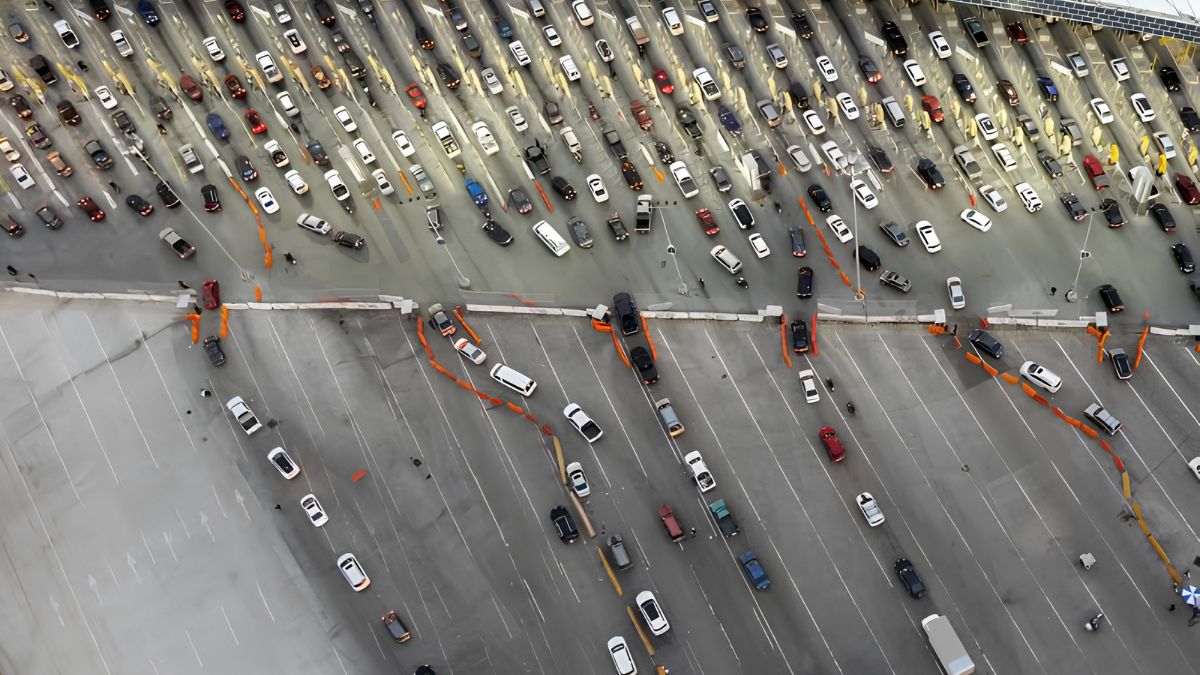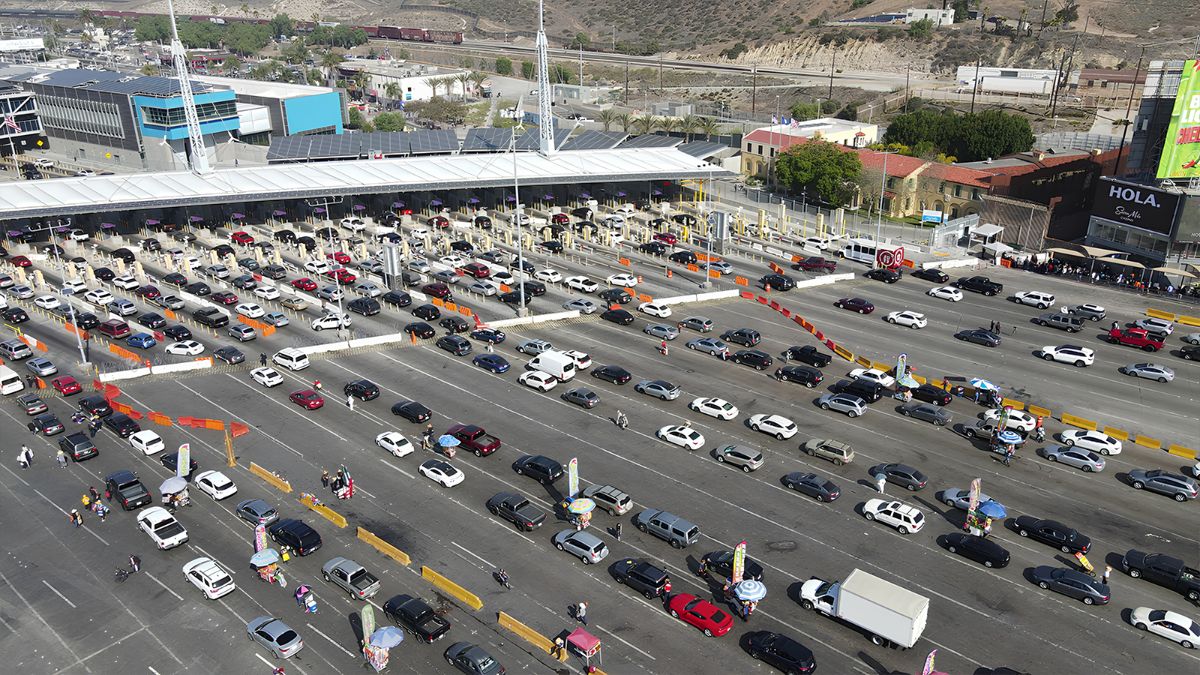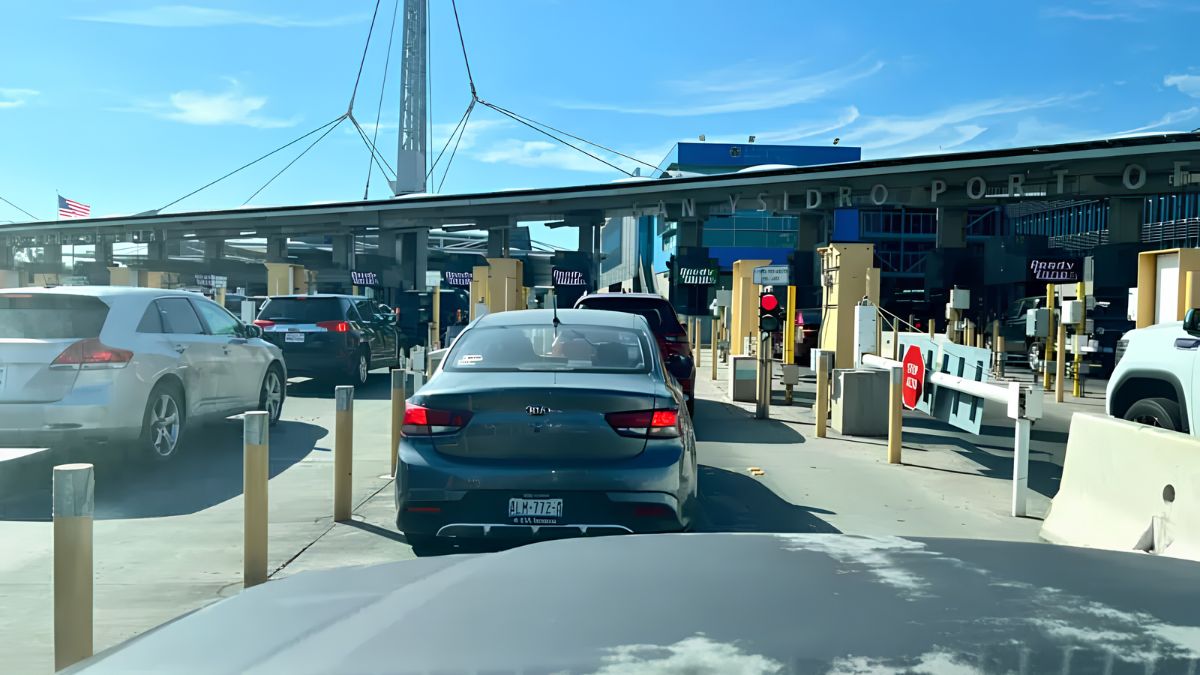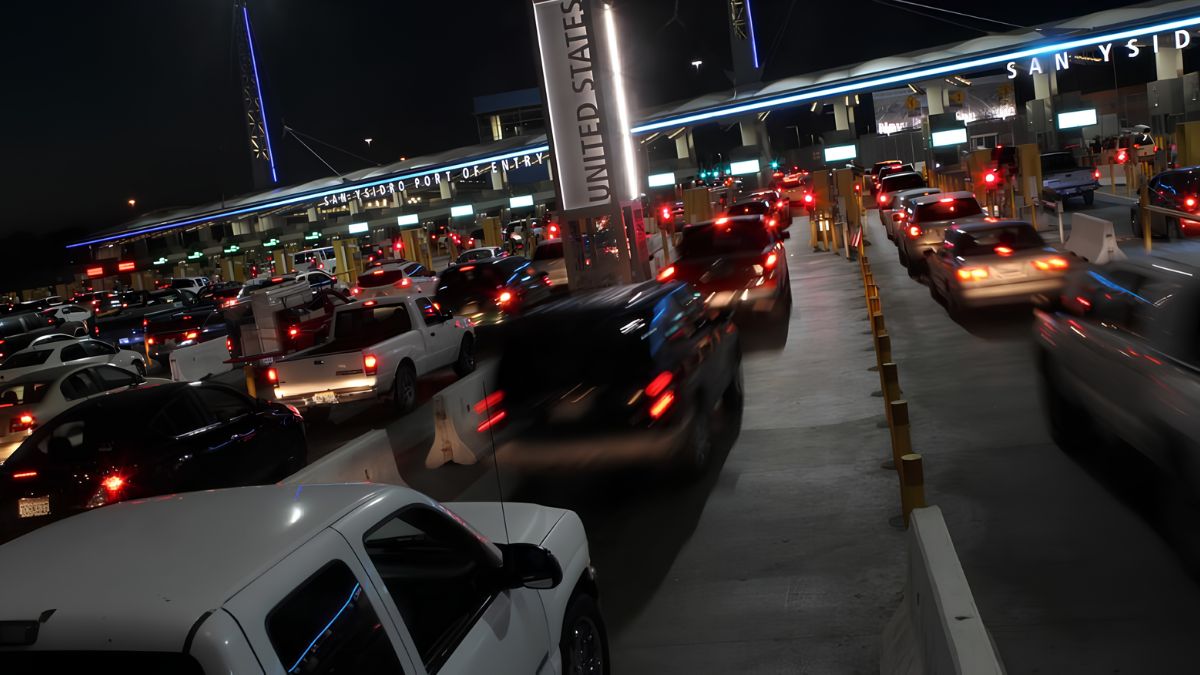
Crossing an international border can involve unpredictable waiting times, even when travelers have prepared their documents and planned their route carefully. For people traveling between San Diego and Tijuana, delays at the border can affect connecting flights, medical appointments, hotel check-ins, restaurant reservations, and other time-sensitive commitments.
The challenge is not simply allowing extra travel time. Travelers must also understand which parts of their journey are flexible, which bookings can be changed, and what options are available if an unexpected delay occurs.
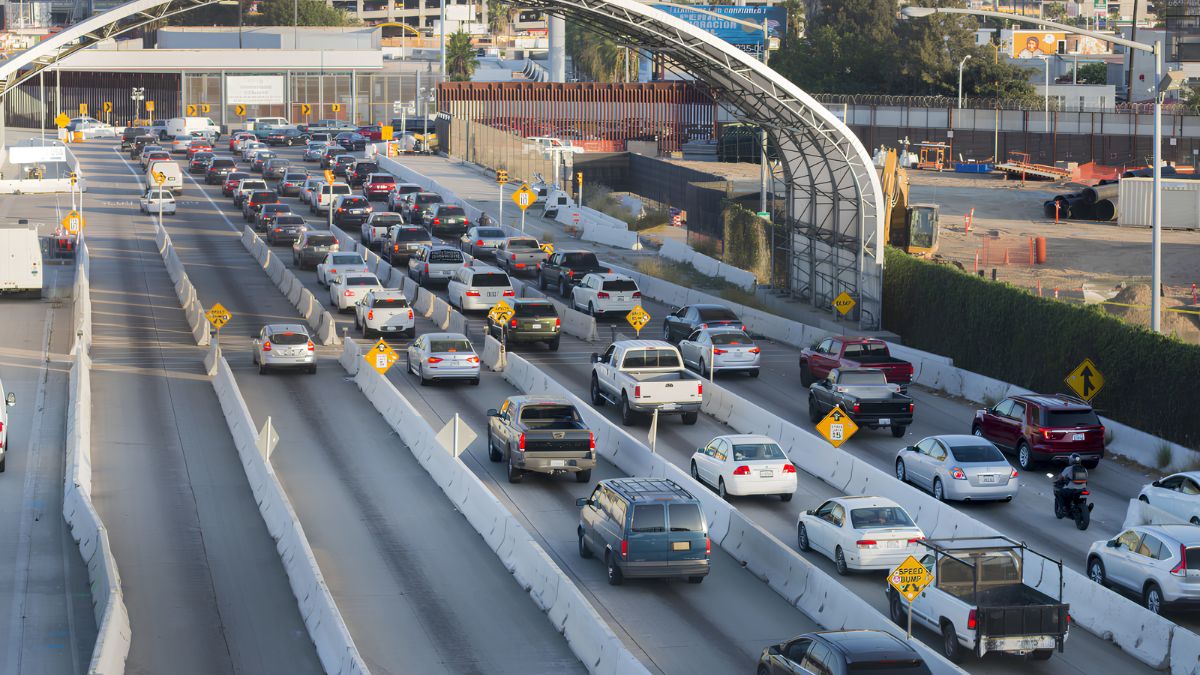
Border waiting times can change because of traffic volume, inspections, staffing, transportation disruptions, and other operational circumstances. Even a journey that usually takes a predictable amount of time may take longer on a particular day.
A practical contingency plan can help travelers respond without making rushed decisions. By building in additional time, checking official information, keeping essential documents accessible, and understanding cancellation policies, travelers can reduce the consequences of unexpected delays.
Plan
The first step is to identify every time-sensitive commitment in your itinerary. A trip involving a border crossing may include several separate deadlines, and each one requires a different response if the journey runs late.
For example, a traveler might need to reach San Diego International Airport after crossing from Tijuana. Another person may have a medical appointment in Mexico after traveling from California. Someone else may need to arrive at a hotel before a specified check-in time.
Write down the scheduled departure or appointment time, the location, the latest acceptable arrival time, and the consequences of arriving late.
For connecting flights, check the airline’s check-in, baggage-drop, and boarding deadlines rather than relying solely on the scheduled departure time. For medical appointments, ask whether late arrivals can be accommodated or whether the appointment must be rescheduled.
Restaurant reservations and timed activities may offer different levels of flexibility. Some businesses allow a short grace period, while others release bookings after a specified time.
Knowing these differences helps you prioritize the parts of the journey that require the largest safety margins.
Buffer
One of the most effective ways to prepare for border delays is to avoid planning around the fastest possible crossing time.
Instead, consider the entire journey from your starting point to your final destination. Include the time required to reach the border, queue, complete inspections, collect luggage if necessary, transfer between transportation services, and continue to your destination.
The appropriate buffer depends on the crossing, time of day, day of the week, transportation method, and consequences of missing the commitment.
For a flight, a larger margin is generally advisable because airline deadlines may be strict and a missed departure can create substantial additional costs. An appointment that can be rescheduled may require a different approach.
Travelers should also account for the possibility that a scheduled transportation service will arrive late or that a connection between vehicles will take longer than expected.
Avoid treating historical averages as guarantees. Even if a particular crossing is usually quick, the actual wait on your travel day may differ considerably.
If the flight is particularly important, consider traveling to the departure airport well before the day of the flight when practical. This may not be necessary for every itinerary, but it can reduce exposure to an unpredictable border crossing.
Monitor
Check current travel conditions before leaving and continue monitoring them when practical.
For travel into the United States, U.S. Customs and Border Protection provides official travel information, including border-related resources. Its Border Wait Times service can help travelers review reported waits at participating land ports of entry.
Check the relevant crossing, direction of travel, and available processing category. A reported wait for passenger vehicles may not reflect conditions for pedestrians or other crossing methods.
For air travel, use your airline’s official website or mobile application to check flight status, boarding information, schedule changes, and rebooking options. Airport information can also help clarify terminal arrangements and transportation connections.
Remember that border estimates are snapshots, not predictions of your exact arrival time. Conditions may change while you are traveling, and the time needed to reach the border can be just as important as the wait itself.
Set a reasonable time to review conditions before departure. Repeatedly checking updates while driving or walking through an inspection area is unsafe and may distract you from important instructions.
Documents
Keep travel documents and booking details accessible so that you do not lose additional time searching for them.
Depending on your nationality, immigration status, route, and purpose of travel, you may need a valid passport, visa, travel authorization, or other documentation. Requirements can differ between entering Mexico and entering the United States.
Check the official requirements for your circumstances before departure. For travel into Mexico, consult the National Institute of Migration. For entry into the United States, review the relevant CBP travel guidance.
Keep your airline confirmation, boarding information, appointment details, hotel booking, and transportation contacts available on your phone. Where appropriate, maintain secure offline copies in case mobile data becomes unavailable.
Travelers carrying medication, mobility equipment, or other essential items should plan how to keep them accessible during unexpected waits. If you require medication at specific times, follow your established medical instructions and discuss travel contingencies with your healthcare professional when necessary.
Organized documents do not eliminate border delays, but they can help prevent avoidable complications during inspections and transfers.
Flights
Connecting flights require particular attention because airline deadlines can leave little room for delays.
First, distinguish between a connection that involves two flights on one booking and a journey involving separate tickets. These arrangements may offer different levels of protection when the first part of the trip is delayed.
If you are traveling across the border to catch a flight, ask the airline what happens if a border delay causes you to miss check-in or departure. Do not assume that the airline will automatically provide a replacement flight when the delay occurs before you reach the airport.
Separate-ticket itineraries can be especially difficult because the second airline may not be responsible for a missed departure caused by an unrelated transportation delay.
Review the fare conditions, change fees, baggage requirements, and available rebooking options before travel. If you have a flexible ticket, understand how and when you can change the reservation.
Travel insurance may provide some protection in specific circumstances, but coverage varies by policy. Read the terms carefully, including exclusions, documentation requirements, and rules concerning missed connections or delays at a land border.
If a delay becomes likely, contact the airline as early as possible through an official channel. Ask what options are available and record any instructions you receive.
Appointments
Medical appointments, legal consultations, business meetings, and other scheduled commitments can be difficult to rearrange, especially when another person or organization has reserved time specifically for you.
Contact the appointment provider before travel to understand its late-arrival policy. Ask whether a grace period is available, whether a telephone or video consultation could be used if appropriate, and how much notice is required to reschedule.
For important medical appointments, explain that your journey involves an international border crossing. The provider may be able to advise you about arrival requirements or available alternatives.
If the appointment involves preparation, medication instructions, or a required fasting period, follow the provider’s guidance and ask how to proceed if travel is delayed. Do not change medical instructions without appropriate advice.
Business and legal appointments may involve documents, deadlines, or other obligations that cannot easily be moved. Confirm what can be handled remotely and what requires your physical presence.
Early communication is usually more useful than waiting until the scheduled start time has passed. It allows the other party to assess available options and may reduce unnecessary disruption.
Reservations
Hotels, restaurants, tours, and timed attractions often have their own rules concerning late arrivals and cancellations.
Before making a reservation, check whether the booking has a fixed arrival window, whether late arrival is permitted, and whether the business charges a fee for missed reservations.
For hotel stays, distinguish between the property’s check-in hours and any deadline associated with your specific booking. If you expect to arrive late, ask whether the front desk will remain available and whether special check-in arrangements are needed.
Restaurant reservations may have shorter grace periods. Contact the restaurant as soon as a delay becomes apparent rather than assuming the table will remain available.
For tours and timed activities, ask whether late participants can join at a later point or whether missing the start means losing the booking.
Keep confirmation numbers and direct contact details accessible. If a reservation is managed by a third-party booking platform, review whether changes must be made through that platform rather than directly with the business.
Alternatives
A contingency plan should identify at least one practical alternative for the most important part of your journey.
If you are crossing from Tijuana to San Diego for a flight, possible alternatives might include a different departure time, an earlier trip to the airport, or a backup transportation arrangement. The appropriate option depends on your budget, travel documents, luggage, mobility requirements, and the airport’s location.
For appointments and reservations, alternatives might include moving the booking, attending remotely where permitted, or arranging a different time.
Do not assume that changing the border crossing will save time. Different crossings have different operating arrangements, access routes, and waiting conditions. Compare current official information and account for the time needed to reach an alternative location.
If you use an accessible vehicle or depend on mobility equipment, verify that any alternative transportation can accommodate your needs. A theoretically faster route may not be practical if the necessary vehicle or assistance is unavailable.
Keep the contact details of your transportation provider and at least one backup option. Confirm prices and availability rather than relying on assumptions about what will be available at short notice.
Communication
When a delay occurs, communicate with the people affected as soon as reasonably possible.
A concise message should explain that you are experiencing a border-related delay, provide your best current estimate if one is available, and ask about the available options. Avoid giving a precise arrival time when conditions remain uncertain.
For example, a traveler with a restaurant reservation might ask whether the booking can be held for an additional 20 minutes. Someone traveling to a medical appointment might ask whether a later arrival is possible or whether the appointment needs to be rescheduled.
If you are likely to miss a flight, contact the airline promptly. If you booked transportation through a service provider, notify that provider as well.
Keep a record of relevant communications, particularly when a booking has cancellation penalties or when you have been advised to follow a specific procedure.
If you are traveling with family members, colleagues, or a support person, agree in advance on how you will communicate if your group becomes separated or your plans change.
Costs
Unexpected delays can lead to extra transportation expenses, missed bookings, additional accommodation costs, and replacement travel arrangements.
Before departure, review the financial consequences of missing each major commitment. This may include airline change fees, non-refundable reservations, transportation cancellation charges, and additional hotel nights.
A small amount spent on a more flexible ticket or an earlier departure may be worthwhile when compared with the potential cost of missing an important flight. However, the value depends on the likelihood of disruption and the actual terms offered by the provider.
Keep a payment method available for unexpected expenses and make sure you understand how to contact your insurer if a covered event occurs.
If a delay is outside your control, retain receipts and relevant records. These may be useful when requesting reimbursement, submitting an insurance claim, or discussing a booking dispute.
Do not assume that every border delay qualifies for compensation. Eligibility depends on the contract, the cause of the disruption, applicable law, and any relevant insurance terms.
Checklist
Before departure, review the following items:
- Check official border information for your crossing and direction of travel.
- Confirm airline check-in, baggage-drop, and boarding deadlines.
- Allow extra time for queues, inspections, and onward transportation.
- Review cancellation and late-arrival policies for appointments and reservations.
- Save booking confirmations and essential contact details.
- Identify alternative transportation or rescheduling options.
- Keep required travel documents and essential medication accessible.
- Notify affected providers promptly if a delay becomes likely.
The checklist can be adapted to the specific journey. A traveler with a flexible hotel booking may need fewer arrangements than someone connecting to an international flight on a separate ticket.
Unexpected border delays cannot always be avoided, but their consequences can often be reduced through preparation. Travelers crossing between San Diego and Tijuana should check official wait-time information, allow a realistic time buffer, understand the terms of their bookings, and prepare alternatives for important commitments.
The most useful plan is one that considers the entire journey rather than the border crossing alone. By accounting for transportation, inspections, check-in deadlines, and communication with service providers, travelers can make more informed decisions when conditions change.
A connecting flight, medical appointment, or timed reservation may still be affected by an unexpected delay. Preparing early, keeping information accessible, and communicating promptly can help limit the disruption and make it easier to decide what to do next.
FAQs
How can I check border wait times?
Use official CBP Border Wait Times information for the relevant crossing and travel direction.
How much extra time should I allow?
Allow a buffer based on the crossing, current conditions, and the consequences of arriving late.
What if a border delay makes me miss my flight?
Contact your airline promptly and review your ticket terms and rebooking options.
Should I tell a hotel about a delayed arrival?
Yes. Contact the hotel early and confirm its late check-in and cancellation policies.
Does travel insurance cover border delays?
Coverage varies by policy, so review the terms, exclusions, and claim requirements.