
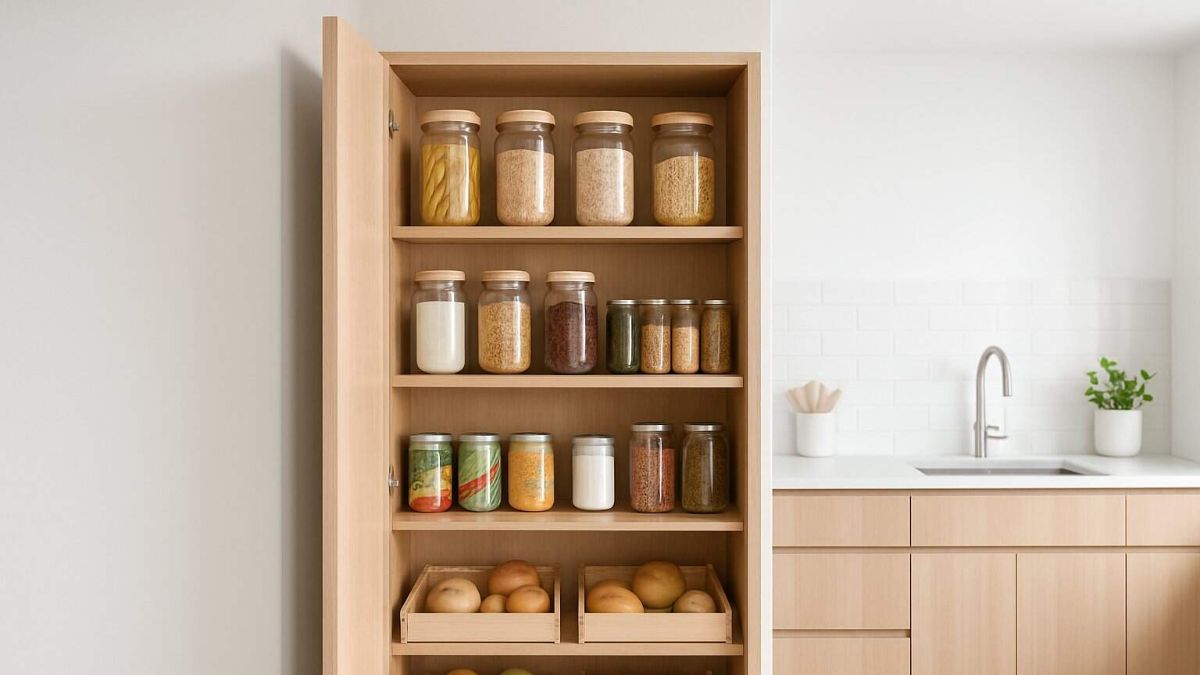
A well-organized pantry can make everyday cooking easier, reduce food waste, and help households manage grocery spending. For residents shopping at grocery stores in San Ysidro, California, building a practical pantry starts with knowing which ingredients the household uses regularly, how much storage space is available, and which meals need to be prepared throughout the week. Buying more food is not always the answer. The goal is to keep useful staples within reach without filling cupboards with products that rarely get used.
San Ysidro shoppers may find a range of pantry basics, including rice, beans, pasta, canned vegetables, cooking oils, spices, and baking ingredients. The best choices depend on family size, food preferences, cooking habits, and budget. With a simple plan, grocery shopping can become more predictable, and meal preparation can require less time and effort.
Staples
A practical pantry begins with versatile ingredients that can be used in several different meals. Instead of buying a large number of specialty products, focus on staples that work together and have a reasonable shelf life.
Rice, beans, oats, pasta, flour, and tortillas can form the foundation of many everyday meals. Canned tomatoes, broth, cooking oil, and basic seasonings provide additional flexibility. These ingredients can be combined with fresh produce, eggs, meat, or other refrigerated foods to create filling meals without requiring an entirely new shopping list each day.
For households preparing Mexican-inspired meals, useful staples may include dried or canned beans, rice, corn tortillas, canned tomatoes, chili powder, cumin, oregano, and salsa. Families who cook a wider variety of dishes might also keep pasta, lentils, canned tuna, peanut butter, and oats on hand.
A starter pantry could include:
- Grains: Rice, oats, pasta, and flour.
- Proteins: Dried or canned beans, lentils, peanut butter, and canned fish.
- Canned goods: Tomatoes, vegetables, fruit, and broth.
- Cooking essentials: Vegetable or olive oil, vinegar, and salt.
- Seasonings: Garlic powder, black pepper, cumin, oregano, and chili powder.
- Quick meals: Tortillas, crackers, and shelf-stable soup.
These are starting points rather than a mandatory shopping list. Households should adjust quantities to match their actual eating habits, dietary requirements, and available storage.
Budgeting
Grocery budgets are easier to manage when shoppers decide what they need before visiting a store. A short list helps separate essential purchases from products that look appealing but may remain unused.
Start by checking the pantry, refrigerator, and freezer. Write down the ingredients that need replacing and identify meals that can be prepared with what is already available. This reduces duplicate purchases and makes it easier to use existing food before buying more.
Comparing unit prices can also help shoppers evaluate value. A larger package may cost less per ounce, but it is only a good deal if the household can use the contents before quality declines. Smaller packages may be more economical for people with limited storage or who use an ingredient infrequently.
It is also useful to distinguish between a pantry staple and a temporary purchase. Rice or cooking oil may be regularly replenished, while a specialty sauce might only be needed for one recipe. Keeping these categories separate can prevent occasional ingredients from taking over the budget.
Shoppers should review weekly promotions carefully. A discount can offer genuine savings when it applies to something already on the list. Buying unfamiliar products simply because they are marked down may increase spending rather than reduce it.
Storage
Storage space is just as important as the grocery list. A practical pantry should be easy to navigate, with frequently used ingredients visible and less commonly used products arranged separately.
Begin by measuring available shelves, cupboards, or pantry cabinets. Consider height as well as width, since tall packages may not fit on every shelf. If space is limited, choose products with multiple uses and avoid buying large quantities of ingredients that are used only occasionally.
Clear, food-safe containers can make dry goods easier to identify and organize. However, original packaging may be useful for retaining ingredient lists, allergen information, and expiration or best-before details. If food is transferred into another container, label it with the product name and relevant date information.
Follow these storage practices:
- Keep dry goods in a cool, dry place away from direct sunlight.
- Store food in sealed containers to limit moisture and pests.
- Keep cleaning products and chemicals away from food.
- Follow package instructions for opened products.
- Refrigerate items after opening when the label requires it.
- Store heavier containers on lower shelves to reduce the risk of spills or injuries.
Avoid placing pantry goods near ovens, dishwashers, or other heat sources. Heat and humidity can shorten the quality life of many dry ingredients.
Rotation
Even shelf-stable foods can lose quality over time. An organized pantry makes it easier to use older products first and notice ingredients that are running low.
Use a simple first-in, first-out approach. When bringing home a new package, place it behind an older package of the same product. This is especially useful for canned goods, pasta, cereal, rice, and other frequently purchased staples.
Check labels rather than assuming every item has the same storage life. A best-before date generally concerns quality, while safety depends on the food, its packaging, storage conditions, and whether the package is damaged. Discard cans that are bulging, leaking, badly rusted, or deeply dented, particularly around seams. Do not taste food to determine whether it is safe.
A quick pantry review once a week can help identify ingredients that should be used soon. If a product repeatedly expires before it is finished, buy a smaller quantity next time or remove it from the regular shopping list.
Planning
Meal planning connects pantry organization with everyday cooking. It does not require a complicated schedule. A basic plan for five or seven days can provide enough structure to guide shopping while leaving room for changing preferences.
Begin by choosing meals that share ingredients. For example, a bag of rice can accompany beans one evening and serve as the base for a vegetable bowl another day. Canned tomatoes might work in pasta sauce, soup, or a bean stew. Tortillas can be used for breakfast wraps, tacos, or quick quesadillas.
A simple weekly plan might look like this:
| Meal idea | Pantry ingredients | Fresh additions |
|---|---|---|
| Rice and beans | Rice, beans, spices | Onion, cilantro |
| Tomato pasta | Pasta, canned tomatoes, herbs | Spinach or other vegetables |
| Breakfast oatmeal | Oats, cinnamon | Bananas or seasonal fruit |
| Bean tacos | Beans, tortillas, spices | Lettuce, tomato, avocado |
| Lentil soup | Lentils, broth, seasonings | Carrots, celery, onion |
The table is a flexible example, not a fixed menu. Substitutions can be made based on prices, availability, and household preferences.
When planning, consider how much time is available for cooking. Busy evenings may call for quick meals made from canned beans, pasta, or tortillas. Days with more time can be used to prepare a larger batch of soup, rice, or beans for later meals. Refrigerate cooked food promptly in shallow containers and use or freeze leftovers within recommended food-safety time frames.
Shopping
For San Ysidro shoppers, the most useful grocery routine is one that reflects local availability and household needs rather than relying on a single universal list. Store prices, package sizes, and promotions can vary, so it is worth comparing options across shops when doing so is convenient.
Divide the shopping list into three groups: essentials that need replenishing, ingredients required for planned meals, and optional items. Buy essentials first. Then select the ingredients needed to complete the week’s meals. Optional purchases should fit the remaining budget and storage space.
It can also help to establish minimum quantities for frequently used items. For example, a household might decide to replace rice when only one unopened package remains or add canned beans to the list when the supply drops below three cans. The right threshold depends on how quickly the household uses each product and how often it shops.
For foods purchased in bulk, check whether the quantity is realistic. A large bag may provide good value for a family that cooks rice several times a week but be impractical for someone who eats it only occasionally. Pantry planning should reduce waste, not create a new storage problem.
Routine
A consistent routine keeps a pantry useful after the initial organizing effort. Once a week, spend a few minutes checking supplies, reviewing the meal plan, and making a shopping list. Once a month, look for expired products, damaged packaging, duplicate purchases, and ingredients that have not been used.
It can be helpful to keep a small inventory on paper or on a phone. There is no need to record every spoonful of salt or every serving of pasta. Focus on costly, frequently used, or easily forgotten items such as cooking oil, flour, canned goods, and spices.
A practical pantry is not necessarily a large one. It is a collection of ingredients that suit the household, fit the available space, and support meals people actually want to eat. By choosing versatile staples, comparing prices, storing food correctly, and planning meals around existing supplies, San Ysidro households can make grocery spending more deliberate and everyday cooking more manageable.
FAQs
What are the best pantry staples to buy first?
Start with rice, beans, pasta, oats, canned tomatoes, oil, and basic seasonings.
How can I save money on pantry groceries?
Plan meals, compare unit prices, check existing supplies, and avoid unnecessary bulk buys.
How should dry pantry foods be stored?
Keep them sealed in a cool, dry place away from heat, sunlight, and moisture.
How often should I check my pantry?
Review supplies weekly and check dates, packaging, and unused products monthly.
How does meal planning help reduce food waste?
It helps you buy only what you need and use ingredients across several meals.