Planning a cross-border journey with mobility equipment requires more preparation than a standard trip. Whether you use a wheelchair, mobility scooter, walker, or other assistive device, knowing how transportation providers accommodate your needs can help you avoid delays, reduce uncertainty, and travel with greater confidence.
For travelers crossing between San Diego and Tijuana, transportation arrangements may involve several stages, including reaching the border, completing inspection procedures, and continuing to a destination on the other side. Each stage can have different accessibility considerations, depending on the route, vehicle, border crossing, and equipment being used.
A vehicle described as accessible may not necessarily accommodate every wheelchair or mobility scooter. Similarly, a provider that can transport mobility equipment may not have the facilities to secure a passenger safely while the vehicle is moving.
Asking specific questions before departure helps travelers understand what a service can provide and whether additional arrangements are necessary. From vehicle dimensions to border procedures and emergency support, the following considerations can help make cross-border travel more predictable.
1. Accessibility
Start by asking the transportation provider exactly what accessibility features are available. General descriptions such as accessible transport or wheelchair-friendly service may not provide enough information to determine whether a vehicle meets your needs.
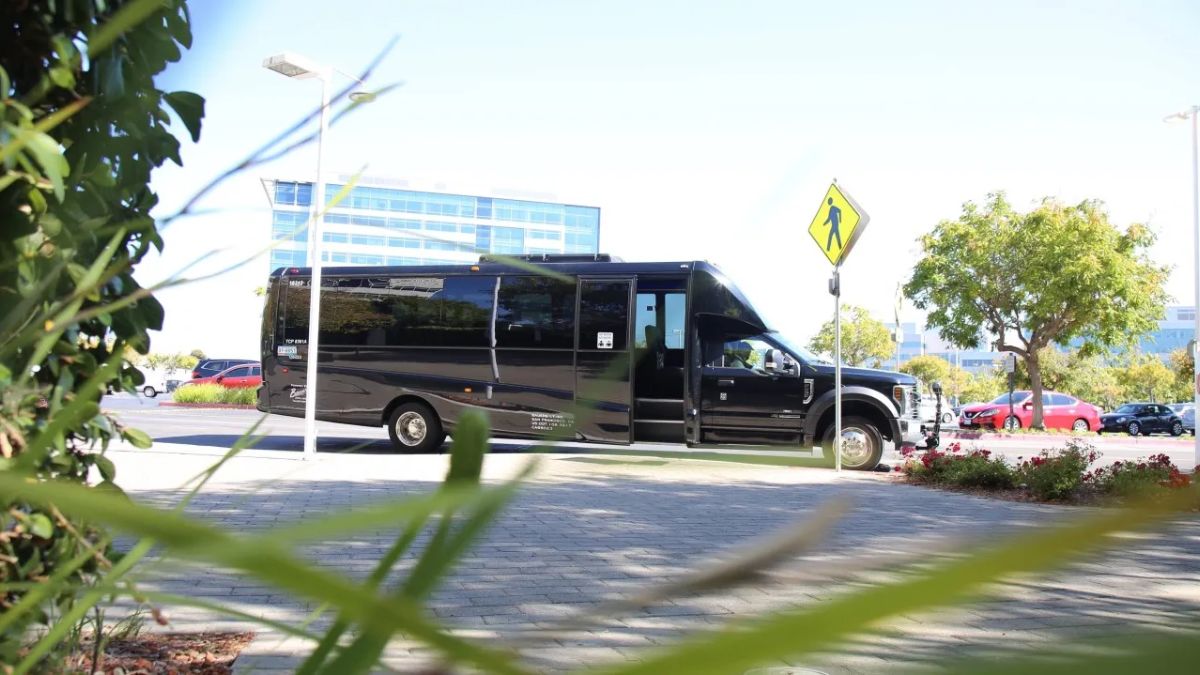
Ask whether the vehicle has a wheelchair lift, ramp, appropriate entry clearance, designated wheelchair securement points, and suitable seating arrangements. If you use a mobility scooter, confirm whether the provider can accommodate the scooter’s dimensions and weight.
Travelers who can transfer from a wheelchair to a vehicle seat should explain their requirements when requesting a booking. Those who need to remain in their wheelchair during travel should specifically ask whether the vehicle is designed to accommodate them safely.
It is also useful to ask whether the driver has experience assisting passengers with mobility equipment. Staff should understand how to operate accessibility equipment and follow appropriate securement procedures.
Do not rely solely on photographs or a provider’s general accessibility statement. Request confirmation that the specific vehicle assigned to your journey can accommodate both you and your equipment.
2. Dimensions
Mobility equipment varies considerably in size, weight, and design. Providing accurate measurements helps transportation providers determine whether a vehicle can accommodate the equipment safely.
Before booking, record the equipment’s length, width, height, and total weight. For powered wheelchairs and scooters, include the weight of batteries and any attached accessories when confirming the total load.
Ask the provider about the vehicle’s maximum lift capacity, doorway clearance, ramp dimensions, interior turning space, and available securement area.
A scooter may fit inside a vehicle but still be difficult to maneuver through a narrow doorway. Likewise, a wheelchair might fit through the entrance but not leave enough space for safe positioning once inside.
If the equipment folds or separates into components, explain how it is transported and whether you can manage those steps independently. Some passengers may need assistance with folding, lifting, or reassembling equipment.
Where possible, provide the manufacturer’s specifications or a photograph of the equipment. Written confirmation of compatibility can reduce the likelihood of discovering a problem when the vehicle arrives.
3. Border
Cross-border transportation may involve different procedures depending on whether you travel from the United States into Mexico or from Mexico into the United States.
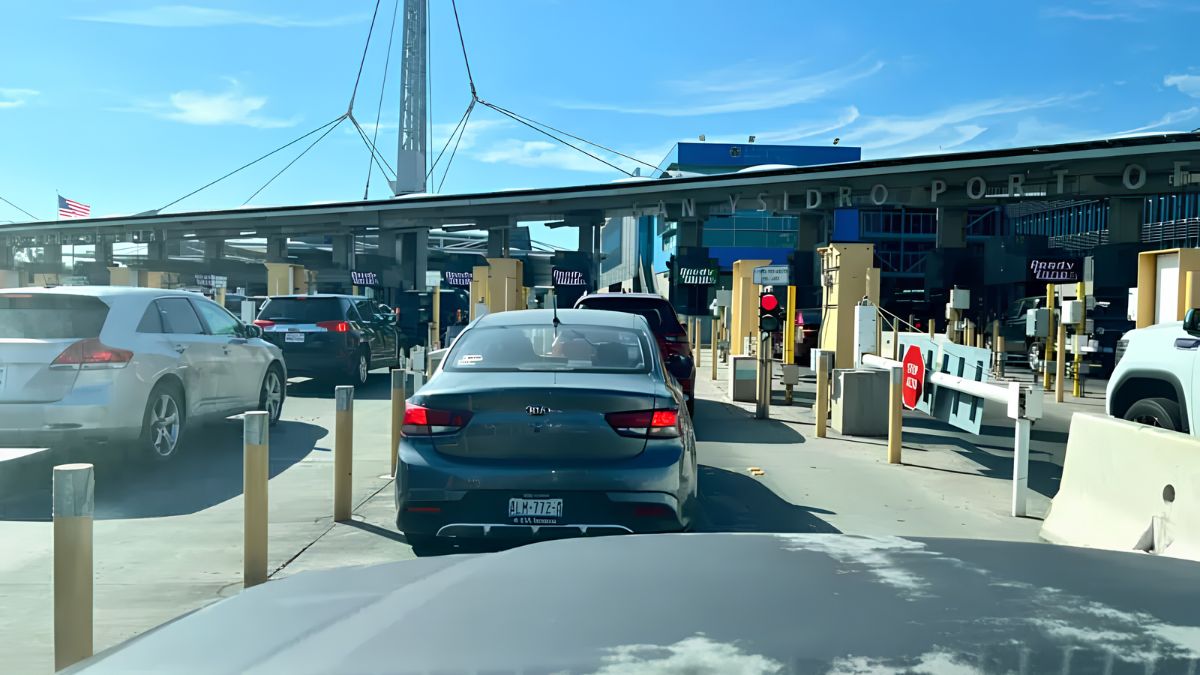
Ask the provider which crossing point the journey will use, where the vehicle will drop you off, and whether it will collect you again after the border formalities. Confirm whether the service operates across the border or whether you must transfer to another vehicle.
This distinction is particularly important when using a wheelchair or mobility scooter. A transfer that seems straightforward for other passengers may involve ramps, uneven surfaces, longer walking distances, or additional coordination for someone using mobility equipment.
Ask whether the provider has experience assisting passengers with disabilities at the relevant crossing. However, do not assume that a transportation company can control pedestrian access, inspection arrangements, queues, or the decisions of border officials.
Travelers should also confirm which identification or travel documents they need. The requirements may depend on citizenship, immigration status, travel purpose, and the direction of travel.
For official information, consult U.S. Customs and Border Protection for entry into the United States and Mexico’s National Institute of Migration for relevant Mexican immigration information. Verify requirements before departure rather than relying entirely on a driver or booking agent.
4. Timing
Accessibility arrangements can require additional coordination, so confirm the expected journey schedule well before departure.
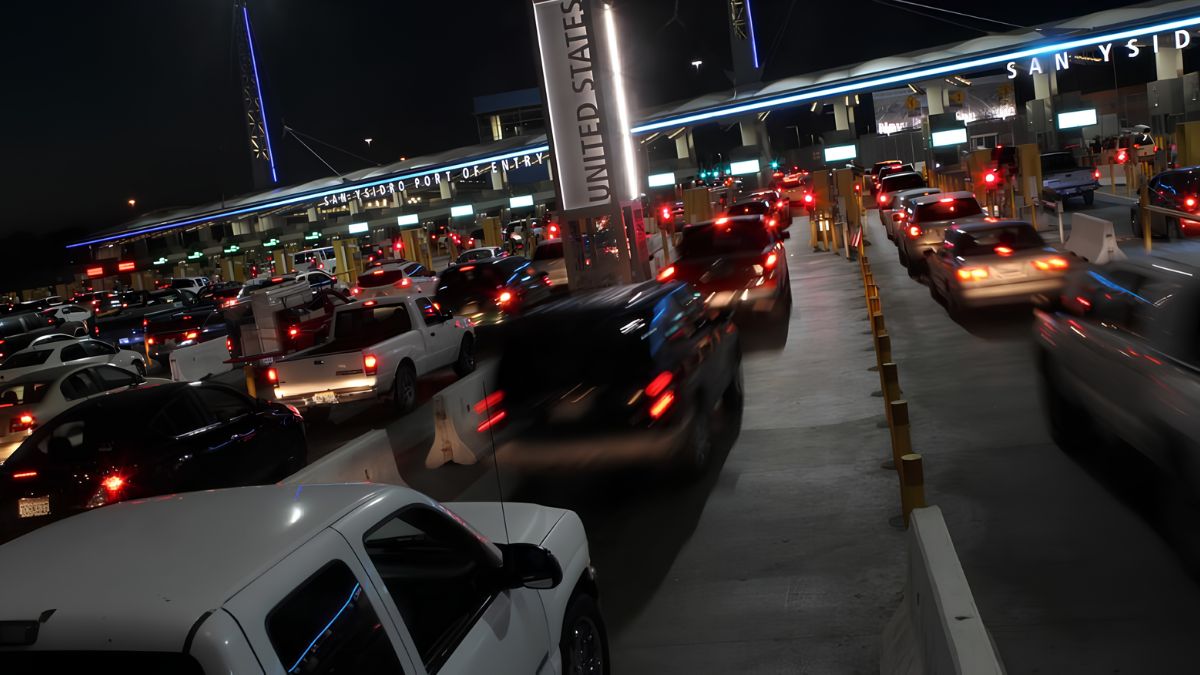
Ask when the vehicle will arrive, how much time is allocated for boarding, and whether the quoted travel time includes the border crossing. Border waiting times can change, and transportation providers generally cannot guarantee how long official inspections will take.
If your journey includes a medical appointment, hotel check-in, flight, or other time-sensitive commitment, explain the deadline when booking. Ask what happens if a delay affects the scheduled pickup or arrival.
It is also important to know the provider’s waiting-time policy. Some companies charge extra if border processing takes longer than expected, while others may have limited waiting periods or require a new booking for the return journey.
For travelers using powered equipment, allow time to check the battery, controls, tires, and any detachable components before leaving. Carrying essential equipment information can also help if assistance is required during the trip.
A realistic schedule should account for accessibility needs, possible border delays, and the time required to board and secure the equipment.
5. Security
Mobility equipment is essential for many travelers’ independence, so its handling during transportation deserves careful attention.
Ask whether your wheelchair or scooter will remain with you, be secured inside the passenger compartment, or be placed in a separate luggage area. If the equipment must be stored separately, confirm how it will be protected from impact, moisture, and improper handling.
For powered wheelchairs and scooters, discuss battery requirements in advance. Battery types, particularly lithium-ion batteries, may be subject to specific transportation and handling rules depending on the vehicle, carrier, and travel arrangements.
Do not assume that a provider can carry every battery configuration. Share the manufacturer’s battery specifications and ask whether the company has any restrictions.
If your wheelchair has removable cushions, a control unit, a communication device, or other sensitive components, ask how these items should be prepared for transport. Keep essential detachable items with you when practical and permitted.
Before departure, photograph your equipment and record its make, model, and serial number. This information can help with identification if the equipment is misplaced or damaged.
6. Assistance
Transportation providers differ in the type of assistance their drivers can offer. Some may help with boarding and luggage, while others may only operate the vehicle and require passengers to manage their own transfers.
Explain your needs clearly when booking. For example, you might need assistance guiding a wheelchair up a ramp, loading a folded walker, or positioning a scooter securely.
Ask whether the driver is trained to operate the vehicle’s accessibility equipment and whether another staff member is available if additional assistance is required.
It is equally important to clarify what the provider cannot do. Drivers may not be trained or authorized to provide personal care, lift passengers manually, administer medication, or assist with medical procedures.
If you require a travel companion or personal care assistant, confirm whether the vehicle has sufficient passenger seating and whether the additional traveler is included in the quoted price.
Clear expectations help both the passenger and the transportation company prepare appropriately.
7. Transfers
Some cross-border journeys involve more than one vehicle or transportation provider. A passenger might use an accessible vehicle to reach the border, cross through the designated inspection area, and continue in another vehicle afterward.
If your journey requires a transfer, ask exactly where it will happen and whether the transition is accessible. Confirm whether you must leave the vehicle, navigate a pedestrian area, or move between pickup points.
Find out who is responsible for coordinating the next vehicle and whether assistance will be available at the transfer location.
For wheelchair users, ask whether the same wheelchair can be used throughout the journey or whether any transfer requires moving to a different seat or equipment arrangement.
If you use a powered wheelchair, confirm how it will be transported if the next vehicle cannot accommodate it directly.
Request written instructions showing pickup locations, contact numbers, and the order of travel stages. This is particularly useful when multiple providers are involved or when you are unfamiliar with the crossing area.
8. Costs
Transportation prices can vary depending on the vehicle type, distance, waiting time, accessibility requirements, and number of passengers.
Request a detailed quote before confirming your booking. Ask whether the price includes the entire cross-border journey or only one section, and whether there are additional charges for equipment, extra assistance, tolls, parking, waiting, or changes to the schedule.
If a separate accessible vehicle is needed on the other side of the border, clarify whether that arrangement is included in the original booking.
Cancellation and rescheduling policies also deserve attention. Unexpected health concerns, border delays, or equipment problems may require changes to travel plans.
Ask whether the provider offers refunds or alternative arrangements if the assigned vehicle cannot accommodate your equipment as promised.
A written quote helps prevent misunderstandings and makes it easier to compare transportation options on a like-for-like basis.
9. Contingencies
Even carefully planned journeys can encounter unexpected problems. A vehicle may develop a mechanical fault, a lift may stop working, or the border crossing may experience significant delays.
Ask the provider what happens if the assigned accessible vehicle becomes unavailable. Find out whether a replacement vehicle with equivalent accessibility features can be supplied and how quickly assistance might arrive.
It is also worth asking whether the company has a direct contact number for travel-day problems and whether support is available outside regular business hours.
Prepare a backup plan for situations in which the journey cannot continue as scheduled. Depending on your circumstances, this might involve another accessible transportation provider, a nearby place to wait safely, or a contact person who can help coordinate arrangements.
Travelers who depend on powered mobility equipment should carry a charger where appropriate, check battery levels before departure, and understand the equipment’s limitations.
Keep essential medications, identification, contact information, and necessary personal items accessible rather than packing them in a compartment that may be difficult to reach.
10. Confirmation
Before departure, review the booking with the transportation provider and confirm that all important details have been recorded accurately.
The confirmation should identify the pickup location, departure time, destination, vehicle type, accessibility features, passenger count, equipment specifications, total cost, and any agreed assistance.
Ask for the provider’s name and a telephone number that will be answered on the day of travel. If multiple companies are involved, make sure you have the correct contact details for each stage.
It is helpful to confirm arrangements again shortly before departure, particularly if the booking was made well in advance. Changes in vehicle availability or staffing can affect accessibility arrangements, so reconfirmation provides an opportunity to address problems before they disrupt the journey.
Keep copies of booking confirmations and written accessibility commitments on your phone or in printed form. If the service does not match what was agreed, these records may help clarify the original arrangement.
Planning a cross-border journey with mobility equipment begins with asking specific questions about vehicle accessibility, equipment dimensions, border procedures, driver assistance, and contingency arrangements. For travelers between San Diego and Tijuana, confirming the details of each transportation stage can be particularly important when a journey involves transfers or separate providers.
The most suitable service is not necessarily the one with the lowest price or the shortest estimated travel time. It is the one that can accommodate the passenger and equipment safely, explain its limitations clearly, and provide reliable information before departure.
By documenting requirements, checking official border guidance, and reconfirming arrangements, travelers can make better-informed transportation decisions and reduce avoidable uncertainty.
FAQs
What should I ask an accessible transportation provider?
Confirm vehicle accessibility, equipment limits, assistance, pricing, and pickup arrangements.
Can I cross the border with a mobility scooter?
Requirements depend on your route and equipment. Confirm transport arrangements and travel documents before departure.
Should I share my wheelchair dimensions before booking?
Yes. Provide its dimensions and weight so the provider can verify vehicle compatibility.
Who handles delays during border crossings?
Ask the provider about waiting policies, communication procedures, and alternative arrangements.
How can I protect my mobility equipment?
Document your equipment, confirm secure handling, and discuss battery requirements before traveling.