Choosing a food gift in San Ysidro can be a practical way to share local flavors with friends, relatives, colleagues, or hosts. From packaged sweets and baked goods to regional specialties and shelf-stable snacks, food gifts can offer a personal touch without requiring an elaborate present. However, the best choice depends on more than appearance or price. Travel time, storage conditions, packaging, and the recipient’s dietary preferences all deserve consideration.
A gift that looks appealing in a shop may not be suitable for a long journey. Chocolate can soften in warm weather, fresh pastries may lose their texture, and refrigerated products can become unsafe if they are not kept at the appropriate temperature. Dietary restrictions also matter, particularly when the recipient avoids certain ingredients because of allergies, medical needs, religious practices, or personal preferences.
For shoppers in San Ysidro, a little planning can help make a food gift thoughtful, practical, and easier to transport. The following guide explains how to compare options, check ingredients, choose suitable packaging, and prepare a gift for the journey.
Preferences
Start by considering the recipient’s tastes and dietary needs. A gift is more likely to be appreciated when it reflects what the person enjoys and can comfortably eat.
If you know the recipient well, think about their preferred flavors and eating habits. They may enjoy savory snacks, fruit-based treats, baked goods, traditional sweets, or specialty beverages. If you are buying for a colleague, business contact, or someone whose preferences are unfamiliar, a selection of clearly labeled, individually packaged products may be a more flexible choice.
Dietary needs require additional care. Some people avoid dairy, gluten, eggs, nuts, or animal-derived ingredients. Others follow vegetarian, vegan, halal, or kosher dietary practices. These categories are not interchangeable, and a product suitable for one preference may not meet another person’s requirements.
When possible, ask the recipient about restrictions before shopping. If asking directly would spoil a surprise, consult someone who knows their preferences or choose products with transparent ingredient labels.
Avoid assuming that a product is suitable simply because its name or marketing suggests it is natural, plant-based, or traditional. Review the actual ingredients and relevant certification details. When a restriction relates to a serious allergy, do not rely on appearance or informal assurances alone.
Selection
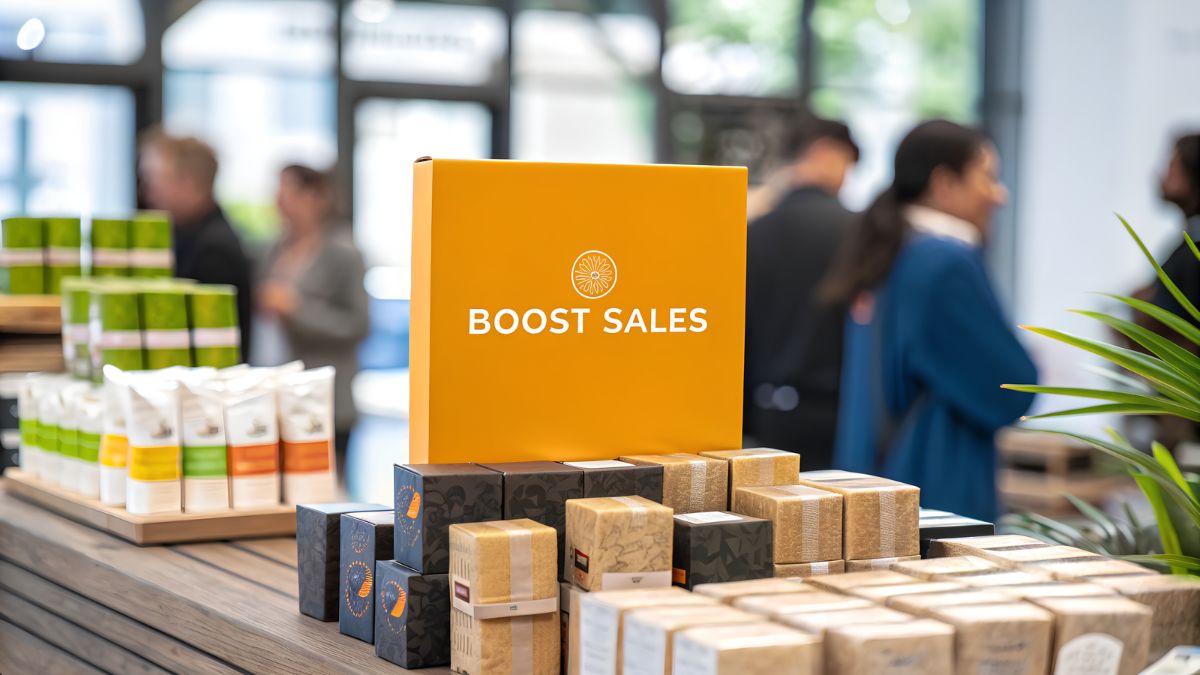
San Ysidro shoppers can explore different types of food gifts depending on availability, the recipient’s interests, and how long the gift must travel. Packaged regional specialties, sealed snacks, and shelf-stable sweets can be convenient options because they generally require less complicated handling than fresh or refrigerated foods.
Consider these categories when comparing gifts:
- Packaged sweets: Individually wrapped candies, cookies, and other confections may be easy to divide and share.
- Savory snacks: Crackers, chips, roasted snacks, and packaged specialty foods can suit recipients who prefer less-sweet options.
- Baked goods: Cookies and certain dry pastries may travel well when protected from crushing and moisture.
- Specialty products: Sauces, spice blends, preserves, and similar items can be appropriate when packaging is secure and transport rules permit them.
- Gift assortments: A selection of smaller products can accommodate different tastes, provided each item is clearly labeled.
When selecting a local or regional product, look for accurate information about its origin and ingredients. Do not assume that every product sold in San Ysidro was made locally. If the gift’s regional connection matters, ask the retailer about the manufacturer and place of production.
Travel
The distance and duration of the journey should influence your choice. A gift intended for a short drive has different requirements from one that will spend several hours in transit or travel by air.
Shelf-stable foods are often the simplest option because they can generally be transported without refrigeration when the manufacturer’s storage instructions are followed. Check the label for temperature limits, storage requirements, and expiration or best-before information.
Chocolate and other heat-sensitive products can soften or melt in warm conditions. If you choose them, keep them out of direct sunlight and avoid leaving them in a hot vehicle. Insulated packaging may help with temperature fluctuations, but it should not be treated as a substitute for refrigeration when a product requires it.
Fresh pastries, cream-filled desserts, dairy products, meat, seafood, and other perishable foods require more careful planning. If the item needs to remain refrigerated, use an appropriate insulated container and sufficient cold sources to maintain safe temperatures throughout the journey. Follow the product’s storage instructions and applicable food-safety guidance.
Packaging also matters. Fragile cookies can crumble, jars can leak, and soft items can become misshapen when packed beneath heavier objects. Choose sturdy containers, seal liquids securely, and keep delicate items separate from products that could crush them.
For a gift that must remain attractive after a long journey, durability should be considered alongside flavor.
Ingredients
Reading the ingredient label is one of the most important steps when choosing a food gift. It helps identify allergens, animal-derived ingredients, added sweeteners, and other components that may matter to the recipient.
In the United States, packaged foods commonly identify major allergens, including milk, eggs, fish, crustacean shellfish, tree nuts, peanuts, wheat, soybeans, and sesame. However, labeling details vary by product and regulatory requirements, so buyers should read the complete package rather than looking only for a short allergen statement.
For someone with a serious food allergy, check both the ingredient list and any advisory statements about possible cross-contact. A product labeled as vegan, for example, may still be manufactured in a facility that handles milk or nuts. Whether that presents an acceptable risk depends on the recipient’s specific needs.
Gluten-free requirements also deserve attention. A product that does not appear to contain wheat may still have ingredients or cross-contact risks that make it unsuitable for someone with celiac disease.
For vegetarian or vegan recipients, review ingredients such as gelatin, dairy, eggs, and certain additives when relevant. For halal or kosher requirements, look for appropriate certification where needed instead of relying solely on the product’s general description.
The US Food and Drug Administration provides official information about food allergies and food labeling. This resource can help shoppers understand common allergen labeling and why checking packaging is important.
Packaging
Good packaging protects the food and helps the gift arrive in presentable condition. Choose containers that suit the product rather than selecting packaging based only on appearance.
Individually wrapped items can be useful when several people will share the gift. Rigid boxes can protect fragile baked goods, while sealed pouches may be convenient for dry snacks. Jars and bottles should have secure lids and protective wrapping to reduce the chance of leakage or breakage.
If the gift includes several products, consider placing them in a sturdy gift bag or box with enough cushioning to prevent movement. Keep food away from cleaning products, cosmetics, and other items that could contaminate it during transport.
Temperature is another consideration. Paper gift boxes and decorative wrapping do not provide meaningful temperature control. If a product needs to stay cold, use suitable insulated packaging and verify that the required temperature can be maintained.
Check that the packaging is intact and that the product has not passed its stated date. Avoid buying items with damaged seals, leaking containers, or unclear storage instructions.
For food gifts intended for air travel, consider the type of product and the rules of the airline and destination. Liquids, gels, spreads, and certain packaged foods may be subject to restrictions, particularly in carry-on luggage or when crossing international borders.
Budget
A thoughtful food gift does not need to be expensive. Setting a budget before shopping helps you compare products without sacrificing quality, suitability, or safe packaging.
Start by deciding whether you want one specialty item or a small assortment. A single product from a maker the recipient enjoys can feel personal, while several individually packaged items may offer greater variety.
Remember to include the cost of packaging and any temperature-control materials. A refrigerated gift may require additional supplies that make it less convenient than a shelf-stable alternative.
| Gift option | Main advantage | What to check |
|---|---|---|
| Packaged cookies | Convenient to transport | Fragility and allergens |
| Wrapped sweets | Easy to share | Heat sensitivity and ingredients |
| Dry savory snacks | Often shelf-stable | Sodium, allergens, and flavor |
| Preserves or sauces | Suitable for many food lovers | Leakage and transport restrictions |
| Refrigerated treats | Can feel distinctive | Cold storage and journey duration |
Compare the actual product size, ingredient quality, packaging, and storage needs rather than choosing solely by price. A smaller gift that arrives intact and suits the recipient may be more useful than a larger assortment that cannot be enjoyed.
Presentation
Presentation can make a simple food gift feel more personal. A short note explaining why you chose the products can add meaning without requiring elaborate decoration.
You might mention the flavor you thought the recipient would enjoy, the product’s regional connection, or the occasion for the gift. If you are giving several items, a small card identifying each product can make the assortment easier to understand.
Keep labels visible, particularly when the package contains several different foods. If the recipient has dietary restrictions, retaining original packaging and ingredient information is more helpful than transferring everything into unmarked containers.
Avoid removing manufacturer labels simply to create a cleaner appearance. The original packaging may contain important allergen information, storage instructions, and product dates.
For a gift intended for a group, individually wrapped products can simplify distribution. However, do not describe a product as allergen-free unless you have reliable information supporting that claim.
Transport
Before leaving the store, check whether the products can safely withstand the expected journey. Consider travel duration, weather, vehicle temperature, luggage space, and whether the gift will be carried by hand or checked in for a flight.
For short trips, shelf-stable products in secure packaging may need little additional preparation. For longer journeys, place food in a suitable bag or container and protect it from crushing, moisture, and direct sunlight.
If you are crossing the US-Mexico border, check current customs and agricultural requirements for the specific food products you plan to carry. Rules may differ for fresh produce, meat, dairy, seeds, and other agricultural goods. A product available for purchase in San Ysidro is not automatically permitted across the border.
Official guidance is available through US Customs and Border Protection and the US Department of Agriculture’s Animal and Plant Health Inspection Service. Check the applicable requirements before traveling, particularly if the gift contains agricultural products or is intended for someone in another country.
If you are flying, review current security and baggage rules. Keep receipts when useful and avoid packing fragile or temperature-sensitive products in a way that exposes them to unnecessary pressure or heat.
Choosing a food gift from San Ysidro is easier when you consider the recipient, the product’s ingredients, and the journey together. Shelf-stable foods often offer the simplest transport options, while fresh or refrigerated items require more attention to temperature and timing. By checking labels, choosing secure packaging, and verifying any relevant travel restrictions, you can select a gift that is practical, thoughtful, and more likely to arrive in good condition.
FAQs
What food gifts travel well from San Ysidro?
Sealed snacks, packaged sweets, and other shelf-stable products are often practical choices.
How can I check whether a food gift suits allergies?
Read the full ingredient list and allergen statements, and verify concerns with the manufacturer.
Are refrigerated foods good gifts for long trips?
They can be, provided appropriate cold temperatures are maintained throughout the journey.
Can I take food gifts across the US-Mexico border?
Check current customs and agricultural rules for the specific foods before traveling.
Should I keep the original food packaging?
Yes. It preserves ingredient, allergen, storage, and date information.