
Buying cookware, small kitchen appliances or replacement parts in San Ysidro can be easier when you know what to compare before visiting a store. Whether you need a new frying pan, a blender for everyday smoothies, a compact coffee maker or a replacement component for an appliance you already own, the cheapest option is not always the best value. Product quality, compatibility, warranty coverage and everyday convenience all matter.
San Ysidro shoppers may have access to a variety of retail options, from general merchandise stores to specialty kitchen suppliers. With so many products offering similar features, a little preparation can help you avoid unnecessary spending and choose items that suit your kitchen, budget and cooking habits.
Needs
Before comparing prices, identify exactly what you need. This simple step can prevent impulse purchases and help you focus on products that solve a real problem.
If you are replacing an old frying pan, consider its size, cooking surface and compatibility with your stovetop. If you are shopping for a small appliance, think about how often you will use it, how much counter space it requires and whether it is easy to clean.
Replacement parts require even more attention. A blender jar, coffee maker filter basket or appliance power component may look similar to another model but still be incompatible. Check the manufacturer’s name, model number and part number before buying.
It also helps to separate essential requirements from optional features. A basic toaster may be sufficient for everyday breakfasts, while a food processor could justify additional functions if you regularly prepare meals from scratch.
Cookware
Cookware comes in different materials, sizes and designs, and each option has advantages and limitations. Understanding these differences makes it easier to compare products based on performance rather than appearance alone.
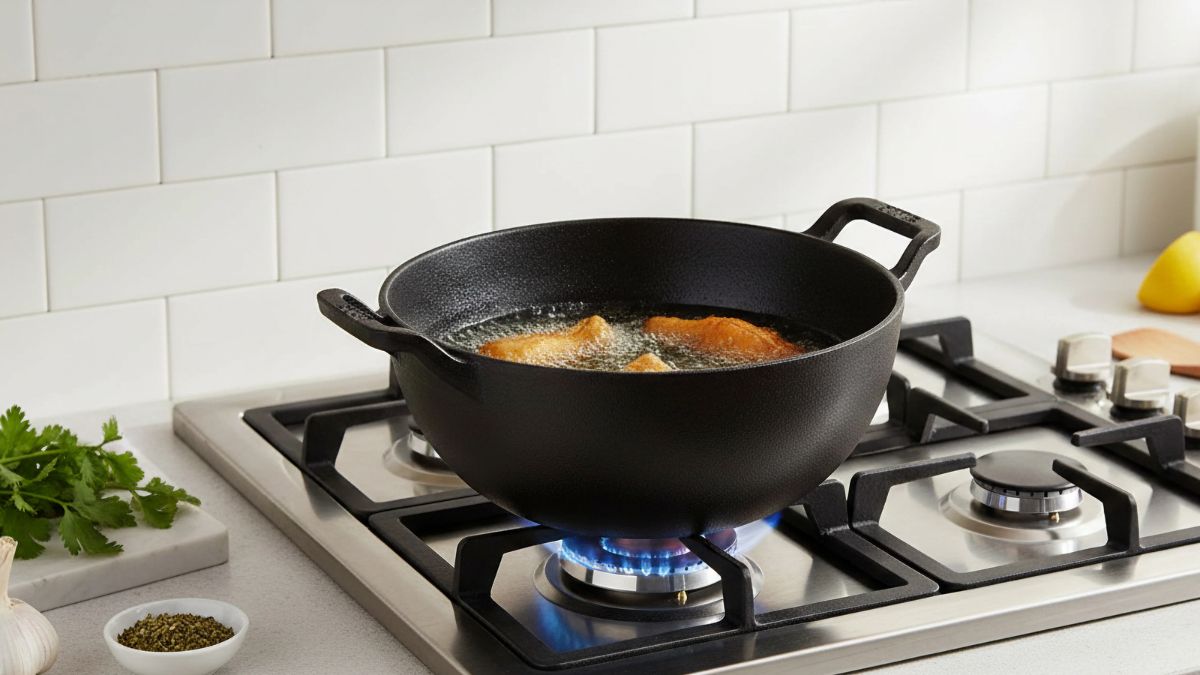
Stainless steel cookware is popular for its durability and versatility. It can handle a range of cooking tasks, although some foods may stick when the pan is not used properly. Cast iron retains heat well and can be useful for searing, but it is heavier and generally needs specific care to prevent rust.
Nonstick cookware can make cooking eggs, pancakes and other delicate foods easier. However, the coating can wear over time, so care instructions and recommended utensils are important. Aluminum cookware is often lightweight and heats quickly, but its construction and coating affect durability and cooking performance.
When comparing cookware, check the following:
- Material: Choose a material suited to the foods you cook most often.
- Size: Make sure the pan or pot fits your household’s typical portions.
- Stovetop compatibility: Confirm whether it works with gas, electric or induction cooking.
- Handles: Look for secure, comfortable handles that suit your cooking habits.
- Cleaning: Check whether the item is dishwasher-safe or requires handwashing.
- Construction: Inspect the base, joints, finish and overall sturdiness.
A cookware set may seem like a bargain, but buying individual pieces can be more practical if you only use a few sizes. Compare the cost of the complete set with the price of the pieces you actually need.
Appliances
Small kitchen appliances can save time, simplify meal preparation and make everyday routines more convenient. Common options include blenders, toasters, electric kettles, coffee makers, hand mixers, rice cookers and compact food processors.
The right choice depends on how you plan to use the appliance. A powerful blender may be useful for crushing ice or preparing thick mixtures, while a basic model could be sufficient for softer ingredients. Similarly, a coffee maker with programmable settings may appeal to someone with a busy morning routine, but those features may not justify the higher price for occasional users.
Compare appliances by looking beyond the advertised power rating or number of functions. Consider capacity, operating noise, cleaning requirements, available accessories and the cost of replacement components.
Energy use can also matter, particularly for appliances used frequently. A more expensive model is not automatically more efficient, so check the product’s specifications and any available energy information before deciding.
Before making a purchase in San Ysidro, verify that the appliance is designed for the electrical supply where you intend to use it. If you plan to take it across the border or use it in another country, check voltage, frequency, plug type and manufacturer guidance. An adapter changes plug compatibility but does not necessarily convert voltage.
Parts
Replacement parts deserve a separate comparison because compatibility is often more important than price. Buying the wrong component can waste money and may prevent an appliance from working safely.
Start by locating the model number on the appliance’s rating label, packaging or instruction manual. Then compare that number with the specifications listed for the replacement part. If the manufacturer provides an official parts diagram or compatibility list, use it to confirm the correct item.
Pay attention to the difference between original equipment manufacturer parts and compatible alternatives. Original parts are made for the manufacturer’s product line, while third-party components may be designed to fit several models. A compatible part can offer good value, but you should verify its dimensions, specifications, materials and safety information.
Before purchasing, check:
- Whether the part fits your exact model and production version.
- Whether the package includes necessary seals, screws or adapters.
- Whether installation requires special tools or technical knowledge.
- Whether the part affects the manufacturer’s warranty.
- Whether the seller accepts returns for incorrectly ordered components.
For electrical, heating or pressure-related components, do not rely on appearance alone. A part that seems to fit may still have different ratings or specifications. Follow the manufacturer’s instructions, and use a qualified repair professional when installation involves electrical hazards or other safety risks.
Pricing
Comparing prices is useful, but the displayed price rarely tells the whole story. Two similar products may differ in durability, included accessories, warranty coverage and expected maintenance costs.
A practical comparison should include the initial purchase price and the expenses you may face later. For example, a coffee maker with a lower price may use filters that cost more or are harder to find. A blender with a replaceable jar may offer better long-term value than one that requires replacing the entire unit after the jar breaks.
Use a simple comparison table before visiting stores.
| Comparison factor | What to check |
|---|---|
| Purchase price | Regular price, discounts and final checkout cost |
| Build quality | Materials, finish and construction |
| Features | Functions you will realistically use |
| Accessories | Included lids, blades, filters or attachments |
| Maintenance | Cleaning products and routine upkeep |
| Replacement parts | Availability and expected cost |
| Warranty | Coverage period, exclusions and service process |
| Returns | Deadline, condition requirements and restocking fees |
Prices and promotions can change, so verify current details directly with the retailer. If you shop online, check whether shipping charges, delivery time or return postage change the total cost.
Quality
Product quality is not always obvious from packaging or advertising. Whenever possible, inspect cookware and appliances before paying.
For cookware, check for uneven bases, loose handles, rough edges and visible damage to coatings. For appliances, examine the housing, buttons, cord, plug and included accessories. If a product is sold in a sealed package, ask whether an unopened display unit or manufacturer specification sheet is available.
Customer reviews can provide useful context, particularly when several buyers report the same problem. However, avoid relying on a single review or star rating. Look for detailed comments about long-term performance, cleaning, noise, durability and customer service.
Product labels and manuals can also help you evaluate whether an item suits your needs. For cookware with nonstick coatings, follow the manufacturer’s temperature limits and utensil recommendations. For appliances, review cleaning instructions and safety warnings before use.
The U.S. Consumer Product Safety Commission provides product safety information and recall notices at CPSC.gov. Checking for recalls is especially sensible when buying used appliances or older products.
Warranties
Warranty coverage can make a meaningful difference when comparing products at similar prices. A longer warranty may offer additional peace of mind, but the length alone does not tell you everything.
Read the terms to understand what the manufacturer covers, how claims are handled and whether you must pay for shipping or service. Some warranties cover manufacturing defects but exclude normal wear, accidental damage or problems caused by improper use.
Ask whether the seller provides a separate store warranty or simply passes through the manufacturer’s coverage. Keep your receipt, product packaging where practical, model number and warranty documentation.
If you are purchasing an appliance or part for use outside the United States, check whether the warranty is valid in the destination country. International warranty service may be limited, and a product could be difficult or expensive to repair if the manufacturer does not support it locally.
For general consumer guidance, the Federal Trade Commission explains warranty considerations at FTC.gov.
Shopping
A short plan can make shopping in San Ysidro more efficient. Start by researching the products you are considering, then contact stores to confirm availability and current pricing before traveling.
If you are comparing several retailers, record the exact model number rather than relying on a general product description. This is especially important for replacement parts and appliances with multiple versions. Two products may share a brand name and similar appearance while having different specifications.
Take measurements when buying cookware organizers, compact appliances or replacement components. Knowing the available counter space, cabinet height or original part dimensions can help you avoid a poor fit.
It is also worth checking the store’s return policy before purchasing discounted or clearance merchandise. Some items may have restricted returns, particularly if they are opened, used or sold as final sale.
For shoppers planning to carry purchases across the U.S.-Mexico border, check current official customs requirements before traveling. Rules can vary depending on the item, its value, intended use and other circumstances. The U.S. Customs and Border Protection website is a useful starting point for official information.
Decisions
Once you have compared the available options, choose the product that offers the best balance of performance, price, convenience and long-term support.
For cookware, prioritize material, cooking compatibility and ease of care. For small appliances, focus on the functions you will use regularly, along with cleaning, energy use and repair options. For replacement parts, confirm compatibility before considering any other factor.
Avoid paying extra for features that do not match your needs, but do not assume the lowest price represents the greatest savings. A durable product with accessible replacement parts may be more economical over time than a cheaper item that is difficult to maintain.
The most effective shopping strategy is straightforward: identify your needs, compare exact models, verify specifications and review the return and warranty terms. With these steps, San Ysidro shoppers can make more confident kitchen purchases and reduce the risk of buying products that do not fit their homes or routines.
FAQs
What should I compare when buying cookware?
Compare material, size, stovetop compatibility, durability and cleaning requirements.
How can I find the right replacement part?
Check the appliance model number and verify compatibility with the manufacturer.
Are expensive kitchen appliances always better?
No. Compare useful features, quality, maintenance costs and warranty coverage.
Should I check a store’s return policy?
Yes. Confirm deadlines, exclusions and conditions before completing your purchase.
Where can I check appliance safety recalls?
Visit the U.S. Consumer Product Safety Commission website at CPSC.gov.