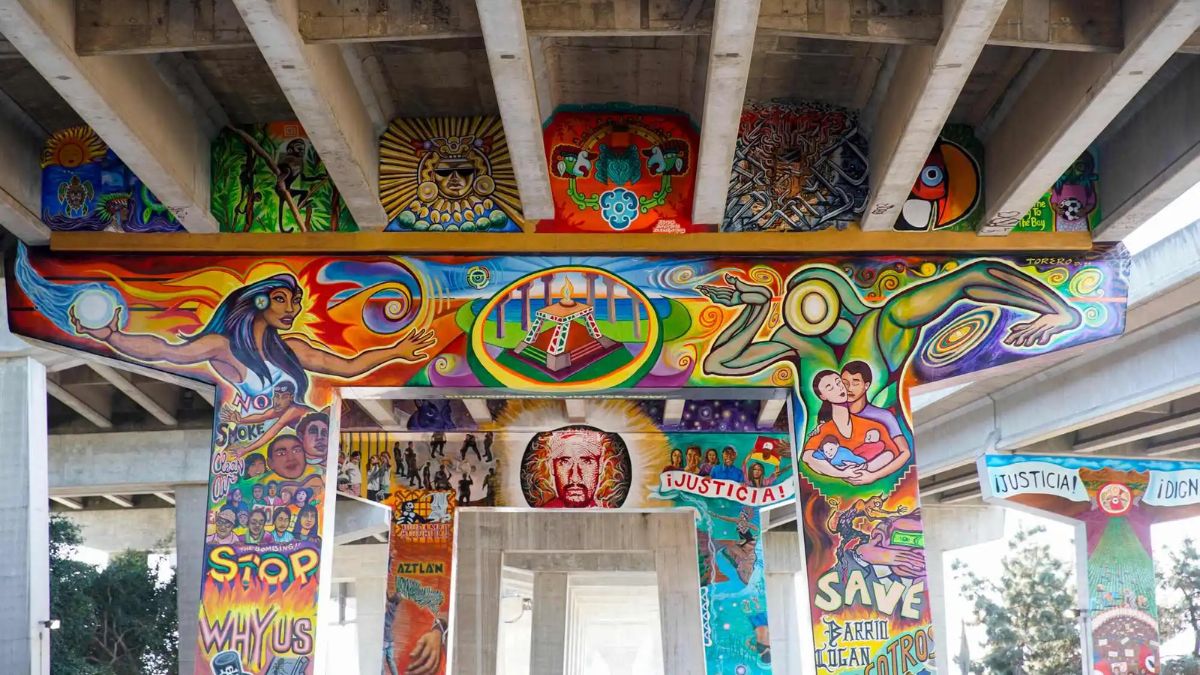
Public art and community murals help give San Ysidro its distinctive character. They can celebrate local history, reflect the experiences of residents, recognize cultural traditions and turn ordinary walls into meaningful neighborhood landmarks. However, outdoor artwork faces challenges from weather, fading paint, vandalism, accidental damage and redevelopment. Preserving these pieces requires more than occasional repairs. It depends on residents, artists, property owners and local organizations working together.
Residents do not need to be artists or preservation experts to make a difference. Reporting damage, documenting changes, respecting artwork and participating in neighborhood initiatives can all help protect public art for future generations. By knowing the right ways to respond, community members can support preservation while respecting property rights and the people who created the work.
Importance
Community murals are more than decorative features. They can tell stories about neighborhood identity, migration, cultural heritage, family traditions and shared experiences. For residents, a familiar mural may serve as a meeting point or a visual reminder of the people and events that helped shape the area.
Public art can also encourage people to explore their surroundings and take greater interest in local spaces. When artwork is maintained, it can contribute to a welcoming neighborhood environment and demonstrate that residents care about their community.
In San Ysidro, where local identity and cross-border connections are important parts of community life, murals may reflect a range of cultural perspectives. Protecting them means recognizing their artistic value while understanding the stories and relationships behind them.
Preservation should not mean freezing a neighborhood in time. Communities change, and public art sometimes needs repair, replacement or relocation. The goal is to make those decisions thoughtfully, with appropriate consultation and respect for the artist, property owner and community.
Observation
One of the easiest ways to support public art preservation is to notice changes before they become serious problems. Residents who regularly walk past a mural may recognize early signs of deterioration that occasional visitors overlook.
Look for fading colors, peeling paint, cracks in the wall, water stains, damaged protective coatings, graffiti or debris accumulating around the artwork. Some issues may be caused by ordinary weather exposure, while others could indicate a maintenance problem that requires professional attention.
Not every change means a mural is being damaged. Artists may intentionally update a work, and property owners may arrange authorized maintenance. Before reporting an issue as vandalism, consider whether the change could be part of a planned project.
When documenting a concern, record the location, date and visible condition of the artwork. Photographs can help show the extent of the damage, especially if they include both a close-up and a wider view showing the surrounding area.
Avoid trespassing, climbing walls or entering restricted areas to obtain better photographs. Your safety matters more than getting a detailed image.
Reporting
Responsible reporting helps ensure that concerns reach the people best placed to address them. The correct contact depends on the mural’s location, ownership and the type of problem involved.
For artwork on city-owned property, residents can begin with the City of San Diego’s official service and reporting channels. San Ysidro is part of the City of San Diego, so municipal resources may be relevant for public infrastructure and city-managed locations. However, not every mural in the neighborhood is city-owned.
Residents can use the City of San Diego’s official website to locate current service-request information and identify the appropriate department. If the artwork is on private property, contacting the property owner or manager may be the more suitable first step.
For reporting, provide clear and factual information:
- Location: Give the street address, nearby intersection or recognizable landmark.
- Description: Explain what appears damaged, including its approximate size and condition.
- Timing: State when you noticed the problem, if known.
- Evidence: Include clear photographs taken from a safe, publicly accessible location.
- Urgency: Mention immediate hazards, such as unstable materials or damage affecting pedestrian access.
Avoid speculation about who caused the damage. A useful report describes observable facts rather than assigning blame without evidence.
If the incident involves an immediate threat, violence or a safety emergency, contact emergency services. For non-emergency vandalism or property damage, follow the appropriate local reporting process. Do not confront suspected vandals or attempt to stop damage yourself.
Documentation
Consistent documentation can help communities understand how public art changes over time. A single photograph may show that a mural has faded, but photographs taken periodically can reveal whether deterioration is accelerating or whether a repair has improved its condition.
Residents can create a simple personal record containing the mural’s location, approximate date of observation and notes about visible changes. Community groups may also maintain shared inventories, provided they have appropriate permission and a clear process for handling information.
A useful record might include:
| Information | Why it matters |
|---|---|
| Mural location | Helps the responsible party find the artwork |
| Date observed | Establishes when a condition was recorded |
| Photographs | Shows visible damage or changes over time |
| Condition notes | Helps identify fading, cracking or other concerns |
| Report reference | Makes follow-up easier when a report is submitted |
| Follow-up date | Helps track whether the issue has been addressed |
When sharing photographs online, be thoughtful about privacy. Avoid publishing personal information, making unsupported accusations or including identifiable images of people in ways that could put them at risk.
Documentation should support preservation, not turn community members into investigators. Residents can record what they observe and leave formal investigations to the appropriate authorities.
Participation
Reporting problems is important, but local engagement can help prevent damage and build stronger support for public art.
Residents can attend neighborhood meetings, participate in community cleanups and ask local organizations whether mural maintenance or preservation projects are planned. San Ysidro community groups may also be able to connect volunteers with artists, property owners and organizations involved in neighborhood improvement.
The City of San Diego’s community engagement resources can help residents identify municipal programs and neighborhood participation opportunities. Availability and eligibility vary by program, so check current information before making plans.
Practical ways to participate include helping organize a cleanup around a mural, sharing information about an artwork’s history, supporting an artist’s public presentation or encouraging responsible behavior near vulnerable installations.
Before organizing work directly on or around a mural, obtain permission from the property owner and coordinate with the artist or responsible organization. Even well-intentioned cleaning can remove protective coatings or damage delicate paint.
Volunteers should not repaint, scrub, seal or alter a mural without authorization. Preservation work often requires knowledge of the original materials and techniques, and an incorrect repair can cause more harm than the original problem.
Collaboration
Successful preservation depends on cooperation. Artists understand the creative intentions and materials behind their work. Property owners understand site conditions and access requirements. Local organizations may have experience coordinating volunteers, raising funds or arranging public events. Residents contribute local knowledge and the ability to notice changes.
Bringing these perspectives together can help communities respond more effectively when a mural needs attention.
If a mural is damaged, the first step should be to identify who owns or manages the property and whether an artist or preservation group is already responsible for maintenance. This can prevent duplicated efforts and reduce the risk of unauthorized repairs.
For artwork connected to a community program, residents can ask whether a maintenance plan exists. Such a plan might identify who receives reports, how frequently the mural is inspected, which materials are appropriate for repairs and how funding will be secured.
When a mural is threatened by construction or redevelopment, residents can seek information about the project and ask whether the artwork can be documented, retained or relocated. Any proposed solution should consider property rights, safety requirements, artist agreements and applicable local rules.
Community consultation is especially valuable when a mural represents a particular cultural group or historical experience. Preservation decisions should take those connections seriously rather than treating the artwork as an interchangeable decoration.
Prevention
Preventing damage is often easier than restoring a mural after serious deterioration. Residents can help by keeping the surrounding area clean, avoiding contact with painted surfaces and reporting conditions that could accelerate damage.
Water intrusion, excessive moisture, vegetation growth and damaged wall surfaces can all affect outdoor artwork. These problems generally require assessment by the property owner or qualified professionals rather than informal volunteer repairs.
Residents should also avoid placing stickers, signs or other objects directly on murals without permission. Even temporary materials can leave adhesive residue, discolor paint or interfere with protective coatings.
Community awareness can support prevention, too. Neighborhood newsletters, local social media groups and community events can explain why murals matter and provide clear instructions for reporting damage.
Educational efforts should focus on shared responsibility rather than confrontation. Encouraging people to respect public art is more constructive than publicly accusing individuals or groups based on assumptions.
Funding
Preservation can require money for inspections, supplies, artist fees, protective treatments and structural repairs. While some minor maintenance may be manageable through existing programs, extensive restoration can require professional expertise and dedicated funding.
Residents can help by asking property owners, community organizations and relevant local agencies whether funding or grant opportunities are available. Fundraising events, local sponsorships and community donations may also support authorized projects.
Before collecting money, establish who will manage the funds, what the money will cover and who has approved the work. Transparent arrangements help build trust and ensure that contributions are used for their intended purpose.
It is also important to recognize that not every mural should be restored indefinitely. Some works were designed to be temporary, while others may have deteriorated beyond practical repair. Decisions should consider artistic intent, cultural significance, physical condition, costs and community input.
The aim is thoughtful stewardship, not preservation at any cost.
Action
Residents can start with a few manageable steps: identify murals in their regular neighborhood routes, learn how to report concerns, document visible damage safely and find out which local organizations support public art.
The following resources provide useful starting points:
- City of San Diego for municipal services, local programs and neighborhood engagement.
- San Diego Commission for Arts and Culture for information about local arts initiatives and cultural programs.
- California Arts Council for statewide arts programs, resources and funding information.
Check current program details and eligibility before applying for assistance or organizing an initiative.
Preserving San Ysidro’s public art is a shared responsibility built on small, consistent actions. By reporting damage accurately, respecting artists’ work, supporting authorized maintenance and participating in local discussions, residents can help keep murals meaningful and accessible.
When community members work with artists, property owners and local organizations, preservation becomes more than repairing paint. It becomes a way to protect neighborhood stories, strengthen local connections and ensure that future generations can continue to experience the art that makes their community distinctive.
FAQs
How can residents report mural damage in San Ysidro?
Document the damage and contact the property owner or appropriate city service.
Can volunteers repaint a damaged community mural?
Only with proper permission and coordination with the artist or responsible organization.
What details should a mural damage report include?
Include the location, date, damage description and clear photographs if safe.
Why is public art preservation important?
It helps protect local history, cultural expression and neighborhood identity.
How can residents support mural preservation?
Join approved cleanups, attend local meetings and report problems responsibly.