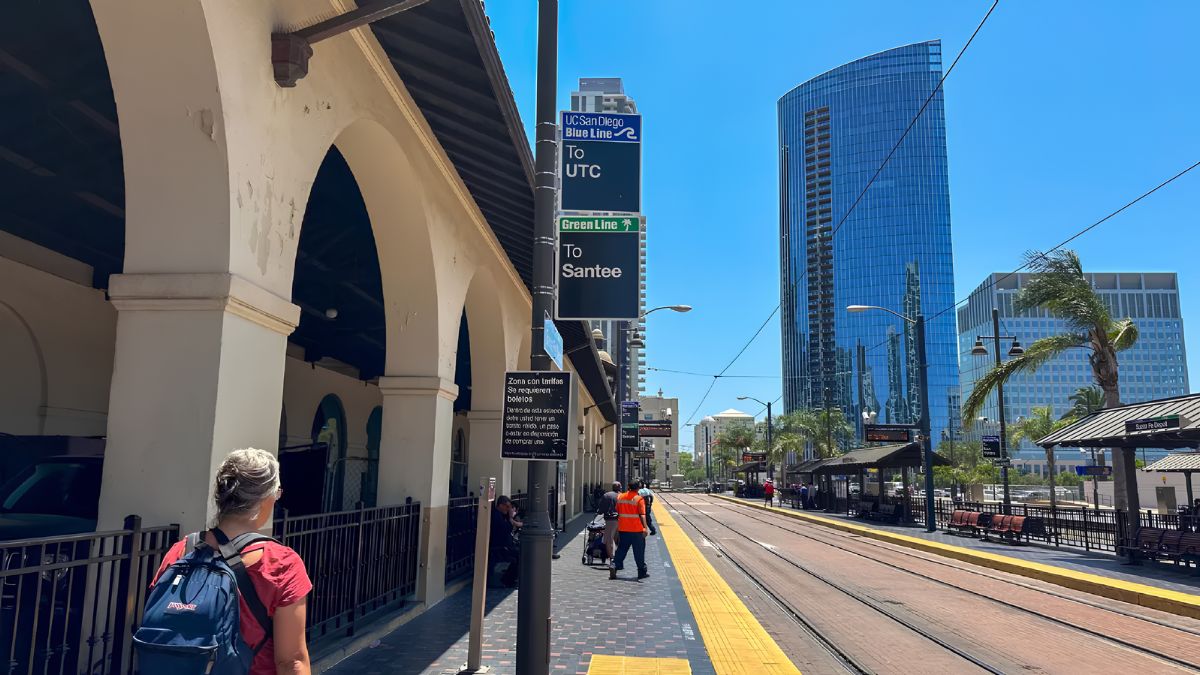
The San Diego Trolley provides a direct public transportation option for reaching San Ysidro, the southernmost major stop on the region’s Blue Line. For residents, commuters, visitors, and travellers heading toward the U.S.-Mexico border, knowing the trolley network can make planning a trip easier and reduce uncertainty about transfers, tickets, and arrival points.
San Ysidro Transit Center is an important transportation hub near the international border crossing. The station connects trolley services with local bus routes and provides access to nearby shops, services, and pedestrian routes toward the border. Travellers may use it for cross-border journeys, shopping trips, work commutes, or connections to other parts of San Diego County.
The journey itself is relatively straightforward because the Blue Line serves San Ysidro directly. However, the best departure station, travel time, fare option, and transfer arrangements depend on where a passenger starts. Checking service information before leaving is particularly useful during weekends, holidays, maintenance work, or periods of service disruption.
This guide explains how to reach San Ysidro by trolley, where to transfer, how to pay, and what to consider before starting the journey.
Routes
The San Diego Trolley is operated by the San Diego Metropolitan Transit System (MTS). Its three principal trolley lines are the Blue Line, Orange Line, and Green Line. These routes serve different parts of the metropolitan area and connect at selected stations.
The Blue Line is the main route for reaching San Ysidro. It runs between the UTC area in northern San Diego and San Ysidro Transit Center in the south, passing through major stations in central San Diego and communities along the route.
Passengers travelling from downtown San Diego can generally board a southbound Blue Line trolley and remain on the train until San Ysidro. This avoids the need for an additional trolley transfer.
Travellers arriving from areas served by the Green or Orange lines may need to change trains at a station where their route connects with the Blue Line. The most appropriate transfer depends on the starting point and the current service pattern.
Before travelling, consult the official MTS Trolley information page for route maps, station details, and service updates.
Stations
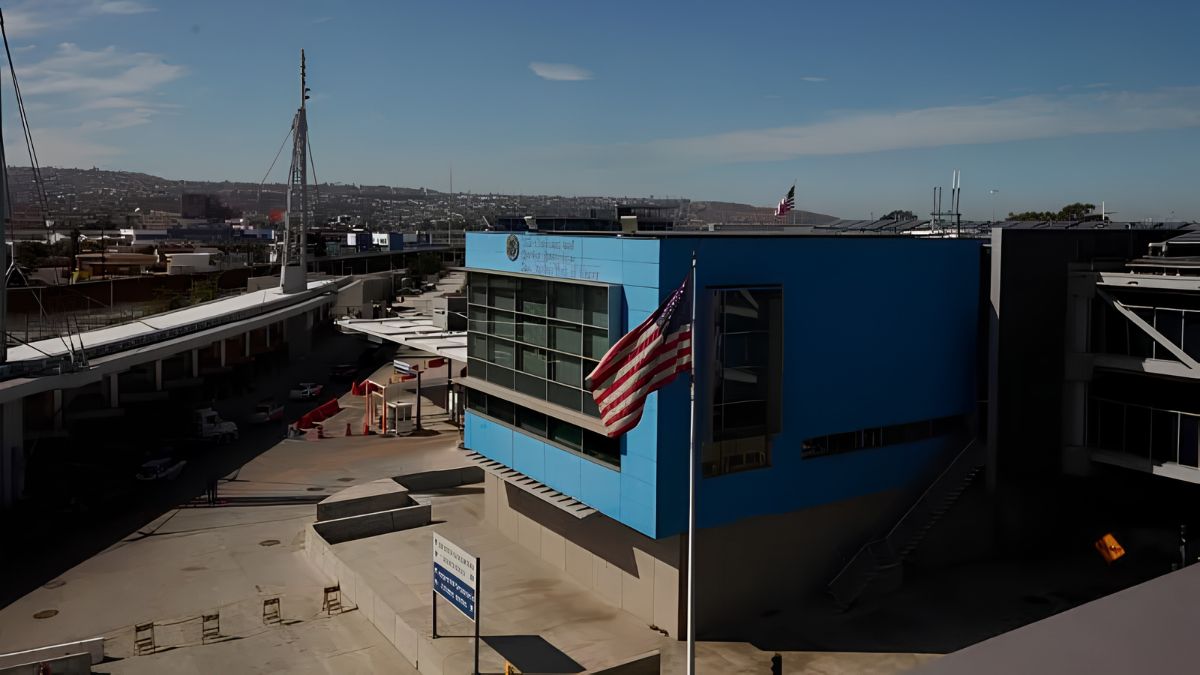
San Ysidro Transit Center is the southern terminus of the Blue Line and the principal trolley station for people travelling to the border area. The station is close to the San Ysidro Port of Entry, although passengers should allow additional time to walk to the crossing and complete any required border formalities.
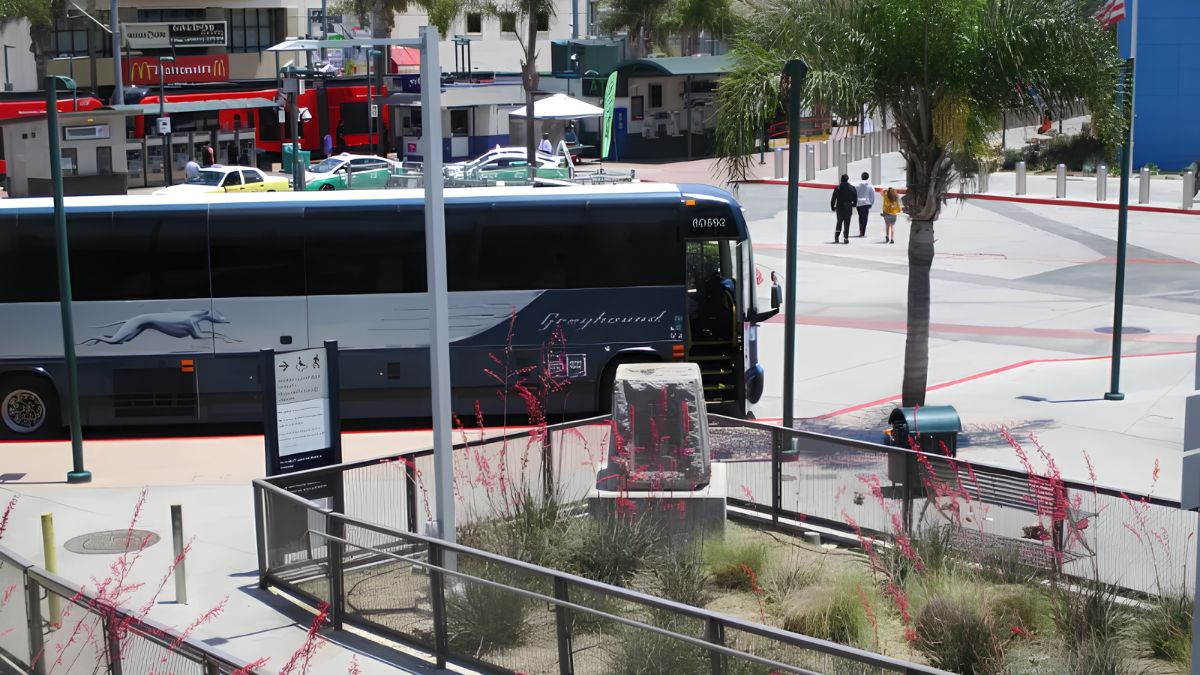
The station’s location makes it useful for several types of journeys. Commuters can use it to connect with local buses, while visitors may arrive by trolley before continuing on foot toward nearby businesses or the international crossing.
Other Blue Line stations are useful depending on where the journey begins. Downtown stations provide access to central San Diego, while northern stations serve communities and destinations farther along the route.
A station’s name alone does not always tell travellers which platform to use. Check the direction shown on station signs and digital displays before boarding. For a trip to San Ysidro, passengers need a southbound Blue Line service unless they are already at the southern terminus.
Allow extra time if you are unfamiliar with the station, travelling with luggage, or connecting from a bus. Station access arrangements and available facilities can vary, so check official information if you require step-free access or other specific accommodations.
Transfers
Passengers who begin their journeys on the Blue Line can often travel directly to San Ysidro. Those arriving on other trolley lines or by bus may need to transfer before continuing south.
The best transfer point depends on the route being used. The Green Line connects with the Blue Line at Old Town Transit Center, while downtown connections and other route options may be suitable for passengers travelling from different parts of the network. Service patterns can change, so passengers should confirm the connection using the current MTS route map or trip-planning tools.
A practical approach is to plan the entire journey rather than looking only at the final trolley segment. Identify the nearest station to your starting point, check which line serves it, and determine where a transfer is required. Then confirm the departure time of the connecting service.
When changing trains, follow the station signs for the correct line and direction. Some connections may require walking between platforms, so do not assume that every transfer involves simply stepping off one train and boarding another immediately.
If you are travelling to San Ysidro for an appointment, a work shift, or a border crossing, allow a buffer for waiting time and unexpected delays. A connection that appears convenient on a route map may be less suitable if the transfer leaves very little time between services.
Bus connections can also be useful when the starting point is not close to a trolley station. Check the bus route, stop location, and scheduled arrival time, then account for the time needed to reach the trolley platform.
Tickets
Passengers should check the fare options before boarding. MTS provides fare information and payment options through its official channels, including the PRONTO fare system. The appropriate choice depends on the journey, the number of trips planned, and whether the passenger qualifies for a concession.
For a single trip, compare the current one-way fare with any applicable day-pass option. Someone making several journeys in one day may find a pass more convenient, while an occasional traveller may prefer to pay for individual trips.
PRONTO is the regional fare payment system used on participating San Diego transit services. Depending on the available option, passengers can use a supported mobile application, a PRONTO card, or other accepted payment methods. Confirm the current instructions before travelling, particularly if you are unfamiliar with the system.
Official fare details are available through the MTS fares and passes page. The PRONTO website also provides information about the payment system and how to get started.
Do not assume that every ticket or pass is valid for every service or travel period. Check the terms associated with your fare product, including any transfer rules, concession eligibility, or requirements for activating a pass.
If you expect to use buses as well as the trolley, confirm which fare products cover the services you intend to take. Using the same regional payment system can simplify travel, but passengers should still understand the applicable fare conditions.
Boarding
Once you reach the station, check the electronic displays and signs for the next Blue Line departure toward San Ysidro. Confirm the direction before boarding, especially at stations where several trolley lines operate.
If you use a physical PRONTO card or another accepted payment method, follow the current validation or tapping instructions. Mobile users should make sure their device has sufficient battery power and that the selected payment method is ready before reaching the platform.
Keep your ticket or fare payment method available during the journey in case it needs to be checked. Follow station announcements and staff instructions if there are service changes or disruptions.
Passengers travelling with children, mobility aids, or luggage should consider the time needed to board comfortably. If the train is crowded, wait for an appropriate boarding opportunity and avoid blocking doorways.
For first-time travellers, a route-planning application can help confirm the intended destination, but station displays remain important because they reflect service information at the point of departure. If you are unsure, ask transit staff for assistance where available.
Timing
Travel time depends on the departure station, service frequency, and any transfers required. A direct Blue Line journey from downtown San Diego is generally more straightforward than a trip involving a bus connection or a change from another trolley line.
The total time should include more than the minutes spent aboard the train. Consider the walk to your departure station, the wait for the first service, transfer time, and the walk from San Ysidro Transit Center to your final destination.
For example, a passenger travelling from central San Diego to a border appointment should plan for the trolley journey and then add time to walk to the port of entry. The time required for border processing can vary, so the train’s scheduled arrival time should not be treated as the time the passenger will complete the crossing.
Passengers travelling during weekday commuting periods may encounter busier trains. Late-night and weekend service may follow different schedules from weekday service, and maintenance work can affect normal operations.
Check departure information on the day of travel rather than relying exclusively on an old timetable or a journey estimate saved previously. This is particularly important when arriving for a flight connection, a work shift, a medical appointment, or a scheduled cross-border trip.
Arrival
San Ysidro Transit Center is the final stop on the Blue Line when travelling south toward the border. After leaving the trolley, follow the signs for station exits and pedestrian routes to your destination.
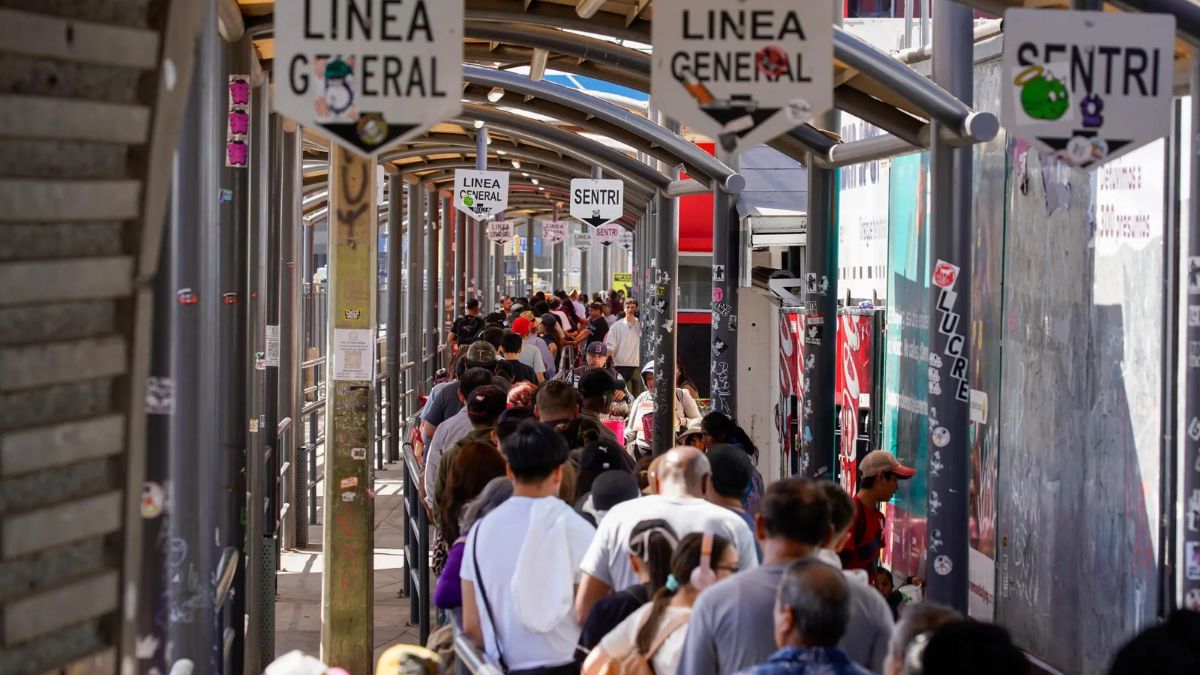
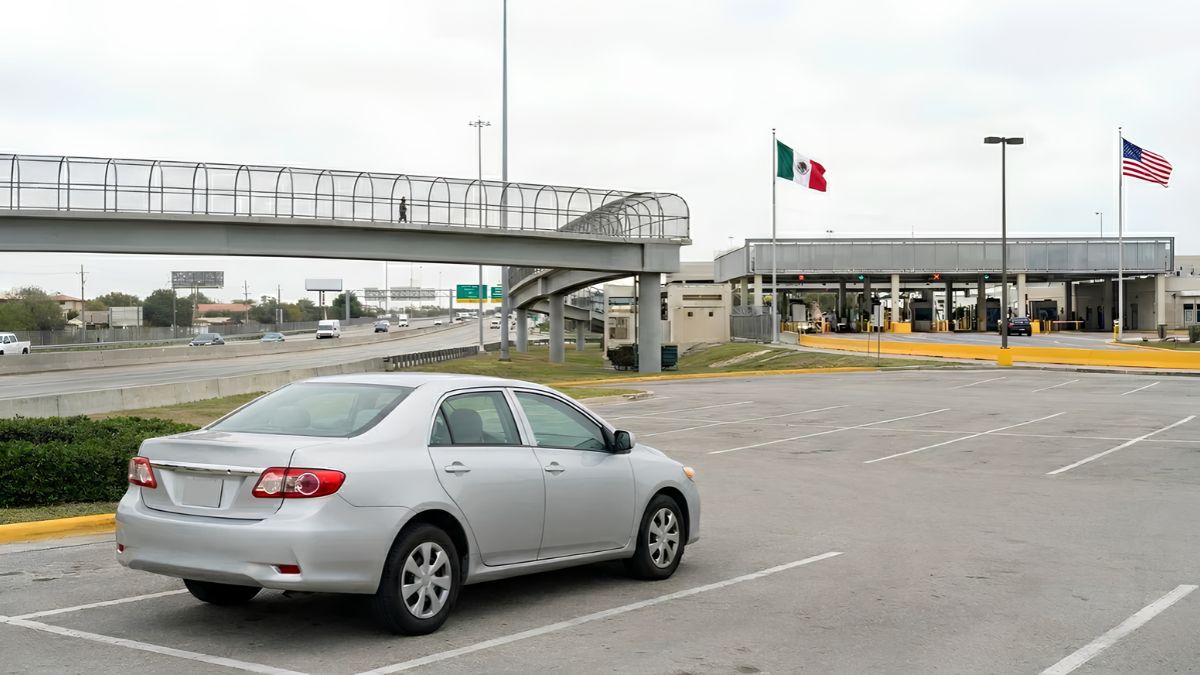
If you are heading to the San Ysidro Port of Entry, allow time to walk from the transit center to the appropriate pedestrian crossing. The trolley station and the border inspection facilities are separate locations, and reaching the station does not mean that border formalities are complete.
Travellers crossing into Mexico should check the current entry requirements and carry the necessary travel documents. Those returning to the United States should also be prepared for inspection and possible queues. Border waiting times can change considerably, so avoid planning a tight connection immediately after arrival.
If your destination is a nearby business, shopping area, or residential address, check the walking route before leaving the station. A location described as being in San Ysidro may still require additional travel by foot or local bus.
For onward journeys, review local bus connections and confirm the location of the correct stop. If you are meeting someone, agree on a specific meeting point rather than relying on a general description of the transit center.
Accessibility
Passengers with mobility needs should check station access and boarding arrangements before travelling. Some journeys may involve walking between platforms, navigating station entrances, or changing from a bus to a trolley.
Review available accessibility information through the official MTS website if you need step-free access, assistance, or information about station facilities. If your journey includes a transfer, consider the accessibility of both stations rather than only the departure and arrival points.
Travelling with a stroller, wheelchair, or large bags may also affect how much time you need to make a connection. Allow additional time so that you can board safely without rushing.
If you have questions about a particular station or service, contact MTS directly before your journey. Confirming arrangements in advance can help you select a route that suits your needs.
Preparation
A little preparation can make a trolley trip to San Ysidro easier to manage. Before leaving, confirm your departure station, the Blue Line direction, any required transfers, and the fare method you plan to use.
A simple checklist can help:
- Check the latest trolley timetable and service alerts.
- Identify your departure station and any transfer points.
- Confirm the current fare and accepted payment options.
- Allow time for waiting, walking, and changing services.
- Keep your phone charged if you rely on mobile tickets or navigation.
- Check border requirements if you plan to cross into Mexico.
- Identify your onward route after arriving at San Ysidro Transit Center.
If your plans change, consult official transit information for updated routes and departure times. This is more reliable than assuming that services will operate exactly as they did on a previous trip.
The San Diego Trolley offers a practical way to reach San Ysidro from many parts of the metropolitan area. The Blue Line provides the direct route to San Ysidro Transit Center, while passengers starting elsewhere may need to connect through another trolley line or a local bus.
By checking stations, transfers, fares, and service schedules in advance, travellers can make better-informed decisions and allow enough time for the final walk to their destination. A straightforward travel plan is particularly valuable when the journey involves an appointment, a connecting service, or an international border crossing.
FAQs
Which trolley line goes to San Ysidro?
The Blue Line serves San Ysidro Transit Center.
Do I need to transfer to reach San Ysidro?
Not if you board a suitable Blue Line service directly.
How can I pay for the trolley?
Check current MTS fare options, including the PRONTO payment system.
Is San Ysidro station near the border?
Yes. The station is near the pedestrian port of entry.
Where can I check trolley schedules?
Use the official MTS website for routes and service updates.