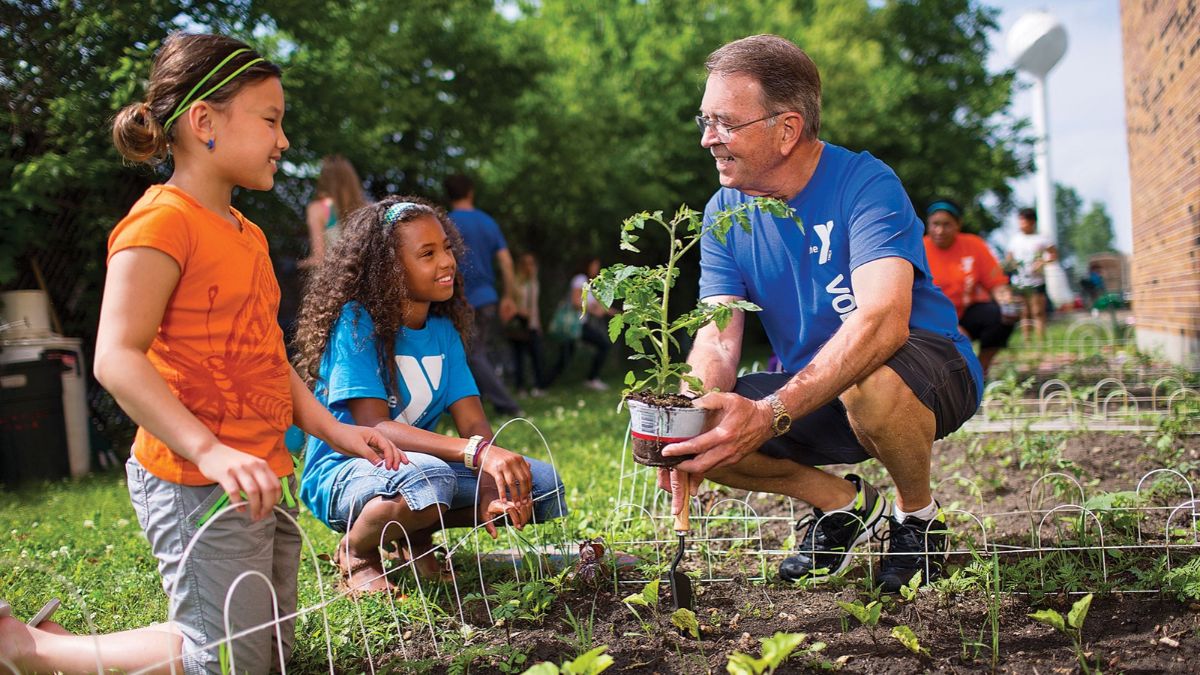
Organising a volunteer orientation session is an important first step toward building a strong, reliable community team. In San Ysidro, where local organisations may work on neighbourhood improvement, food assistance, youth activities, environmental projects, and support for families, a well-planned orientation can help volunteers understand their responsibilities and feel ready to contribute.
A successful session should do more than introduce people to an organisation. It should explain the project’s purpose, establish clear expectations, provide essential safety information, and give volunteers the confidence to get involved. Whether you are coordinating a small neighbourhood cleanup or recruiting volunteers for a long-term community programme, careful preparation can make the experience more welcoming and productive.
The key is to keep the session organised, practical, and interactive. Volunteers should leave knowing why their work matters, what they need to do next, and who can help them along the way.
Planning
Begin by identifying the main purpose of your volunteer orientation. Are you preparing people for a one-day community cleanup, an ongoing food distribution programme, a youth mentoring initiative, or a neighbourhood outreach project? Each activity requires different information, training, and safeguards.
Write down three or four outcomes you want participants to achieve. For example, volunteers should understand the project’s mission, know their assigned duties, recognise important safety procedures, and understand how to communicate with the coordinator.
Next, estimate how many people will attend and how much time you need. A small group may only require an hour, while a project involving children, vulnerable residents, equipment, or multiple volunteer roles may need a longer session.
Create a planning checklist covering the venue, registration, presentation materials, refreshments, accessibility, emergency contacts, and follow-up communication. Assign responsibility for each task instead of assuming one person will handle everything.
If your project has several activities, consider organising volunteers into groups according to their interests, availability, and relevant experience. This makes it easier to provide role-specific guidance without overwhelming everyone with information they will not need.
Objectives
Clear objectives help keep the orientation focused. Volunteers may be enthusiastic about helping, but enthusiasm alone does not explain how the project operates.
Introduce the community need your organisation is addressing and explain how the proposed activities contribute to a practical solution. For example, a neighbourhood cleanup might aim to improve shared spaces, encourage residents to participate, and identify areas that require attention from the appropriate authorities.
Explain the difference between the overall mission and each volunteer’s responsibilities. The mission describes what the project hopes to achieve, while individual roles show how people can help make it happen.
Useful orientation objectives include:
- Understanding the project’s purpose and intended community benefits.
- Learning the responsibilities and limits of each volunteer role.
- Following safety, privacy, and communication procedures.
- Knowing whom to contact when questions or problems arise.
- Understanding the schedule, attendance expectations, and next steps.
Make these objectives specific enough to guide the session. At the end, ask participants to explain their roles in their own words. Their answers can help you identify gaps that need clarification.
Venue
Choose a location that is convenient, accessible, and suitable for your expected attendance. Depending on the project, possible options include a community room, a partner organisation’s meeting space, a school facility with permission, or an appropriate public meeting venue.
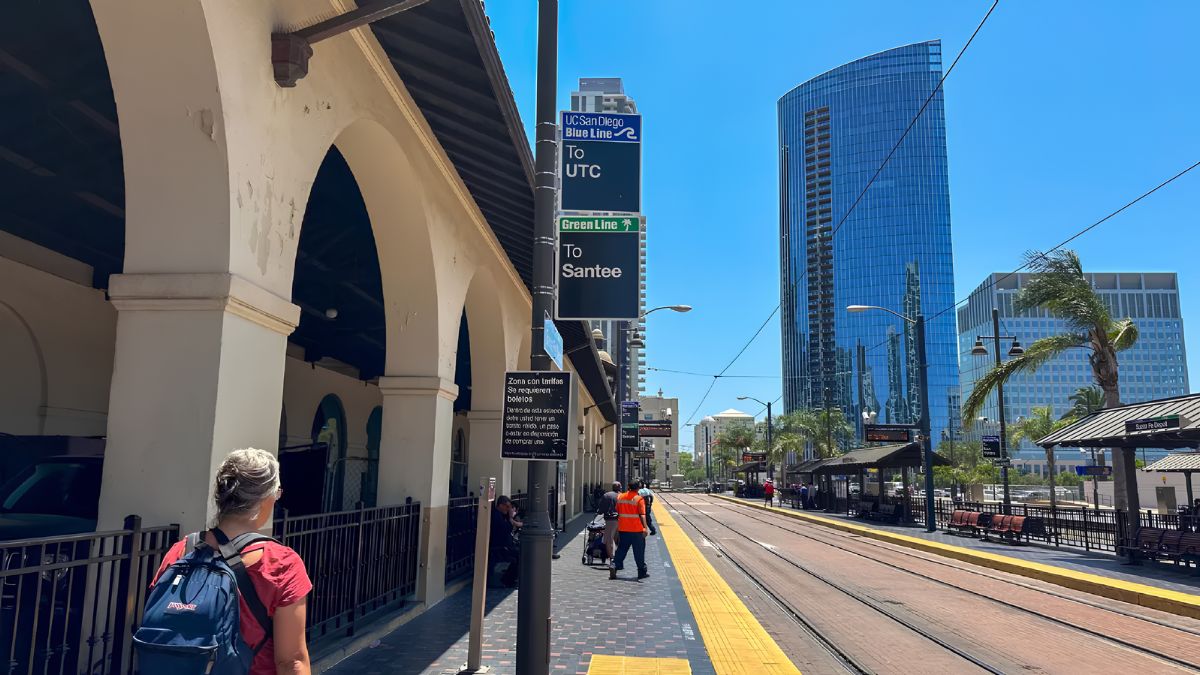
For San Ysidro projects, consider where volunteers live, whether participants rely on public transportation, and whether the location is easy to find. Provide clear directions and information about parking or nearby transit options when available.
Before confirming the venue, check seating capacity, restroom access, lighting, ventilation, accessibility, and the availability of tables for registration. If you plan to demonstrate equipment or practise procedures, make sure there is sufficient space to do so safely.
Contact the venue manager in advance to confirm the booking, access arrangements, setup requirements, and any restrictions on food, equipment, or signage. Do not assume a public space can be reserved for organised activities without permission.
For outdoor projects, consider a separate indoor orientation or a suitable covered area. Heat, rain, noise, and changing conditions can affect both safety and attendance.
Schedule
A simple agenda helps volunteers know what to expect and allows the coordinator to cover essential topics without rushing.
The following example is suitable for a general 90-minute orientation. Adjust the timing according to the project’s complexity and the experience of the volunteers.
| Time | Activity | Purpose |
|---|---|---|
| 0-10 minutes | Welcome and registration | Introduce the team and confirm attendance |
| 10-20 minutes | Project overview | Explain community needs and project goals |
| 20-35 minutes | Volunteer roles | Review tasks, schedules, and expectations |
| 35-50 minutes | Safety and conduct | Explain risk prevention and reporting procedures |
| 50-65 minutes | Practical demonstration | Show key tasks or procedures |
| 65-80 minutes | Questions and discussion | Resolve concerns and clarify responsibilities |
| 80-90 minutes | Next steps | Confirm assignments, contacts, and first shifts |
Allow extra time if the project requires background checks, safeguarding instruction, specialised equipment training, or formal documentation.
Send the agenda before the session so participants can plan their attendance. If you expect people to arrive at different times, designate someone to welcome late arrivals and help them catch up without interrupting the group.
Registration
A straightforward registration process makes the session more efficient. Collect only the information you genuinely need, such as a volunteer’s preferred contact details, availability, areas of interest, and any relevant experience.
Explain why you are collecting the information, who can access it, and how it will be used. Avoid requesting sensitive personal details unless they are necessary for the role and handled through an appropriate process.
For larger projects, use a registration form to organise attendance and identify training needs. Offer a non-digital alternative for people who cannot easily access online forms.
Prepare a sign-in sheet, name tags, printed agendas, and a contact list for the coordinator. If volunteers will work in different teams, colour-coded labels or simple group assignments can make introductions easier.
Send a confirmation message before the event. Include the date, start time, venue, directions, accessibility information, and a contact method for last-minute questions. A reminder shortly before the session can also reduce missed appointments.
Training
Training should explain how volunteers can perform their tasks safely and consistently. Avoid relying entirely on a presentation. People often remember instructions better when they can see a process demonstrated and practise it themselves.
For a community cleanup, demonstrate safe lifting, appropriate glove use, handling of ordinary litter, and procedures for reporting hazardous waste. Volunteers should know not to handle needles, unknown chemicals, or other dangerous materials without appropriate training and equipment.
For food distribution, cover hygiene, safe food handling, storage requirements, respectful communication, and procedures for dealing with questions about food allergies. Make sure volunteers understand which decisions they can make themselves and which require a supervisor.
For youth activities, mentoring, or services involving vulnerable people, explain safeguarding expectations, appropriate boundaries, supervision, confidentiality, and how to report concerns. Complete any required screening and training before volunteers begin duties that demand them.
Provide written instructions that volunteers can consult later. Keep them concise, practical, and relevant to the assigned role.
Safety
Safety should be a central part of orientation rather than a short announcement at the end. Volunteers need to understand how to prevent injuries, identify hazards, and respond when something goes wrong.
Start by reviewing the main risks associated with the project. These may include traffic, lifting heavy objects, extreme weather, unfamiliar locations, cleaning products, or interactions with members of the public.
Explain the location of first-aid supplies, emergency exits, and any relevant safety equipment. Identify the person responsible for incident reporting and explain how volunteers should request help.
For outdoor activities in San Ysidro, plan for sun exposure and warm weather. Encourage volunteers to bring water, wear suitable clothing, and take breaks as needed. The coordinator should have a plan for changing or stopping activities if conditions become unsafe.
If the project involves tools, vehicles, hazardous materials, or specialised tasks, do not assume a general orientation is enough. Provide task-specific training and ensure volunteers work only within their level of competence.
You can consult the City of San Diego’s official website for municipal information and relevant local services. For emergencies, explain the appropriate local response procedures clearly, including when to call 911.
Communication
Good communication helps volunteers feel supported and reduces confusion once activities begin. During orientation, introduce the project coordinator, team leaders, and other people responsible for day-to-day decisions.
Give volunteers a reliable way to ask questions, report concerns, and receive schedule updates. Depending on the group, this could be email, text messages, or a messaging platform. Make sure participants know which channel is used for urgent updates and which is intended for routine discussion.
Set expectations for attendance, punctuality, cancellations, and shift changes. Explain how much notice volunteers should provide when they cannot attend and whom they should contact.
Agree on basic communication standards. Volunteers should treat community members respectfully, avoid sharing private information, and raise concerns through the proper channels instead of making unsupported assumptions.
Language access may also matter in a diverse community. Ask about participants’ language preferences and provide translated materials or interpretation when feasible. Use clear, plain language rather than relying on technical terms or unexplained abbreviations.
Inclusion
A welcoming orientation can influence whether volunteers return. People are more likely to participate when they feel respected, understand what is expected, and believe their contributions are valued.
Begin with introductions that allow people to share their interests without requiring them to disclose personal information. Explain that volunteers bring different skills, schedules, and levels of experience, and that all approved roles contribute to the project.
Consider accessibility when planning seating, printed materials, presentations, and practical demonstrations. Provide clear instructions for requesting reasonable accommodations and respond to requests respectfully.
Avoid assuming that every volunteer has a car, a flexible work schedule, advanced digital skills, or previous experience. Where possible, offer different shifts, manageable tasks, and several ways to participate.
If your project serves residents with different cultural or linguistic backgrounds, encourage volunteers to listen carefully and avoid making assumptions about people’s circumstances. Community work is most effective when residents are treated as partners rather than simply as recipients of assistance.
Resources
Prepare materials that volunteers can take home or access digitally. A concise orientation pack may include:
- A one-page summary of the project and its goals.
- Volunteer role descriptions and shift schedules.
- Coordinator and team leader contact details.
- Safety instructions and incident-reporting procedures.
- A code of conduct and confidentiality guidance.
- Information about the next training session or activity.
You do not need expensive printed materials. A well-organised digital document can work just as well, provided everyone can access it. Keep a few printed copies available for participants who prefer paper.
For guidance on volunteer engagement, the California Volunteers website provides information about service and volunteer opportunities across California. The 2-1-1 San Diego website can also help organisers locate community resources and local service information that may be relevant to a project.
When partnering with another organisation, clarify who supplies equipment, who supervises volunteers, and who is responsible for insurance, permissions, and training. Confirm these details before the first activity rather than leaving them unresolved until the day of the event.
Feedback
Use the final part of the orientation to check whether participants understand the information and feel prepared to begin. Ask a few practical questions rather than simply asking whether everyone understands.
For example, ask volunteers whom they would contact if they could not attend a shift, what they should do if they notice a hazard, or where they can find their assigned responsibilities.
A short feedback form can reveal whether the session was too long, unclear, or missing important information. Include an optional space for suggestions so participants can raise issues they might not want to discuss publicly.
After the session, send a thank-you message with the key instructions, next activity date, and contact information. Follow up individually with volunteers who need additional training or have not yet received a suitable assignment.
Track basic indicators such as attendance, completed training, volunteer sign-ups, and participation in the first activity. These measures help you understand whether orientation is translating into practical involvement.
An effective volunteer orientation does not need to be complicated or expensive. With clear objectives, a welcoming venue, practical training, and reliable follow-up, community organisers in San Ysidro can help volunteers move from initial interest to confident participation.
Treat orientation as the beginning of an ongoing relationship, not a one-time presentation. When volunteers know what to do, feel safe asking questions, and understand how their efforts benefit the community, they are better prepared to contribute consistently and help local projects succeed.
FAQs
How long should volunteer orientation last?
A general orientation can take 60 to 90 minutes.
What should volunteers bring?
Bring any requested documents, a notebook, and water if needed.
What topics should orientation cover?
Cover project goals, roles, safety, conduct, and communication.
How can organisers improve attendance?
Send clear invitations, reminders, directions, and schedule details.
Should volunteers receive training before starting?
Yes, provide role-specific training before duties begin.