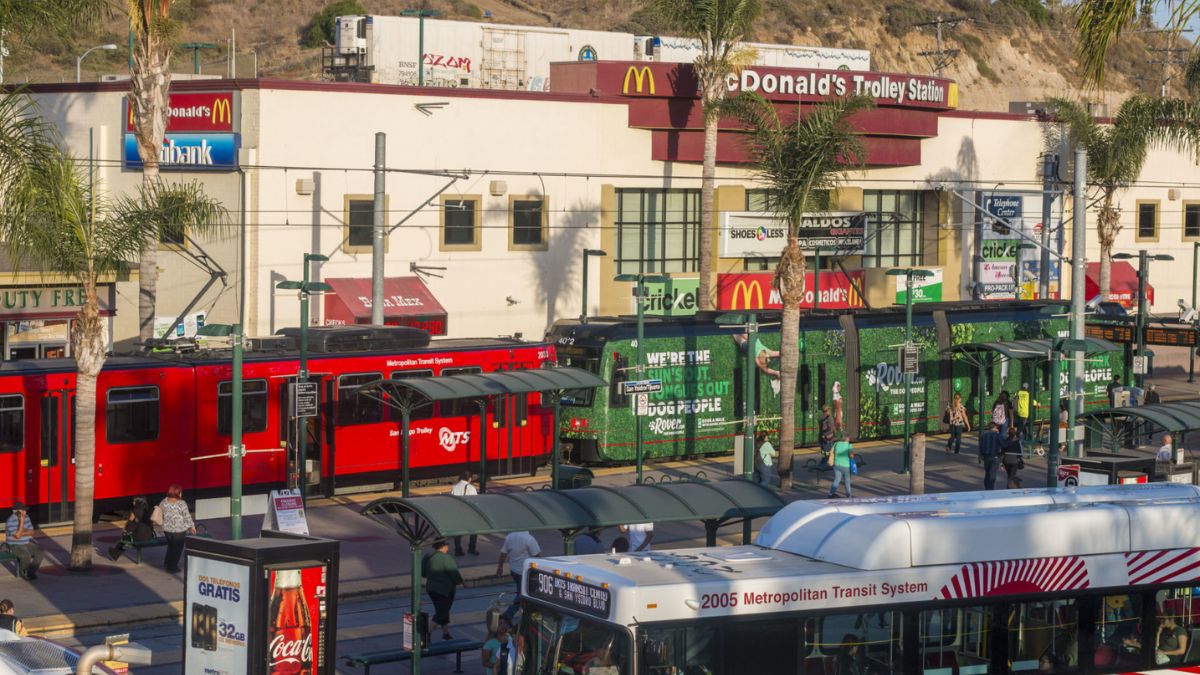
San Ysidro Transit Center is one of the most important public transportation hubs in the southern San Diego region. Located close to the U.S.-Mexico border, it connects local bus services, the San Diego Trolley and other transportation options, making it a practical starting point for commuters, residents and visitors.
The center is particularly useful for people traveling between San Ysidro, other parts of San Diego and the international border area. But because several services meet in one location, planning a trip can be easier when you understand how the connections work before leaving.
Whether you are commuting to work, traveling to downtown San Diego, transferring to a bus or continuing toward the border, a little preparation can help you avoid unnecessary waiting and missed connections.
Location
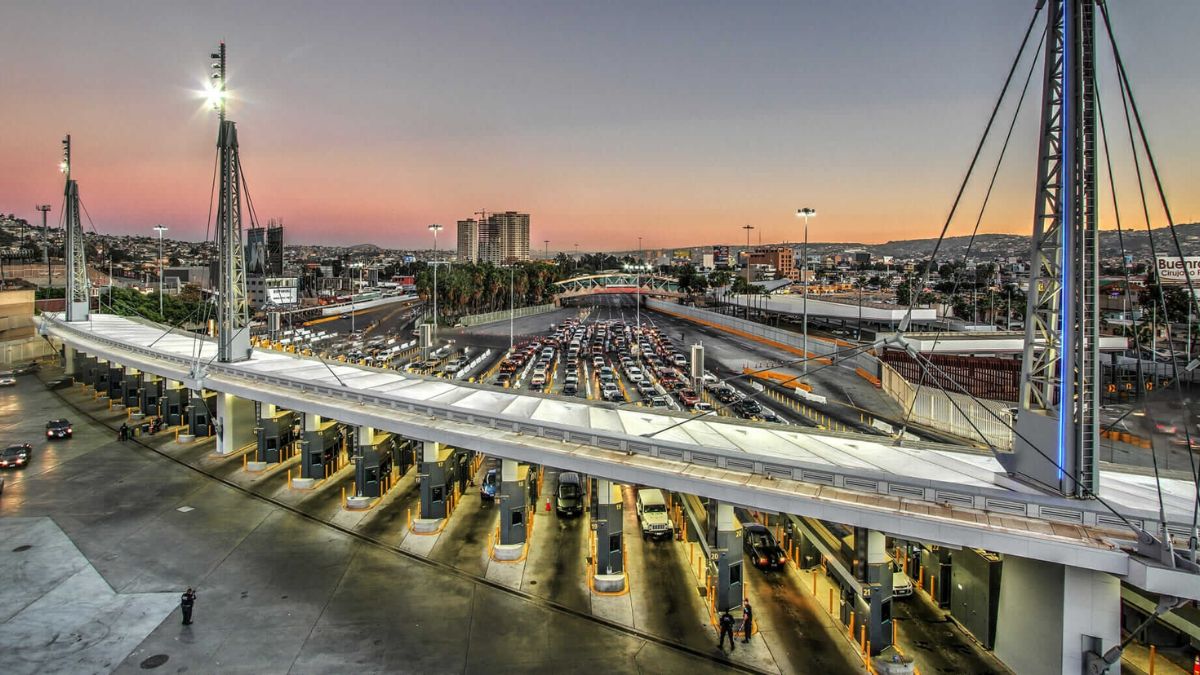
San Ysidro Transit Center is located in the San Ysidro community, near the San Ysidro Port of Entry. Its location makes it an important transportation point for people traveling between San Diego and Mexico.
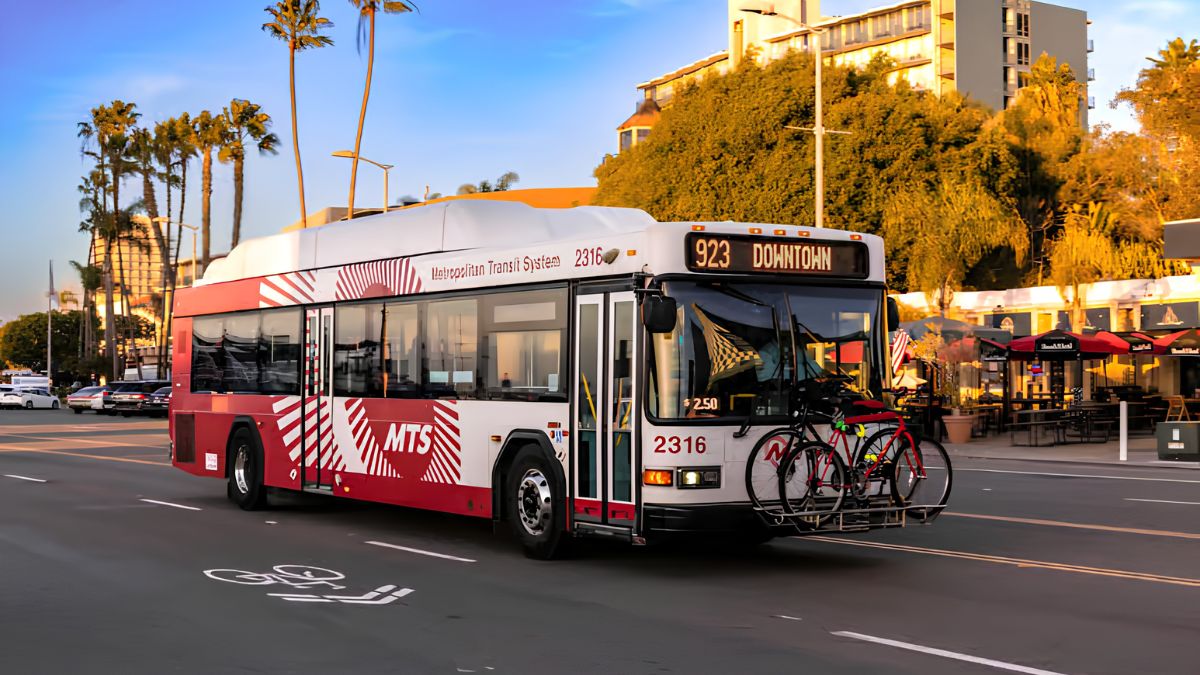
The transit center is served by the San Diego Metropolitan Transit System, commonly known as MTS. MTS operates the San Diego Trolley and an extensive network of bus routes throughout the region.
The official MTS website is the best place to check current schedules, routes, fares and service information before traveling.
Its proximity to the border also means that passengers may combine public transportation with an international border crossing. These are separate parts of a journey, however, and travelers should allow additional time for border procedures.
Trolley
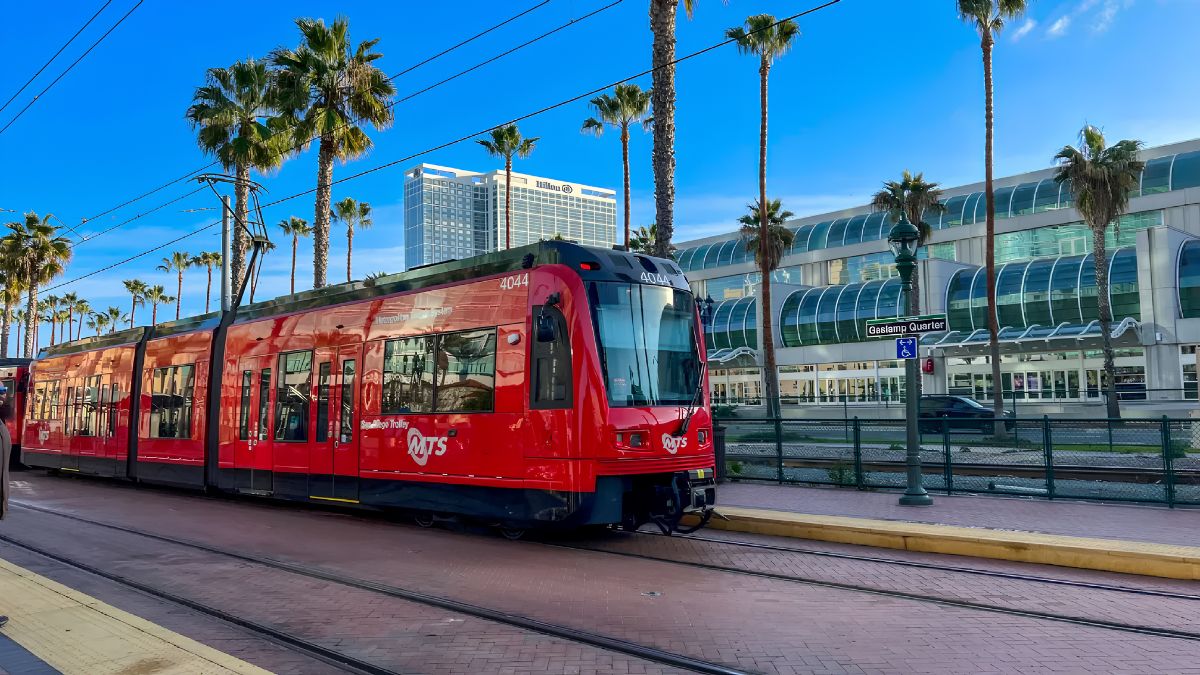
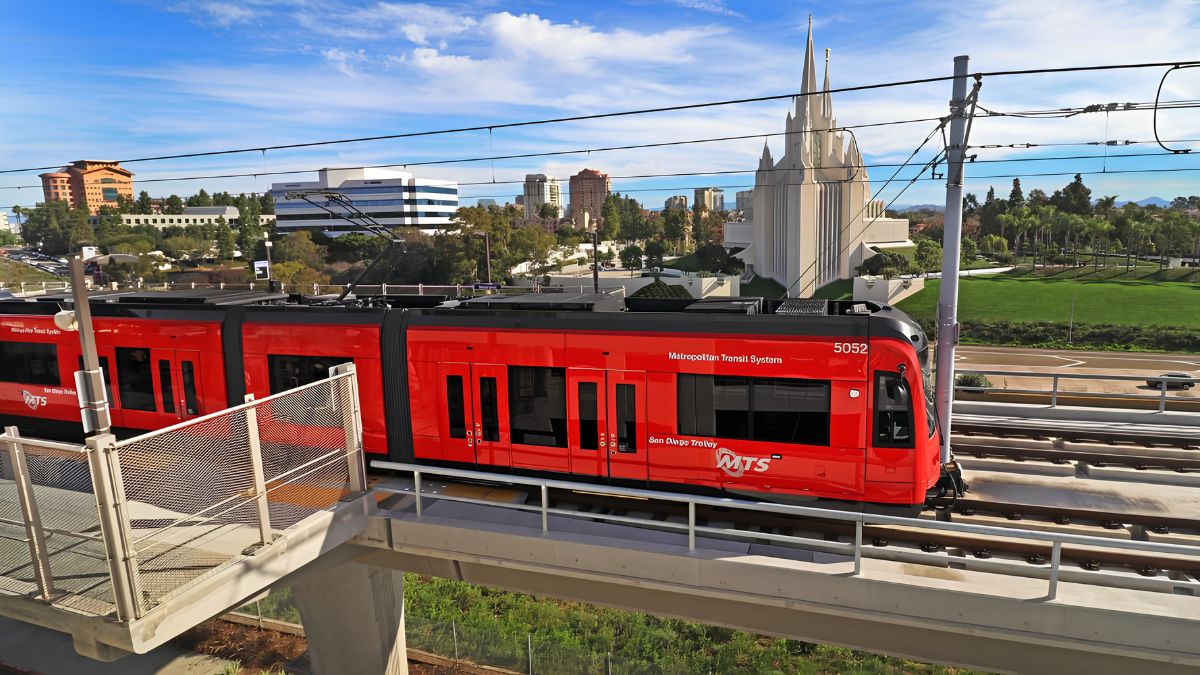
The San Diego Trolley is one of the main reasons San Ysidro Transit Center is useful as a connection point.
The Blue Line serves San Ysidro and provides a direct rail connection toward downtown San Diego and other communities along the route. For many passengers, the trolley offers a straightforward alternative to driving, particularly when traffic is heavy.
Before boarding, check the destination displayed on the train and confirm that it matches the direction of your trip. This is especially important when traveling for the first time.
A passenger heading north from San Ysidro will generally follow the Blue Line toward the San Diego area. However, the exact destination and transfer requirements depend on where the traveler ultimately wants to go.
Instead of planning a trip around a single train, it is often better to think of the journey as a series of connections. Start with your final destination, identify the nearest transit stop, and then work backward to determine where a transfer may be necessary.
Buses
Bus services provide another important part of the transit center’s network.
MTS operates numerous routes across the San Diego region, and some connect with the San Ysidro area. Bus services can be particularly useful when the trolley does not take passengers close enough to their final destination.
Bus schedules can change, so travelers should check the current route information rather than relying on a timetable saved from an earlier trip.
The MTS trip planning and schedules resources can help passengers identify routes and connections.
When comparing a bus and trolley journey, do not look only at the number of stops. Consider the complete trip, including walking time, waiting time and transfers.
A route with one additional stop may still be faster if it avoids a long transfer.
Connections
Planning a connection is mostly about timing.
Suppose your trip requires a trolley followed by a bus. Arriving at the transit center a few minutes before the scheduled bus departure may not be enough if the trolley is delayed or you need to walk between platforms.
For that reason, travelers should avoid planning connections with almost no margin when arriving at an important appointment.
A reasonable approach is to allow some extra time, particularly during unfamiliar journeys. The amount of buffer needed depends on the time of day, the number of transfers and the consequences of missing the connection.
For a flexible trip, a longer wait may be acceptable. For an airport departure, work shift or medical appointment, a more conservative plan is sensible.
Fares
Understanding fares before boarding can make a trip easier.
MTS uses the PRONTO fare system for San Diego public transportation. PRONTO can be used through a card or the appropriate mobile options, depending on the traveler’s needs.
The official PRONTO website provides current information about fares, cards, mobile use and account management.
Passengers should check current fare rules before traveling because prices, passes and payment policies can change.
If you regularly use public transportation, compare the cost of individual trips with available passes or fare products. A commuter making multiple trips may have different needs from a visitor making one or two journeys.
It is also worth confirming whether your planned services are covered by the same fare structure before starting the trip.
Border
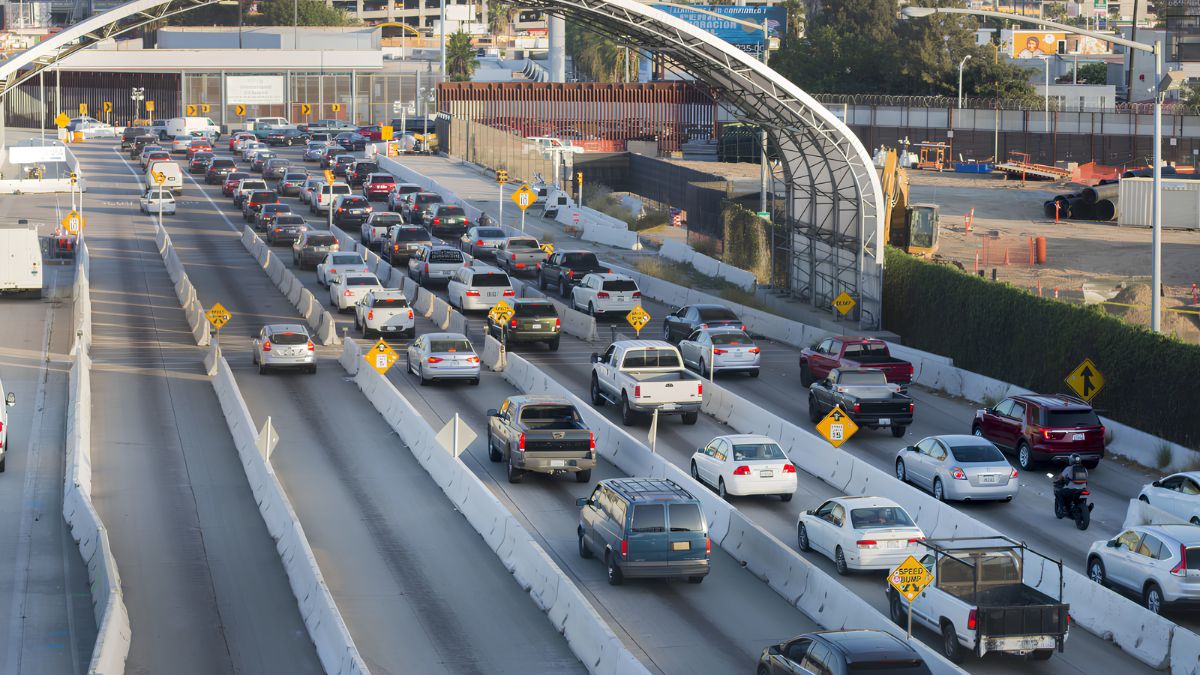
The border is a major part of the transportation environment around San Ysidro.
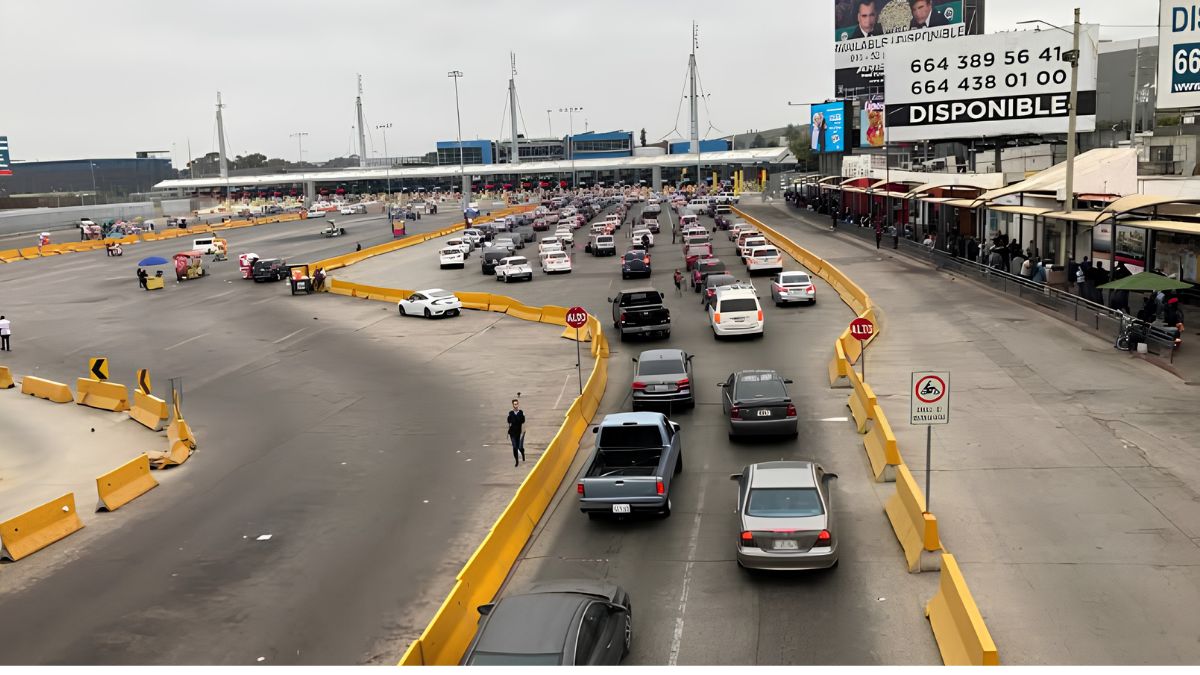
Passengers traveling toward Mexico should distinguish between reaching the transit center and completing the international crossing. Public transportation can take you close to the border, but crossing into another country involves separate procedures.
Travelers entering the United States from Mexico should also account for inspection requirements and potential wait times.
The U.S. Customs and Border Protection San Ysidro Port of Entry page provides official information about the port.
Border conditions can change considerably during the day. A journey that normally takes a certain amount of time can take much longer when crossing demand increases.
If you have a flight, appointment or scheduled event after crossing the border, leave more time than the basic transit journey might suggest.
Transfers
Transfers are easier when you know where you need to go before arriving.
At San Ysidro Transit Center, passengers may need to change between rail and bus services depending on their destination. Before leaving home, identify the route number, direction and approximate departure time for each part of the trip.
A simple travel note can be useful:
| Trip Stage | What to Check |
|---|---|
| First service | Route and direction |
| Transfer | Stop or platform location |
| Second service | Route number and destination |
| Fare | Current fare requirements |
| Arrival | Walking route to destination |
This information does not need to be complicated. The goal is simply to avoid making decisions under pressure after arriving at the transit center.
If a connection is missed, check the next scheduled service rather than assuming you need to restart the entire journey.
Timing
The time of day can influence a public transportation journey.
Morning and afternoon commute periods can produce heavier passenger demand and road congestion. Although the trolley operates separately from road traffic for much of its route, bus services can still be affected by traffic and other operating conditions.
Weekend and holiday schedules can also differ from weekday patterns.
For an unfamiliar trip, check the schedule shortly before departure. This is particularly important if the journey involves several transfers.
MTS provides service alerts and other transit information that can help passengers identify disruptions before leaving.
Building flexibility into your schedule is generally more useful than trying to calculate the journey down to the last minute.
Navigation
Once you arrive at San Ysidro Transit Center, follow signs and information displays rather than simply following the crowd.
If you are transferring from one service to another, confirm the route and direction before boarding. A vehicle going in the wrong direction can turn a simple mistake into a lengthy detour.
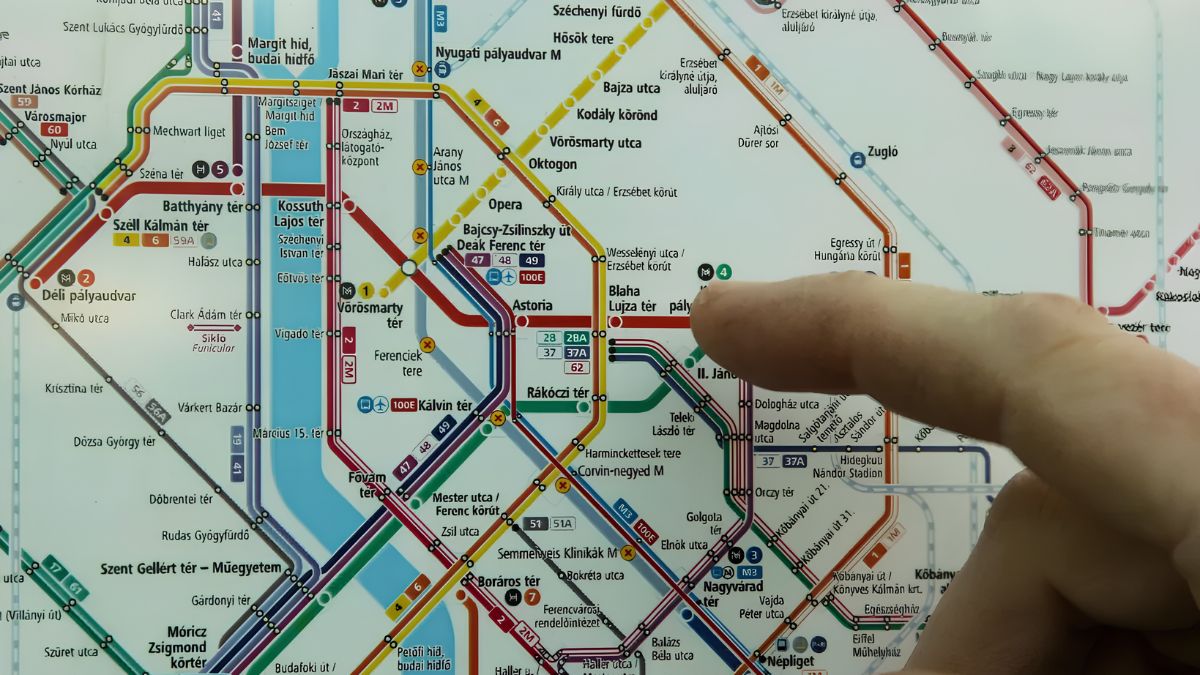
Smartphone navigation can also help, but passengers should compare app results with current agency information when possible. Third-party apps may occasionally display outdated schedules or fail to reflect temporary service changes.
The official MTS resources should remain your primary reference for route and service information.
For visitors who are unfamiliar with San Diego, downloading or reviewing route information before arriving can reduce the amount of time spent looking for the correct platform or stop.
Accessibility
Public transportation planning should also account for accessibility needs.
Passengers who require accessible boarding, elevators, ramps or other accommodations should review current information from the transit agency before traveling.
MTS provides accessibility information and resources for passengers using its services. The exact facilities available can vary by station and route, so checking ahead is preferable when accessibility is an important part of the journey.
Travelers with mobility devices or other specific requirements may also benefit from allowing additional transfer time.
Safety
As with any busy transportation facility, travelers should remain aware of their surroundings and keep personal belongings secure.
Keep phones, wallets and travel documents in a secure place, particularly when moving through crowded areas. If you are carrying important border documents, make sure they are accessible but protected.
If you are traveling at night or waiting for a connection, remain in designated public areas and follow posted instructions.
Families traveling with children should establish a simple meeting point in case members become separated.
These are ordinary precautions, but they can make an unfamiliar transit journey less stressful.
Planning
The easiest way to plan a San Ysidro Transit Center trip is to work backward from your final destination.
First, identify where you need to arrive. Then determine whether the trolley, a bus or a combination of services provides the most practical route.
Next, check departure times and identify the transfer points. Finally, review fares and allow extra time for transfers or unexpected delays.
For example, someone traveling from San Ysidro to a destination in downtown San Diego may find the trolley particularly convenient. A passenger heading to a location away from the trolley line may need to transfer to a bus or use another transportation option for the final portion.
The best route is therefore not always the one with the fewest stops. It is the one that provides a practical combination of travel time, reliability, cost and convenience.
Updates
Transportation information can change. Construction, maintenance, special events, weather and operational issues can affect schedules or routes.
That is why travelers should check current information on the day of travel, especially when the trip involves multiple connections.
The official MTS service information and alerts should be checked before departure. For border-related journeys, travelers should also review information from U.S. Customs and Border Protection.
If your trip is time-sensitive, consider checking again shortly before leaving. A schedule that looked suitable the previous evening may not reflect a temporary service disruption.
Visitors
Visitors can use San Ysidro Transit Center as a convenient entry point to San Diego’s wider public transportation network.
People arriving in the area for shopping, dining, work or other activities may find that using public transportation avoids the need to navigate parking and road traffic.
However, visitors should remember that San Ysidro is not simply a transit stop. It is a busy border community with its own local transportation patterns. Walking distances, border queues and transfer times should all be considered when planning a day in the area.
A traveler who has never used the San Diego transit system may find it helpful to plan the entire route before arriving rather than deciding each connection on the spot.
Strategy
A successful connection at San Ysidro Transit Center comes down to a few basic steps: know your destination, identify the correct route, check the current schedule, understand your fare and leave enough time for transfers.
The center’s location near the international border makes it particularly important to separate the transit portion of a journey from the border-crossing portion. Each can involve its own delays and requirements.
For routine trips, the process becomes easier after a few journeys. For first-time passengers, checking official information in advance can remove much of the uncertainty.
San Ysidro Transit Center is an important link in San Diego’s transportation network, connecting the southernmost part of the city with the wider region through trolley and bus services. With current schedules, fare information and service alerts checked before departure, passengers can approach their journey with a clearer idea of what to expect.
The key is not to memorize every route. Instead, know how to plan the complete journey from the first departure to the final destination, including transfers and extra time where needed. That approach makes San Ysidro Transit Center easier to navigate for both regular passengers and occasional visitors.
FAQs
What transit serves San Ysidro Transit Center?
The center is served by MTS trolley and bus services.
Does the trolley reach downtown San Diego?
Yes, the Blue Line connects San Ysidro with central San Diego.
How can I plan my connection?
Check MTS routes, schedules, fares and service alerts first.
Is San Ysidro Transit Center near Mexico?
Yes, it is located close to the U.S.-Mexico border.
Where can I check MTS schedules?
Use the official MTS website for current transit information.