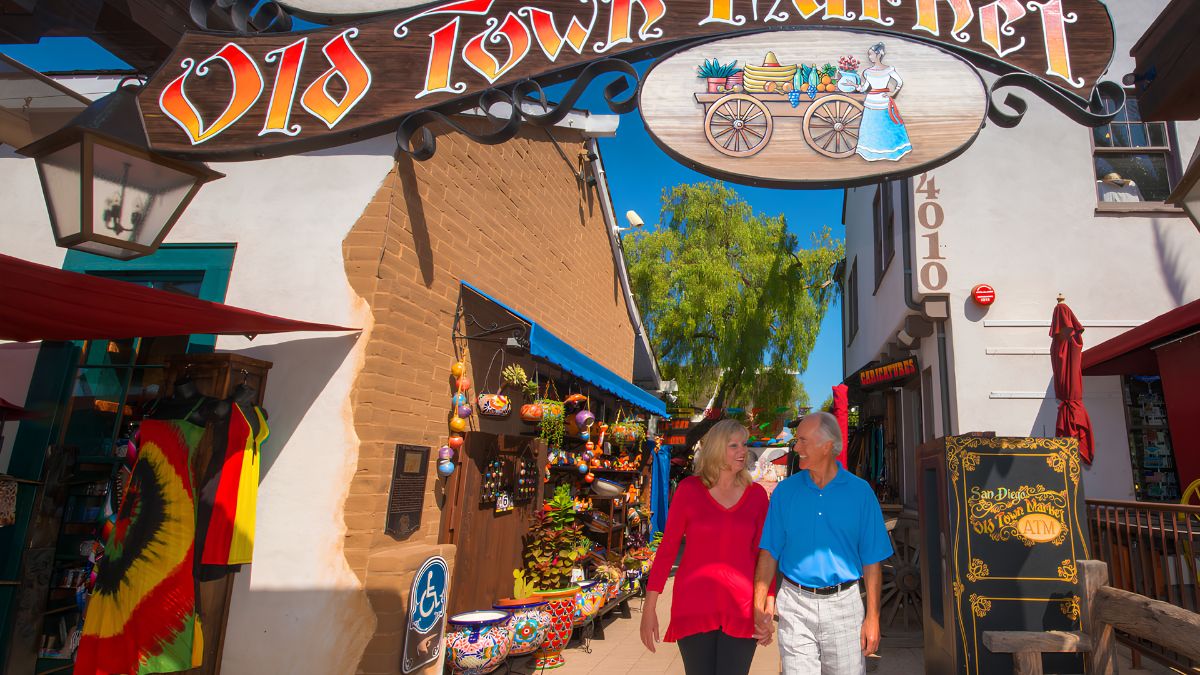

San Ysidro is often associated with its location along the U.S.-Mexico border and the steady movement of residents, workers and visitors through the community. But beyond the major roads and busy crossing, the neighborhood has a broad network of independent businesses that contribute to its everyday character.
Small restaurants, markets, retailers, personal services and family-operated businesses provide residents with places to eat, shop and take care of routine needs. For visitors, these businesses also offer a practical way to experience San Ysidro beyond its better-known transportation connections.
Looking into independent businesses does not require an elaborate itinerary. A walk through commercial areas, a meal at a locally operated restaurant or a visit to a neighborhood shop can reveal a different side of the community. For people who prefer locally owned businesses over large chains, San Ysidro offers several opportunities to explore.
Location
San Ysidro occupies a distinctive position within San Diego. It sits immediately north of the Mexico-U.S. border and is closely connected to the neighboring community of Tijuana. This location has influenced the area’s economy, culture and patterns of movement for generations.
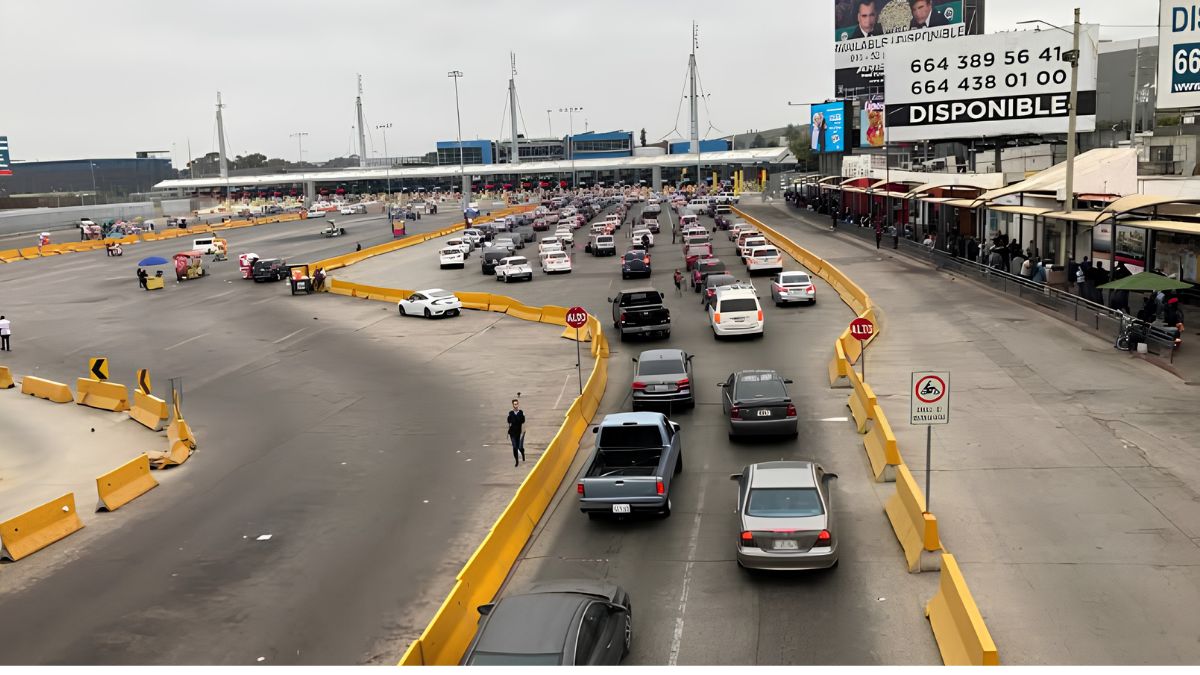
The San Ysidro Port of Entry is one of the most important border crossings in the region. According to U.S. Customs and Border Protection, the port handles substantial pedestrian and vehicle traffic between the United States and Mexico. Its official information is available through the U.S. Customs and Border Protection San Ysidro Port of Entry page.
The border location matters when considering local businesses because San Ysidro serves people with different reasons for being there. Some residents shop locally as part of their normal routines, while others are visiting for work, travel, dining or cross-border activities.
That mixture gives local businesses a customer base that can differ from businesses in other parts of San Diego.
Dining
Food is one of the simplest ways to begin exploring an independent business district. Restaurants, cafés, bakeries and small food establishments can provide a closer look at the culinary traditions represented in the community.
San Ysidro’s proximity to Mexico is particularly relevant to its food culture. Mexican cuisine and regional specialties are prominent throughout the area, while other restaurants and food businesses serve a wider range of tastes.
A useful approach is to look beyond familiar national chains. Independent restaurants may have smaller menus, specialized offerings or recipes that reflect the owners’ backgrounds. In some cases, the appeal is not simply the food but the relationship between a business and its regular customers.
Visitors should also consider the practical side of dining locally. Business hours can vary, particularly for smaller establishments, so checking the restaurant’s current information before visiting is sensible. Online listings can change, and an independent business may not maintain the same digital presence as a larger company.
For official information about the broader community and city services, the City of San Diego’s official San Ysidro community page provides useful background.
Shopping
Independent retailers can make local shopping more personal and varied. San Ysidro has businesses serving everyday needs as well as stores offering specialty goods and products connected to the area’s cross-border culture.
Small markets and neighborhood stores can be particularly useful for visitors who want to see how local residents shop rather than simply visiting destinations designed for tourists.
Shopping at an independent business can also provide an opportunity to ask questions directly. A store owner or employee may be able to explain where a product comes from, recommend another local business or point visitors toward an area they might otherwise overlook.
This does not mean independent businesses are always the best choice for every purchase. Prices, selection and convenience vary from one store to another. Comparing options is still useful, especially for larger purchases.
The main difference is that independent shopping gives visitors another way to understand the commercial life of the neighborhood.
Services
Local businesses also include service providers, which are sometimes overlooked when people think about exploring a community.
Automotive shops, salons, repair businesses, professional services and other locally operated companies form part of the area’s economic infrastructure. These businesses may not be destinations in the traditional sense, but they are important to residents who rely on them throughout the year.
Service businesses can also illustrate how independent companies build long-term relationships with customers. A local mechanic, barber or repair specialist may serve the same families for years. That continuity can be an important part of neighborhood business culture.
For visitors, services may be less relevant than restaurants or retail stores, but knowing that they exist helps provide a more complete picture of San Ysidro’s economy.
Community
Independent businesses and communities tend to influence each other. Residents need businesses for food, shopping and services, while businesses depend on the surrounding population for customers.
In San Ysidro, that relationship is shaped by the area’s diverse population and border location. The neighborhood has a distinct identity within San Diego, and its businesses reflect some of the languages, cultures and traditions found in the community.
The San Diego Planning Department’s San Ysidro Community Plan provides additional information about the area’s planning history, land use and community development.
Local businesses can also contribute to the appearance and daily rhythm of commercial streets. Storefronts, signs, restaurants and markets create a different environment from large commercial centers where businesses are often standardized across locations.
That distinction is one reason local business exploration can be useful even for people who already know San Diego well.
History
San Ysidro’s current business environment is connected to its longer history as a border community. The area developed alongside transportation routes and cross-border activity, with commercial businesses emerging to serve people living and traveling in the region.
Its proximity to Tijuana has also contributed to cultural and economic connections that are more pronounced than in many other San Diego neighborhoods.
Understanding that background can change how visitors interpret what they see. A small market or restaurant is not simply another storefront. It may be part of a commercial tradition shaped by migration, family businesses, cross-border relationships and changing patterns of development.
The San Diego Public Library and city resources provide additional historical and community information for people interested in researching San Ysidro beyond its present-day businesses.
Exploring
A simple walking or driving route can be enough to discover local businesses, but visitors should plan according to their specific interests.
Someone interested in food might begin with a locally owned restaurant or café. A shopper could look for independent markets and specialty retailers. Someone researching the community might combine business visits with nearby public spaces and historic locations.
It is also worth leaving room for unplanned stops. Independent businesses are often less visible in broad tourist guides than major attractions. A storefront that does not appear prominently in search results may still be well known among local residents.
However, visitors should distinguish between discovering a business and assuming that every business operates in the same way. Opening hours, payment methods, parking arrangements and product availability can differ considerably.
Checking current information before visiting is particularly useful on weekends and holidays.
Transit
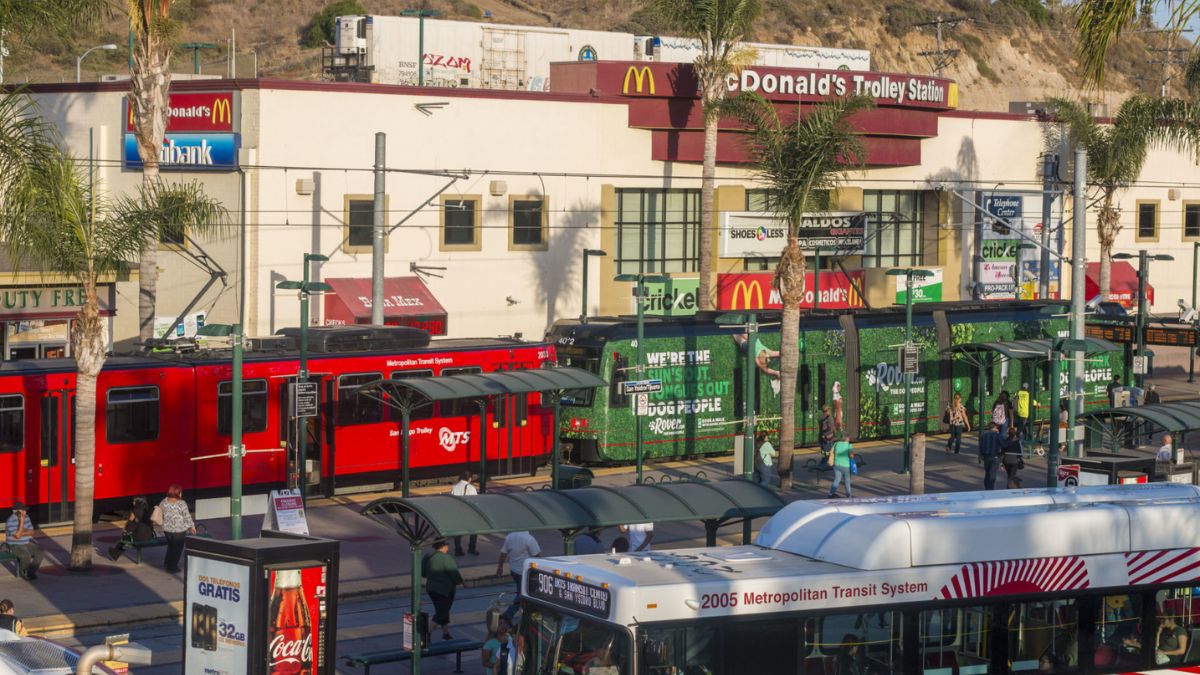
Transportation is an important part of understanding San Ysidro. The neighborhood is served by public transportation, roads and the San Ysidro Port of Entry, making accessibility a central part of local life.
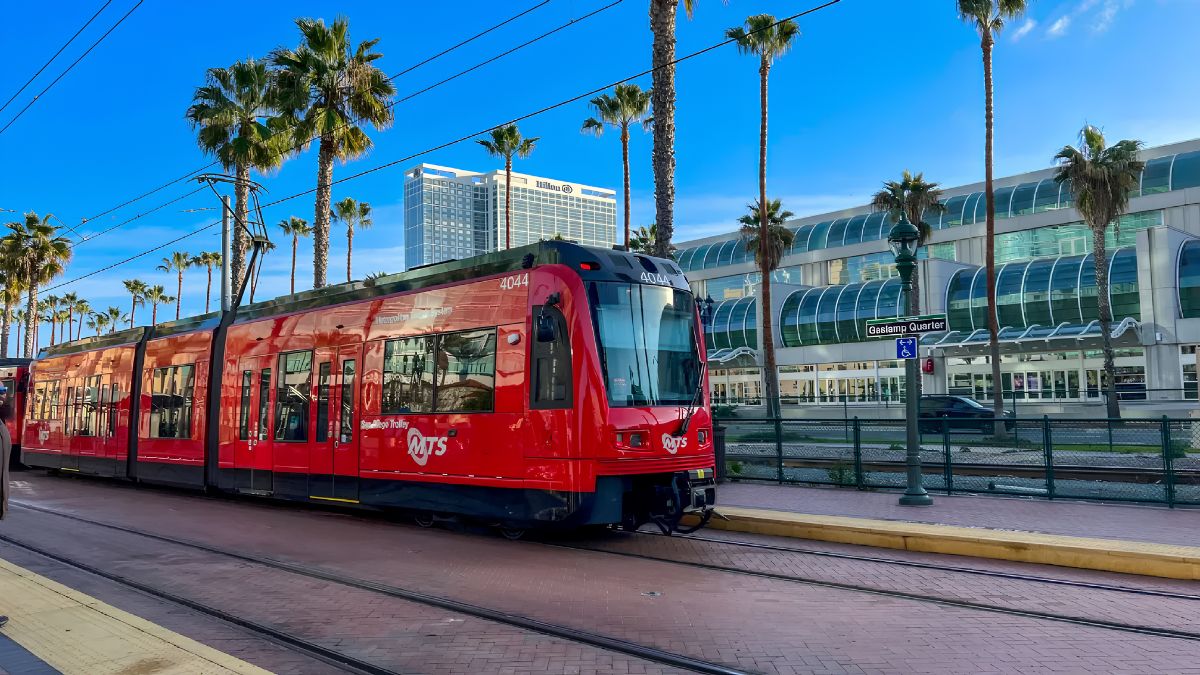
The Metropolitan Transit System provides public transportation information for the area, including routes serving San Ysidro. Visitors can consult the MTS official website for current schedules, route information and service updates.
Public transportation can be useful for people who want to explore without driving, although the best option depends on where a particular business is located.
People arriving through the border crossing should also account for potential delays. Border traffic can change throughout the day, and crossing conditions can affect how much time visitors have available for shopping or dining.
Planning around transportation rather than treating it as an afterthought can make a local-business visit considerably easier.
Support
Buying from an independent business is one way to participate in the local economy. The effect of an individual purchase is naturally limited, but regular local spending can help businesses maintain their customer base.
Independent businesses may also employ people from the surrounding area and purchase goods or services from other companies. The precise economic impact varies by business, so broad claims should be avoided. Still, local businesses are a visible part of the economic structure of any neighborhood.
For consumers, supporting local businesses can also be about variety. Independent operators can introduce products, services and dining options that may not be available through larger chains.
The decision does not have to be either local or national. A practical approach is to compare businesses based on quality, price, convenience and personal preference while making room for independent establishments when they meet your needs.
Tips
A few straightforward habits can make exploring San Ysidro’s independent businesses easier.
First, check current business hours before leaving. Smaller businesses may have schedules that differ from those shown on older listings.
Second, consider asking residents or employees for recommendations. Local knowledge can sometimes reveal businesses that are not prominent in online searches.
Third, carry an appropriate payment method. Most businesses accept common forms of payment, but individual policies can vary.
Fourth, allow extra time when traveling near the international border. Traffic and border conditions can change the timing of a trip.
Finally, explore at a comfortable pace. There is no need to visit every business in one day. Choosing a few places based on your interests can make the experience more manageable.
Perspective
San Ysidro’s independent businesses provide more than places to make purchases. They are part of a neighborhood shaped by its border location, diverse population and long commercial history.
For visitors, exploring these businesses can offer a more grounded understanding of San Ysidro. For residents, shopping locally can be a practical way to access familiar services while maintaining connections with neighborhood businesses.
The most useful approach is simple: look beyond the major destinations, check current information, and give locally operated businesses a chance when they fit your plans. A restaurant, market, shop or service provider may reveal something about the community that a standard tourist itinerary misses.
San Ysidro is not defined by one attraction or one type of business. Its local economy is a collection of smaller stories, and exploring those businesses offers a straightforward way to see how the community works day to day.
FAQs
Why explore independent businesses in San Ysidro?
They offer local products, services and a closer view of the community.
What businesses can visitors explore?
Visitors can explore restaurants, markets, shops and local services.
How can I find local businesses?
Check current listings and ask residents for local recommendations.
Is San Ysidro easy to reach?
Yes, it has road and public transit connections across San Diego.
What affects visiting San Ysidro?
Border traffic, business hours and transportation can affect travel times.