For anyone traveling between San Diego and Tijuana, checking the San Ysidro border wait time before leaving can make a significant difference to the journey. Border conditions can change throughout the day, and a trip that looks straightforward on a map can take much longer once inspection and crossing times are considered.
The most reliable approach is to use official government sources rather than relying solely on social media posts, old screenshots or third-party estimates. U.S. Customs and Border Protection provides official information about ports of entry and border processing, while other government resources can help travelers understand current conditions.
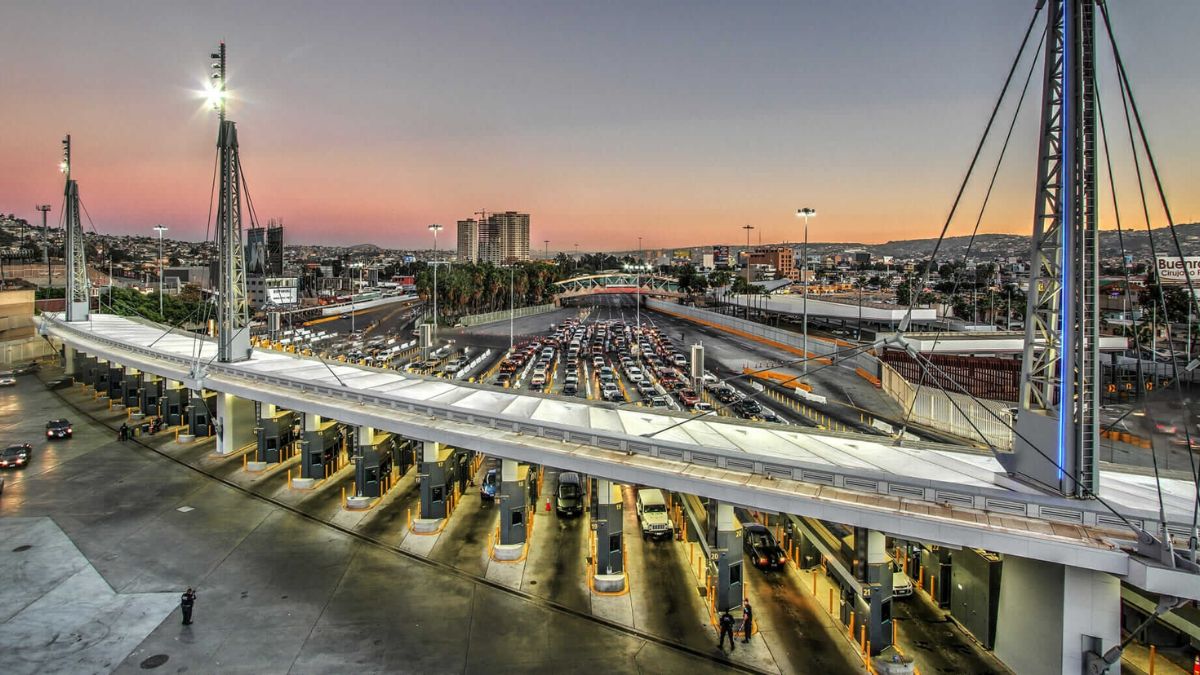
San Ysidro is one of the busiest land border crossings between the United States and Mexico. Because traffic levels can vary by hour, day and crossing type, checking the latest information shortly before travel is a useful habit.
Official
U.S. Customs and Border Protection, or CBP, is the primary federal agency responsible for processing people and vehicles entering the United States.
Its official San Ysidro Port of Entry page provides information about the port, including its location and contact details.
For travelers returning to the United States, CBP is the most relevant official source for understanding the U.S. inspection process.
It is important to distinguish between general traffic conditions and an official border wait estimate. A navigation application may show congestion on nearby roads, but that does not necessarily represent the amount of time required to complete the border inspection.
For that reason, travelers should check a source specifically designed for border information.
Waits
CBP provides an official Border Wait Times tool that allows travelers to check estimated waiting times at participating ports of entry.
The tool is particularly useful because it separates crossings and inspection types. Depending on the port, travelers may see information for vehicles, pedestrians and different processing lanes.
When checking San Ysidro, make sure you are looking at the correct direction and crossing category for your trip.
Someone walking across the border has a different experience from someone driving a private vehicle. Similarly, travelers using special programs or designated lanes should not automatically assume that a general vehicle estimate applies to them.
Direction
Border wait times depend on the direction of travel.
If you are traveling from San Diego into Mexico, you are leaving the United States. If you are returning from Tijuana into San Diego, you are entering the United States and will go through CBP inspection.
The official CBP wait-time tool is primarily relevant to entry into the United States. Travelers heading south should therefore use appropriate information for the Mexico-bound portion of their trip as well.
This distinction is easy to overlook. Someone searching for “San Ysidro border wait time” may actually be asking about either direction.
Before relying on a displayed number, confirm that it matches the direction and type of crossing you intend to use.
Vehicles
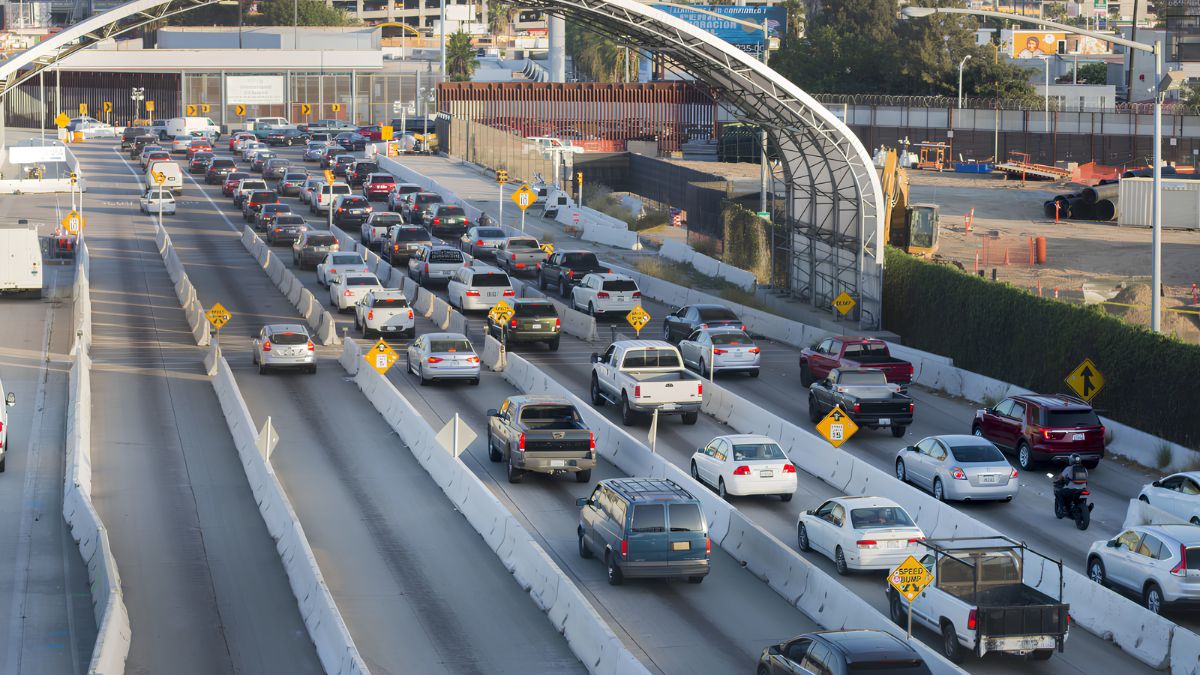
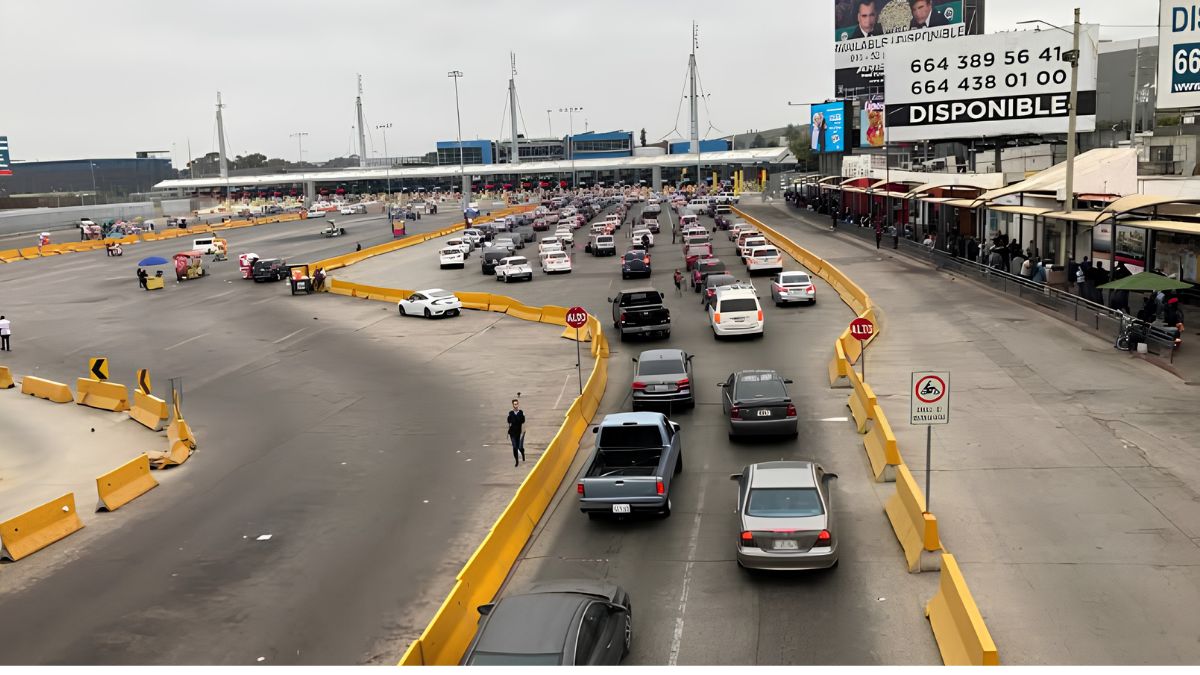
Drivers should pay particular attention to the vehicle crossing information.
A displayed wait time is an estimate, not a guarantee. Conditions can change while you are traveling toward the port, and the time required to complete the crossing can vary depending on traffic volume and inspection activity.
If you have a scheduled appointment, flight or other time-sensitive commitment, do not plan to arrive at the border at the exact time suggested by the wait estimate.
Instead, build a reasonable buffer into your schedule.
For example, if the official tool shows a relatively short wait, that does not mean the entire trip from your starting point to your destination will take only that amount of time. You still need to account for the drive to the port, traffic around the crossing, inspection and travel after entering the United States.
Pedestrians
People crossing on foot should check pedestrian-specific information rather than vehicle wait times.
The San Ysidro area has significant pedestrian traffic because of its location next to Tijuana. Pedestrian crossings can involve their own queues and processing procedures.
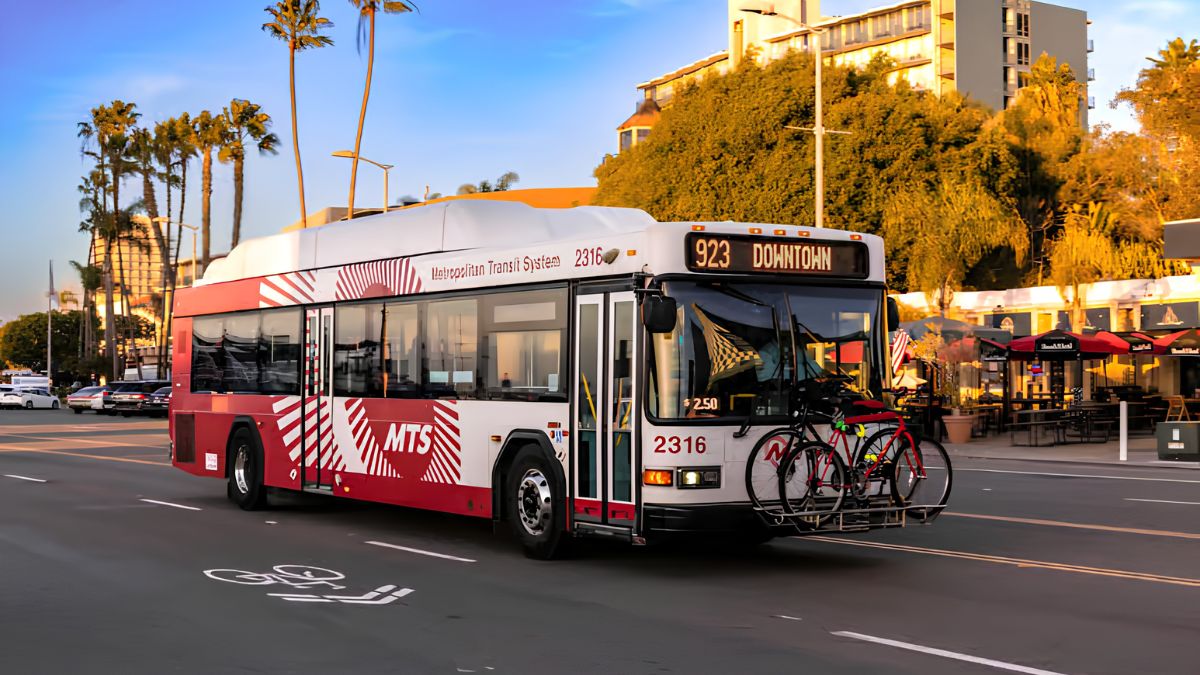
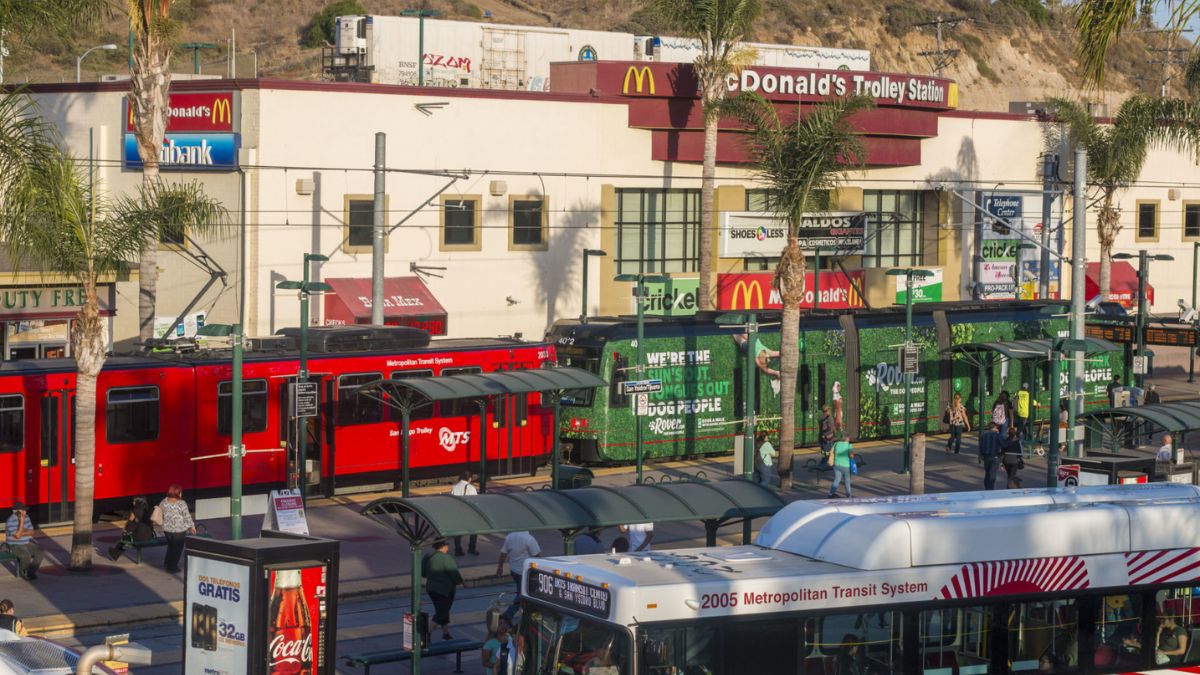
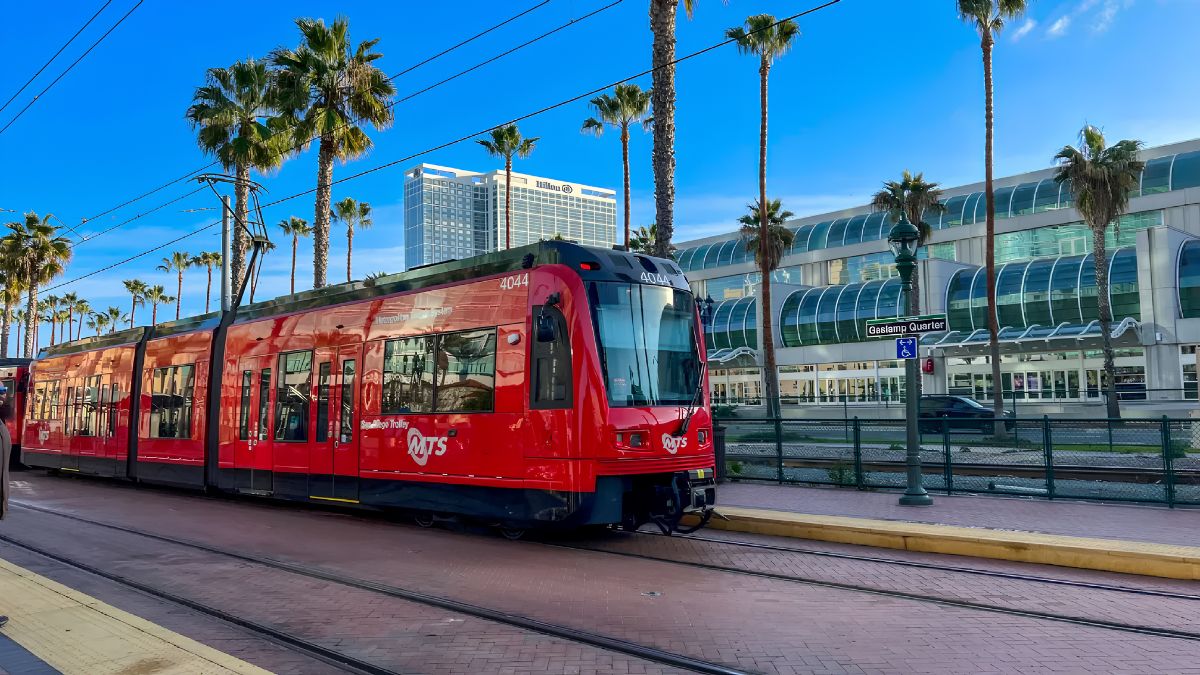
A traveler who arrives by trolley or bus may therefore need to plan for both the public transportation journey and the border crossing.
This is especially relevant for appointments or work schedules. A transit schedule may tell you when you will arrive near the border, but it does not guarantee how long the international crossing will take.
Allowing additional time is generally sensible when the timing of the crossing matters.
Timing
Wait times can change throughout the day.
Morning commuters, afternoon travelers, weekends, holidays and special events can produce different traffic patterns. There is no single wait time that accurately describes the border for an entire day.
Checking the official information shortly before departure is therefore more useful than checking it once several hours earlier.
For a planned trip, consider checking once when you begin preparing and again shortly before heading toward the border. This provides a more current picture of conditions.
Travelers should also remember that an estimate can change after they begin their journey.
Alerts
Border conditions can be affected by more than ordinary traffic.
Operational changes, inspections, construction, weather and other circumstances can influence how quickly people move through a port of entry.
The official CBP website should be treated as the primary source for federal border information. Travelers can also check official agency announcements when unusual conditions are reported.
Third-party websites and social media can sometimes provide useful observations from other travelers, but those reports may become outdated quickly.
A post saying that the wait was 20 minutes earlier in the day does not necessarily describe the situation when you arrive.
Programs
Some travelers use trusted traveler programs that provide access to designated processing lanes.
CBP’s Trusted Traveler Programs include services such as SENTRI and Global Entry for eligible travelers. These programs have specific eligibility and enrollment requirements.
The official Trusted Traveler Programs website provides information about enrollment and program rules.
Travelers should check the requirements for their particular program before assuming that they can use a specific lane.
Having a trusted traveler membership can affect the crossing experience, but it does not mean that every border trip will have no wait. Lane availability and operating conditions can still vary.
Documents
Checking the wait time is only one part of preparing for an international border crossing.
Travelers also need the appropriate identification and travel documents for their circumstances. Requirements can vary depending on citizenship, immigration status and the direction of travel.
For U.S. citizens and other travelers, the U.S. Department of State travel information provides official guidance about international travel and documentation.
It is better to verify document requirements before leaving rather than discovering an issue at the port.
Parents traveling with children should also check whether additional documentation may be appropriate for their circumstances.
Apps
Mobile tools can make checking border conditions easier while traveling.
The official CBP Border Wait Times website can be accessed through a smartphone browser. Travelers can save the page for easier access before a trip.
Navigation applications can also provide useful information about road congestion around San Ysidro. However, road congestion and border-processing times are different measurements.
For example, a traffic application may show slow movement on Interstate 5 or nearby roads. That does not necessarily tell you how long the inspection queue will take.
Using both types of information can provide a more complete picture: one for the roads leading to the border and one for the border-processing estimate itself.
Planning
A good border plan combines several pieces of information.
Start by identifying your crossing direction. Then determine whether you are traveling by vehicle or on foot. Check the relevant official wait-time estimate and look at road conditions around San Ysidro.
After that, consider what happens after the crossing.
If you are entering the United States for a flight, appointment or work shift, include travel time from the border to your final destination. A short border wait does not eliminate the possibility of traffic farther along your route.
The same principle applies when traveling south. If you have a reservation or appointment in Tijuana, allow time for the trip from your starting point to the border and for the crossing itself.
Accuracy
It is useful to understand what a border wait-time estimate actually means.
A displayed number should be treated as an estimate of current conditions, not a promise about the time your individual crossing will take. The number can change as traffic volume and processing conditions change.
This is why travelers should avoid building a schedule around an unrealistically precise assumption.
If an online source says the wait is 35 minutes, that does not mean you will necessarily be across the border exactly 35 minutes after entering the queue.
Official estimates are valuable because they provide a common reference point, but travelers still need to allow for normal variation.
Alternatives
San Ysidro is not the only border crossing in the region.
Travelers may also consider other ports of entry depending on their destination, transportation method and eligibility for particular lanes or programs.
However, choosing an alternative simply because a wait-time estimate appears shorter requires some calculation. A longer drive to another port may eliminate the advantage.
The best crossing depends on the entire journey rather than the border queue alone.
Travelers should compare current conditions, road distance, operating information and their own travel requirements before changing their route.
Routine
Checking the border should become part of the travel routine for anyone who crosses regularly.
A simple process works well: check the official CBP wait-time page, confirm the crossing direction, review the appropriate vehicle or pedestrian category, check nearby road traffic and leave extra time.
Regular travelers may also become familiar with patterns in their typical journeys, but current information should still take priority over assumptions based on previous trips.
A crossing that was quick last week may be slower today.
The same principle applies during holidays and unusual travel periods, when normal patterns may not be reliable.
Information
Official information is particularly important when travel involves immigration, customs or border inspection.
The CBP website is the appropriate source for U.S. port-of-entry information, while the U.S. Department of State provides broader international travel guidance.
Travelers should be cautious about websites that present unofficial wait times without explaining where their data comes from. Such information may be delayed, estimated differently or based on individual reports.
Using an official source does not guarantee that a trip will be predictable, but it gives travelers a more reliable starting point.
Preparation
The best way to use San Ysidro border wait information is to treat it as one part of a larger travel plan.
Check the official estimate close to departure, confirm that you are looking at the correct crossing type and direction, and allow additional time for road traffic and inspection.
If the journey is time-sensitive, a larger buffer is appropriate. Missing a flight, appointment or work shift can have consequences that are much greater than the inconvenience of arriving early.
For routine trips, the process becomes simple after a few uses. Open the official CBP Border Wait Times page, select the relevant port and crossing category, review the current estimate and plan accordingly.
San Ysidro’s busy border environment means conditions can change quickly, so there is no substitute for checking current information. The official CBP Border Wait Times tool provides the clearest starting point for travelers entering the United States, while government travel resources can help with documents and broader requirements.
A few minutes spent checking official information before leaving can make it easier to set realistic expectations. The goal is not to predict the border perfectly, but to understand current conditions and build enough flexibility into the journey to handle normal changes.
FAQs
Where can I check San Ysidro wait times?
Use the official CBP Border Wait Times website.
Are border wait times guaranteed?
No, official wait times are estimates and can change.
Can I check pedestrian wait times?
Yes, check the pedestrian category in the CBP tool.
Does traffic equal border wait time?
No, road traffic and border processing are different measures.
Where can I check travel documents?
Use official U.S. government travel guidance for requirements.