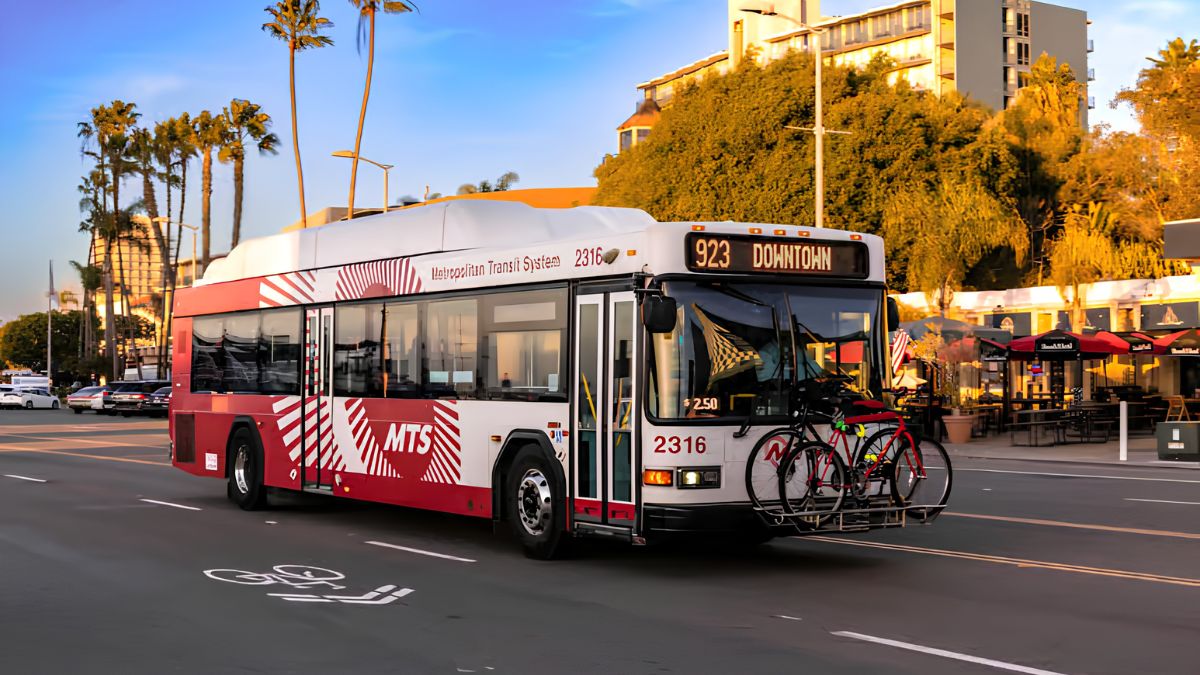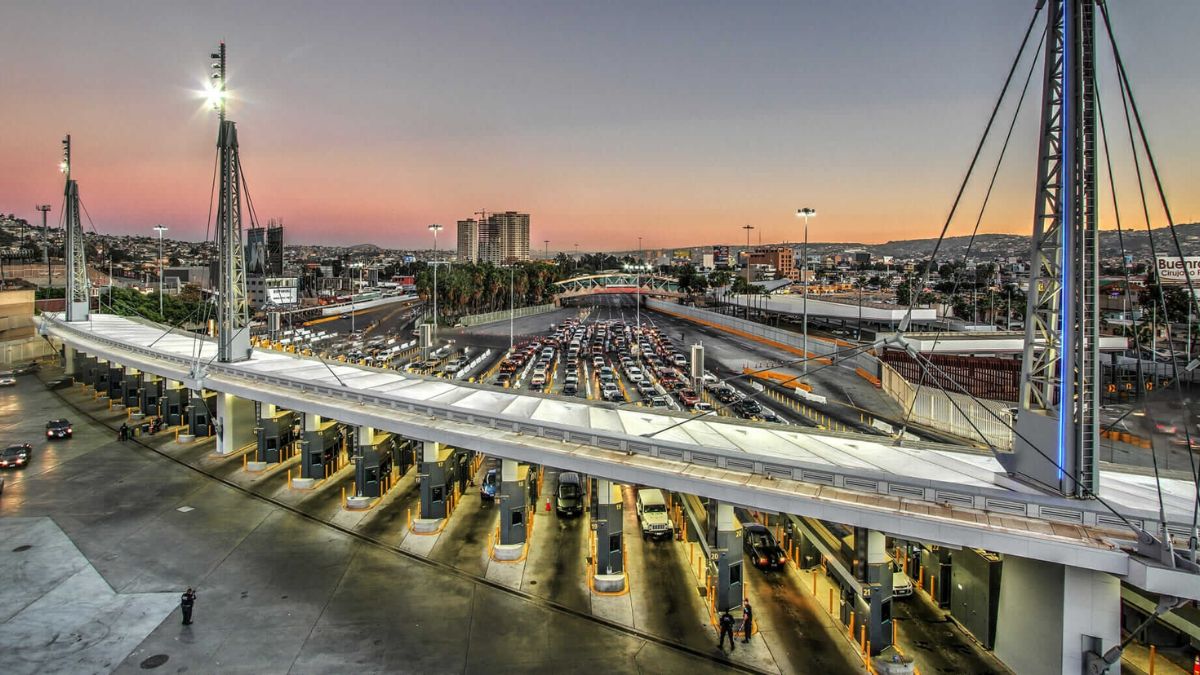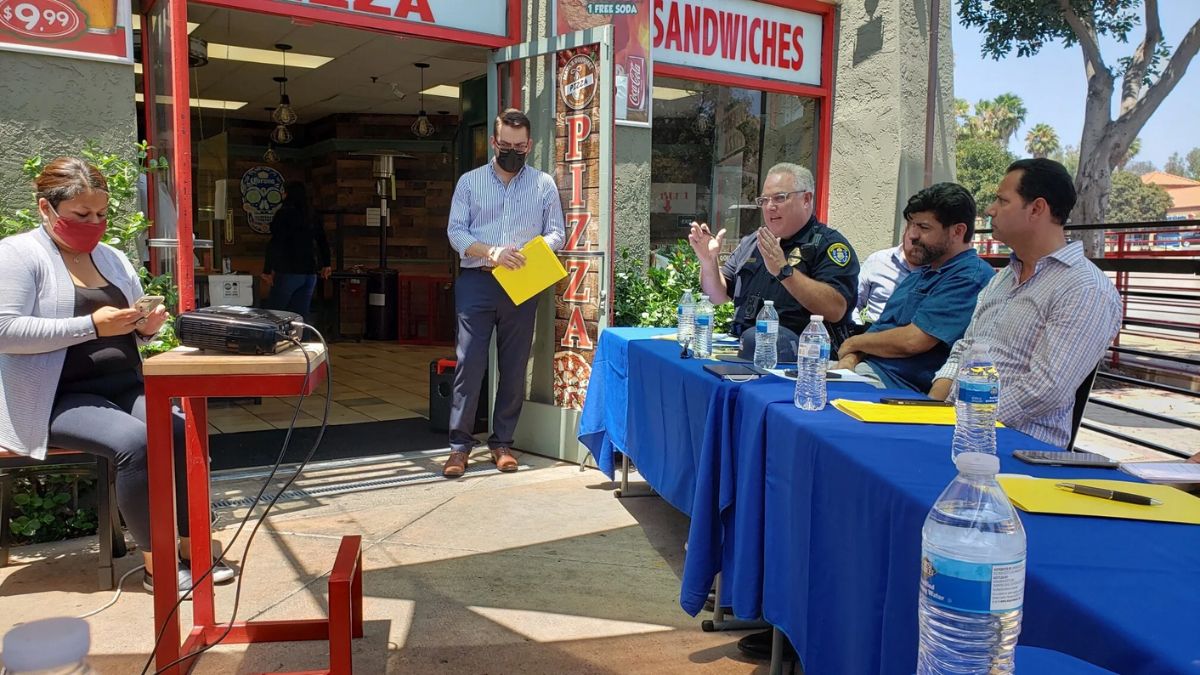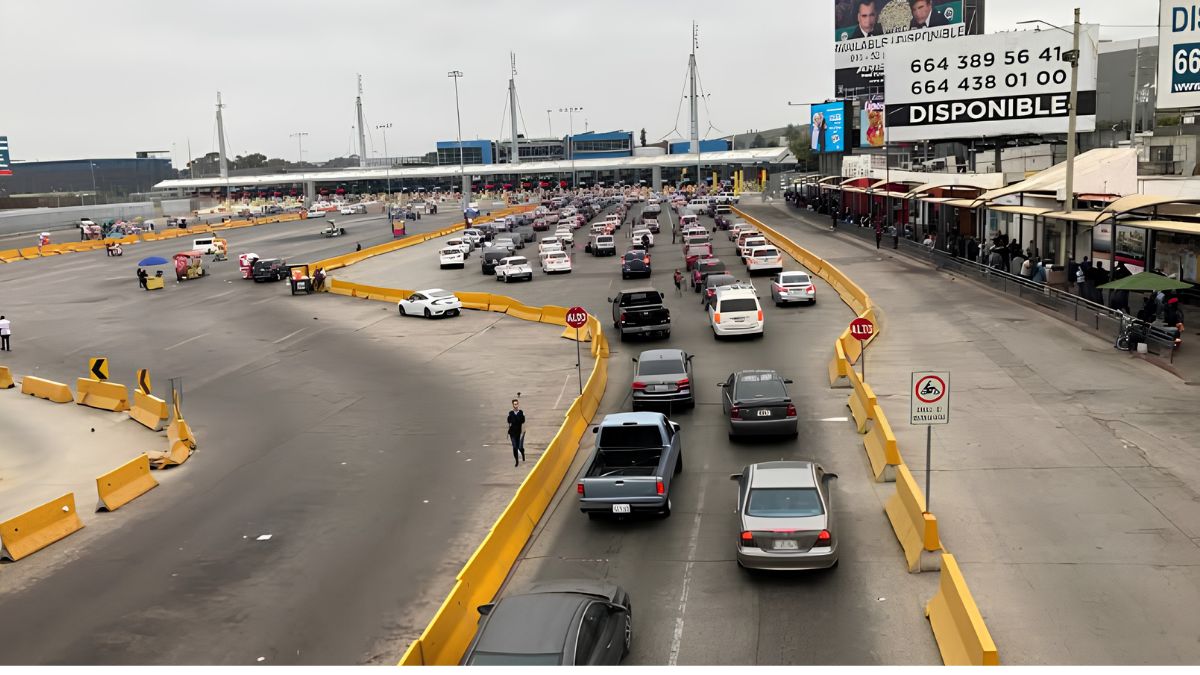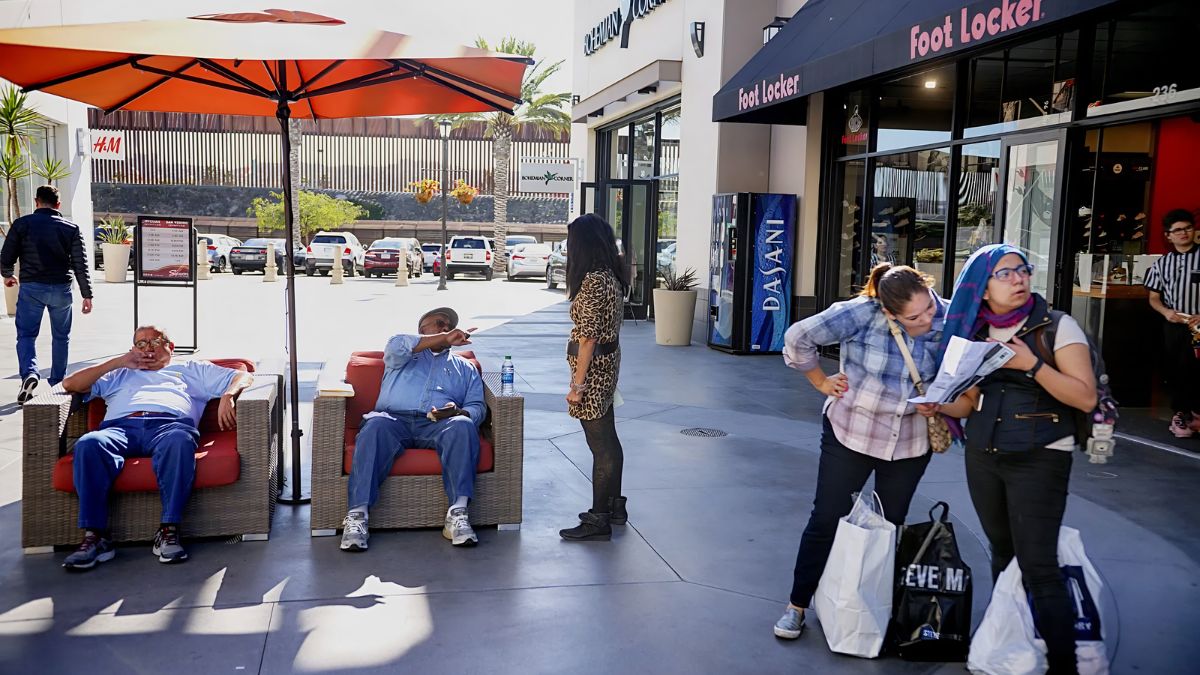
A shopping trip in San Ysidro does not have to involve a car. The community’s location near the U.S.-Mexico border, connections to San Diego’s public transportation network and concentration of businesses make it possible to plan much of a shopping day on foot and by transit.
The key is to plan around your stores rather than trying to visit everything at once. A good car-free shopping trip considers how you will reach the area, where you will walk, how much you can comfortably carry and how you will return home.
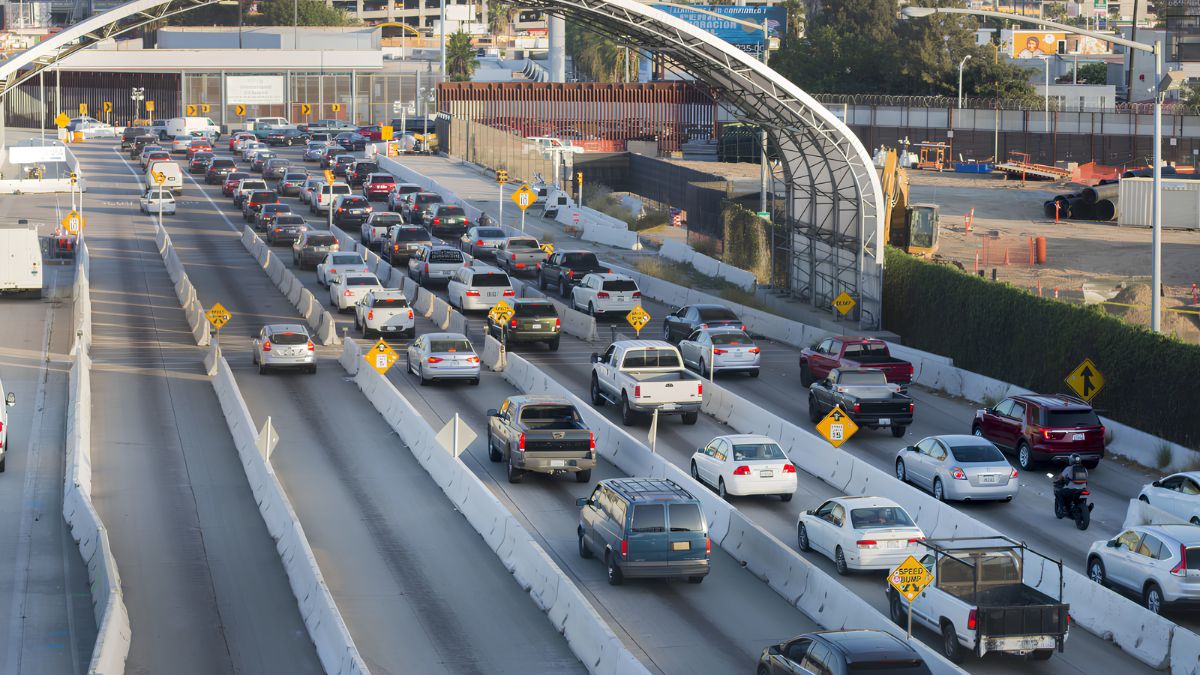
San Ysidro is also a place where shopping and cross-border travel often overlap. Some visitors arrive from other parts of San Diego, while others are traveling through the nearby international border crossing. That means the area can have different levels of activity at different times.
Start
Begin by making a simple list of the places you actually want to visit.
Instead of choosing a general shopping area and hoping everything is nearby, check the addresses of individual stores, restaurants and services. Put them in an order that reduces unnecessary walking.
This is especially helpful if you are carrying purchases. There is little benefit in walking back and forth between locations when you could visit nearby businesses together.
If your list includes several different types of stores, group them by location. A few minutes of planning can save considerable time once you arrive.
Transit
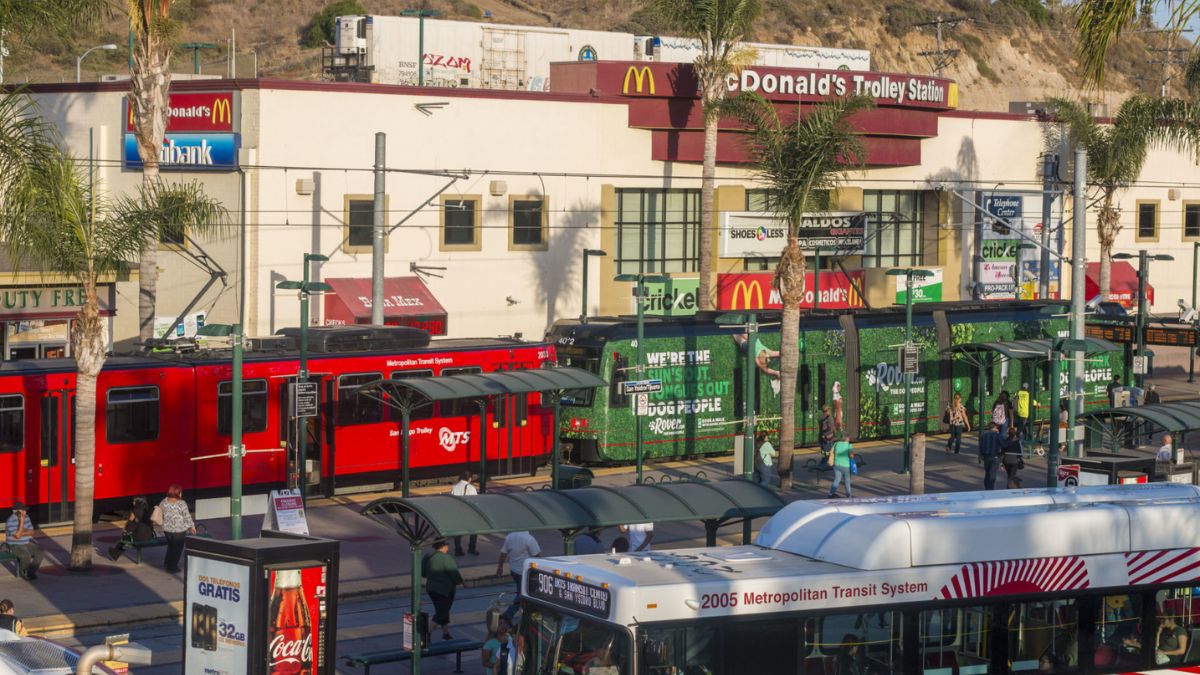
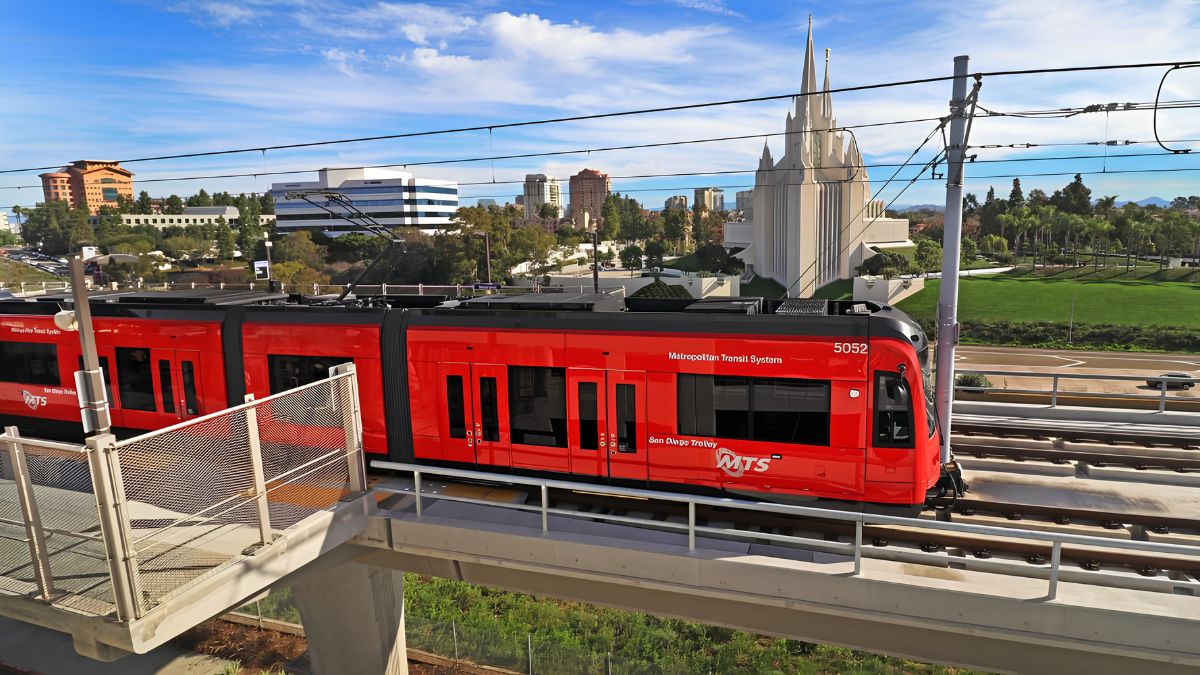
The San Diego Metropolitan Transit System provides the main public transportation connection to San Ysidro.
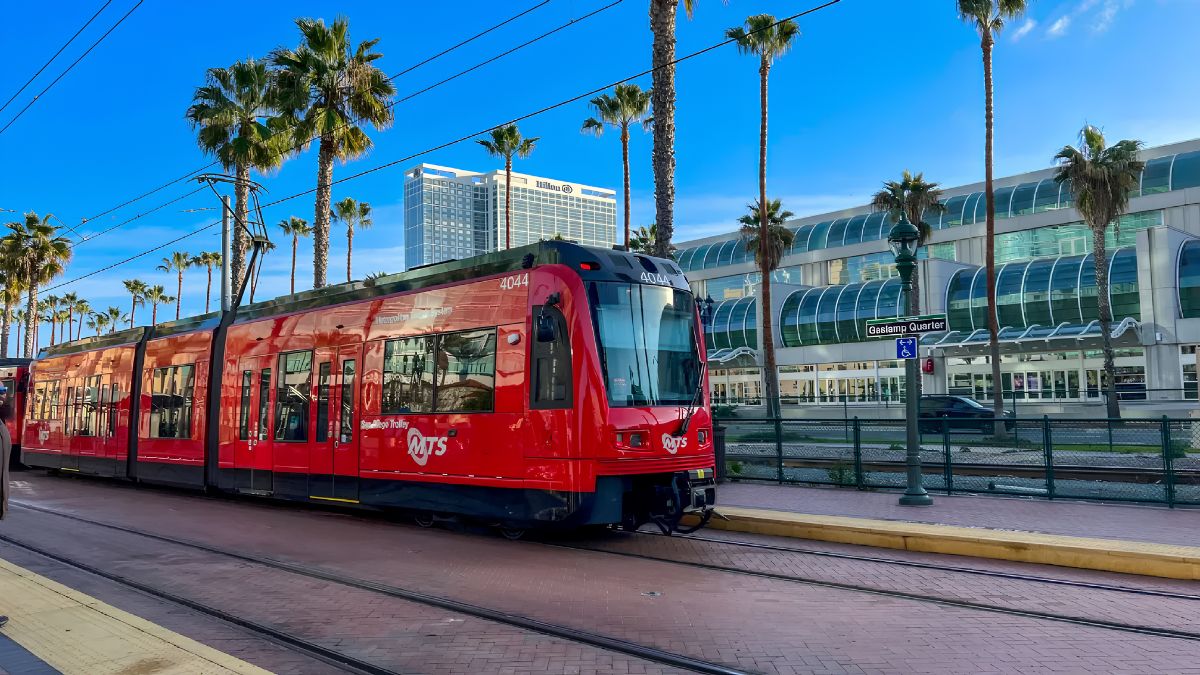
The Blue Line trolley runs to the San Ysidro Transit Center, making it a practical starting point for shoppers arriving from other parts of the San Diego region.
The MTS Trolley page provides current information about routes, stations and service conditions.
For shoppers who do not live within walking distance, the trolley can eliminate the need to find parking and can make the beginning of the day more predictable.
Check the schedule before leaving, particularly if you are traveling at a less busy time or have a specific store you need to reach.
Station
The San Ysidro Transit Center is an important point to use when planning a car-free shopping trip.
From there, the next step is deciding whether your first destination is close enough to walk or whether another transit connection is useful.
Do not assume that every store is immediately next to the station. San Ysidro contains several commercial areas, and the walking distance between individual businesses can vary.
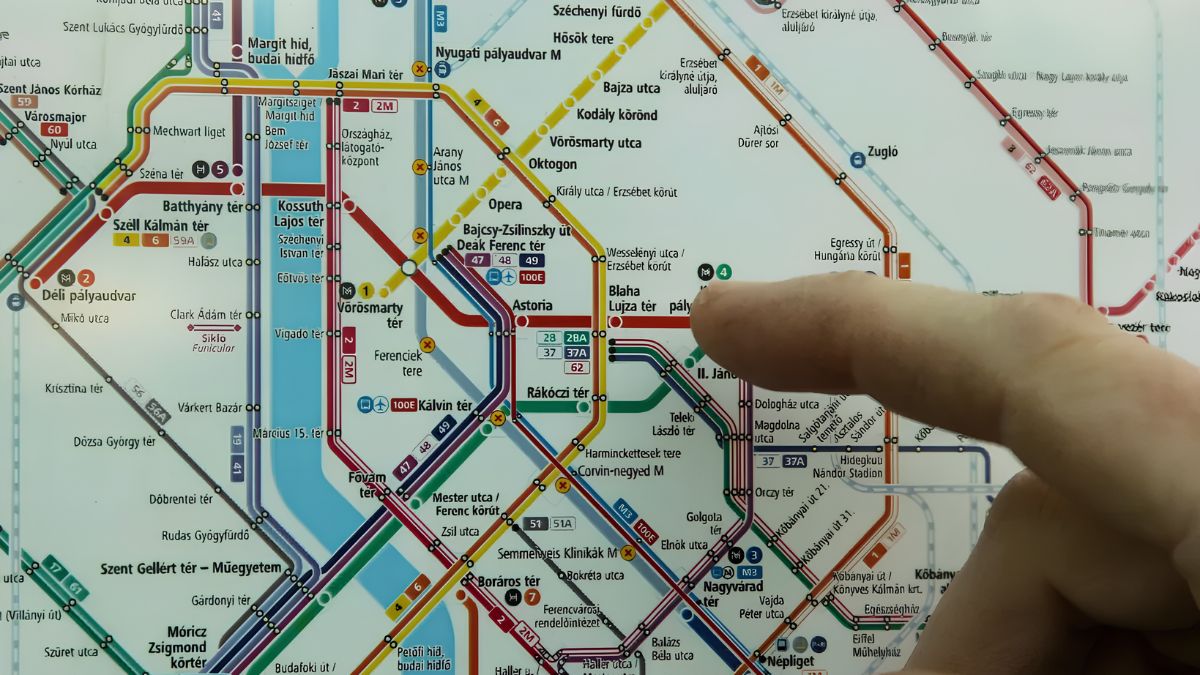
Use a current map to check the route before setting out.
Walking
Walking is often the simplest way to move between nearby stores.
A shopping trip, however, can involve more walking than expected. What looks like a short distance between two locations can become tiring after several hours, especially while carrying bags.
Wear comfortable shoes and consider taking breaks.
If you have mobility limitations, check the walking route in advance. Look for crossings, sidewalks, slopes and places to rest.
Accessibility is not simply about whether a store has an accessible entrance. The route leading to the store matters too.
Timing
Choose your shopping hours carefully.
Busy periods can mean more people on sidewalks, longer waits at stores and greater demand for public transportation.
If you prefer a quieter experience, an earlier visit may be more comfortable.
The time of year can also affect your plans. Holiday shopping, special promotions and community events can increase activity.
If you have a specific store in mind, check its current hours independently rather than assuming every business follows the same schedule.
Budget
Set a shopping budget before leaving home.
A car-free trip can reduce expenses related to fuel and parking, but that does not mean transportation is the only cost to consider.
You may also spend money on meals, drinks or additional purchases that were not on your original list.
A simple spending limit can help keep an unplanned shopping trip from becoming more expensive than expected.
If you are shopping for several people, make a list of priorities before arriving.
Bags
One of the biggest differences between shopping with and without a car is carrying everything you buy.
If you expect to make several purchases, consider using a reusable shopping bag, backpack or small rolling cart where appropriate.
Do not plan to carry more than you can comfortably manage.
You can also divide the trip into stages. Visit the stores where you need to make important purchases first, then decide whether you have enough capacity for additional shopping.
If a store offers delivery, that may be worth considering for larger or heavier purchases.
Food
Plan a meal or break into the day.
Shopping while hungry can make the trip less comfortable and can also encourage unplanned spending.
San Ysidro has a variety of food businesses, so you can include a restaurant or quick meal as part of the itinerary.
If you have dietary restrictions, check menus and operating hours in advance.
For people with mobility or other accessibility needs, consider whether the restaurant has suitable seating, an accessible entrance and a convenient restroom.
Border
San Ysidro’s proximity to the international border can influence your shopping plans.
If you are crossing between the United States and Mexico as part of the same day, you should treat the border crossing as a separate part of your itinerary.
Crossing times can change, and there may be periods when the wait is substantially longer than expected.
Do not schedule a tight appointment immediately after an international crossing unless you have enough flexibility.
If your shopping trip is entirely within San Ysidro, you do not need to cross the border simply because you are near the port of entry.
Currency
If your trip involves purchases on both sides of the border, think about payment methods before leaving.
Businesses may accept different payment methods, and exchange rates can affect the cost of purchases made in another currency.
If you are shopping only in San Ysidro, prices will generally be listed in U.S. dollars. If you cross into Mexico, check the payment and currency arrangements for the businesses you plan to visit.
It is also useful to keep receipts, particularly when making several purchases.
Accessibility
Car-free shopping can work well for many people, but accessibility needs should be considered from the beginning.
Check whether your route has step-free access, usable sidewalks and accessible entrances. If you use a mobility device, look for locations where the path provides enough space to move comfortably.
For public transportation, review the accessibility information provided by MTS.
If an accessibility feature is essential to your trip, confirm it before leaving. Temporary construction, maintenance or other changes can affect an otherwise familiar route.
Weather
Weather can have a larger effect on a car-free shopping day than on a trip by car.
You may spend significant time outside while walking between businesses and transit stops.
Check the forecast and dress accordingly. On hot days, carry water and schedule breaks. If rain is expected, consider whether you will be comfortable walking between stores.
Weather can also affect how easily you can carry purchases.
A lightweight shopping plan may be much more practical than carrying several bags over a long distance in poor weather.
Safety
Basic travel awareness is useful during any shopping trip.
Keep valuables secure and remain aware of your surroundings, particularly in crowded areas and around transportation hubs.
Keep your phone charged so you can access maps, store information and transit updates.
If you are carrying several purchases, keep them together and avoid leaving bags unattended.
These are ordinary precautions rather than reasons to avoid public transportation or walking. Planning ahead simply makes the day easier to manage.
Payments
Before leaving, make sure you have a payment method that works for your planned purchases.
Digital wallets can be convenient, but carrying a backup payment method can be useful if a card or phone has a problem.
If you are making a larger purchase, ask about the store’s return policy before paying.
Receipts are particularly important when shopping without a car because returning a purchase may require another transit trip.
Returns
Think about returns before buying something bulky or expensive.
If you are unsure about a product, check the store’s return period, conditions and documentation requirements.
This matters more on a car-free trip because returning an item can take additional time and transportation.
For larger purchases, ask whether the business provides delivery or another option that eliminates the need to carry the item.
Schedule
A useful shopping itinerary might look simple:
Morning: Arrive by trolley and visit the highest-priority stores.
Midday: Take a break for lunch and review your purchases.
Afternoon: Visit remaining stores and make any optional purchases.
Before leaving: Check the return transit schedule and organize your bags.
This approach leaves some flexibility while keeping the day manageable.
The MTS trip planner can help you check routes and connections based on your actual starting point and destination.
Alternatives
Public transportation and walking are not the only car-free options.
Depending on your circumstances, rideshare services can reduce walking and provide door-to-door transportation. They may be particularly useful when carrying heavier purchases.
Cycling can also be an option for experienced riders who are comfortable with the route and have a secure place to leave their bicycle.
The best choice depends on the distance, weather, shopping load and personal mobility needs.
Return
Do not plan only the trip into San Ysidro.
Check how you will get home before you begin shopping. This becomes especially important if you expect to stay until later in the day.
Know the location of your return transit stop and check the latest schedule.
If you have more bags than expected, consider whether a rideshare or other transportation option would make the return journey easier.
The return trip is often the point at which a car-free shopping day becomes difficult. Planning for it early can prevent that problem.
Checklist
Before leaving home, check:
- Shopping list
- Store addresses
- Store hours
- Trolley or bus schedule
- Walking routes
- Weather
- Accessibility needs
- Payment methods
- Shopping bags
- Food or break locations
- Return transportation
- Store return policies
This list does not need to be complicated. The goal is to know the important details before you arrive.
Plan
A car-free shopping day in San Ysidro works best when you treat transportation as part of the shopping plan.
Choose the stores first, map their locations, identify the nearest transit connection and estimate how much walking you can comfortably manage. Then consider how much you are likely to buy and how you will carry it.
For many shoppers, the Blue Line provides a convenient way to reach the area, while walking can handle shorter trips between nearby businesses. Food, weather, accessibility and return transportation are the other details worth considering.
The most useful plan is not necessarily the most detailed one. It is the plan that leaves enough flexibility for a store to be busy, a purchase to be heavier than expected or a transit connection to take longer than anticipated. With those possibilities in mind, shopping in San Ysidro without a car can be a practical way to spend the day while avoiding the costs and logistics of driving.
FAQs
Can you shop in San Ysidro without a car?
Yes, transit and walking can cover many shopping trips.
Which trolley serves San Ysidro?
The MTS Blue Line serves the San Ysidro Transit Center.
How should I handle shopping bags?
Carry only what is comfortable or consider delivery options.
Should I check transit times before shopping?
Yes, especially for your return trip.
Is San Ysidro near the Mexico border?
Yes, the community is next to the international border.