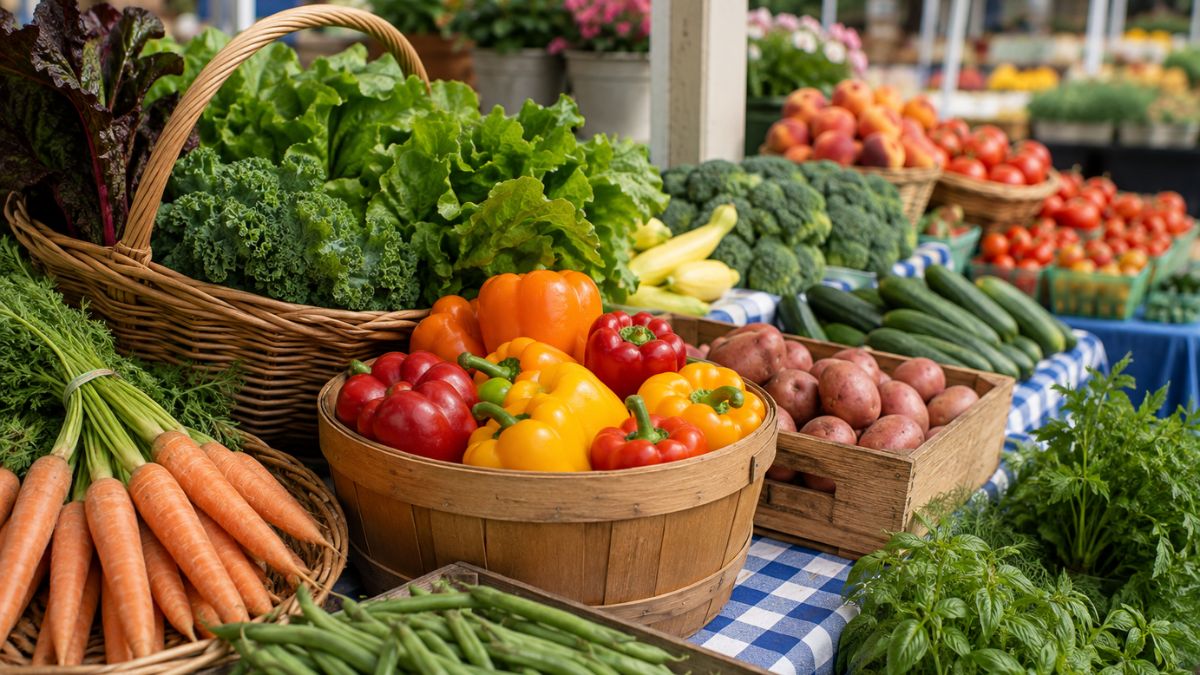
Buying fresh produce in San Ysidro, California, involves more than choosing fruits and vegetables that look appealing. Shoppers must consider freshness, ripeness, seasonal availability, storage requirements, and price to determine which products offer the best value. Whether shopping at a grocery store, neighborhood market, or produce stand, knowing these factors can help households make informed decisions and reduce food waste.
San Ysidro’s location in Southern California provides access to a regional food distribution network, including produce grown in California and other parts of the United States. Depending on the retailer and season, shoppers may also find imported fruits and vegetables. Availability, quality, and prices can change throughout the year, so comparing products before purchasing can be useful.
A lower price does not always mean better value, just as an attractive appearance does not necessarily indicate superior quality. The amount of edible produce, expected shelf life, intended use, and storage conditions all influence the final cost of a purchase.
Here is a practical guide to evaluating fresh produce in San Ysidro and selecting fruits and vegetables that suit your household’s needs.
Quality
Freshness is one of the first factors to assess when purchasing fruits and vegetables. Although individual products have different characteristics, shoppers can often identify quality by examining appearance, texture, aroma, and signs of damage.
For most whole fruits and vegetables, look for firm skin, natural coloration, and a texture appropriate for the product. Avoid items with extensive bruising, leaking areas, visible mold, or signs of decay. Leafy vegetables should generally look fresh rather than excessively wilted or slimy.
However, not every mark indicates poor quality. Minor surface blemishes, irregular shapes, or variations in size may have little effect on taste or nutritional value. For example, a slightly uneven apple can be perfectly suitable for eating, while a visually attractive apple with soft, damaged areas may have a shorter shelf life.
Different produce items also have different ripeness indicators. Avocados may yield slightly to gentle pressure when ripe, while citrus fruits are often selected based on firmness, weight, and the absence of damaged skin. Tomatoes intended for immediate use may be purchased at a different stage of ripeness from those needed several days later.
Whenever possible, examine products individually rather than judging an entire display by its appearance. If buying packaged produce, check the contents for moisture buildup, crushed items, or signs of deterioration.
Seasonality
Seasonal availability can influence the quality, price, and selection of fresh produce. Fruits and vegetables that are in season may be more readily available from regional suppliers, although actual prices depend on weather, transportation, labor, demand, and other market conditions.
San Ysidro shoppers may find a variety of California-grown produce throughout the year. Seasonal examples can include strawberries and asparagus in spring, stone fruits such as peaches and nectarines in summer, and certain citrus varieties during cooler months. Exact availability varies by variety, growing conditions, and retailer sourcing.
The following table provides a general guide to seasonal produce in California. It should not be treated as a guarantee of availability at every San Ysidro store.
| Season | Examples of produce | Shopping considerations |
|---|---|---|
| Spring | Strawberries, asparagus, peas | Check freshness and tenderness |
| Summer | Peaches, nectarines, melons, tomatoes | Assess ripeness and plan for refrigeration |
| Fall | Apples, pears, pumpkins, winter squash | Compare firmness and storage potential |
| Winter | Citrus fruits, broccoli, leafy greens | Look for firm fruit and fresh leaves |
Some products, including bananas and avocados, may be available throughout the year because of established supply chains and imports. Their presence on store shelves does not necessarily indicate that they are locally grown or currently in season.
Ask retailers where their produce comes from if origin matters to your purchasing decision. Product labels and packaging may provide information about country or region of origin, depending on the product and applicable labeling requirements.
Seasonality can also help shoppers plan meals around available ingredients. Choosing produce that is abundant at the time of purchase may provide more variety and, in some circumstances, better value.
Appearance
Appearance offers useful clues about produce quality, but it should be considered alongside texture, aroma, and intended use. Natural differences in color and shape are common, and appearance alone cannot establish freshness or nutritional content.
When selecting leafy greens, look for leaves that are reasonably crisp and free from extensive yellowing or slimy areas. For broccoli, compact florets and firm stalks are generally desirable. For carrots, firmness and an absence of soft or decaying patches can indicate better condition.
Fruit selection requires a slightly different approach. Peaches and plums may develop softer textures as they ripen, while apples typically remain firm. Melons can be more difficult to assess because external appearance does not always reveal the condition of the flesh inside.
Smell can also help when choosing certain ripe fruits. A pleasant, characteristic aroma may indicate ripeness, while an unusual fermented or sour smell can suggest deterioration.
Avoid squeezing products excessively while inspecting them. Repeated handling can damage delicate fruit and affect the quality of items other customers may purchase.
If a product has minor cosmetic imperfections but is otherwise sound, it may still be suitable for cooking, blending, or baking. For example, ripe tomatoes can work well in sauces, while softer fruit may be appropriate for smoothies or cooked desserts.
The key is to distinguish harmless cosmetic differences from genuine signs of spoilage.
Pricing
Comparing prices by weight is often more useful than comparing package prices alone. A small container may appear inexpensive but cost more per pound than a larger package. Conversely, a large package may not provide better value if part of it spoils before it is used.
Check the unit price displayed on the shelf, usually expressed per pound or another standard measure. If unit prices are unavailable, divide the total price by the weight to compare similar products.
Consider the following hypothetical example:
| Product | Package size | Total price | Price per pound |
|---|---|---|---|
| Apples A | 2 lb | $3.00 | $1.50 |
| Apples B | 3 lb | $3.90 | $1.30 |
| Apples C | 1 lb | $1.60 | $1.60 |
In this example, Apples B have the lowest price per pound. However, the larger package is only the better purchase if the household can use the apples before they deteriorate.
Compare similar products and account for differences in variety, quality, preparation, and packaging. Whole produce may have a lower purchase price than pre-cut alternatives, but preparation time and convenience may also matter to the buyer.
Organic and conventional products can differ in price and availability. The appropriate choice depends on personal preferences, budget, and the specific product. Neither label eliminates the need to inspect freshness and handle food safely.
Storage
Storage requirements can affect how much of a purchase remains usable. Some produce lasts longer under refrigeration, while other items may ripen or maintain better quality at room temperature.
Apples, berries, leafy greens, and many cut vegetables generally benefit from refrigeration. Potatoes, onions, and winter squash usually need a cool, dry, well-ventilated location rather than a damp refrigerator environment. Whole bananas are commonly kept at room temperature, while ripe avocados can be refrigerated to slow further ripening.
Tomatoes intended to develop full flavor are generally best allowed to ripen at room temperature. Once cut, however, they should be refrigerated promptly.
Keep raw produce away from meat, poultry, seafood, and their juices to reduce the risk of cross-contamination. Refrigerate perishable items promptly, and follow food safety guidance for washed, cut, or packaged products.
A useful strategy is to plan storage before buying large quantities. If refrigerator space is limited, purchasing smaller amounts more frequently may be more practical than buying a large discounted package.
It is also important to separate storage needs from the decision to wash produce. Rinse fruits and vegetables under clean running water before eating or preparing them, and dry them when appropriate. Avoid using soap or household detergents to wash produce.
Value
The best-value purchase balances price, quality, quantity, and expected use. A product that costs less initially may be more expensive in practice if a significant portion is discarded.
Before shopping, consider how many meals you intend to prepare and which ingredients you will use first. Buy delicate products, such as berries and leafy greens, in quantities that can be consumed relatively quickly. More durable items, such as certain apples, carrots, and squash, may be better suited to longer storage when handled correctly.
Frozen produce can also be a useful alternative. It may be convenient for smoothies, soups, and cooked dishes, and it can reduce waste when fresh ingredients are not needed immediately. Fresh and frozen products have different textures and uses, so compare them according to the intended meal rather than price alone.
Produce sold in bulk may offer savings, but only when the quantity matches household demand. If you regularly discard unused vegetables, smaller packages may provide better overall value despite a higher unit price.
Consider the edible portion as well. Products that require extensive trimming may yield less usable food than their purchase weight suggests. For example, a bunch of leafy vegetables with substantial damaged leaves may provide less usable produce than a slightly more expensive, fresher bunch.
Safety
Food safety should remain a priority when buying fresh produce. Choose products from retailers that maintain clean displays and appear to handle food appropriately. Refrigerated produce that requires temperature control should be kept under suitable conditions.
Avoid products with visible mold, extensive decay, leaking packaging, or unusual odors. When purchasing cut fruit or prepared vegetables, check packaging integrity, storage conditions, and use-by information where provided.
At home, wash hands before handling food and clean preparation surfaces and utensils. Rinse produce under running water before cutting or eating it, including items that will be peeled, because a knife can transfer contaminants from the outer surface to the edible portion.
Follow storage instructions on packaged products and use cut or prepared produce within appropriate food safety timeframes. When in doubt about a product that shows signs of spoilage, do not taste it to determine whether it is safe.
If you are shopping during warm weather, keep perishable items out of a hot vehicle for extended periods. Plan your route so that refrigerated or cut produce can be stored appropriately after purchase.
Shopping
A consistent shopping routine can make produce selection easier. Start with a list based on planned meals, compare unit prices, inspect quality, and select quantities that match your storage capacity.
Consider shopping at more than one retailer only when the potential savings justify the extra travel and time. Prices may vary among supermarkets, neighborhood stores, and produce markets, but a comparison should include product quality, package size, and convenience.
For repeated purchases, note which stores regularly offer the varieties and quantities you use. This can help you recognize reasonable prices without spending excessive time comparing every item.
Avoid assuming that a farmers market, small grocery store, or large supermarket always offers the freshest or least expensive produce. Conditions vary by supplier, delivery schedule, turnover, and season. Evaluating the actual products is more useful than relying on the type of retailer alone.
Buying fresh produce in San Ysidro becomes easier when shoppers consider quality, seasonal availability, storage needs, and total value together. Inspect items carefully, compare unit prices, buy quantities that match your household’s needs, and store each product appropriately. Seasonal choices may expand your options, while careful planning can reduce waste and help make grocery spending more predictable. By focusing on freshness and practical use rather than appearance or price alone, you can make more informed decisions about the fruits and vegetables you bring home.
FAQs
How can I tell whether fresh produce is good quality?
Check texture, color, aroma, and signs of damage or spoilage.
Is seasonal produce always cheaper?
No. Prices also depend on supply, demand, weather, and transportation.
Should fresh fruits and vegetables be refrigerated?
Many should be, but storage requirements vary by produce type.
How can I compare produce prices fairly?
Compare unit prices and consider quality, package size, and expected waste.
Should I buy produce in bulk to save money?
Only if you can store and use the quantity before it spoils.