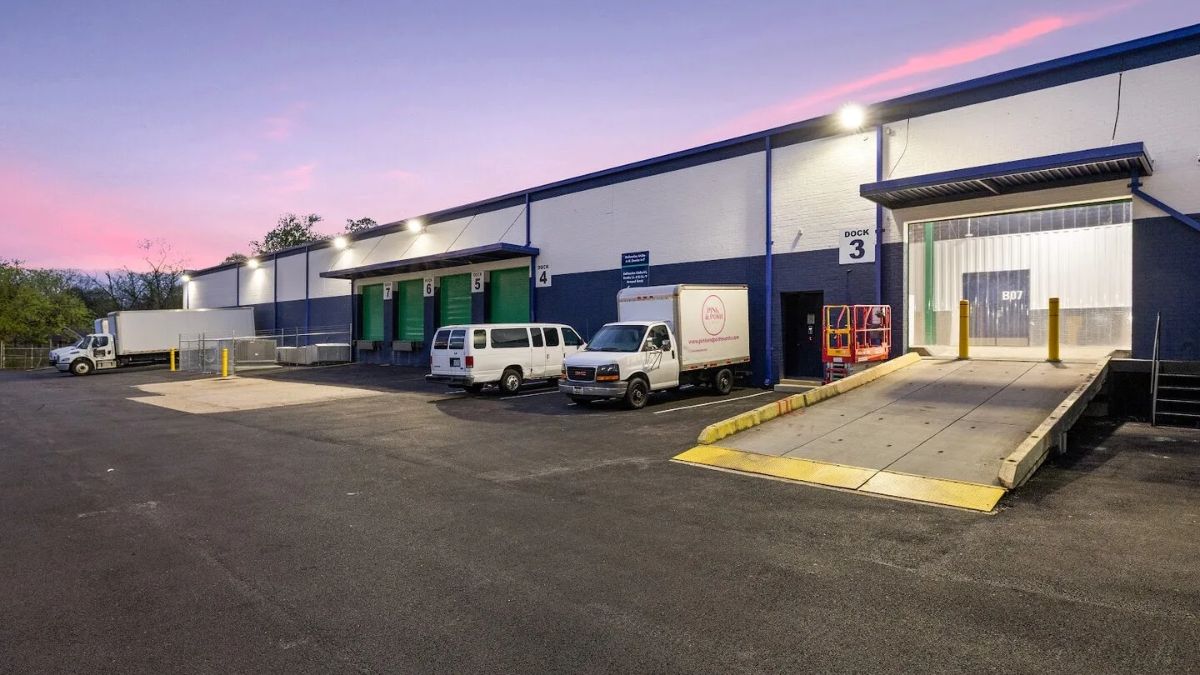
Renting a commercial property in San Ysidro, California, involves several decisions beyond choosing a location and agreeing on monthly rent. Business owners also need to understand lease conditions, utility charges, signage restrictions, maintenance obligations, insurance requirements, and the costs associated with preparing a space for operation. These details can influence both the initial investment and the ongoing financial commitments of a business.
San Ysidro’s location near the United States-Mexico border may make it a suitable location for businesses serving local residents, travelers, cross-border customers, and nearby commercial communities. However, the suitability of any property depends on its location, permitted use, accessibility, physical condition, and lease structure.
A property with an attractive rental price may carry additional expenses that are not immediately apparent in the advertised rate. Similarly, a space in a busy commercial area may not meet a business’s needs if signage restrictions, parking limitations, or zoning requirements create operational difficulties.
Before signing a commercial lease, prospective tenants should review the agreement carefully, request written explanations of additional charges, and verify the property’s regulatory requirements. The following seven areas can help business owners assess whether a commercial property in San Ysidro is appropriate for their plans and budget.
1. Lease
The lease agreement establishes the legal and financial relationship between the property owner and the tenant. It explains how long the tenant can occupy the space, how rent will be calculated, which expenses each party must pay, and what happens if either party fails to meet its obligations.
Start by confirming the lease duration and the available renewal options. A short-term lease may provide flexibility for a new business, while a longer agreement may offer greater occupancy stability. However, a longer commitment can also limit flexibility if the business needs to relocate or reduce its operating costs.
Ask whether rent will increase during the lease term. Some agreements specify fixed annual increases, while others contain different adjustment provisions. Understanding these terms in advance helps businesses prepare realistic financial projections.
The lease structure also deserves attention. A gross lease generally places more property expenses with the landlord, while a modified gross lease divides certain expenses between the parties. Under a triple-net lease, commonly called an NNN lease, tenants typically pay base rent plus specified property taxes, insurance, and maintenance expenses. The precise obligations depend on the written agreement.
Before signing, clarify whether the property can legally accommodate your proposed business. Retail stores, restaurants, offices, and storage facilities may have different zoning, building, and permitting requirements. Do not assume that a previous tenant’s use automatically authorizes your intended activities.
Other provisions to review include security deposits, late fees, personal guarantees, subleasing rights, assignment restrictions, and early termination conditions. If you plan to sell the business or transfer operations in the future, these clauses may become particularly relevant.
For official information, consult the City of San Diego’s Development Services Department to investigate applicable development, zoning, and permitting requirements. Confirm the property’s specific eligibility with the relevant city department before making a commitment.
2. Utilities
Utility expenses can vary considerably according to the type of business, the size of the premises, equipment requirements, and operating hours. Electricity, water, sewer service, natural gas, internet access, and waste collection should therefore be included in the property’s overall cost assessment.
The first question is whether utilities are included in the quoted rent. If they are billed separately, ask which services require individual accounts and which are managed by the landlord.
Properties with separate meters generally allow tenants to pay for their own measured consumption. In multi-tenant buildings, however, some services may use shared meters. In those cases, the lease should explain how the landlord calculates each tenant’s share.
For example, a restaurant may consume more water and electricity than a small professional office. A warehouse may have different heating, lighting, and equipment requirements from a retail storefront. These differences make it important to evaluate utility expenses in relation to the intended business use.
Ask the landlord for recent utility bills or reasonable historical estimates, where available. Although past bills cannot guarantee future costs, they can provide a useful starting point for budgeting.
The physical capacity of the property’s utility systems is equally important. Check whether the electrical supply can support your equipment, whether the plumbing is suitable for your operations, and whether the heating and cooling systems can maintain appropriate indoor conditions.
Businesses that rely on digital transactions, appointment systems, or online services should also confirm internet availability and connection options. Before signing, establish who is responsible for repairing utility systems and paying for necessary upgrades.
3. Signage
Signage helps customers identify a business and locate its entrance. In a commercial area such as San Ysidro, storefront visibility may be an important factor when evaluating potential premises. However, the right to display a sign should be confirmed before the lease is finalized.
Ask the landlord whether the property permits exterior lettering, illuminated signs, window graphics, directional signs, or freestanding displays. The permitted options may depend on the building, the lease agreement, the property’s zoning, and applicable sign regulations.
Landlord approval does not necessarily mean that a sign can be installed without additional authorization. City regulations, building standards, and permit requirements may also apply. Tenants should verify the rules relevant to the property’s exact address and proposed sign design.
The City of San Diego’s Development Services Department provides an official starting point for information about city development requirements and applicable permits. Businesses should confirm which procedures apply to their specific signage plans rather than relying on assumptions based on nearby properties.
Shopping centers and multi-tenant buildings may also impose design standards. These can cover sign dimensions, materials, colors, lighting, installation locations, and maintenance.
Before committing to a space, request written confirmation of the signage rights available under the lease. Ask who pays for design, manufacturing, installation, repairs, and removal when the tenancy ends.
If customer visibility is central to your business model, check the available sign locations during a property inspection. A space may have a visible storefront but limited opportunities for exterior identification.
4. Costs
The advertised rent is not always an accurate measure of the total cost of occupying a commercial property. Additional expenses can include property taxes, insurance contributions, common-area maintenance, utilities, waste removal, security, repairs, and parking-related charges.
The exact expenses depend on the lease structure and the property’s management arrangements. Tenants should request a written breakdown of the base rent and any additional charges before making a final decision.
Common-area maintenance, or CAM, charges are particularly relevant in shopping centers and multi-tenant buildings. They may cover shared services such as cleaning, landscaping, lighting, parking lot maintenance, and other common facilities. However, the specific items included can vary between agreements.
Ask how these charges are calculated, how frequently they are reconciled, and whether the landlord can increase them. If the lease includes estimated monthly payments followed by an annual adjustment, establish how any additional amount will be calculated and when it becomes payable.
A practical budget should also include upfront expenses. These may involve the security deposit, initial rent payments, renovations, furniture, equipment, permits, professional fees, and signage.
The following table outlines the principal expenses to review.
| Expense | Question to Ask |
|---|---|
| Base rent | What is the starting monthly rent? |
| Rent increases | How and when can rent change? |
| Property taxes | Are these included or charged separately? |
| Insurance | Which policies and contributions are required? |
| Utilities | Are services individually metered? |
| CAM charges | Which shared expenses are included? |
| Repairs | Who pays for different types of repairs? |
| Improvements | Will the landlord contribute to approved work? |
| Deposits | What is due before taking possession? |
| Permits | Which approvals and fees are necessary? |
Request estimates in writing wherever possible. You should also consider whether the lease requires you to continue paying rent during renovations or other periods when the business cannot yet operate.
A realistic occupancy budget helps you compare properties on a consistent basis instead of choosing one solely because its advertised rent appears lower.
5. Repairs
The condition of a commercial property can affect both the opening schedule and the cost of operating a business. Before signing a lease, inspect the roof, electrical systems, plumbing, heating and cooling equipment, windows, doors, flooring, and exterior areas.
A property may appear ready for occupancy while still requiring repairs or upgrades. For this reason, prospective tenants should distinguish between cosmetic improvements and work necessary to support safe, lawful, and reliable business operations.
The lease should clearly explain which repairs are the landlord’s responsibility and which fall to the tenant. Some agreements assign routine interior maintenance to tenants while reserving structural repairs for the property owner. Other agreements allocate maintenance differently, so the wording of the contract matters.
Ask who is responsible for repairing the roof, maintaining the HVAC system, addressing plumbing failures, and replacing major equipment. Also establish how quickly the landlord must respond to problems that affect the property’s use.
If improvements are necessary before opening, document the required work in writing. The agreement should identify the responsible party, the expected completion date, and whether the tenant can begin renovations before the lease’s official commencement date.
A professional inspection may help identify problems that are not immediately visible. Depending on the property’s age and intended use, you may also need to investigate electrical capacity, accessibility, fire protection, ventilation, and other building requirements.
The City of San Diego’s Building Services information is a useful official resource for checking applicable building and permit requirements. Because individual projects and properties can have different requirements, confirm the details with the appropriate city department.
Tenants should also document the property’s condition when receiving the keys. Photographs, inspection records, and a signed condition report can help clarify existing damage and reduce disagreements when the lease ends.
6. Location
The location of a commercial property influences customer access, delivery arrangements, visibility, and the type of business that can operate successfully there. San Ysidro’s position near the international border may be relevant to businesses serving local communities, travelers, cross-border customers, and nearby commercial districts.
However, proximity to a busy road or border crossing does not automatically guarantee strong sales. The value of a location depends on the target market, customer behavior, operating hours, competition, parking, and ease of access.
Visit the property at different times of day to observe traffic patterns and activity in the surrounding area. If possible, assess weekday and weekend conditions, particularly if your business depends on walk-in customers.
Consider whether customers can enter the premises conveniently, whether deliveries can be completed without disrupting operations, and whether employees have practical transportation options. A property with limited parking or difficult access may present challenges even when its rent is competitive.
It is also important to verify the property’s exact address and jurisdiction. San Ysidro is a community within the City of San Diego, but the applicable requirements for a particular parcel should be confirmed rather than assumed. Check zoning, permitted uses, occupancy conditions, and any additional approvals required for your business.
Ask the landlord whether there are restrictions on operating hours, deliveries, loading areas, exterior displays, or customer activities. These conditions may influence how efficiently you can run the business.
Before signing, compare the location’s advantages with its costs. A smaller space in a suitable commercial area may be more practical than a larger property that requires additional investment in transportation, renovations, or customer access.
7. Insurance
Insurance requirements are another part of commercial leasing that should be reviewed before signing the agreement. Depending on the lease and the type of business, tenants may need general liability insurance, coverage for business property, workers’ compensation where required, or additional policies relevant to their operations.
Ask the landlord to identify the required coverage limits, the types of policies accepted, and any requirements concerning additional insured parties. Clarify when proof of insurance must be provided and whether the landlord needs updated certificates during the lease term.
It is equally important to understand the difference between insurance for the building and insurance for the business. The landlord may insure the physical structure, but that does not necessarily cover the tenant’s inventory, computers, furniture, equipment, or other business assets.
Consider whether business interruption coverage is appropriate, particularly if an unexpected event could prevent you from serving customers or generating revenue. The right coverage will depend on the nature of the business, the lease requirements, and the risks associated with the premises.
For official information about California business insurance requirements, consult the California Department of Insurance. The department provides information to help consumers and businesses understand insurance products and related issues. Specific coverage requirements should be confirmed with an insurance professional and reviewed against the lease.
Request insurance estimates before finalizing your occupancy budget. Premiums can vary according to the business activity, property characteristics, coverage limits, claims history, and other underwriting factors.
You should also ask whether the landlord requires contractors to carry insurance before conducting renovations. This can affect the timing and cost of preparing the premises for opening.
Planning
Once you have reviewed the seven areas, bring the information together into a practical decision-making process. Start by calculating the estimated monthly occupancy cost, including base rent, utilities, additional property charges, insurance, and maintenance obligations.
Next, estimate the one-time expenses required before opening. Include deposits, renovation work, equipment, furniture, permits, signage, and professional services. It is also sensible to maintain a financial reserve for unexpected expenses during the initial operating period.
Compare properties using the same categories. A lower base rent may not represent better value if the space requires substantial repairs or carries higher shared expenses. Conversely, a property with a higher rental rate may offer useful features that reduce other costs, such as suitable electrical capacity, existing improvements, or convenient customer access.
Keep copies of the lease, written landlord responses, utility estimates, inspection reports, and relevant permit information. Verbal assurances may be difficult to rely on if a disagreement arises later, so important commitments should be documented in the agreement or an appropriate written amendment.
Before signing, consider having a commercial real estate attorney review the lease and consult relevant professionals about tax, insurance, construction, and permitting questions. Their input may help identify obligations that are difficult to assess from the rental advertisement alone.
Renting commercial property in San Ysidro requires an assessment of both the location and the contractual obligations attached to it. Reviewing lease terms, utility arrangements, signage permissions, operating expenses, repairs, access, and insurance can help business owners make better-informed decisions.
The objective is not simply to find an available space, but to secure premises that suit the intended business and support a manageable operating budget. Careful preparation and written confirmation of important terms can reduce uncertainty before the business commits to a long-term financial obligation.
FAQs
What should I check before renting commercial property in San Ysidro?
Review the lease, utility costs, signage rules, repairs, insurance, zoning, and total operating expenses.
Are utilities included in commercial property rent?
Not always. Check the lease to determine which utilities are included and which are billed separately.
Do commercial signs require approval in San Ysidro?
Landlord approval and applicable city permits or sign regulations may apply.
What are CAM charges in a commercial lease?
CAM charges cover specified shared property expenses, such as common-area cleaning and maintenance.
Should an attorney review a commercial lease?
Yes. A commercial real estate attorney can help identify contractual risks and unclear obligations.