A small neighbourhood gathering can be a simple way to bring people together, welcome new residents, or create stronger connections within a community. In San Ysidro, California, a successful get-together might be a shared meal, a casual outdoor meet-up, a family-friendly afternoon, or a modest community celebration. The event does not need an elaborate programme or a large budget. With a suitable location, clear invitations, and a realistic plan, even a small gathering can be enjoyable and well organised.
The most important step is to decide what kind of gathering you want to host and how many people you expect. From there, you can work through practical details such as choosing a venue, checking permissions, arranging food, and managing expenses. Planning these basics early helps avoid last-minute confusion and makes the event easier for everyone to enjoy.
Purpose
Start by deciding why you want to bring neighbours together. The purpose will influence the location, budget, schedule, and activities. A casual coffee meet-up requires less preparation than a shared meal, while a children’s activity afternoon may need extra space and suitable facilities.
Keep the first gathering manageable. Around 10 to 20 people can be a reasonable starting point for an informal event, depending on the space available. A smaller group makes it easier to coordinate food, seating, and conversation without creating unnecessary work for the host.
Choose a date and time that suit the people you hope to invite. Weekends may work well for families and people with weekday commitments, while an early evening gathering could suit nearby residents who work during the day. Consider weather conditions, travel time, and whether guests will need to bring children.
It also helps to establish a basic schedule. For example, guests could arrive during the first 20 minutes, share refreshments for the next hour, and finish with a short introduction or group activity. Keep the programme flexible so that people can socialise naturally.
Location
The right venue can make the entire gathering easier to manage. Depending on the size and type of event, possible locations include a private home, a shared residential courtyard, a community room, or a public park where gatherings are permitted.
A home may be convenient for a small group, especially when indoor facilities are important. However, consider parking, noise, seating, accessibility, and whether the available space can comfortably accommodate everyone. If the gathering is in a shared residential area, check any building or homeowners’ association rules before making arrangements.
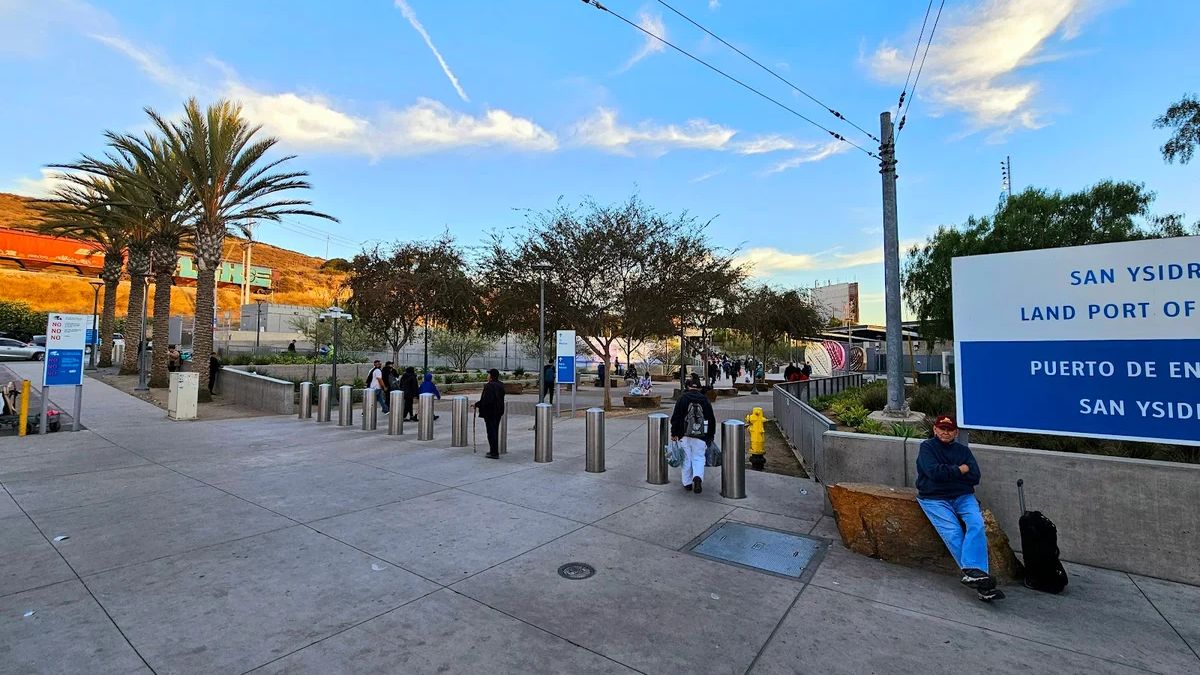
A park may provide more room for children and outdoor activities. Before selecting a specific location in San Ysidro, check whether the space allows organised gatherings, whether picnic areas can be reserved, and whether there are restrictions on amplified sound, decorations, food service, or group size.
A community room can be a useful alternative when weather is uncertain. Ask about rental fees, opening hours, cleaning requirements, available tables, restroom access, and the latest time the event must finish.
Choose a location that is convenient for most guests rather than simply the most attractive option. A venue close to the neighbourhood, with clear directions and accessible facilities, can help more people attend.
Invitations
Invitations should explain the essentials without overwhelming people with details. Include the date, start and end times, location, reason for the gathering, and a way to respond. If guests should bring food, drinks, chairs, or other items, state that clearly.
For a small gathering, a printed note, a direct message, an email, or a neighbourhood communication group may be enough. Ask a few nearby residents to share the invitation with people who might not use social media regularly.
Give guests a reasonable amount of notice. One or two weeks may be suitable for an informal event, although larger gatherings or events requiring reservations may need more planning time.
Ask people to confirm attendance by a specific date. Knowing the approximate number of guests makes it easier to estimate refreshments, seating, and supplies. You can also ask whether anyone has dietary requirements or accessibility needs.
Avoid sharing private information too widely. If you are hosting at home, provide the address directly to invited guests rather than publishing it in an open online group. Make it clear whether guests may bring family members or additional visitors, as unexpected attendance can affect space and costs.
Permissions
Permissions depend on where the gathering takes place and what you plan to do. A small private gathering at home will generally involve different requirements from an organised event in a public park or a shared community space.
For a public venue in San Ysidro, identify which agency manages the location and ask about its current rules. Confirm whether a reservation, permit, insurance document, or other approval is needed for your proposed group size and activities. Do not assume that a public space is automatically available for an organised gathering.
Additional requirements may apply if you plan to use amplified music, erect temporary structures, serve or sell food, collect donations, or invite a large crowd. Alcohol may also be subject to specific venue rules and legal restrictions.
If the gathering takes place in an apartment complex or shared residential property, check the relevant management rules before using common areas. Ask about noise limits, visitor parking, access hours, cleanup, and any requirement to reserve the space.
When requirements are unclear, contact the venue or responsible authority before announcing the event as confirmed. Rules can vary by location and activity, so getting accurate information early is better than facing unexpected restrictions on the day.
Budget
A practical budget helps keep the event affordable and prevents small purchases from adding up. Begin with the essentials, then decide whether optional extras are worth the expense.
The following example illustrates a modest gathering for approximately 15 people. These are planning estimates, not current quotations for San Ysidro venues or suppliers.
| Expense | Estimated cost |
|---|---|
| Venue or space contribution | $0-$75 |
| Snacks and simple food | $45-$90 |
| Water and other drinks | $15-$30 |
| Plates, cups, napkins and utensils | $10-$20 |
| Basic decorations or activities | $0-$20 |
| Cleaning supplies and miscellaneous items | $10-$15 |
| Estimated total | $80-$250 |
Actual costs will depend on the venue, menu, number of guests, and supplies already available. A free location and a shared-food arrangement can reduce expenses, while a rented room or catered meal may increase them.
For a gathering of 15 people, a total budget of $150 works out to $10 per person. That can be a useful way to compare options, but it is not necessary to charge guests. The host might cover the costs, ask for voluntary contributions, or invite people to bring one item each.
If you choose a shared-food arrangement, assign categories such as snacks, drinks, main dishes, and desserts. This reduces the chance of everyone bringing the same item. Keep contributions voluntary and make sure guests know what is expected before they agree to attend.
Refreshments
Food often gives a neighbourhood gathering its welcoming atmosphere, but the menu does not need to be complicated. Choose items that are easy to serve, simple to transport, and suitable for the expected number of guests.
Sandwiches, fruit, snacks, baked goods, and non-alcoholic drinks can work well for an informal afternoon. For a shared meal, provide a clear list of suggested dishes and ask guests to label foods that contain common allergens when possible.
Consider a range of preferences. Vegetarian options, non-dairy drinks, and clearly labelled ingredients can make it easier for guests with different dietary needs to participate. Avoid assuming that everyone eats the same foods.
Pay attention to safe food handling. Keep perishable items at appropriate temperatures, provide clean serving utensils, and avoid leaving foods that require refrigeration out for extended periods. Ensure drinking water is available, especially for outdoor events in warm weather.
Reusable plates and cups can reduce waste if suitable washing facilities are available. Otherwise, choose practical supplies that make cleanup straightforward. The aim is to keep food service manageable rather than turn the gathering into a demanding catering project.
Preparation
Once the location, invitations, and budget are settled, create a short checklist for the days leading up to the event.
Confirm the venue reservation if one is required, check the weather for an outdoor gathering, and contact guests who have not responded if an accurate headcount is important. Arrange tables, seating, rubbish bags, serving equipment, and any materials needed for planned activities.
If several people are helping, give each person a clear task. One neighbour might organise refreshments, another could bring folding chairs, and someone else could help welcome guests. Sharing responsibilities reduces the burden on the host and encourages others to take part.
Prepare a simple arrival plan. Make sure guests can identify the correct entrance, understand where to park, and know whether the gathering is indoors or outdoors. If the location is difficult to find, send a brief message with directions.
Keep a little flexibility in the schedule. Guests may arrive late, conversations may continue longer than expected, and outdoor plans may need to change. A straightforward backup plan can help you respond without stress.
Hosting
On the day, arrive early enough to check the space and set out essential supplies. Make sure walkways remain clear, rubbish bins are accessible, and seating suits the people attending. For outdoor events, check for shade and provide a plan for changing weather.
Welcome people as they arrive and introduce neighbours who may not know each other. You do not need to lead every conversation. A few simple prompts, such as asking how long someone has lived in the area or what local activities they enjoy, can help people connect naturally.
Respect the venue and nearby residents. Keep music and conversation at an appropriate level, follow the agreed finishing time, and make sure children have a safe area if they are attending. If the event is in a public space, leave paths and shared facilities available to others.
Plan the cleanup before the gathering begins. Put rubbish and recycling in the correct containers, collect personal belongings, return furniture as required, and check that the venue is left in the expected condition. If the space was rented, follow the owner’s cleaning and closing instructions.
A successful neighbourhood gathering does not depend on expensive decorations or an elaborate schedule. It comes from making people feel welcome, setting realistic expectations, and taking care of practical details. By choosing a suitable location, confirming permissions, sending clear invitations, and keeping expenses under control, residents can organise an enjoyable event that helps neighbours get to know one another and build stronger community connections.
FAQs
Where can I host a small gathering in San Ysidro?
Consider a home, community room, or permitted public park area.
Do I need a permit for a neighbourhood gathering?
It depends on the venue, group size, and planned activities.
How many people should I invite?
Start with a manageable group that comfortably fits your chosen space.
How much does a small gathering cost?
A modest event may cost $80-$250, depending on venue and food choices.
How far ahead should I send invitations?
For a casual event, one or two weeks is often a useful starting point.