Independent food shops offer more than groceries and everyday essentials. They can introduce shoppers to regional ingredients, family recipes, cultural traditions, and the people who help keep local food businesses running. In San Ysidro, a community near the United States-Mexico border, looking into these businesses can also provide a closer look at the area’s diverse food culture and everyday shopping habits.
Whether you are searching for fresh produce, specialty ingredients, baked goods, traditional snacks, or products that remind you of home, independent shops can make food shopping a more personal experience. The key is knowing where to look, what questions to ask, and how to learn about the stories behind the products on the shelves.
Discovery
Finding independent food shops often begins with looking beyond familiar supermarket chains. Small grocery stores, neighborhood markets, bakeries, specialty food retailers, and family-run businesses may serve customers with particular tastes, traditions, or cooking needs.
In San Ysidro, start by exploring commercial streets, neighborhood shopping areas, and local business directories. Community recommendations can also be useful. Residents may know which stores carry particular ingredients, where to find freshly prepared foods, or which businesses have served the area for many years.
Online searches can help you identify potential destinations before leaving home. Search terms such as independent grocery stores in San Ysidro, local bakeries, Mexican specialty food shops, and neighborhood produce markets can narrow the options. Business websites and social media pages may provide information about product ranges, opening hours, and seasonal offerings.
However, a shop’s online presence does not always tell the whole story. Some small businesses rely more on regular customers and word-of-mouth recommendations than on digital marketing. Walking through a shopping district and looking at storefronts can reveal places that might otherwise be overlooked.
People
One of the most rewarding parts of visiting an independent food shop is learning about the people behind it. Owners, employees, and family members may have useful knowledge about ingredients, preparation methods, regional preferences, and the history of the business.
If the shop is not busy, consider starting a friendly conversation. Ask how the business began, what products customers request most often, or whether certain ingredients are especially popular during particular seasons. These simple questions can lead to useful recommendations and a better understanding of the shop’s role in the community.
Some independent businesses are family-operated, while others are owned by individuals who have developed a specialty over time. Their experiences can influence what they stock, how they serve customers, and which traditions they choose to maintain.
It is important not to assume that every business has the same background or story. Let owners share what they feel comfortable discussing. A respectful conversation is more valuable than treating a shop visit as an interview or expecting employees to stop their work for an extended discussion.
Products
Independent food retailers often appeal to shoppers looking for products that are difficult to find in larger stores. Depending on the business, the shelves might include regional spices, traditional sweets, imported packaged foods, fresh tortillas, specialty cheeses, dried chiles, sauces, grains, or ingredients used in particular family recipes.
For shoppers who enjoy cooking, these products can open up new possibilities in the kitchen. A less familiar chile variety, for example, might suit a traditional stew, while a regional seasoning blend could bring a different flavor to a familiar dish.
Ask employees how a product is commonly used if you are unsure where to start. They may suggest a simple preparation method, explain differences between similar ingredients, or recommend complementary products sold in the store.
You can also compare labels, package sizes, ingredients, and prices. A specialty product is not automatically better simply because it is unusual or locally sold. The best choice depends on freshness, intended use, quality, and value.
Traditions
Food traditions are often preserved through ingredients and the knowledge required to prepare them. A neighborhood shop may stock foods associated with celebrations, religious observances, seasonal gatherings, or everyday meals passed down through generations.
In a border community such as San Ysidro, shoppers may encounter products reflecting a range of culinary influences. Mexican ingredients and familiar regional foods can be an important part of local food shopping, alongside products from other culinary traditions represented in the community.
Seasonal displays can offer clues about changing food habits. Certain sweets, baking ingredients, dried goods, or specialty products may become more prominent around holidays and celebrations. Asking about these changes can help shoppers understand how food purchases connect with the calendar and community life.
Traditions also evolve. Families adapt recipes, experiment with new ingredients, and combine familiar methods with contemporary tastes. Independent retailers can be part of this process by making traditional products available while responding to the needs of new generations of customers.
Freshness
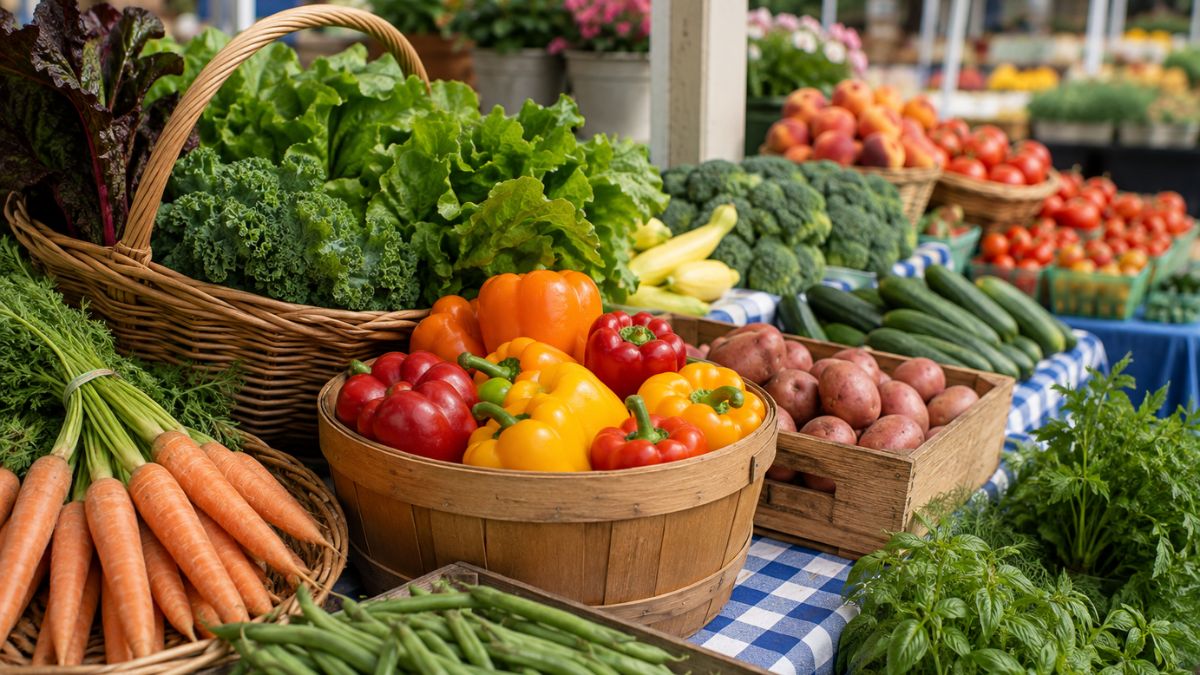
When shopping for fresh food, take time to assess its condition. For produce, look for appropriate color, firm texture where expected, and an absence of visible mold, extensive bruising, or signs of decay. Different fruits and vegetables have different indicators of ripeness, so appearance should be considered alongside the intended time of use.
For baked goods, check whether the product is displayed appropriately and ask when it was prepared if freshness is important to your purchase. For refrigerated foods, ensure they are kept cold and check use-by dates, packaging integrity, and storage instructions.
Specialty products may require additional attention. Some dried ingredients should be kept away from moisture, while oils, sauces, dairy products, and prepared foods may have specific storage requirements.
Do not hesitate to ask staff for guidance. Their familiarity with the products can help you decide which items are ready to use, which need more time to ripen, and which are best suited to longer storage.
Value
Independent shops can offer a different shopping experience from large supermarkets, but prices and value vary by product. Some specialty ingredients may cost more because of sourcing, packaging, smaller production volumes, or limited availability. Other products may be competitively priced, particularly when purchased in suitable quantities.
Compare prices using the same unit whenever possible. Looking at the price per ounce, pound, or other standard measure makes it easier to evaluate different package sizes. Also consider how much of the product you will actually use before it expires or loses quality.
Value includes more than the price on a shelf. Product quality, convenience, staff knowledge, and access to ingredients that are unavailable elsewhere may all influence whether a purchase makes sense for you.
Still, it is sensible to set a budget and avoid buying unfamiliar products in large quantities. Start with a small package, try it in a recipe, and return for more if it suits your needs. This approach allows you to explore new foods without creating unnecessary waste.
Respect
Learning about a local food business works best when curiosity is paired with consideration. Ask before taking photographs of staff, customers, or areas that are not open to the public. Follow posted rules, keep walkways clear, and be patient when employees are serving other customers.
If you want to share a recommendation online, describe your experience accurately. Mention products you actually purchased, explain what you liked, and avoid making unsupported claims about a business’s history or ownership. If you are uncertain about a detail, ask the business directly rather than relying on assumptions.
Supporting independent shops does not require making a purchase every time you enter. A respectful visit, a recommendation to a friend, or a positive review based on a genuine experience can help people discover a business. When you do buy something, paying promptly and treating staff courteously helps create a positive exchange.
Exploration
A simple plan can make exploring independent food shops more rewarding. Choose a small area of San Ysidro and identify several businesses that interest you. Check their opening hours before visiting, particularly if you are traveling for a specific product or specialty item.
Bring a short shopping list, but leave room for discovery. You might find an ingredient you have never cooked with or learn about a product that has long been part of a local family’s meals. Keep notes about the shops you visit, the items you enjoy, and any preparation advice you receive.
If you are comparing several stores, pay attention to the differences in product selection, service, freshness, and pricing. Avoid judging a business by its size or storefront alone. A modest shop may specialize in a narrow range of products, while another may offer a broader selection of everyday groceries.
Over time, these visits can help you build relationships with local retailers and develop a better understanding of where particular foods come from and how they are used. You may also discover convenient places to return to when preparing familiar dishes or experimenting with something new.
Independent food shops offer a practical way to look into the character of San Ysidro through everyday purchases. By talking with shopkeepers, learning about ingredients, respecting cultural traditions, and comparing quality and value, shoppers can turn a routine errand into a more informed experience. Each visit provides an opportunity to discover products, appreciate the work behind them, and understand how neighborhood businesses contribute to the community’s food culture.
FAQs
Where can I find independent food shops in San Ysidro?
Explore local shopping streets, business directories, and community recommendations.
What products do independent food shops sell?
They may sell specialty ingredients, produce, baked goods, snacks, and regional foods.
How can I learn about a shop’s history?
Ask the owner or staff politely when they have time to talk.
Are independent food shops always cheaper?
No. Compare unit prices, freshness, quality, and package sizes before buying.
How can I support local food businesses?
Shop thoughtfully, recommend good experiences, and leave honest reviews.