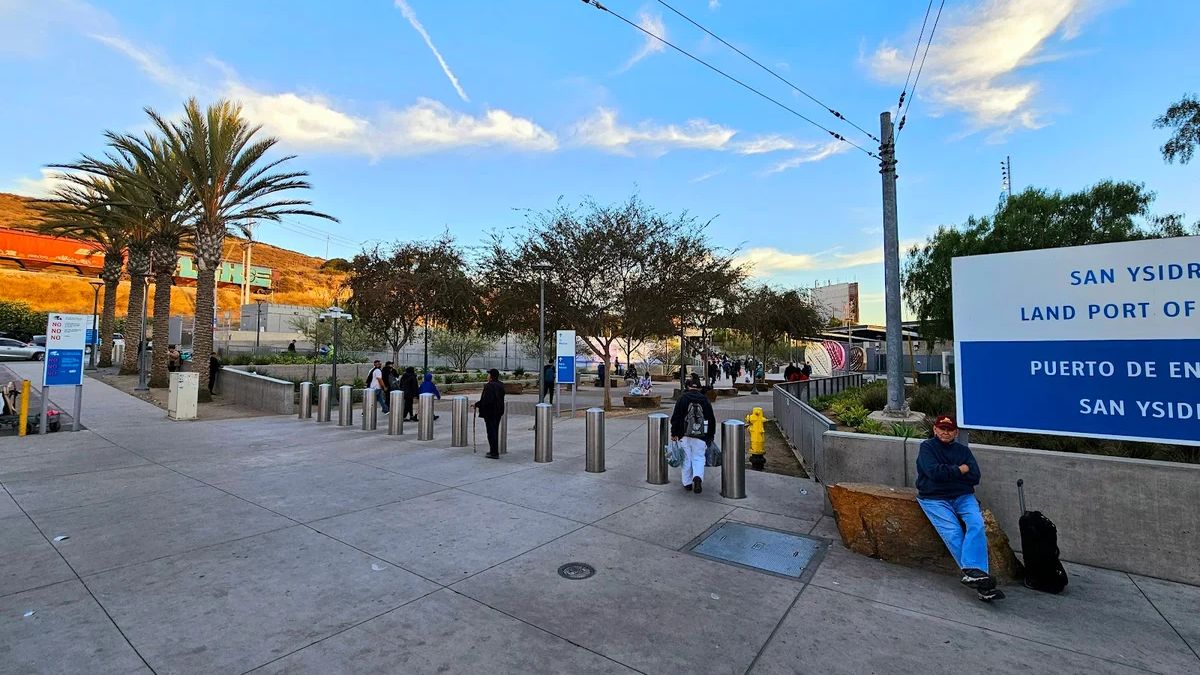
Finding a rental home involves more than comparing monthly prices and the number of bedrooms. The surrounding neighbourhood can influence how easily you get to work, where you buy groceries, how children travel to school, and whether everyday errands fit comfortably into your routine. In San Ysidro, California, comparing these practical details before signing a lease can help you choose a location that suits your lifestyle and budget.
Different parts of the community may offer different combinations of transport access, shopping options, public facilities, housing types, and street conditions. A home that looks affordable at first might involve higher commuting costs, while a slightly more expensive rental could reduce travel time and make daily activities more convenient.
The best approach is to compare neighbourhoods using the same criteria, visit potential areas at different times, and consider the full cost of living there rather than rent alone.
Budget
Start by setting a realistic monthly housing budget. Rent is usually the largest expense, but it is not the only one. Utilities, internet service, parking, laundry, renter’s insurance, and transport can all affect the amount you spend each month.
When comparing rental properties, ask which services are included in the advertised rent. One home may include water or a parking space, while another may charge separately for these amenities. If you are comparing apartments, also ask about deposits, application fees, lease terms, and any recurring charges.
A simple comparison can help you estimate the total monthly cost.
| Expense | What to compare |
|---|---|
| Rent | Monthly payment and possible increases |
| Utilities | Electricity, gas, water and rubbish charges |
| Transport | Fuel, transit fares, parking and vehicle maintenance |
| Internet | Available providers and monthly plans |
| Laundry | In-unit machines, shared facilities or laundromat costs |
| Other fees | Insurance, deposits and recurring property charges |
Do not assume that a lower rental price always offers better value. A property farther from work or essential services could lead to higher transport expenses. Calculate the likely monthly total for each option before making a decision.
Transport
Daily travel is one of the most important factors when choosing a neighbourhood in San Ysidro. Think about where you travel most often, including your workplace, school, medical appointments, shopping areas, and places where you meet friends or family.
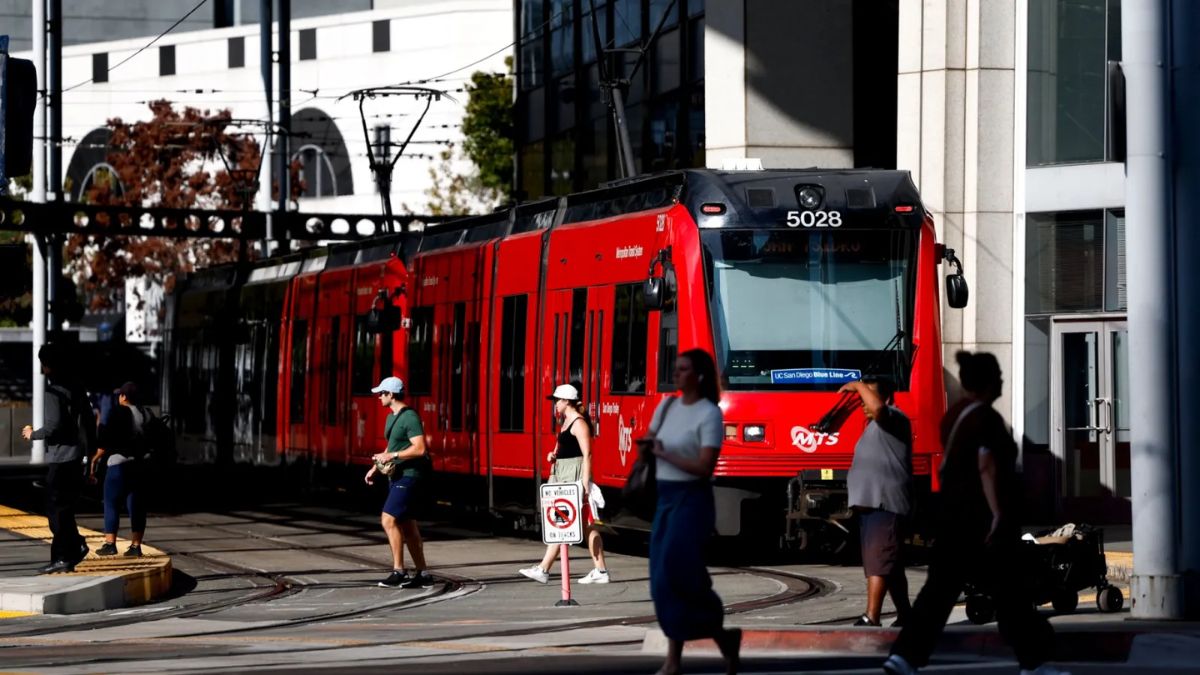
If you rely on public transport, check the nearest bus stops and trolley stations, the routes available, service frequency, and the time required to reach your regular destinations. San Ysidro is served by the San Diego Metropolitan Transit System, and the San Ysidro Transit Center provides connections for regional travel. However, convenient access will depend on the exact rental address and your destination.
You can review routes and service information through the official Metropolitan Transit System website at https://www.sdmts.com.
If you drive, investigate access to major roads, likely traffic delays, parking arrangements, and the availability of visitor parking. A short drive during the middle of the day may take longer during the morning or evening commute.
Walkability also matters. Check whether sidewalks connect your home to nearby shops, transit stops, and other destinations. A route that looks short on a map may feel less convenient if it involves difficult crossings, steep sections, or roads with heavy traffic.
Test the journey you expect to make most often before committing to a lease. One realistic trip can reveal more than a property’s advertised travel-time estimate.
Shopping
Nearby shops can make daily life easier, especially if you prefer to walk for groceries or avoid frequent car trips. When comparing areas, identify the closest supermarket, convenience store, pharmacy, and places to buy fresh food.
Look beyond the number of shops within a short distance. Consider whether they carry the products you need, their opening hours, and whether their prices fit your budget. A nearby convenience store may be useful for last-minute purchases but may not replace a full grocery shop.
Independent food retailers, bakeries, and specialty shops can add variety to local shopping options. If you regularly cook meals using particular ingredients, check whether those products are available nearby or whether you will need to travel to another part of the city.
Delivery availability may also influence your decision. Confirm that your preferred grocery services cover the address, and consider whether delivery fees or minimum order requirements affect the overall cost.
Visit the area on an ordinary weekday rather than relying only on a weekend viewing. This can give you a better sense of shopping activity, traffic, parking, and how easily you can complete routine errands.
Facilities
Public facilities can influence convenience and quality of life. Depending on your needs, useful amenities may include parks, libraries, recreation centres, playgrounds, public restrooms, and community spaces.
Families may prioritise playgrounds and nearby schools, while people who work remotely might value a library or quiet public space. Residents who enjoy outdoor exercise may prefer a home within convenient walking distance of a park or recreation area.
The City of San Diego provides information about local parks, recreation facilities, and other public services through its official website at https://www.sandiego.gov. The San Diego Public Library website, https://www.sandiego.gov/public-library, can help you check branch locations, opening hours, and available programmes.
Check the actual facilities rather than judging a neighbourhood by a map marker alone. A park may be close but offer limited shade, seating, or walking paths. A recreation centre may require a longer journey than expected if pedestrian access is limited.
Also look at the condition and accessibility of the routes leading to these amenities. Convenient facilities are most useful when you can reach them comfortably and safely.
Schools
If you have children or plan to enrol them in school, investigate school access before choosing a rental. Confirm which school district serves the exact address, whether the property falls within the relevant attendance area, and what enrolment requirements apply.
Do not assume that a nearby school automatically serves every home on the same street. School boundaries can differ, and placement may depend on district rules and available capacity.
Consider travel arrangements as well. Look at walking routes, school bus availability where applicable, traffic conditions, and the time required for drop-off and collection. If children will walk to school, inspect crossings, sidewalks, and the route during typical school hours.
Families without school-age children may still want to consider nearby educational services, childcare centres, or adult learning opportunities. These services can influence daily convenience even when they are not an immediate priority.
Use official district resources to verify current information instead of relying exclusively on rental advertisements or informal recommendations.
Safety
Feeling comfortable in your neighbourhood is an important part of choosing a home. However, safety cannot be judged reliably from one viewing or a property’s appearance alone.
Visit the area at different times of day, where practical, and observe street lighting, pedestrian activity, traffic speeds, and the general condition of public spaces. Notice whether the routes you expect to use feel comfortable after dark, especially if you return home late from work.
You can also consult official local crime information where available and look for information from relevant public agencies. Review the location and date of reported incidents carefully. Statistics can provide context, but they do not guarantee what your personal experience will be.
Ask the landlord or property manager about exterior lighting, secure entrances, locks, parking access, and how maintenance or security concerns are handled. If you are renting an apartment, consider whether common areas are well maintained and whether access arrangements are clearly explained.
Avoid making decisions based on assumptions about residents or cultural backgrounds. Focus on observable conditions, reliable information, and the specific features that matter to your daily routine.
Housing
The rental property itself deserves as much attention as the neighbourhood. A convenient location cannot compensate for serious maintenance problems, unclear lease terms, or a layout that does not meet your needs.
During a viewing, check water pressure, ventilation, windows, doors, electrical outlets, and signs of moisture or pest activity. Ask about heating and cooling, laundry facilities, rubbish collection, and the process for requesting repairs.
If you need a car, confirm that parking is included or available under clearly stated terms. If you use a bicycle, ask whether secure storage is available. For remote work, consider internet options, noise levels, natural light, and whether the property has a suitable workspace.
Review the lease carefully before paying money or committing to a move. Make sure you understand the rent, deposit, length of tenancy, rules about guests or pets, maintenance responsibilities, and notice requirements.
Photograph existing damage during move-in and keep copies of relevant documents and communications. These simple steps can help prevent misunderstandings later.
Visits
Online listings are useful for narrowing down options, but visiting a neighbourhood can reveal details that photographs leave out. If possible, view a property during the day and return to the surrounding area during the evening or a busier travel period.
Walk from the property to the nearest transport stop, grocery store, and other places you expect to visit regularly. Estimate how long each trip actually takes and consider whether you would feel comfortable repeating it several times a week.
Pay attention to noise from traffic, nearby businesses, public transport, or neighbouring properties. Check parking availability and notice whether streets become crowded during certain hours.
If you are moving from another city, ask a trusted local contact to visit the area or arrange a live video viewing. Be cautious about sending deposits before verifying the property, the landlord or authorised agent, and the legitimacy of the rental agreement.
Keep a consistent checklist for every property. Comparing the same details makes it easier to separate an attractive first impression from practical long-term value.
Comparison
A simple scoring system can help you evaluate several neighbourhoods without relying on memory alone. Rate each location from one to five for the factors that matter most to you, with five representing the strongest fit.
| Factor | Questions to consider |
|---|---|
| Commute | How long will regular journeys take? |
| Shopping | Can you reach essential stores conveniently? |
| Public facilities | Are parks, libraries or recreation spaces accessible? |
| Budget | Does the total monthly cost fit your finances? |
| Walkability | Are sidewalks and crossings practical for your needs? |
| Housing condition | Is the property well maintained and suitable? |
| Daily comfort | Are noise, parking and other conditions acceptable? |
Give extra weight to your most important priorities. Someone who commutes by trolley every day may value transit access more than parking, while a household with young children may place greater emphasis on schools and nearby parks.
Remember that no neighbourhood needs to score perfectly in every category. The aim is to find a reasonable balance between affordability, convenience, comfort, and your individual needs.
Choosing a rental home in San Ysidro becomes easier when you compare the neighbourhood as carefully as the property. Check transport routes, visit nearby shops, verify public facilities, investigate the total cost, and inspect the area at different times. By combining official information with real-world visits and a consistent comparison checklist, you can make a more informed decision and choose a home that supports your everyday life.
FAQs
What should I compare before renting in San Ysidro?
Compare rent, transport, shops, public facilities, safety, and housing condition.
How can I check public transport near a rental?
Review MTS routes, stops, service frequency, and travel times.
Should I visit a rental neighbourhood at night?
If practical, visit at different times to assess noise, lighting, and comfort.
How can I verify nearby schools?
Check the relevant school district using the exact rental address.
Is low rent always the best option?
No. Include transport, utilities, fees, and other recurring costs.