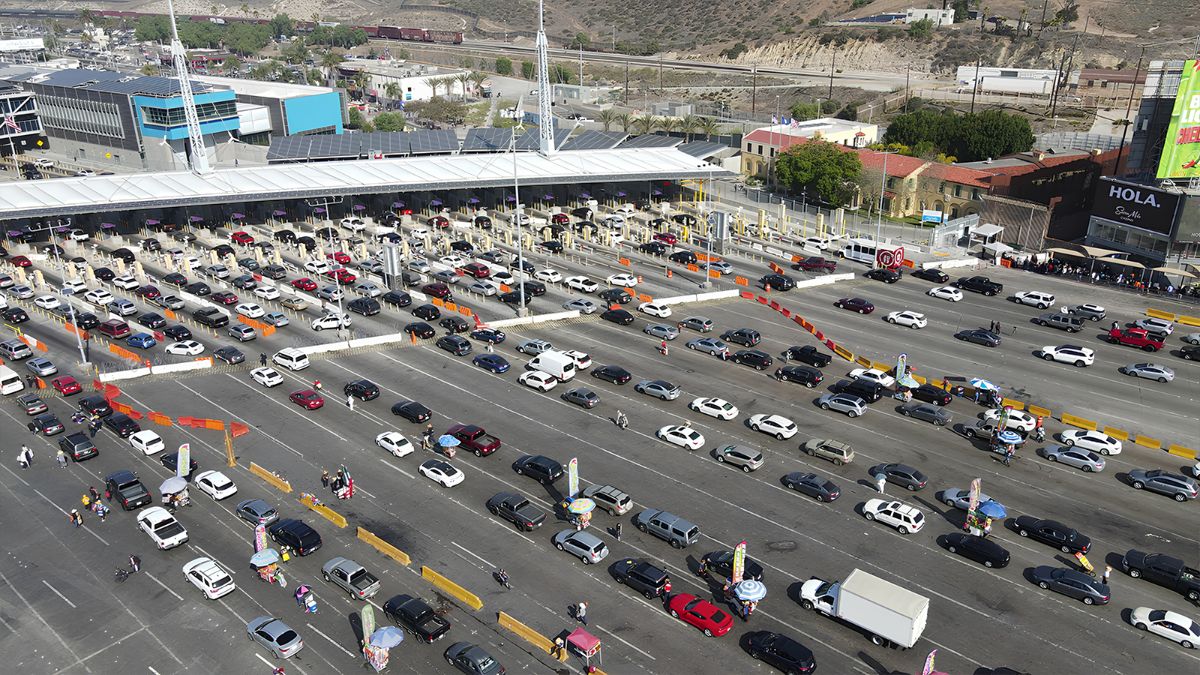
Coordinating a group pickup near San Ysidro, California, requires more than choosing a location and telling everyone when to arrive. When several passengers, multiple vehicles, or changing arrival times are involved, unclear instructions can lead to missed connections, unnecessary waiting, and congestion around busy streets and transportation hubs.
San Ysidro is a major gateway between San Diego and Tijuana, and its border crossing, transit connections, shopping areas, and surrounding roads can make meeting arrangements challenging. Groups may include family members, tourists, commuters, airport transfers, or people arriving from different locations. Each situation calls for a clear plan that considers passenger safety, traffic conditions, parking availability, and communication.
A well-organized pickup should help everyone find the correct meeting point without requiring drivers to stop in unsafe places or circle the area repeatedly. By establishing a suitable location, assigning responsibilities, sharing precise instructions, and allowing flexibility for delays, organizers can make group transportation more predictable.
Location
The first decision is where the group should meet. A convenient meeting point is not necessarily a suitable place for vehicles to stop and collect passengers.
Before choosing a location, consider road access, legal stopping areas, pedestrian routes, parking availability, and the distance passengers must walk with their belongings. A busy curb near a border crossing may look convenient on a map but may not permit waiting or passenger loading.
Whenever possible, select an established parking area, an authorized pickup zone, or another location where vehicles can legally wait. Confirm that the facility permits the type of pickup you are arranging, especially if a larger vehicle or commercial transportation service is involved.
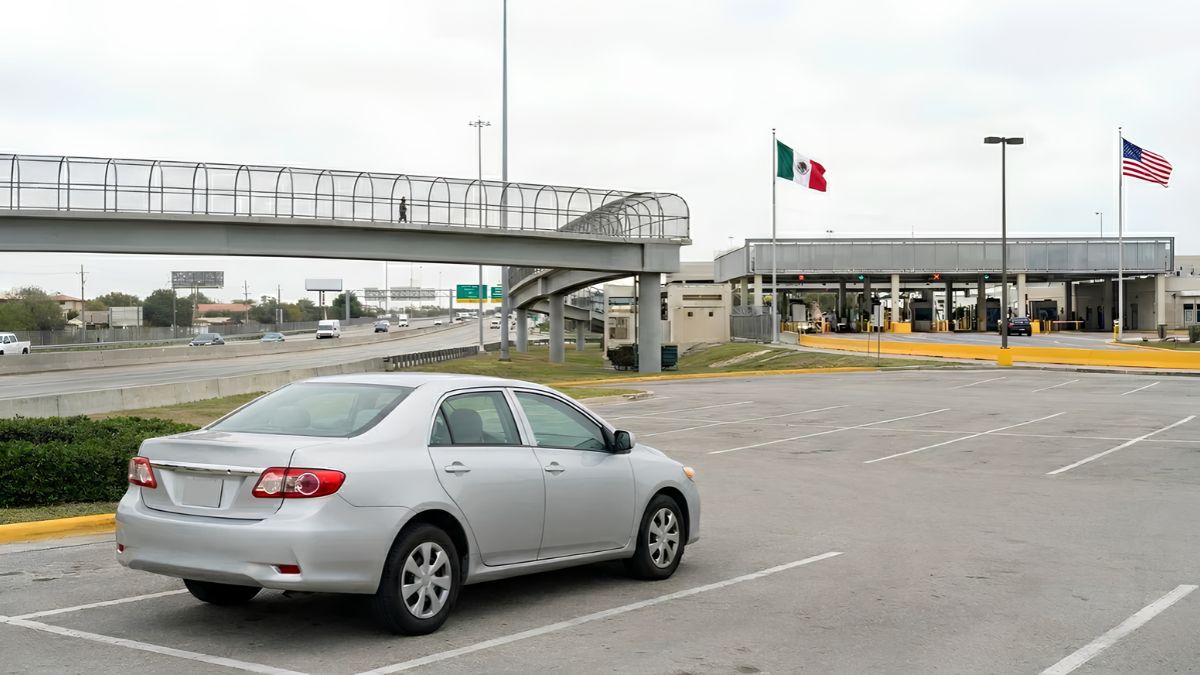
For groups meeting near the San Ysidro Port of Entry, distinguish between the pedestrian crossing, vehicle inspection areas, transit facilities, and nearby commercial properties. These are not interchangeable meeting points, and access arrangements may differ.
Provide the full location name and street address when available. If the site is large, identify a specific entrance or clearly marked landmark. Avoid instructions such as “meet near the border” or “wait outside the station,” which can refer to several different places.
Timing
A group pickup becomes difficult to coordinate when every passenger arrives at a different time. Establishing a shared schedule helps reduce waiting and gives drivers a realistic departure target.
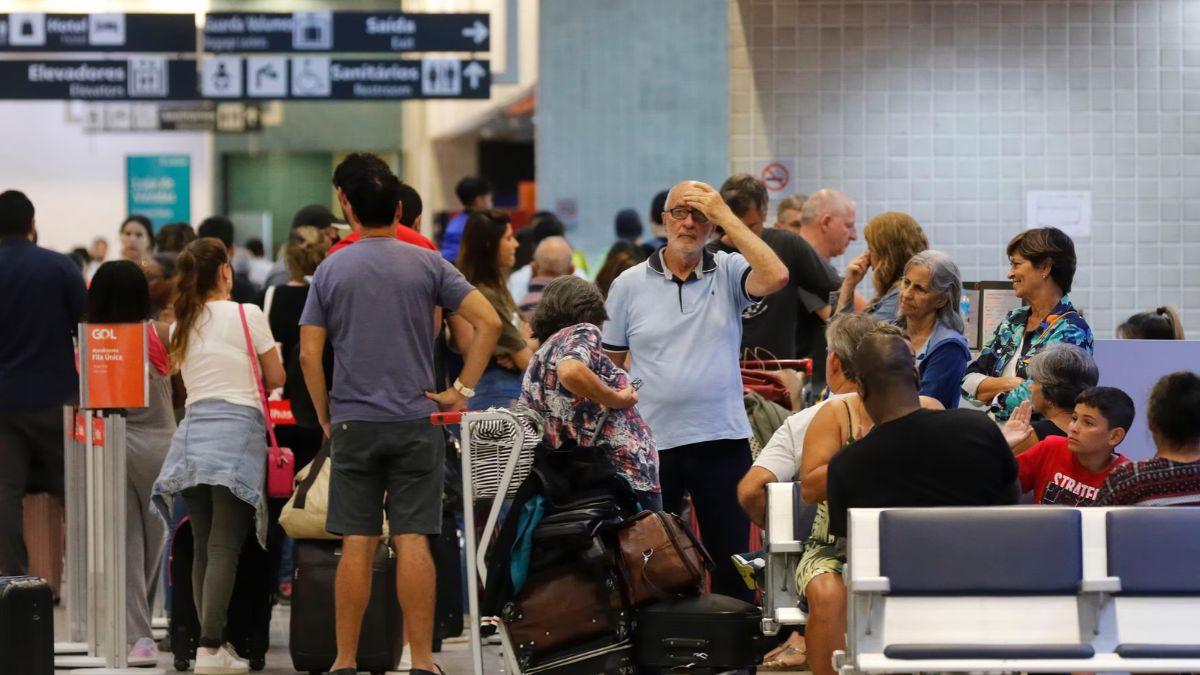
Ask passengers to arrive a little before the agreed pickup time, particularly when they must walk from a transit station, collect luggage, or cross a pedestrian border checkpoint. The appropriate buffer depends on the group size, time of day, and expected travel conditions.
For example, a group of six people could be asked to meet at 10:15 a.m. for a planned departure at 10:30 a.m. This gives everyone time to locate the meeting point and board without making the driver wait indefinitely.
However, the schedule should account for circumstances that may affect arrival times. Border processing, public transportation delays, traffic, and mobility requirements can all change how quickly passengers reach the pickup location.
Set a clear policy for late arrivals. Explain whether the group will wait for a limited period, whether a designated contact will help late passengers, or whether they must arrange a separate transfer. This avoids leaving people uncertain about what to do if they miss the scheduled departure.
Communication
Clear communication is essential when passengers are unfamiliar with San Ysidro or are arriving from different directions. A single group message should contain the essential information, with any updates sent through the same communication channel.
Include the meeting location, scheduled arrival time, departure time, driver contact details, vehicle description, and instructions for identifying the correct pickup point. If the group includes international visitors, use straightforward language and avoid local abbreviations that may not be familiar to everyone.
A useful message should answer four basic questions:
- Where exactly should passengers meet?
- What time should they arrive?
- Who should they contact if they cannot find the group?
- What should they do if they are running late?
Share a map pin where possible, but do not rely on the pin alone. Mapping applications may place a marker on the opposite side of a road or direct passengers to a restricted entrance.
For groups crossing between the United States and Mexico, specify which side of the border the pickup will occur on. Passengers should not assume that a driver can collect them directly after they exit a crossing or enter a particular facility.
Traffic
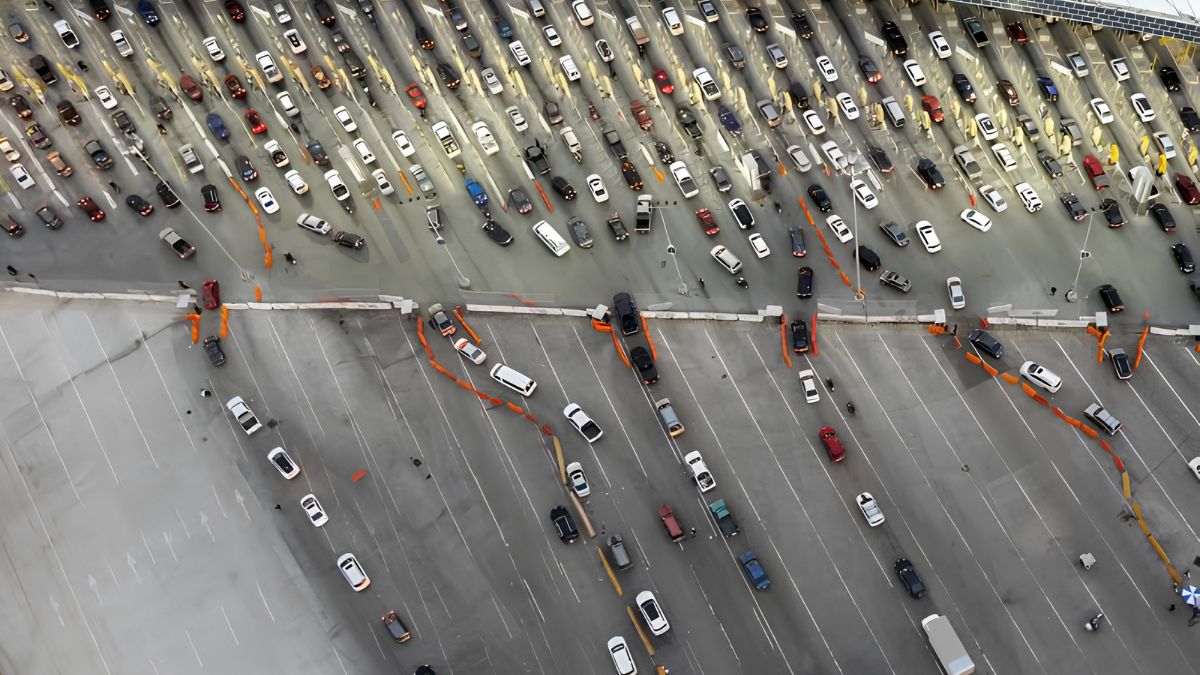
Traffic management should be part of the plan from the beginning. San Ysidro experiences significant vehicle and pedestrian movement, particularly around major crossings, transit connections, and busy commercial areas. A vehicle that stops unexpectedly can obstruct traffic or create a hazard for people walking nearby.
Drivers should not wait in travel lanes, block driveways, stop across pedestrian crossings, or use restricted areas for passenger loading. Hazard lights do not make an otherwise prohibited stop lawful.
Instead, identify a permitted waiting location where drivers can remain until passengers are ready. Ask passengers to notify the driver when the entire group has assembled and is prepared to board.
If several vehicles are involved, stagger their arrival times where appropriate. Sending multiple vehicles to the same narrow curb at once can create congestion even when each driver is following the schedule.
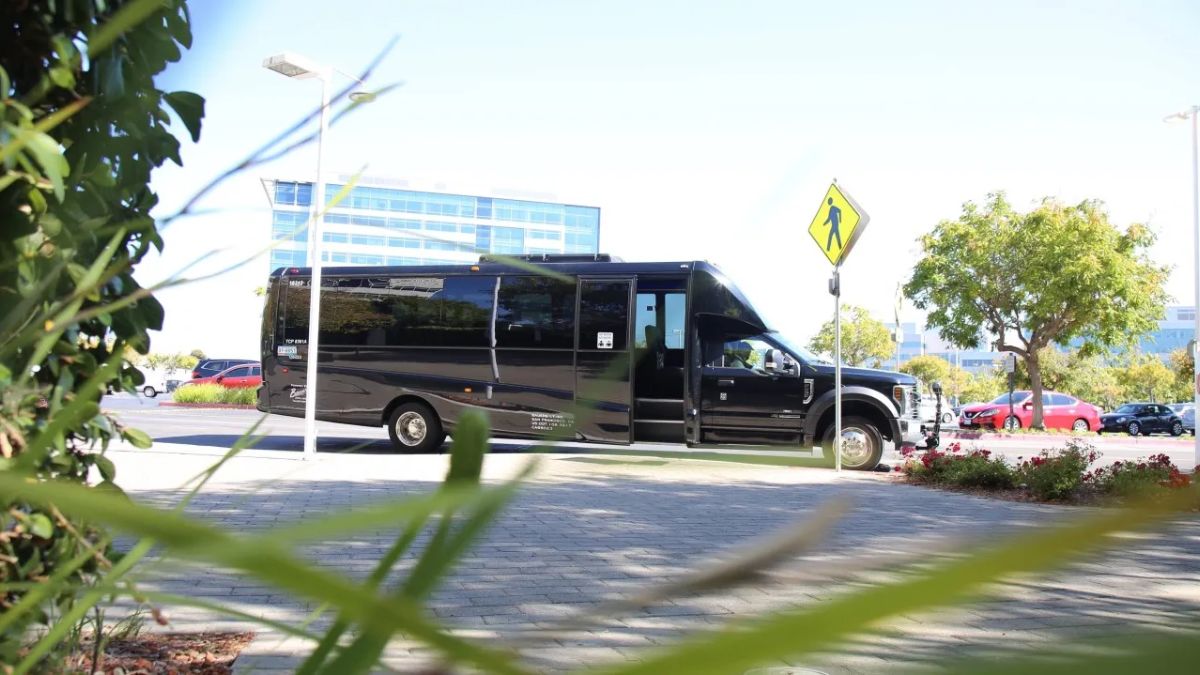
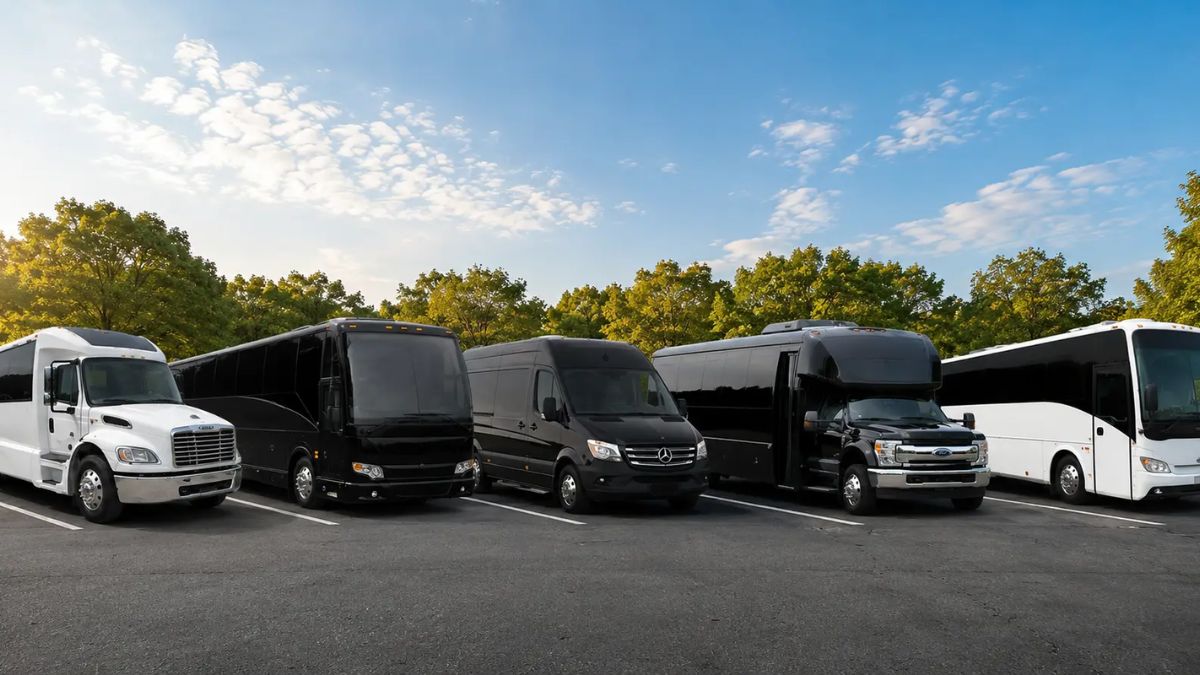
Organizers should also consider the size of the vehicle. A passenger van may require more room to enter, turn, park, and load luggage than a standard car. Confirm that the selected facility can accommodate the vehicle before the pickup day.
Parking
Parking arrangements can determine whether a pickup runs smoothly or becomes unnecessarily complicated. A location may have public parking nearby without permitting vehicles to wait at the entrance or load passengers in a particular area.
Check posted signs, payment requirements, time limits, height restrictions, and any restrictions on commercial vehicles. If you intend to use a private parking facility, confirm that waiting and passenger pickup are allowed.
For groups with substantial luggage, choose a location that offers a practical route from the waiting area to the vehicle. Passengers should not have to cross busy roads or walk through vehicle lanes to reach the driver.
If the pickup is part of a longer trip, distinguish between short-term passenger loading and parking for the duration of the group’s visit. These are different needs and may require separate arrangements.
Organizers should also establish a backup location in case the original area is full or temporarily inaccessible. Share the alternative in advance, but instruct passengers not to move to it unless the organizer confirms the change. Otherwise, the group could split between two locations.
Responsibilities
Assigning responsibilities makes it easier to manage a larger group. One person should coordinate passenger communication, while the driver concentrates on safe vehicle operation and lawful stopping.
For a family outing, the organizer might confirm that everyone has arrived and that luggage is ready. For a tour or event transfer, a designated group leader could maintain the passenger list and communicate with the transportation provider.
Before departure, confirm the number of passengers, the amount of luggage, any mobility needs, and the number of vehicles required. These details can affect vehicle capacity and boarding time.
Never assume that a vehicle can safely accommodate everyone simply because there are enough seats on paper. Follow the manufacturer’s seating capacity and applicable seat belt requirements. If the group exceeds the vehicle’s capacity, arrange additional transportation rather than attempting to fit everyone into fewer vehicles.
Where passengers have limited mobility or need extra boarding time, select an accessible location and communicate the arrangements beforehand. This helps avoid last-minute changes that may create pressure for the driver or passengers.
Contingencies
Even a carefully planned pickup can be affected by delays, unexpected closures, heavy traffic, or changes in passenger availability. A backup plan helps the group respond without making rushed decisions.
Choose one person to communicate official changes. If the pickup point becomes unavailable, send the revised location and explain whether everyone should remain where they are or move to the alternative.
Agree on a simple procedure for missed connections. For instance, passengers who cannot find the group could contact the organizer, remain in a safe public location, and wait for instructions rather than walking between several possible meeting points.
Keep the driver’s phone number available, but passengers should not expect drivers to read messages or make calls while driving. Updates should be handled when the vehicle is safely stopped.
For pickups affected by border crossings, check current traffic and transportation information before departure. Border processing times can change, and an estimate should not be treated as a guaranteed arrival time.
Checklist
Before the pickup, review the essential arrangements with the entire group.
- Confirm the exact meeting point and a suitable backup.
- Verify that passenger loading and waiting are permitted.
- Share the arrival time and planned departure time.
- Provide a map pin, address, and recognizable landmark.
- Identify the organizer and driver’s contact details.
- Confirm passenger numbers, luggage, and mobility needs.
- Check traffic conditions and likely delays.
- Explain what to do if someone arrives late.
- Make sure the vehicle has sufficient legal seating capacity.
Coordinating group pickups near San Ysidro is easier when the arrangements are specific, realistic, and communicated in advance. A suitable meeting location, clear timing, designated responsibilities, and a contingency plan can reduce confusion while helping drivers avoid unsafe stops and unnecessary congestion. The objective is not simply to collect everyone quickly, but to make sure passengers and drivers can meet safely and continue their journey with minimal disruption.
FAQs
Where should groups meet near San Ysidro?
Choose a clearly identified location where waiting and passenger pickup are permitted.
How early should passengers arrive?
Set an arrival time that allows everyone to gather before the scheduled departure.
How can drivers avoid blocking traffic?
Use authorized pickup areas and avoid stopping in travel lanes or restricted zones.
What if a passenger arrives late?
Agree on a waiting policy and provide a contact for missed connections.
Should groups plan an alternative pickup location?
Yes. A suitable backup can help if the primary meeting point becomes unavailable.