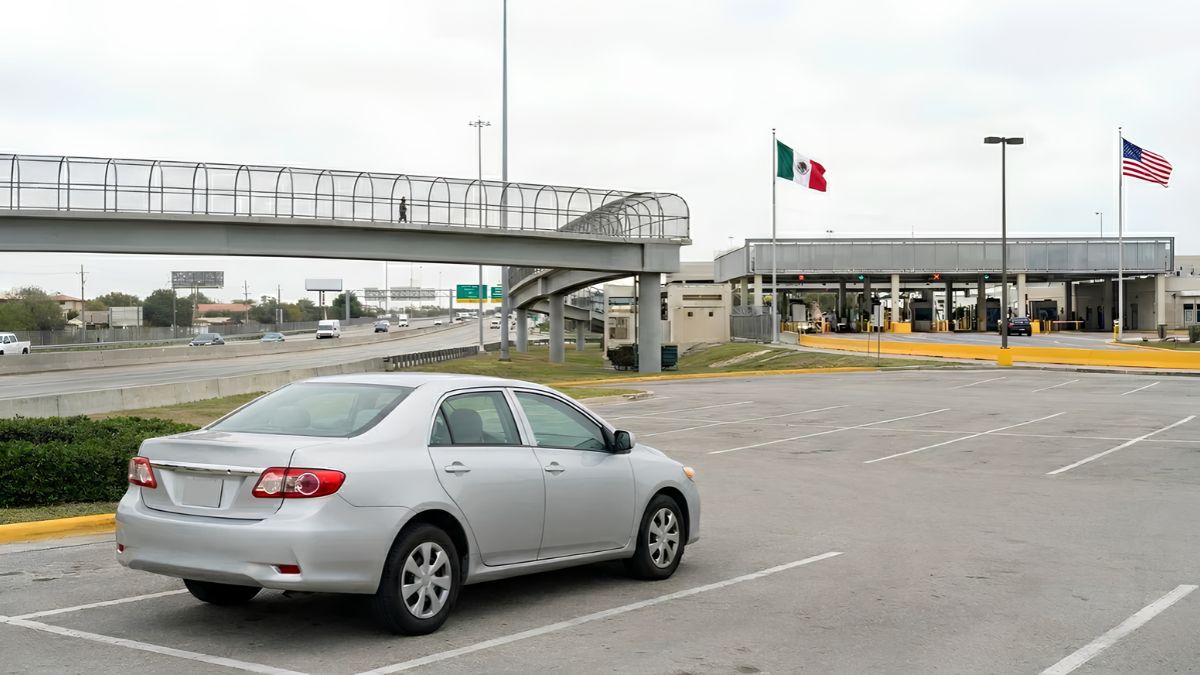

Cross-border shopping can offer access to different products, prices, and retailers, particularly for consumers travelling between San Diego and Tijuana through the San Ysidro border crossing. However, the price displayed in a store does not always represent the final cost of a purchase. Sales taxes, customs duties, exchange rates, documentation requirements, and return policies can all affect what consumers ultimately pay.
Knowing these rules is important whether you are purchasing clothing, electronics, household goods, gifts, or other merchandise. A purchase made in one country may be subject to different tax rules from a purchase made in another, and taking an item across the border does not automatically make the original sale tax-free.
Consumers should also distinguish between a refund of sales tax, a refund issued by a retailer for returned merchandise, and duties or taxes that may be assessed when goods enter another country. These are separate processes, each with its own conditions.
For shoppers travelling between the United States and Mexico, keeping accurate receipts and checking the relevant rules before buying can help prevent unexpected costs and make it easier to resolve disputes.
Taxes
Sales tax rules depend primarily on where the transaction takes place and the type of product or service purchased. In California, sales tax generally applies to retail sales of tangible personal property unless a specific exemption applies. The applicable rate can vary by location because local district taxes may be added to the statewide rate.
For shoppers buying merchandise in San Ysidro, the important point is that a purchase does not automatically become exempt from California sales tax simply because the buyer lives in Mexico or plans to take the goods across the border.
Certain transactions may qualify for specific exemptions, but eligibility depends on the facts and applicable law. Consumers should not assume that showing a foreign passport, presenting a travel itinerary, or requesting a tax-free receipt is sufficient to eliminate sales tax.
Before making a significant purchase, ask the retailer whether the advertised price includes applicable taxes. Review the final checkout total and check whether any additional charges have been applied.
The California Department of Tax and Fee Administration provides official information about sales and use taxes, exemptions, and consumer responsibilities.
Official reference: California Department of Tax and Fee Administration.
Receipts
A receipt is more than proof of payment. It records what you purchased, how much you paid, and which taxes or fees were charged. Keeping it can be important when requesting a return, checking a billing error, documenting a warranty, or answering questions about goods at the border.
For cross-border shoppers, receipts can also help establish the value and nature of purchased merchandise when making customs declarations. However, a receipt alone does not guarantee that an item qualifies for duty-free entry or a tax refund.
Before leaving the store, check that the receipt accurately lists the products, quantities, prices, discounts, and taxes. If the purchase involves a warranty or special return conditions, keep those documents with the receipt.
Electronic receipts can be convenient, but save them somewhere accessible even when travelling without a reliable internet connection. For higher-value items, keeping a digital copy of the receipt and warranty paperwork can provide a useful backup.
Consumers should also distinguish between a receipt and a customs declaration. A receipt documents the transaction, while a customs declaration provides information required by the relevant border authorities. One document does not automatically replace the other.
Refunds
The word “refund” can refer to several different situations, and understanding the distinction is important when shopping across the border.
A retailer refund occurs when a store returns money for merchandise under its return policy or applicable consumer protection rules. A sales tax refund involves recovering tax paid on an eligible transaction where the law or a specific refund program permits it. A customs duty refund may involve recovering import duties or other border charges under particular legal conditions.
These processes are not interchangeable. Returning an item to a store may result in a refund of the purchase price and associated sales tax, depending on the circumstances. However, taking an item to another country does not automatically entitle the buyer to recover the tax paid in the country of purchase.
In the United States, there is generally no nationwide tourist sales tax refund system comparable to the value-added tax refund programs available to eligible visitors in some other countries. California shoppers should therefore not expect a general sales tax refund simply because they reside abroad or export their purchases in personal luggage.
If a retailer advertises a tax refund or tax-free purchasing arrangement, ask which program applies, who administers it, and what documentation is required. Verify the terms before paying rather than assuming that a refund will be available later.
Returns
Retail return policies can vary by store, product category, and purchase type. Some retailers accept unused merchandise within a specified period, while others impose restrictions on electronics, personal care products, clearance items, or goods with opened packaging.
Cross-border purchases can make returns more complicated because the customer may need to travel back to the original store. Shipping merchandise internationally can also introduce additional costs and practical difficulties.
Before buying, ask the retailer:
- How long you have to return or exchange the item.
- Whether the merchandise must be unused or in its original packaging.
- Whether the original receipt is required.
- Whether refunds are issued to the original payment method.
- Whether international customers face additional return conditions.
Check the written policy, especially when purchasing expensive goods. If the item is defective, ask about warranty coverage and whether repairs or replacements are available in your country of residence.
A store’s voluntary return policy is different from legal protections that may apply to defective goods, misleading sales practices, or other specific circumstances. The available rights depend on the governing law and facts of the transaction.
Customs
Crossing the U.S.-Mexico border with purchased goods introduces a separate set of rules. Customs authorities may require travellers to declare merchandise, and duties or taxes may apply depending on the destination, the goods, their value, and the traveller’s circumstances.
For example, merchandise purchased in San Diego and carried into Mexico may be subject to Mexican import rules. Similarly, items purchased in Mexico and brought into the United States may fall under U.S. customs requirements.
Personal-use goods, gifts, commercial quantities, restricted products, and goods acquired during travel may be treated differently. Travellers should not assume that every item carried in personal luggage is exempt from declaration or import charges.
Before travelling, identify the applicable personal exemption or allowance, if any, and check whether your goods fall within it. Rules can differ depending on the mode of entry, the traveller’s status, and current customs requirements.
Official information is available from U.S. Customs and Border Protection. For purchases entering Mexico, consult the official Tax Administration Service of Mexico (SAT) and the relevant Mexican customs guidance.
When crossing the border, answer questions accurately and declare goods as required. If you are uncertain whether an item must be declared, check with the relevant customs authority before travelling rather than relying on another shopper’s experience.
Mexico
Consumers purchasing goods in Mexico should check whether any applicable tax refund program covers their circumstances. Mexico has had a VAT refund mechanism for eligible foreign tourists purchasing qualifying goods through participating retailers and authorized refund arrangements. However, eligibility depends on the current program rules, the purchaser’s status, the type and value of the purchase, and the required documentation.
A refund is not necessarily available for every purchase made by a visitor. Services, consumed goods, purchases from nonparticipating retailers, or transactions that do not meet the program’s requirements may not qualify.
If you are visiting Tijuana or another Mexican destination, ask the retailer whether it participates in an applicable refund program before completing the transaction. Confirm the minimum purchase requirements, eligible merchandise, required identification, and procedure for presenting receipts or goods when required.
Do not confuse a Mexican VAT refund with a refund of U.S. sales tax. They involve different tax systems, and eligibility under one country’s rules does not establish eligibility under the other’s.
For the most reliable information, consult Mexico’s official tax authority and confirm the current procedures before relying on a potential refund to justify a purchase.
Currency
Currency conversion can affect the actual cost of cross-border purchases, even when the displayed price appears attractive.
When paying in Mexico with a U.S.-issued card, or paying in the United States with a card linked to a foreign currency account, the transaction may involve an exchange rate and additional fees. Some merchants offer to charge a card in the customer’s home currency rather than the local currency. This is known as dynamic currency conversion.
The offered conversion rate may be less favorable than the rate applied by your card issuer. Before accepting a currency conversion, review the displayed rate and any additional charges. Compare the final amount with the alternatives available through your bank or card provider.
Keep the original receipt and check your account statement after the transaction. If the amount charged differs from the amount shown on the receipt, contact the retailer or payment provider promptly.
For expensive purchases, compare the total cost after currency conversion, taxes, and any applicable import charges. A lower shelf price does not necessarily mean a lower final cost.
Records
Maintaining organized records makes it easier to resolve tax questions, request eligible refunds, and demonstrate the value of purchased goods when required.
For each significant transaction, retain the receipt, payment confirmation, warranty information, and any written explanation of the store’s return policy. If you submit a tax refund request, keep a copy of the application and any supporting documents.
It is also useful to record the date and location of the purchase and the country into which the goods will be taken. For goods subject to customs requirements, retain any declaration or payment confirmation issued by the relevant authority.
Avoid assuming that a bank statement is an adequate replacement for an itemized receipt. A statement may confirm the payment amount without identifying each product or showing the tax charged on the transaction.
If a retailer or tax authority requests additional documentation, respond within the applicable deadline and keep copies of the correspondence. Organized records can reduce the time required to investigate an issue.
Checklist
Before completing a cross-border purchase, review these points:
- Confirm whether the displayed price includes applicable sales tax or VAT.
- Check the retailer’s written return and refund policy.
- Request an itemized receipt and retain proof of payment.
- Verify whether a tax refund program applies to your circumstances.
- Check customs allowances and declaration requirements for your destination.
- Review currency conversion rates and possible card fees.
- Keep warranty documents and any relevant tax or customs paperwork.
Cross-border shopping can be straightforward when consumers know that retail prices, sales taxes, tax refunds, and customs charges are separate matters. A purchase made in one country does not automatically qualify for a tax refund when the goods are taken into another. By checking the rules in advance, retaining receipts, and verifying refund eligibility with official sources, shoppers can make informed purchasing decisions and reduce the risk of unexpected costs.
FAQs
Can tourists get California sales tax refunded?
California generally does not offer a broad tourist sales tax refund program.
Why should I keep cross-border shopping receipts?
Receipts help verify purchases, support eligible returns, and document goods for customs.
Does crossing the border make a purchase tax-free?
No. Taking goods abroad does not automatically remove the original sales tax.
Can purchases from Mexico qualify for a VAT refund?
Some eligible tourist purchases may qualify under applicable program requirements.
Can customs charges apply to personal purchases?
Yes. Charges depend on the goods, destination, and applicable customs rules.