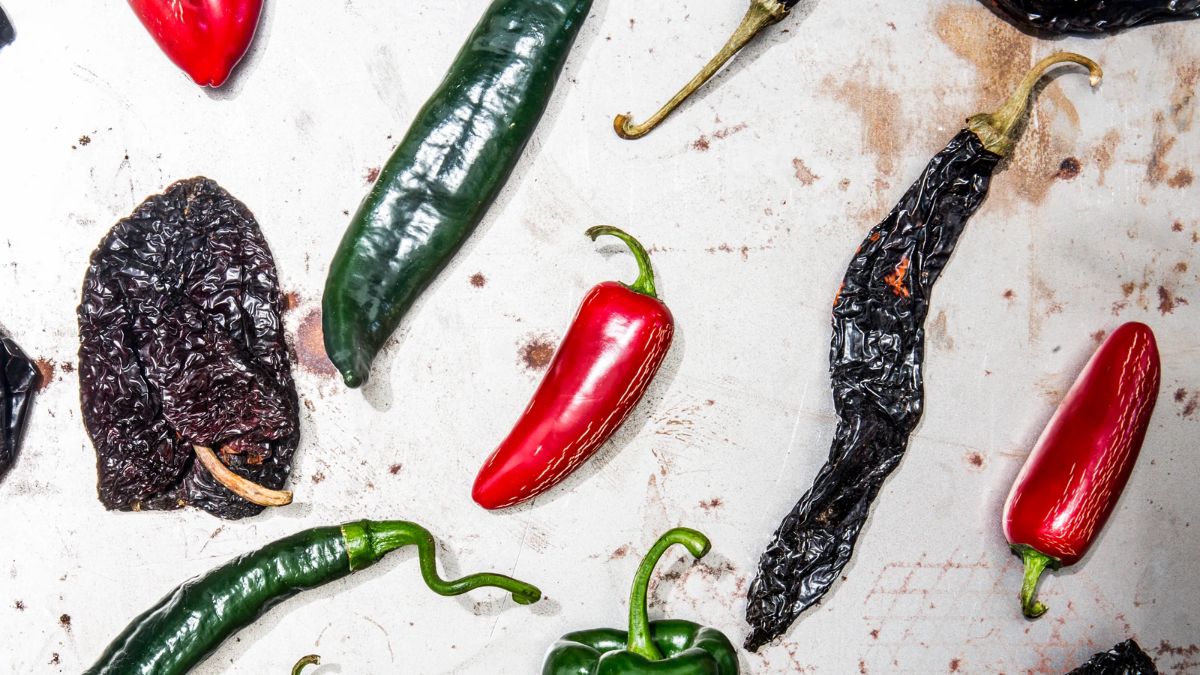
Mexican chiles bring a remarkable range of flavors to the kitchen, from mild, fruity notes to deep, smoky aromas and intense heat. They are essential ingredients in many traditional Mexican dishes, including salsas, soups, stews, marinades, tamales, and enchiladas. However, choosing the right chile can feel confusing when several varieties look similar or have unfamiliar names.
The secret is to know that chiles contribute more than spiciness. Some add sweetness, others provide earthy depth, and a few deliver sharp heat that can quickly dominate a dish. Their color, shape, aroma, and preparation method can help you identify them and decide how to use them.
Whether you are preparing homemade salsa, experimenting with traditional mole, or adding Mexican flavors to everyday meals, learning about common Mexican chiles can make cooking easier and more enjoyable.
Basics
Mexican chiles generally fall into two categories: fresh chiles and dried chiles. Many dried varieties are simply mature versions of fresh peppers, although drying transforms their flavor and texture.
Fresh chiles usually provide bright, grassy, crisp, or sharp flavors. They are commonly chopped into salsas, roasted for fillings, or blended into sauces. Dried chiles, on the other hand, often develop concentrated, earthy, fruity, smoky, or raisin-like flavors.
The amount of heat varies significantly between varieties. The Scoville Heat Unit (SHU) scale measures pepper pungency, although the actual heat of an individual chile can vary according to growing conditions and maturity.
For home cooks, it is helpful to consider three things before choosing a chile: its heat level, its dominant flavor, and the role it will play in the recipe. A chile that works beautifully in a slow-cooked sauce may not be the best option for a fresh topping.
Jalapeño
Heat: Mild to moderately hot
The jalapeño is one of the most recognizable Mexican chiles. It is usually green, thick-fleshed, and medium-sized, with a rounded tip. As it ripens, it can turn red and develop a sweeter flavor.
Jalapeños offer a fresh, grassy taste with a noticeable but manageable kick. They are excellent for cooks who want to add heat without overwhelming other ingredients.
Use fresh jalapeños in salsa, guacamole, tacos, nachos, and homemade salad dressings. They can also be stuffed with cheese or roasted to bring out a deeper flavor. Removing the seeds and pale inner membranes may reduce the heat in a particular pepper, although it does not guarantee a mild result.
A fully ripened red jalapeño can be dried and smoked to produce a chipotle chile. This transformation creates a very different ingredient, adding smoky depth to sauces, marinades, beans, and braised dishes.
Serrano
Heat: Moderately hot to hot
Serrano chiles are smaller and generally slimmer than jalapeños. They are often bright green, although mature peppers may become red, orange, or yellow.
Their flavor is crisp, fresh, and peppery, with more heat than jalapeños in many cases. Serranos are especially popular in fresh Mexican salsas because they provide a lively bite without requiring roasting or soaking.
Use serranos when you want a salsa with a pronounced kick, or finely chop them into marinades and fresh toppings. They also work well in blended sauces served with grilled vegetables, fish, chicken, and tacos.
If you are cooking for people with different spice preferences, start with a small amount and taste before adding more. Serranos can quickly change a dish from mildly spicy to distinctly hot.
Poblano
Heat: Mild
Poblanos are large, dark-green chiles with broad shoulders and a tapered shape. Their thick flesh makes them particularly useful for roasting and stuffing.
Compared with jalapeños and serranos, poblanos are usually much milder. Their flavor is earthy, slightly sweet, and rich, especially after roasting. They are a good choice when you want chile flavor without making heat the main feature of the dish.
One well-known Mexican preparation is chiles rellenos, in which roasted poblanos are filled with cheese or another filling and cooked in a batter or sauce. Poblanos can also be sliced into rajas, a preparation often combined with onions, cream, or cheese.
Drying a poblano produces an ancho chile. The fresh and dried forms have different culinary personalities, so they should not be treated as identical ingredients.
Ancho
Heat: Mild
Ancho chiles are dried ripe poblanos. They are usually broad, flat, wrinkled, and dark reddish-brown. Their appearance may seem less inviting than that of a fresh pepper, but their flavor is one of the reasons dried chiles are so important in Mexican cooking.
Anchos have sweet, fruity, raisin-like notes with hints of earthiness and mild warmth. They add body and complexity to sauces without necessarily making them very spicy.
Before using an ancho, remove the stem and inspect the chile. Many recipes call for briefly toasting it in a dry pan, followed by soaking it in hot water until softened. Avoid prolonged or excessive toasting because burnt chiles can make a sauce bitter.
Blend softened ancho chiles into enchilada sauces, marinades, soups, or mole. They are also useful when you want a rich, dark sauce with a balanced flavor rather than intense heat.
Guajillo
Heat: Mild to moderately hot
Guajillo chiles are long, narrow, and typically reddish-brown, with smooth, glossy skin. They are among the most useful dried chiles for everyday Mexican cooking.
Their flavor is tangy, slightly fruity, and pleasantly earthy. Guajillos tend to deliver more brightness than anchos, making them a useful choice for sauces that need color and flavor without excessive sweetness.
Remove the stems and, if desired, shake out some of the seeds before preparing them. Briefly toast the chiles, soak them until soft, and blend them with garlic, onion, spices, or broth.
Guajillos work well in enchilada sauces, red salsas, soups, and marinades for meat or vegetables. They are also useful in dishes where you want a smooth, red sauce with a balanced, savory taste.
If you are building a basic dried-chile collection, guajillos are a strong starting point because they pair easily with other varieties.
Pasilla
Heat: Mild to moderately hot
Pasilla chiles are dried chilaca peppers. They are generally long, narrow, and dark brown to nearly black, with wrinkled skin. Their name is sometimes confused with poblano or ancho, particularly in markets where labels vary.
Pasillas have a deep, earthy flavor with notes that may suggest dried fruit, herbs, or cocoa. They can add complexity to sauces without necessarily creating a sharp burst of heat.
Use pasillas in traditional sauces, soups, and stews, or combine them with anchos and guajillos for a more layered flavor. A blend of dried chiles often produces a more balanced sauce than relying on a single variety.
When shopping, check the label and the chile’s shape. A broad, heart-shaped dried pepper is more likely to be an ancho, while a long, slender, dark chile is more characteristic of a pasilla.
Chipotle
Heat: Moderately hot to hot
Chipotles are jalapeños that have been ripened and smoked before drying. The smoking process gives them a distinctive aroma and a flavor that is difficult to reproduce with an ordinary fresh chile.
Dried chipotles are wrinkled and brown, while chipotles in adobo are sold softened in a seasoned tomato-based sauce. Both forms add heat and smoke, but they are convenient for different types of cooking.
Use chipotles in barbecue-style marinades, beans, soups, sauces, and meat fillings. Chipotles in adobo can be blended into mayonnaise or stirred into a sauce for sandwiches and roasted vegetables.
Because their smoky flavor is strong, begin with a small amount. You can always add more, but it is harder to correct a sauce that has become too smoky or spicy.
Habanero
Heat: Very hot
Habaneros are small, lantern-shaped peppers that may be orange, red, yellow, or green, depending on maturity and variety. Although they are often associated with the Yucatán Peninsula and southeastern Mexican cooking, they are much hotter than the everyday chiles commonly used in mild salsas.
Their flavor is fruity, floral, and citrus-like, which makes them appealing when used carefully. The heat, however, can be intense enough to overwhelm a dish if too much is added.
Habaneros are commonly used in spicy salsas, citrus-based marinades, and sauces served with grilled foods. They are best suited to cooks who deliberately want a high level of heat.
Wear gloves when handling them if you are sensitive to capsaicin, and avoid touching your eyes. Start with a small piece, blend thoroughly, and taste cautiously.
Comparison
The following table provides a quick reference for choosing a chile based on its flavor, heat, and best culinary use. Heat descriptions are approximate because individual peppers can vary.
| Chile | Typical form | Flavor profile | Best uses |
|---|---|---|---|
| Jalapeño | Fresh | Grassy, crisp | Salsa, toppings, stuffing |
| Serrano | Fresh | Fresh, sharp | Hot salsa, marinades |
| Poblano | Fresh | Earthy, slightly sweet | Rajas, stuffed peppers |
| Ancho | Dried poblano | Sweet, fruity, earthy | Mole, rich sauces |
| Guajillo | Dried | Tangy, fruity, savory | Red sauces, soups |
| Pasilla | Dried | Deep, earthy, herbal | Stews, complex sauces |
| Chipotle | Smoked and dried | Smoky, spicy | Marinades, beans, sauces |
| Habanero | Fresh | Fruity, floral | Very spicy salsas |
A useful rule is to choose the chile for the flavor you want first, then adjust the quantity to manage the heat. A mild pepper can contribute valuable flavor even when a recipe does not need much spice.
Selection
When buying Mexican chiles, look for peppers that suit the recipe and show no signs of spoilage. Fresh chiles should generally feel firm, with reasonably smooth skin and no extensive soft spots or mold.
Dried chiles should be flexible enough to bend slightly rather than crumbling into dust, although the exact texture varies by variety. They should smell pleasantly earthy, fruity, or smoky, not musty or rancid.
Read package labels carefully. Names can vary between regions and retailers, and some markets use similar terms for different peppers. If a recipe calls for a particular dried chile, matching the variety is usually more reliable than selecting a substitute based only on color.
For a beginner’s pantry, consider starting with guajillo and ancho chiles, along with fresh jalapeños. These provide a versatile combination of brightness, sweetness, and mild warmth. Add chipotles for smoke and serranos when you want more heat.
Store dried chiles in an airtight container in a cool, dry, dark place. Protect them from moisture, and check them occasionally for mold or unusual odors. Fresh chiles should be refrigerated and used while they remain firm and fresh.
Preparation
Preparing dried chiles correctly can make a significant difference to the final dish. Start by wiping away any visible dust and removing the stems. Depending on your recipe and tolerance for heat, you may also remove the seeds and inner veins.
Some recipes call for lightly toasting dried chiles in a dry skillet. Keep them moving and remove them as soon as they become fragrant. If they blacken or smell burnt, they may contribute bitterness.
Next, soften them in hot water when the recipe calls for it. Once pliable, blend them with the other sauce ingredients. Strain the mixture if you want a smoother texture, particularly for enchilada sauce or a refined marinade.
Fresh chiles can be chopped raw, roasted, grilled, or sautéed. Roasting often deepens their flavor and softens their skin. After roasting, some recipes recommend covering the peppers briefly to loosen the skin before peeling.
Always taste as you go. Chiles vary in heat, and adding them gradually gives you greater control over the finished dish.
Substitutes
Sometimes the exact chile listed in a recipe is unavailable. You can still make a good dish by choosing a substitute with a similar flavor and heat profile.
For ancho, try another mild dried chile that offers sweetness and body. Guajillo can replace some of the savory, fruity qualities of other dried peppers, although it may produce a brighter flavor. Chipotle is useful when a recipe needs smoke, but it is not an ideal direct replacement for a mild ancho if you want to avoid smoky notes.
For fresh jalapeños, serranos can work when you want more heat. Use less serrano initially and adjust to taste. Poblano is a better option when you need a mild, thick-fleshed pepper for roasting or stuffing.
Avoid replacing a mild chile with a habanero in equal quantities. Their heat levels are dramatically different, and even a small amount of habanero may change the character of the dish.
For more background on Mexican ingredients and traditional food, consult the Mexican government’s tourism portal, look into recipes and cooking techniques from Mexico in My Kitchen, and review pepper terminology and growing information from the New Mexico State University Chile Pepper Institute.
Choosing Mexican chiles becomes easier once you learn to recognize their shapes, aromas, and typical uses. Start with a few versatile varieties, use them in familiar recipes, and gradually experiment with combinations. With practice, you will be able to balance heat, sweetness, smoke, and earthy depth to create sauces and meals that taste the way you want them to.
FAQs
Which Mexican chile is best for beginners?
Jalapeños, anchos, and guajillos are versatile starting choices.
Which Mexican chile is the mildest?
Poblanos and anchos are generally mild.
What is an ancho chile?
An ancho is a dried, ripe poblano pepper.
Which chile adds smoky flavor?
Chipotle is known for its distinctive smoky flavor.
How should dried Mexican chiles be stored?
Keep them airtight in a cool, dry, dark place.