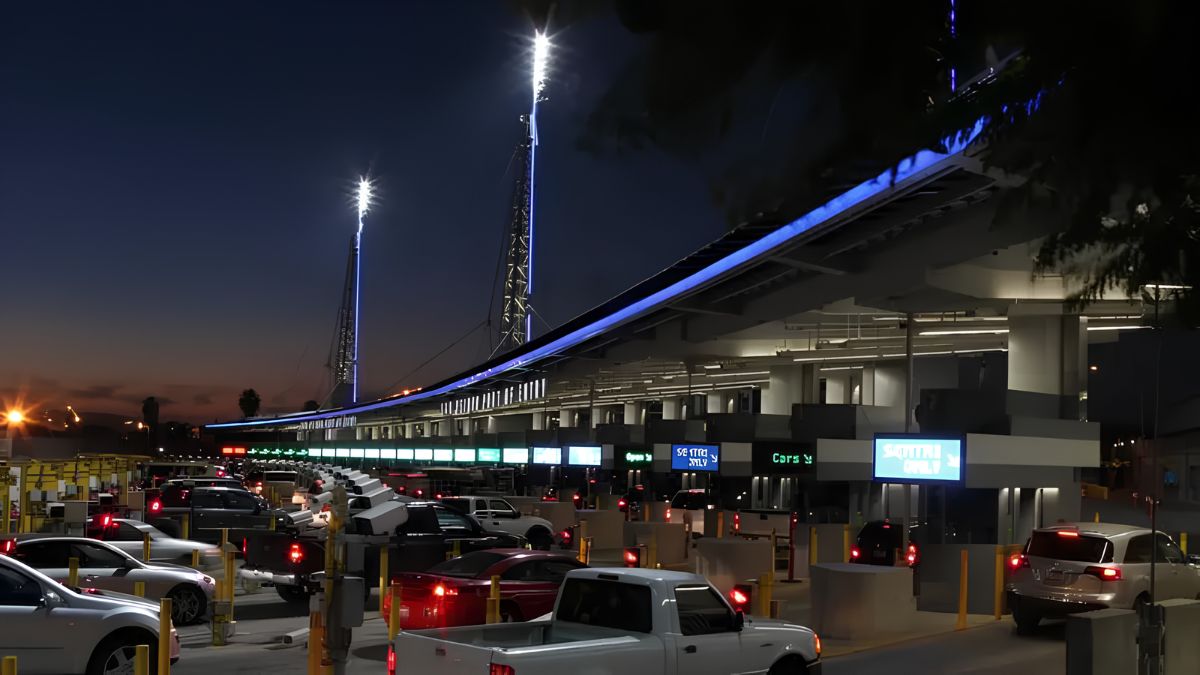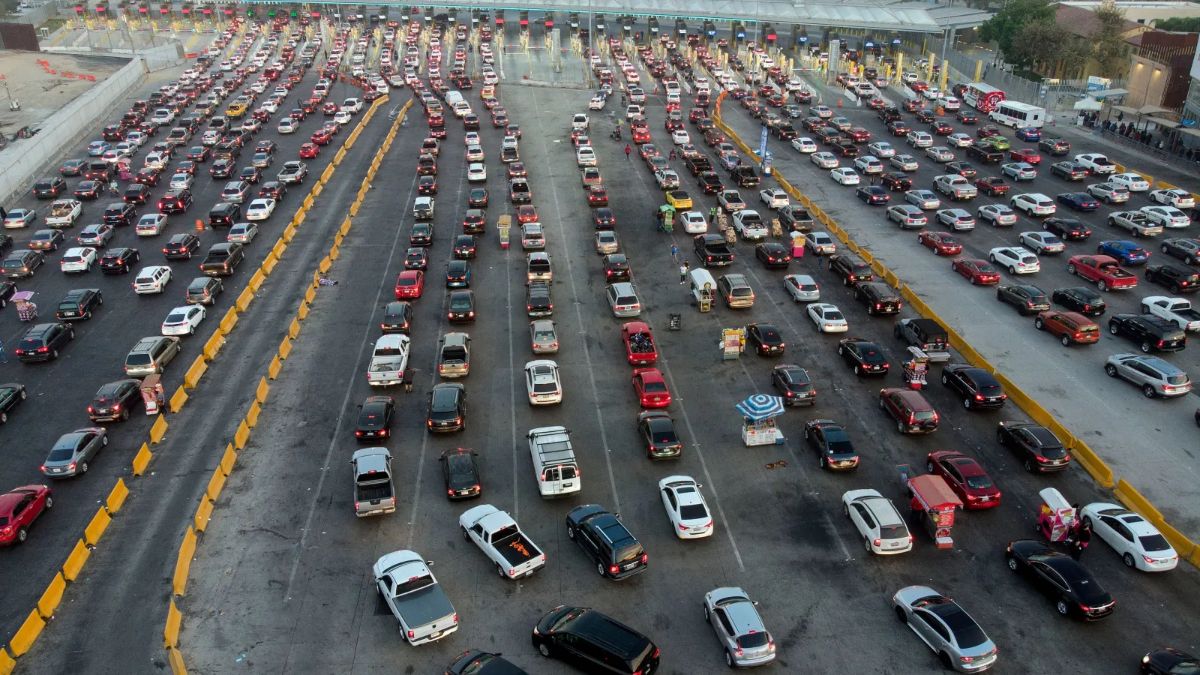
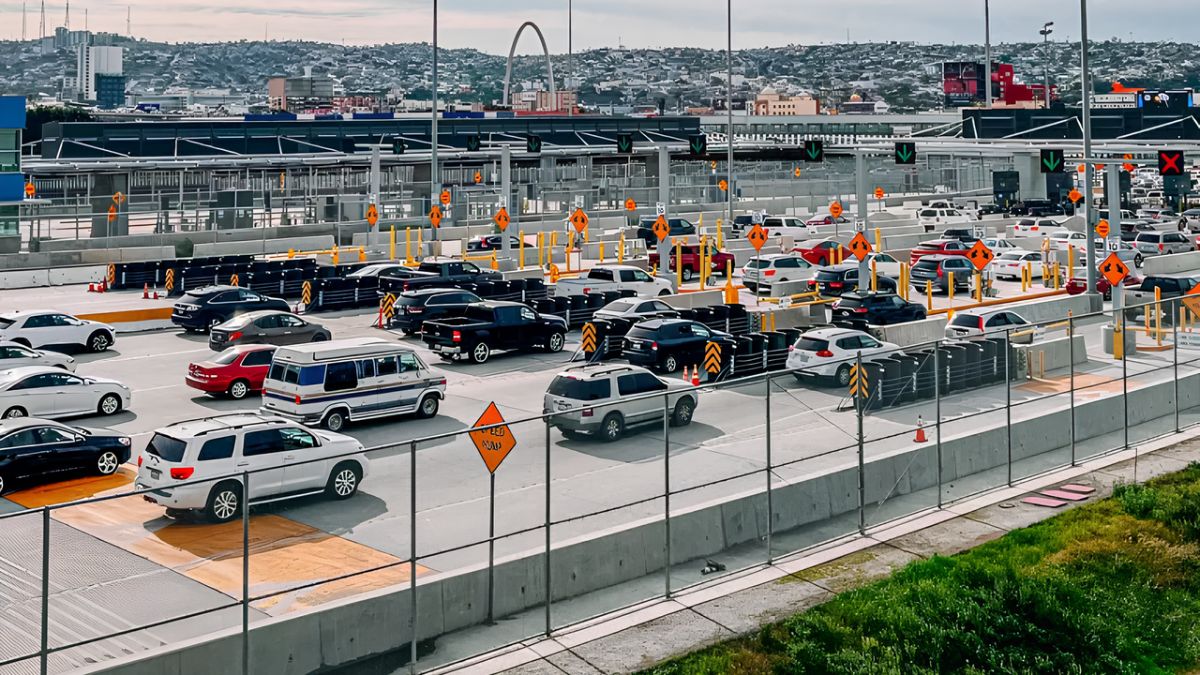
An early-morning departure from San Ysidro can require more preparation than a trip later in the day. Whether traveling to another part of San Diego County, crossing into Tijuana, or catching a flight or scheduled appointment, travelers need to consider parking availability, public transportation schedules, border operating conditions, and alternative travel arrangements.
San Ysidro is an important transportation connection between the United States and Mexico. Its location provides access to the San Diego Metropolitan Transit System (MTS) Blue Line trolley, local bus services, major roadways, and the international border crossing. However, not every transportation option operates at the same frequency throughout the day. Early departures may also coincide with limited parking availability, reduced public transit frequency, or unexpected service changes.
A practical departure plan should therefore include more than the intended route. Travelers should know where they will leave their vehicles, when the first suitable transit service operates, how long the journey may take, and what alternatives are available if the original arrangement does not work.
Planning these details in advance can reduce unnecessary waiting and help travelers reach their destinations with fewer disruptions.
Preparation
The first step is to establish the exact departure time and destination. An early-morning journey to downtown San Diego requires a different transportation plan from a trip across the border into Tijuana or a drive toward another part of Southern California.
Start by identifying the following details:
- The required arrival time at the destination.
- The preferred departure time from San Ysidro.
- Whether the journey involves crossing the international border.
- Whether a personal vehicle will be used.
- The amount of luggage being carried.
- Whether public transportation is available at the required time.
- The availability of alternative transportation.
Travelers should work backward from their required arrival time rather than selecting a departure time based only on the distance.
For example, someone who needs to reach downtown San Diego by 6:30 a.m. should consider the trolley timetable, walking time to the station, and any additional time required to reach the final destination.
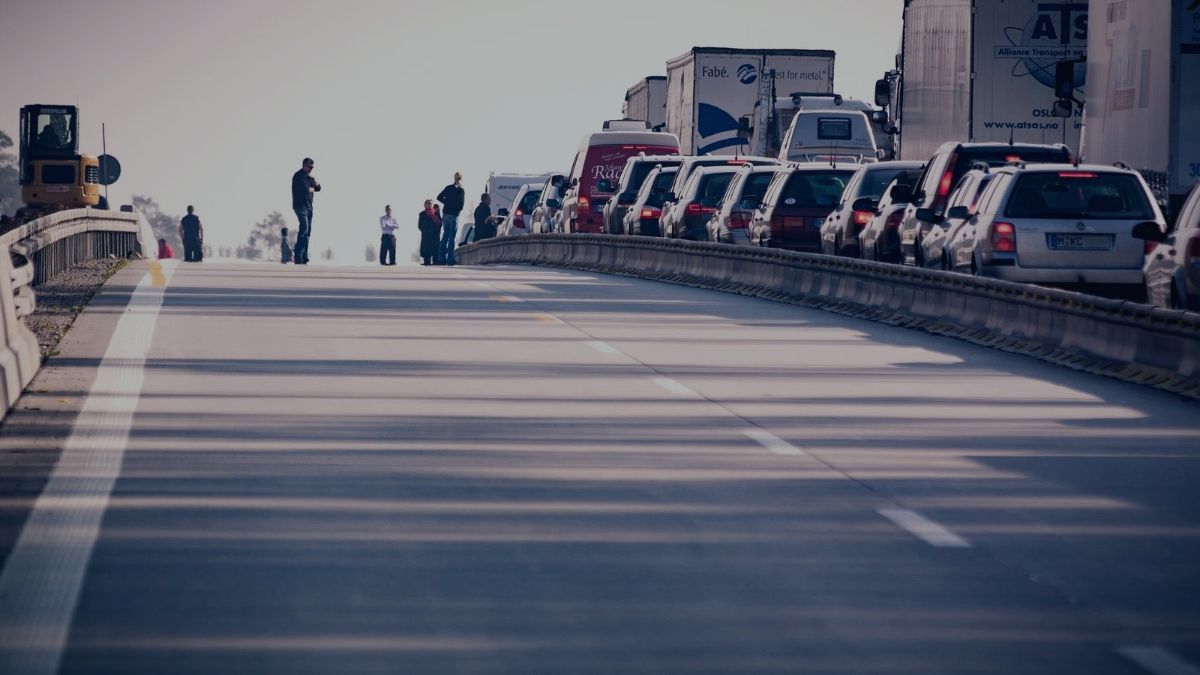
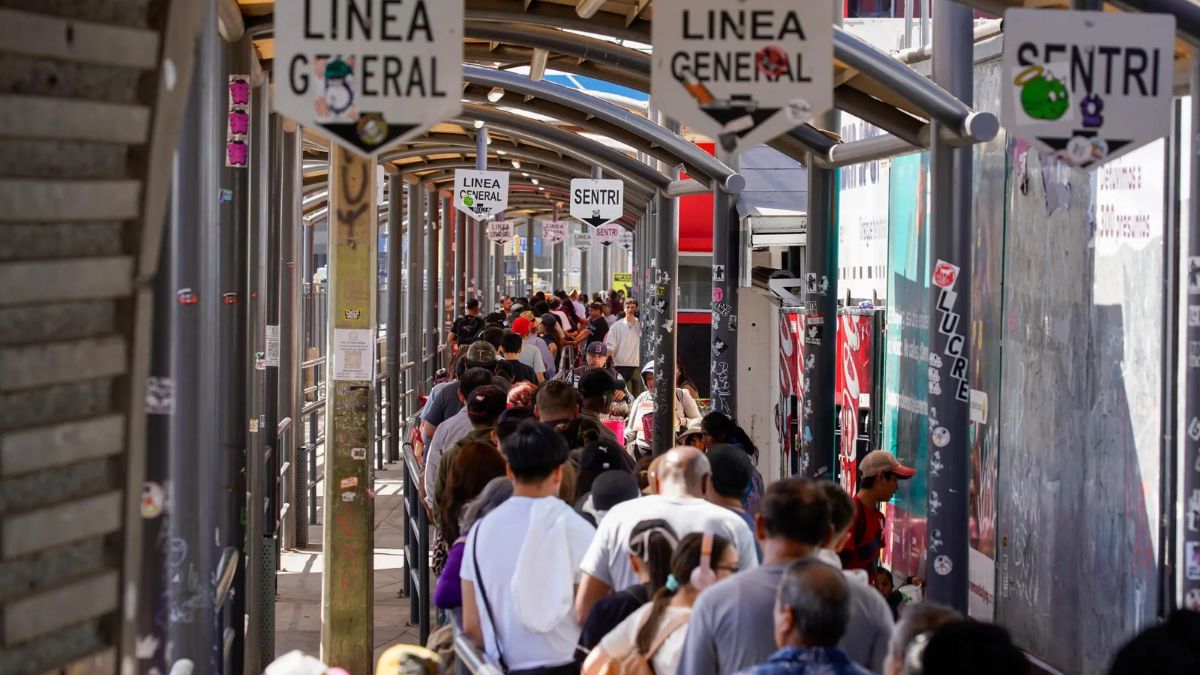
People crossing into Tijuana should separately account for pedestrian or vehicle inspection procedures. Border waiting times can change, so an early departure does not automatically guarantee a short crossing.
A written itinerary with departure times, transportation connections, and contact information can make the journey easier to manage.
Parking
Parking is an important consideration for travelers who plan to leave their vehicles in San Ysidro before continuing by trolley or crossing the border on foot.
The San Ysidro Transit Center provides access to the Blue Line trolley and nearby transportation connections. Travelers should check the current parking arrangements before relying on this location for an early departure.
Parking availability, payment requirements, operating hours, and permitted parking durations can change. Some facilities may have restrictions that make them unsuitable for overnight or extended parking.
Before leaving a vehicle, check:
- Whether the parking facility is open at the intended arrival time.
- Whether overnight parking is permitted.
- Daily parking charges.
- Payment methods accepted.
- Vehicle height or size restrictions.
- Security arrangements.
- Maximum parking duration.
- Any special event or construction restrictions.
It is also important to distinguish between public transit parking and private commercial parking. A nearby parking facility may have separate operating conditions and payment requirements.
Travelers should avoid assuming that a parking space will be available simply because a facility is close to the transit station. During busy commuting periods, demand may affect availability.
For trips involving several hours or overnight stays, confirming the parking terms directly with the facility is particularly important.
Transit
Public transportation can be a practical option for early-morning departures, particularly for travelers who want to avoid driving and parking near busy transportation areas.
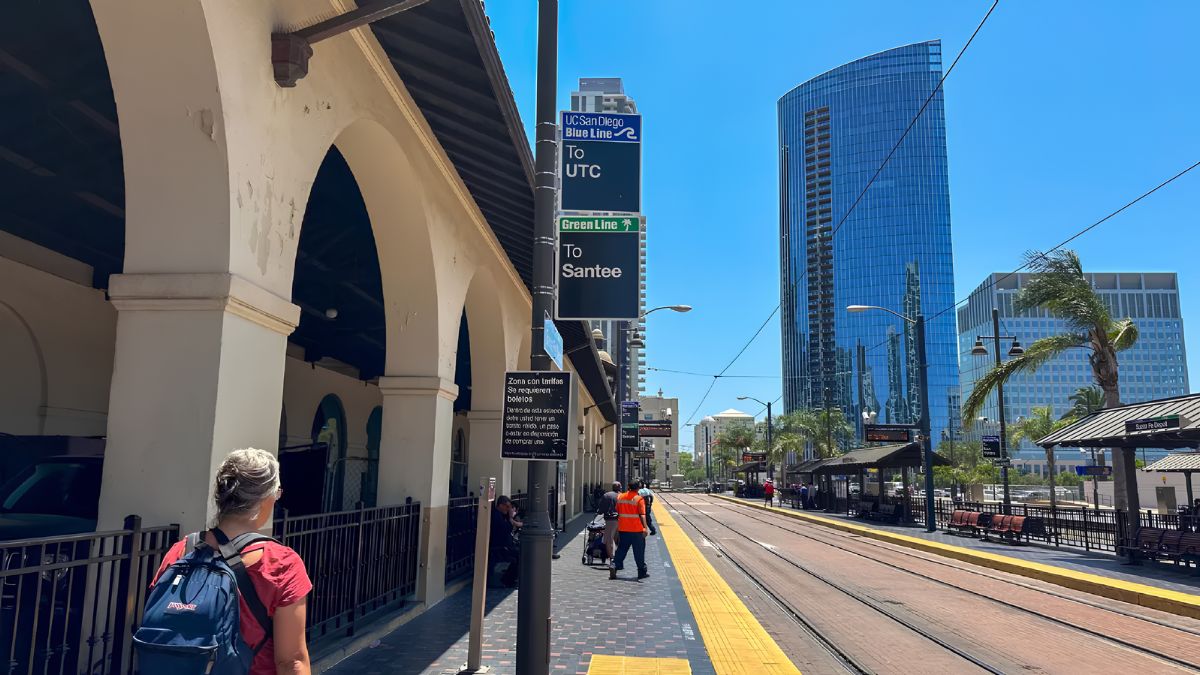
The San Diego MTS Blue Line connects San Ysidro with several communities across the San Diego region, including Chula Vista, National City, and downtown San Diego. The San Ysidro Transit Center serves as the southern terminus of the Blue Line and provides connections to other local transportation services.
However, travelers should not assume that trolley services operate at the same frequency throughout the day. Early-morning departures may have different intervals from regular daytime services.
Before traveling, check the following:
- The first available Blue Line departure.
- The scheduled arrival time at your destination.
- Service frequency during the early-morning period.
- Connections with other trolley or bus routes.
- Planned maintenance or service interruptions.
- Any temporary changes to station access.
The official MTS Trolley and Bus Schedules page provides route information and timetable details.
Travelers should select the timetable for their intended travel date rather than relying on an old screenshot or a schedule saved several weeks earlier.
It is also useful to download or save the relevant schedule before leaving home. This can help when mobile connectivity is unreliable or when travelers need to check their planned connections quickly.
For people who need to reach the San Diego airport, downtown, or another destination beyond the Blue Line, the journey may require an additional bus, trolley connection, or other transportation service. These transfers should be included in the departure plan.
Timetables
A transit timetable should be treated as a planning tool rather than a guarantee that every connection will occur exactly as expected.
Early-morning travelers should pay particular attention to the difference between scheduled departure and actual arrival time. A service may leave according to its timetable, but the traveler may still need time to walk between platforms, locate a connecting service, or reach the final destination.
A useful planning example is someone who needs to arrive at an appointment at 7:00 a.m. Instead of selecting a trolley that is scheduled to arrive at 6:55 a.m., the traveler should consider an earlier connection.
This additional time provides some protection against minor delays and unexpected changes.
When reviewing transit schedules, consider:
| Planning Factor | What to Check |
|---|---|
| First departure | Earliest suitable trolley or bus |
| Travel duration | Scheduled time to the destination |
| Connections | Additional services required |
| Transfer time | Walking and waiting between services |
| Service frequency | Time between departures |
| Service alerts | Maintenance or operational changes |
| Return schedule | Availability of transportation later in the day |
Travelers should also distinguish between weekday, Saturday, Sunday, and holiday schedules. Public transportation services may operate differently depending on the day.
If the departure is particularly important, checking the timetable again the evening before the trip is a sensible precaution.
Border
For travelers crossing from San Ysidro into Tijuana, border conditions are another important part of early-morning planning.
The San Ysidro Port of Entry handles pedestrian and vehicle traffic. The time required to complete the crossing depends on inspection activity, traffic levels, staffing, and other operational conditions.
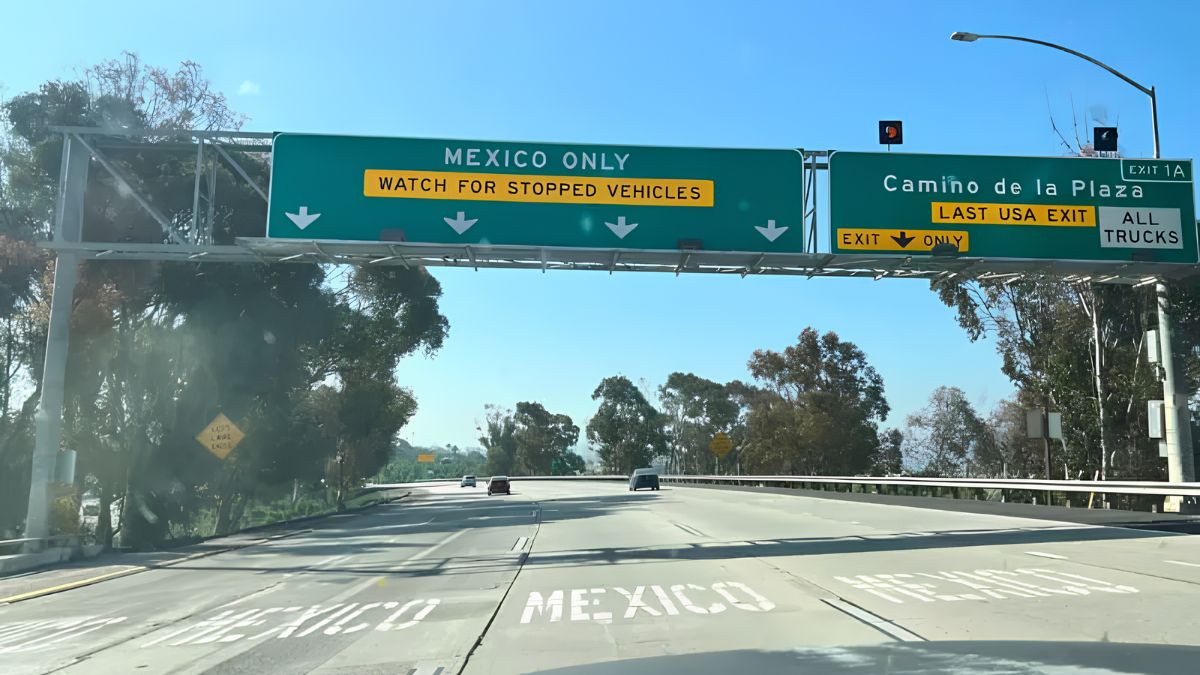
People walking across the border should check the pedestrian crossing arrangements and allow sufficient time for inspection. Drivers should consider the possibility of vehicle queues, which can affect arrival times even when the road journey to the border is relatively short.
Before departure, travelers should:
- Confirm the intended pedestrian or vehicle crossing.
- Check current border operating information.
- Carry the appropriate travel documents.
- Review any applicable entry requirements.
- Allow additional time for inspection.
- Identify onward transportation in Tijuana.
The U.S. Customs and Border Protection Border Wait Times website provides official estimated waiting times for border crossings, including San Ysidro.
These estimates can help travelers compare conditions, but they should not be interpreted as guaranteed crossing durations. Actual waiting times may change while a traveler is on the way to the border.
For an early-morning appointment, flight, or business commitment, it is better to include a reasonable time allowance than to plan around the shortest available estimate.
Alternatives
An early departure can become difficult if the first planned transportation service is unavailable, parking is full, or a vehicle develops a problem. Having a backup option can prevent a minor disruption from affecting the entire journey.
Travelers should identify at least one alternative before leaving.
Possible alternatives include:
- Using a different trolley or bus connection.
- Taking a taxi to the transit center.
- Arranging a ride with a family member or colleague.
- Using an authorized ride service.
- Parking at a confirmed alternative facility.
- Driving directly to the destination, when practical.
- Adjusting the departure time to accommodate a service change.
The most suitable backup depends on the journey.
For example, someone traveling from San Ysidro to downtown San Diego may be able to use a different transportation connection if the preferred trolley service is disrupted. Someone traveling into Tijuana may need to consider a pedestrian crossing followed by local transportation instead of taking a personal vehicle across the border.
However, backup arrangements should be realistic. A taxi may not be immediately available at the required time, and ride-service availability can vary depending on location and demand.
Travelers with an important appointment should consider arranging transportation in advance rather than assuming that an alternative vehicle will be available at short notice.
Weather
Weather conditions can affect early-morning travel, particularly for people walking to transit stations or waiting outdoors.
San Ysidro generally experiences a mild coastal climate, but morning temperatures can be cooler than expected, especially during winter. Fog, rain, and reduced visibility may also affect road conditions and travel schedules.
Pedestrians should consider wearing comfortable shoes and carrying suitable outerwear. Drivers should check road conditions, windshield visibility, and vehicle lighting before leaving.
Weather-related preparation is particularly relevant for travelers carrying luggage or walking between transportation connections.
A few practical precautions include:
- Check the local weather forecast the evening before departure.
- Carry a light jacket for cooler morning conditions.
- Allow additional time during heavy rain or fog.
- Keep electronic devices protected from moisture.
- Check for weather-related transportation alerts.
Although weather does not necessarily cause major disruptions, preparing for changing conditions can make an early departure more comfortable.
Checklist
A departure checklist can help travelers confirm that the most important arrangements are complete before leaving San Ysidro.
The following list can be adapted for commuters, visitors, and people making cross-border journeys.
The Evening Before
- Confirm the destination and required arrival time.
- Review the latest trolley or bus timetable.
- Check available parking arrangements.
- Review border wait-time information if crossing into Mexico.
- Check transportation service alerts.
- Charge mobile phones and other devices.
- Prepare travel documents and identification.
- Save the destination address and route information.
- Arrange a backup transportation option.
Before Leaving Home
- Check the weather forecast.
- Confirm the first suitable transit departure.
- Recheck parking availability and restrictions.
- Carry payment methods for transportation.
- Pack necessary medication and personal belongings.
- Allow time for unexpected delays.
At San Ysidro
- Confirm the correct trolley platform or bus stop.
- Check live service information.
- Park only in an authorized facility.
- Keep valuables out of sight.
- Confirm the next transportation connection.
- Allow sufficient time for border inspection when applicable.
During the Journey
- Monitor service announcements.
- Keep important documents accessible.
- Check connecting transportation arrangements.
- Inform someone if your expected arrival time changes.
Following a checklist can reduce the likelihood of overlooking important details during an early start.
Technology
Digital transportation tools can make early-morning planning easier, particularly when travelers need to coordinate parking, public transportation, and border crossing information.
The MTS website provides official information about trolley and bus services. Travelers can use its route and timetable resources to review available departures and service changes.
Mobile mapping applications can also help estimate the time needed to reach the transit center or a final destination. However, their estimates should be treated as planning references rather than guaranteed arrival times.
For a more organized trip, travelers can save the following information on their phones:
- The selected trolley or bus timetable.
- The parking facility address.
- The final destination address.
- Relevant border crossing information.
- Alternative transportation contacts.
- Confirmation details for any advance bookings.
It is also sensible to keep essential information available offline. A phone battery problem, weak mobile signal, or application interruption should not leave a traveler without access to the basic journey details.
For people who travel regularly, maintaining a saved departure plan can reduce the time needed to organize each trip.
Planning
The most effective early-morning departure plan combines a confirmed transportation schedule, suitable parking arrangements, and at least one alternative route.
Travelers should avoid making decisions based solely on estimated journey times. Parking availability, service frequency, border inspection procedures, and connecting transportation can all influence the actual arrival time.
For regular commuters, using the same departure routine can make travel easier to manage. For occasional visitors, checking official transportation information the evening before departure can help prevent confusion.
San Ysidro offers several ways to begin an early-morning journey, but each option requires different preparation. Drivers need to consider parking and road conditions, trolley passengers should verify the first suitable service, and cross-border travelers must account for inspection procedures.
By reviewing timetables, confirming parking restrictions, preparing travel documents, and arranging backup transportation, travelers can approach an early departure with a clearer schedule and fewer uncertainties.
FAQs
Does the San Ysidro trolley operate early in the morning?
Yes. Check the current MTS timetable for the first available departure.
Should I reserve parking before an early departure?
Check facility availability, payment rules, and overnight parking restrictions beforehand.
How can I check San Ysidro border wait times?
Use the official U.S. Customs and Border Protection website.
What if my early-morning trolley is delayed?
Check service alerts and consider an alternative bus, taxi, or ride service.
How early should I leave San Ysidro?
Allow enough time for transit connections, border inspections, and unexpected delays.