A community book exchange can turn a quiet corner of a neighbourhood into a place where people share stories, discover new ideas and connect with one another. In San Ysidro, neighbours can start small by placing a book-sharing shelf in a suitable community space, inviting residents to donate books they no longer need and making it easy for others to borrow or swap titles.
The best part? A successful book exchange does not require a large budget, a dedicated building or complicated administration. A sturdy shelf, a few clear rules and a group of willing neighbours can be enough to get started. The key is to make the system welcoming, organized and fair so that children, students, families and older residents can all participate.
Planning
Before collecting books, gather a few interested neighbours and discuss what kind of exchange would work best for your area. Some communities may prefer a small shelf in an apartment complex, while others might choose a shared space at a community centre, local business or neighbourhood gathering point.
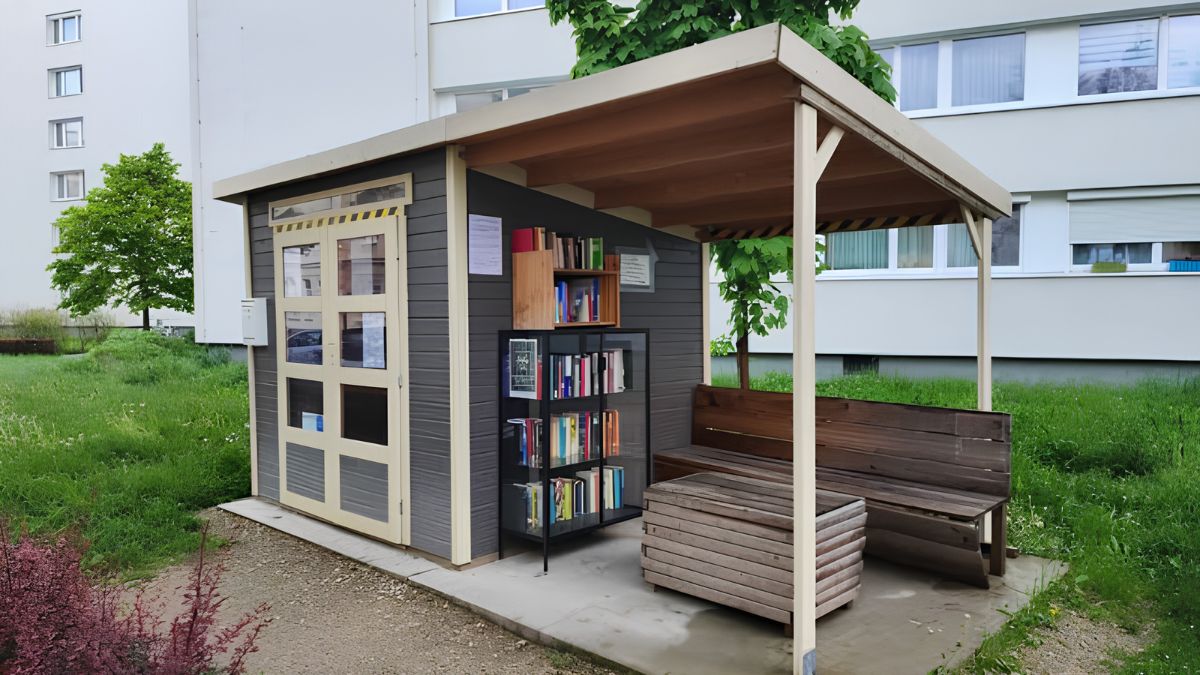
Start by identifying a location that is accessible, easy to find and protected from rain, direct sunlight and excessive heat. Books can become damaged quickly if they are stored outdoors without proper shelter.
If the proposed location belongs to a property owner, business, school or community organization, obtain permission before installing shelves or placing donated materials there. For a public location, check with the relevant property manager or local authority about applicable requirements.
A small trial project is often the easiest approach. Begin with one shelf and a manageable collection rather than trying to build a large lending library immediately.
Donations
Clear donation guidelines help keep the collection useful and pleasant to browse. Encourage residents to contribute books they would be happy to pass on to a friend.
Suitable donations may include novels, children’s picture books, young adult fiction, cookbooks, biographies, poetry, language-learning materials and practical nonfiction. Books in English and Spanish can help reflect the languages and interests of San Ysidro’s diverse community.
Ask donors to check that books are clean, readable and free from serious damage. Avoid accepting books with mold, water damage, strong odors, missing essential pages or evidence of pests. Damaged books can affect the rest of the collection, particularly when shelves are stored in enclosed spaces.
A simple donation sign can explain the process:
- Donate clean books in usable condition.
- Place donations in the designated box or on the marked shelf.
- Do not leave bags of books outside the exchange location.
- Ask a volunteer before donating a large collection.
- Keep unrelated items, food and household goods out of the book area.
Volunteers can review new donations weekly and remove unsuitable materials. This keeps the exchange tidy without making participation difficult.
Borrowing
Borrowing rules should be simple enough that someone can understand them in less than a minute. If the process feels complicated, residents may avoid using the exchange.
For a basic honour-system model, people can take a book and return it when finished. They can also leave another book in its place, although requiring an exchange for every borrowed book may discourage residents who do not have books to donate.
A more flexible approach is to use a take-one, return-one-when-you-can system. Make it clear that returning a book is appreciated, but donating a replacement is not compulsory unless the community deliberately chooses that rule.
For a small collection, an optional sign-out notebook can record the title, borrower’s first name or chosen identifier, and date borrowed. Avoid collecting unnecessary personal information. If volunteers find that tracking every book creates too much work, they can switch to an honour system.
Agree on a suggested borrowing period, such as two to four weeks, if the group wants books to circulate more regularly. Treat this as a friendly guideline rather than a strict deadline unless the community has a clear reason for enforcing it.
Rules
Written rules prevent misunderstandings and help volunteers manage the exchange fairly. Display them directly beside the shelf in large, readable text.
A starter policy might look like this:
| Topic | Suggested rule |
|---|---|
| Donations | Accept clean, readable books in good condition |
| Borrowing | Take a book for personal reading |
| Returns | Aim to return books within two to four weeks |
| Exchanges | Returning a book is welcome; donating one is optional |
| Book care | Keep borrowed books dry and handle them carefully |
| Lost books | No fee; return or replace the book if convenient |
| Children | Parents or caregivers help younger children choose suitable books |
| Disagreements | Contact a designated volunteer for assistance |
The group should discuss these rules before opening the exchange. Residents may have different views about late returns, book condition and the types of material they want to share.
Avoid unnecessary restrictions that could make the project feel exclusive. The purpose is to make reading more accessible, not to create a formal library system with burdensome requirements.
Organization
A well-organized shelf makes it easier for people to find books and encourages them to return. Start with broad categories rather than an elaborate catalog.
Use simple labels such as Children’s Books, Fiction, Spanish-Language Books, Nonfiction and Cookbooks. If the collection grows, volunteers can add categories for biographies, mysteries, history or school-age readers.
Place children’s books on lower shelves so younger visitors can reach them safely. Keep heavier books on sturdy lower shelves, and avoid overcrowding the collection. Leave enough room for people to remove and replace books without damaging their covers.
A small sign should explain how the exchange works, where donations belong and whom to contact with questions. If the shelf is inside a shared building, include its opening hours or any access restrictions.
Volunteers should check the collection regularly for clutter, damage and unsuitable donations. A short weekly check may be enough for a small exchange.
Volunteers
Even a simple book exchange benefits from having a few people responsible for basic maintenance. One person can coordinate donations, another can check the shelf, and a third can help promote the project or organize occasional book-sharing events.
Divide tasks according to people’s availability. Nobody should feel that they must manage the entire project alone.
A neighbourhood messaging group, printed noticeboard or community meeting can help volunteers coordinate. If the group uses social media, avoid publishing private information about borrowers or posting photographs of children without appropriate permission.
Residents can also suggest new categories, request particular types of books or volunteer to help with seasonal cleaning. Regular communication gives the community a chance to improve the system before small issues become larger problems.
Promotion
Once the exchange is ready, spread the word through permitted community noticeboards, local social media groups, apartment newsletters and neighbourhood gatherings. Ask nearby schools, community organizations or small businesses whether they would be willing to share information about the project.
A simple announcement can explain where the shelf is located, when it is accessible, which donations are welcome and how borrowing works. Include a few examples of the kinds of books residents can find.
Consider holding a launch day where neighbours bring one or two books, meet the volunteers and learn the rules. A children’s reading hour, book recommendation board or bilingual story-sharing session can make the launch more engaging.
Keep promotional messages accurate. If the exchange is available only to residents of a particular building or during certain hours, state those limits clearly.
Sustainability
The exchange should remain manageable as the collection grows. Too many donations can overwhelm a small shelf, so establish a plan for duplicates, unpopular titles and books that no longer fit the available space.
With the donor’s permission where appropriate, volunteers can redirect suitable excess books to another community group, school or charitable organization that accepts them. Confirm acceptance before delivering large quantities.
Review the rules after the first month or two. Ask whether the location works, whether books are circulating and whether residents find the instructions clear. A short feedback sheet or informal conversation can reveal practical improvements.
The group may eventually want to add a second shelf, host book swaps or organize themed reading weeks. However, expansion should follow demonstrated interest rather than happen before the first exchange is running smoothly.
A community book exchange can be a practical way for San Ysidro neighbours to share resources, encourage reading and build stronger local connections. By choosing an appropriate location, accepting books in usable condition, establishing straightforward borrowing rules and sharing volunteer responsibilities, residents can create a welcoming project without a large budget.
Start with a single shelf, invite neighbours to participate and make adjustments as the collection grows. With consistent care and a little cooperation, the exchange can become a lasting neighbourhood resource.
FAQs
How many books do we need to start?
Even 20 to 50 books can be enough to launch a small exchange.
Should people donate to borrow books?
Not necessarily; make donations welcome but optional.
Where should the book exchange be placed?
Choose an accessible, sheltered location with the owner’s permission.
What books should we reject?
Avoid moldy, wet, pest-damaged or badly damaged books.
Who should maintain the shelf?
A small volunteer team can check donations and tidy the collection.