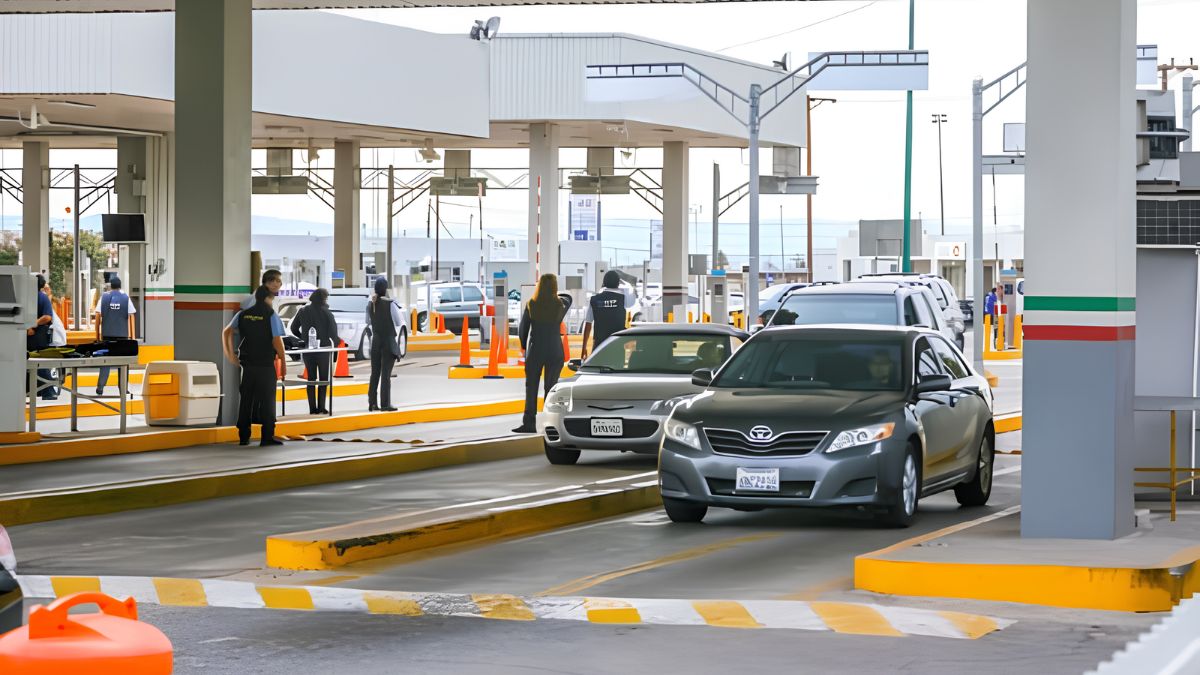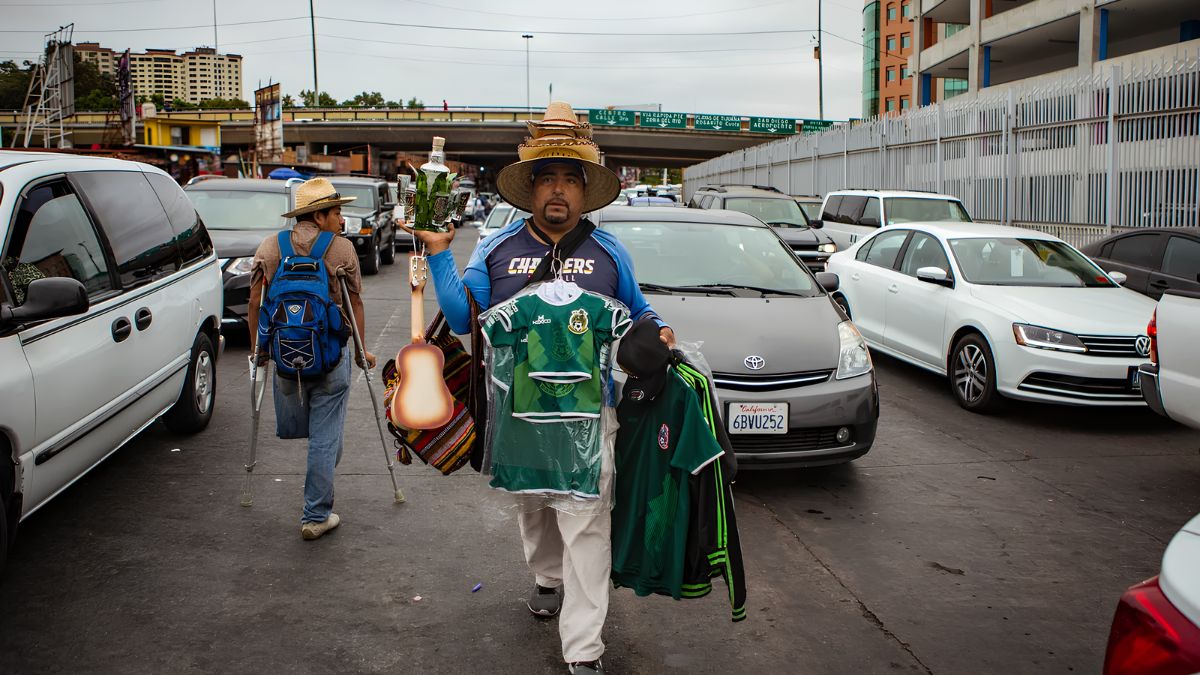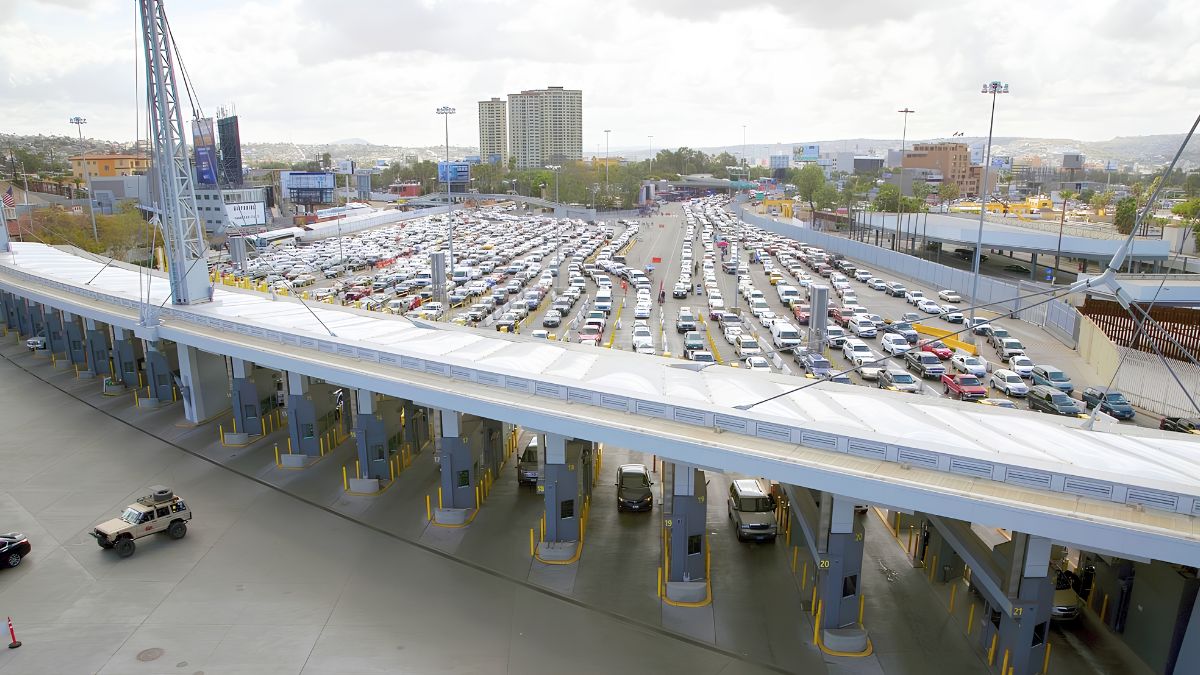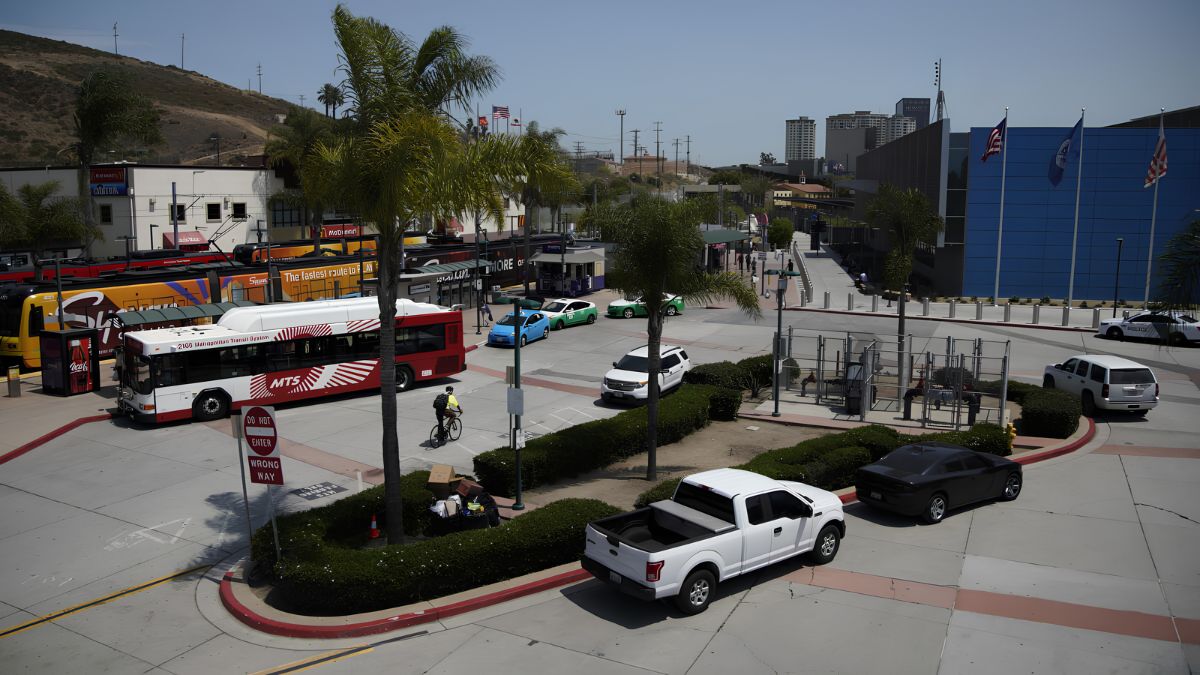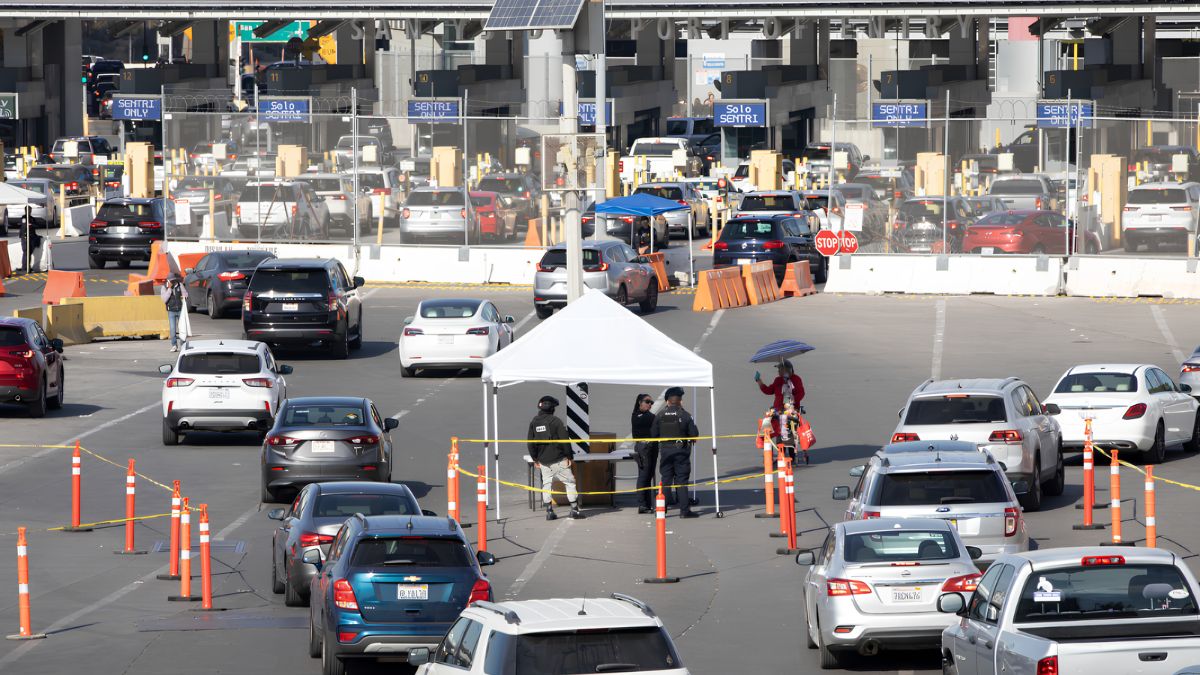
Driving across the San Ysidro border crossing between San Diego, California, and Tijuana, Baja California, can be straightforward when travellers prepare the necessary paperwork in advance. However, having a valid driver’s licence and vehicle registration does not automatically mean every requirement has been met. Travel documents, insurance coverage and vehicle ownership rules can differ depending on the direction of travel, the driver’s immigration status and how far they intend to drive in Mexico.
For motorists travelling from the United States into Mexico, preparation should begin with three essentials: personal identification, valid vehicle documents and insurance that meets Mexican requirements. Some travellers may also need a temporary vehicle import permit, depending on their destination and circumstances.
The distinction matters because San Ysidro is a busy land crossing used by local residents, commuters, shoppers and visitors travelling farther into Mexico. Someone making a short trip to Tijuana may face different vehicle-permit requirements from a traveller planning to drive to another Mexican state.
The following checklist explains which documents to review, what to confirm before departure and where to find official guidance. Requirements can vary by nationality, residency, vehicle ownership and destination, so travellers should verify their individual circumstances with the relevant authorities before setting out.
Direction
First, establish which way you are crossing. Entering Mexico from San Ysidro and returning to the United States are separate border procedures, with different immigration and vehicle requirements.
For a trip into Mexico, motorists should check Mexican entry requirements, vehicle documentation and Mexican automobile insurance. When returning north, travellers must meet U.S. entry requirements and comply with any applicable customs rules.
A U.S. driver’s licence does not replace a passport or other required immigration document. Similarly, vehicle registration does not establish that the driver has permission to enter either country.
Travellers should also confirm the exact destination. Mexico’s rules for temporary vehicle importation depend in part on the region being visited. The U.S. Department of State’s Mexico travel advisory explains key vehicle and insurance considerations for Americans travelling by road.
Checklist
Before leaving for the San Ysidro crossing, organise the following documents and confirm that each one is valid for the planned journey.
- Personal travel documents: Carry a valid passport and any visa, residency document or other entry document required for your nationality and circumstances.
- Driver’s licence: Bring a valid licence appropriate for the vehicle you intend to drive.
- Vehicle registration: Carry current registration showing the vehicle’s identifying details and valid registration status.
- Proof of ownership or authorisation: If the vehicle is financed, leased, rented or registered to someone else, check whether additional documents or written permission are required.
- Mexican auto insurance: Obtain coverage that is valid in Mexico for the dates and locations of travel.
- Vehicle import permit, if applicable: Determine whether a temporary import permit is required for the destination and vehicle.
- Additional travel records: Keep copies of reservations, insurance contacts and relevant permit confirmations where useful.
These are preparation items, not a universal list of documents required from every traveller. The precise requirements depend on the trip and the people involved.
It is sensible to keep important documents accessible rather than packed in luggage. Digital copies can provide a useful backup, but they should not be treated as substitutes for originals when an authority requires physical documentation.
Registration
Vehicle registration is one of the first items to check before crossing into Mexico. The vehicle should have valid registration and licence plates that comply with the applicable requirements. Travellers should not assume that a temporary paper plate or expired registration will be accepted.
Check that the registration details match the vehicle and that the licence plate information is correct. If you recently purchased a vehicle or are waiting for permanent plates, confirm the situation with the relevant Mexican authorities before travelling.
If the vehicle is registered to another person, additional questions may arise. A traveller driving a family member’s car, for example, should carry documentation showing permission to use it and should verify whether the vehicle’s ownership arrangements affect entry or insurance requirements.
The same precaution applies to leased and financed vehicles. Review the lease or finance agreement and ask the lender or leasing company whether travel into Mexico is permitted and whether any authorisation letter is needed.
Drivers should also check their insurer’s rules. Some policies require advance notification before a vehicle is taken outside the United States, while others may exclude certain types of use or destinations.
Insurance
Mexican automobile insurance is an essential part of preparing for a road trip. A U.S. policy may provide limited coverage in Mexico, but motorists should not assume that their existing insurance meets Mexican legal requirements.
Before leaving, contact your insurer and confirm exactly what the current policy covers outside the United States. Ask specifically about liability coverage in Mexico, rather than relying on a general statement that the policy offers international protection.
If the existing policy does not provide the required coverage, arrange Mexican automobile insurance from a provider that serves the intended destination. Review the policy dates, covered drivers, vehicle identification details, liability limits, exclusions and claims procedure.
It is also important to distinguish between liability coverage and physical damage coverage. A policy that pays for damage or injury caused to another party may not cover damage to your own vehicle, theft or roadside assistance.
Keep the insurance documents and emergency contact information accessible while travelling. If an accident occurs, follow the insurer’s instructions and local reporting requirements. Do not assume that the claims process will work in the same way as it does in California.
Permits
One of the most frequently misunderstood issues is the temporary vehicle import permit, often referred to as a TIP. Whether you need one depends on the vehicle, your circumstances and where you plan to drive.
For an ordinary trip from San Ysidro into Tijuana or elsewhere within Baja California, a temporary vehicle import permit is generally not required for a U.S.-registered private vehicle. Baja California is within Mexico’s permit-exempt border region for this purpose. The rules can differ if you travel beyond the permitted region, particularly when driving into other parts of Mexico.
Travellers heading beyond Baja California should check the current rules before departure. The Mexican government provides official information through its vehicle temporary importation guidance. The official Mexican government vehicle permit procedure also outlines documentation used in the process.
Depending on the situation, the application may require proof of vehicle ownership or registration and personal identification. Eligibility, fees, deposits and application procedures should be checked directly with the responsible authority.
Do not obtain a permit merely because you are crossing at San Ysidro. First establish whether your intended destination requires one and whether you qualify under the applicable rules.
Ownership
Vehicle ownership deserves extra attention when the driver is not the registered owner. A vehicle title, registration certificate, rental agreement or financing document may help establish the vehicle’s status, but the documents needed can vary.
If you are driving a borrowed vehicle, obtain written permission from the owner and check whether additional authorisation is required for travel into Mexico. If the vehicle is financed or leased, confirm any restrictions with the lender or leasing company.
Rental vehicles need particular care. Rental companies may restrict international travel, require advance approval or limit coverage to specific destinations. A rental agreement that permits driving in California does not automatically authorise travel into Mexico.
If the vehicle is owned by a business, employer or another organisation, check the relevant policy and obtain written approval where necessary.
The U.S. Department of State’s Mexico guidance notes that restrictions apply to who may operate U.S.-registered vehicles in Mexico. Travellers should review the latest official information rather than relying on assumptions based on informal arrangements.
Travellers
Personal immigration documents remain separate from vehicle paperwork. Every traveller should check the entry requirements that apply to their nationality and immigration status.
U.S. citizens generally need a valid Western Hemisphere Travel Initiative-compliant document to return to the United States by land. Acceptable documents can include a U.S. passport, passport card or qualifying trusted-traveller card, subject to the relevant rules.
Mexican citizens and other foreign nationals must follow the requirements applicable to their own status. A Mexican Border Crossing Card, for example, has specific conditions for use, and a traveller’s permission to enter one country should not be confused with permission to enter the other.
For official information on U.S. land-border documents, consult U.S. Customs and Border Protection’s travel-document guidance. Travellers should check the requirements for all passengers, including children, before departure.
If a traveller needs a U.S. visitor admission record, such as Form I-94, they should confirm whether it applies to their circumstances and how it must be obtained. Not every traveller needs the same documents.
Keep passports and immigration records secure throughout the journey, and ensure that each passenger has the required documentation rather than relying on the driver to carry paperwork for everyone.
Customs
Vehicle documents are only part of the preparation. Travellers should also understand the customs rules that apply to goods carried across the border.
Personal belongings, purchases, gifts and commercial goods may be subject to different declaration requirements. If you plan to bring items that require permits or are subject to restrictions, check the rules before reaching the crossing.
Do not assume that an item permitted in California can automatically be brought into Mexico or returned to the United States without conditions. Certain foods, agricultural products, medicines and other goods may be restricted or require additional documentation.
Travellers returning to the United States should check current U.S. Customs and Border Protection requirements for declarations and restricted items. Keep receipts for significant purchases and retain any permits associated with goods that require them.
If you are transporting business merchandise rather than personal belongings, additional customs procedures may apply. Commercial shipments should not be treated as ordinary personal travel.
Preparation
A final document review can help identify missing paperwork before departure. Complete these checks several days ahead of the planned crossing, especially if you need to purchase insurance, obtain written vehicle authorisation or clarify permit requirements.
Preparing for a vehicle crossing at San Ysidro is mainly about matching the documents to the actual trip. Registration, insurance and a valid driver’s licence are important, but the destination, vehicle ownership and each traveller’s immigration status can change what else is needed. Confirming these details in advance can help prevent avoidable delays and make the journey easier to manage.
FAQs
Do I need Mexican car insurance to drive into Tijuana?
Yes. Drivers should carry Mexican automobile insurance that meets applicable requirements.
Is a vehicle import permit required for Tijuana?
Generally, no temporary import permit is needed for a U.S.-registered private vehicle staying in Baja California.
Can I drive someone else’s car into Mexico?
Check Mexican requirements and carry owner authorisation if needed. Finance or rental restrictions may also apply.
Is a driver’s licence enough to cross the border?
No. You also need the personal travel documents required for your nationality and immigration status.
Where can I verify vehicle permit requirements?
Check official Mexican government guidance and confirm the rules for your destination before travelling.