A cross-border day trip from San Ysidro to Tijuana can be straightforward when travelers plan their route, check entry requirements, and establish a realistic return schedule. Whether the purpose is shopping, dining, visiting friends, attending an appointment, or exploring a nearby destination, preparing in advance can help reduce delays and make it easier to manage unexpected changes.
San Ysidro, in southern San Diego County, connects with Tijuana, Baja California, through a major land border crossing between the United States and Mexico. Many people travel between the two cities for short visits, but the time required for the journey can vary depending on border traffic, inspection procedures, transportation arrangements, and the time of day.
A successful day trip involves more than deciding when to leave. Travelers should confirm their eligibility to enter Mexico and return to the United States, identify suitable pedestrian or vehicle crossing arrangements, keep essential contact details accessible, and establish a return-time plan that allows for delays.
Planning
Start by defining the purpose of the trip and the places you intend to visit. A short shopping trip in central Tijuana will require a different schedule from a visit to a medical clinic, a restaurant outside the city center, or an appointment at a specific time.
Identify the main destination, estimate how long you expect to stay, and determine how you will travel between the border and that location. If you plan to visit several places, consider their locations and the time needed to move between them.
Keep the itinerary realistic. A day trip that includes too many stops can become difficult to manage if transportation takes longer than expected or the return crossing is busy.
Before departure, confirm the current operating arrangements for the relevant port of entry. Check official guidance from U.S. Customs and Border Protection for information about entering the United States and review Mexican immigration requirements through the Instituto Nacional de Migración.
The aim is to build a flexible plan with a clear destination, enough time for the activities you want to complete, and a defined point at which you begin your return journey.
Documents
Travel documents should be checked before leaving home, not after reaching the border. Requirements depend on nationality, immigration status, destination, and the circumstances of the trip.
Travelers entering Mexico must meet the applicable Mexican entry requirements. Returning to the United States requires meeting U.S. entry requirements, which differ among U.S. citizens, lawful permanent residents, and foreign nationals.
Depending on your circumstances, you may need a valid passport, visa, permanent resident card, Border Crossing Card, or another qualifying document. Do not assume that a document accepted for one direction of travel automatically satisfies the requirements for the other.
Check the validity of your documents and ensure that you can access the originals when requested. A photograph of a passport or a photocopy of an immigration document should not be assumed to replace the required travel document.
If you are unsure whether your immigration status or travel authorization permits the planned journey, consult the appropriate government authority before departing. This is particularly important if you have a pending immigration application, previous entry complications, or restrictions affecting international travel.
Keep documents secure during the trip and separate from items that may be difficult to retrieve quickly. Carry only the supporting paperwork that is relevant to your travel circumstances, and protect personal information from unnecessary exposure.
Return-Time
A return-time plan is one of the most useful parts of a cross-border day trip. Instead of deciding when to return based only on the time you expect to finish sightseeing, set a target departure time and include a buffer for transportation and border processing.
For example, a traveler planning to return to San Ysidro by early evening should work backward from that goal. Allow time to reach the crossing from the final destination, navigate the pedestrian or vehicle approach, wait for inspection, and continue to the intended destination in California.
A practical schedule might look like this:
| Trip stage | Planning guidance |
|---|---|
| Morning departure | Leave enough time for the initial crossing and transportation |
| Late morning | Arrive at the main destination and begin planned activities |
| Early afternoon | Complete appointments, shopping, or sightseeing |
| Mid-afternoon | Review remaining activities and check transport options |
| Planned return departure | Begin traveling toward the border with a time buffer |
| Evening | Complete the return crossing and continue home |
These are planning stages rather than guaranteed crossing times. Actual schedules should reflect the destination, transportation method, current border conditions, and the traveler’s individual needs.
Choose a firm time to stop adding activities. If the trip is running behind schedule, shorten the itinerary rather than sacrificing the return buffer.
Travelers who need to return for work, a medical appointment, childcare, or another fixed commitment should allow a larger margin. Border delays are not always predictable, and no general schedule can guarantee a particular arrival time.
BorderWaits
Border conditions can change during the day. Traffic volumes, staffing, inspection requirements, holidays, and unexpected operational issues may affect how long travelers wait.
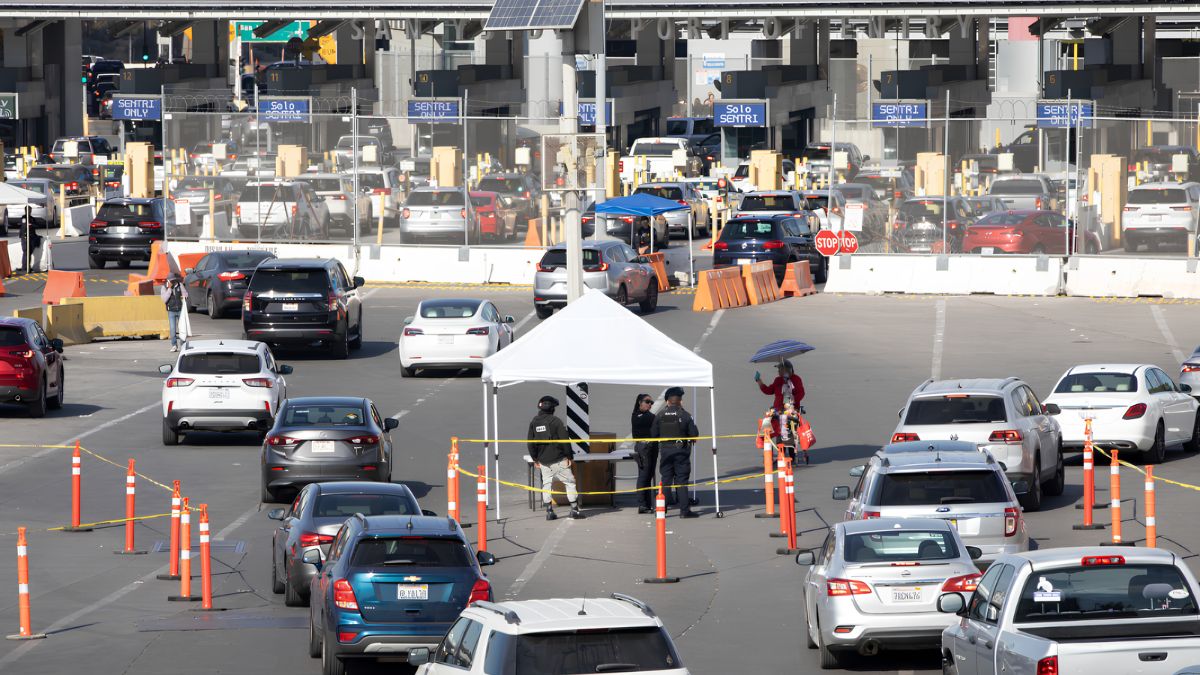
Check the official CBP Border Wait Times website before leaving and again before starting the return journey. Select the appropriate port of entry and crossing category, where available. Pedestrian and vehicle wait times are not interchangeable, so use information relevant to your travel method.
A published wait time is an estimate, not a guarantee. It may change before you reach the crossing, and it does not necessarily represent the entire journey from your current location to your final destination.
Build flexibility into the itinerary. If a return crossing is taking longer than expected, notify anyone waiting for you and review your transportation arrangements.
Travelers using a taxi, rideshare service, or public transportation should also consider where they will reconnect with their ride after crossing. Confirm pickup locations and understand whether the driver will wait, require a new booking, or meet you at a designated point.
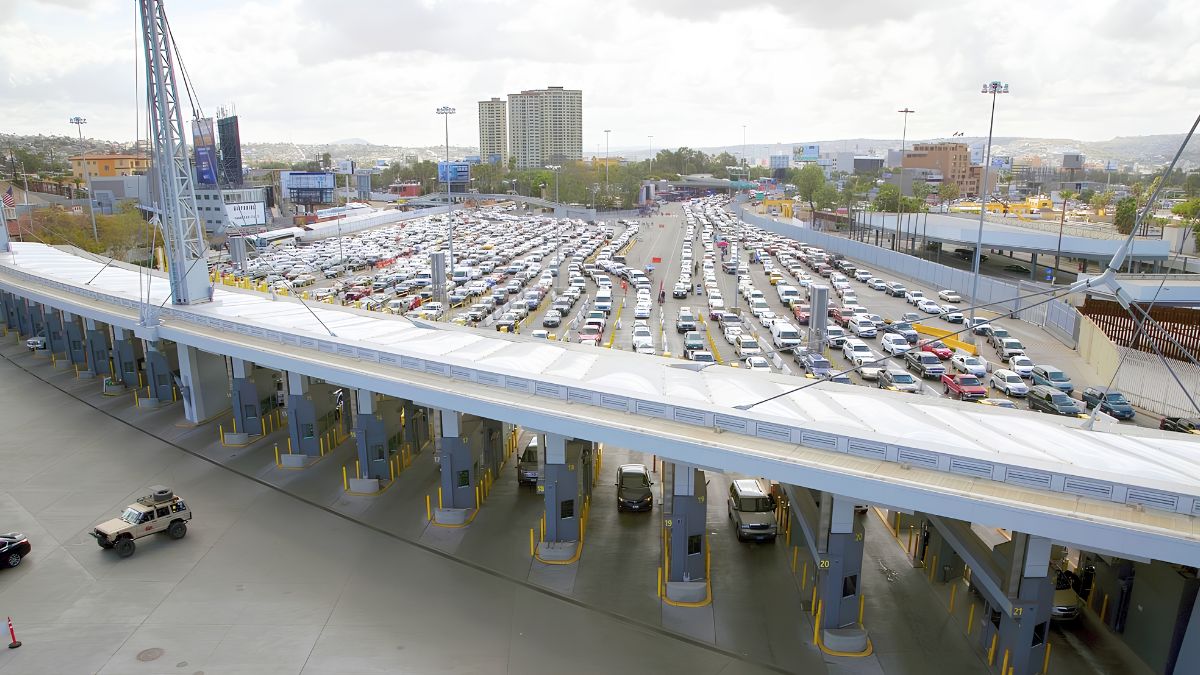
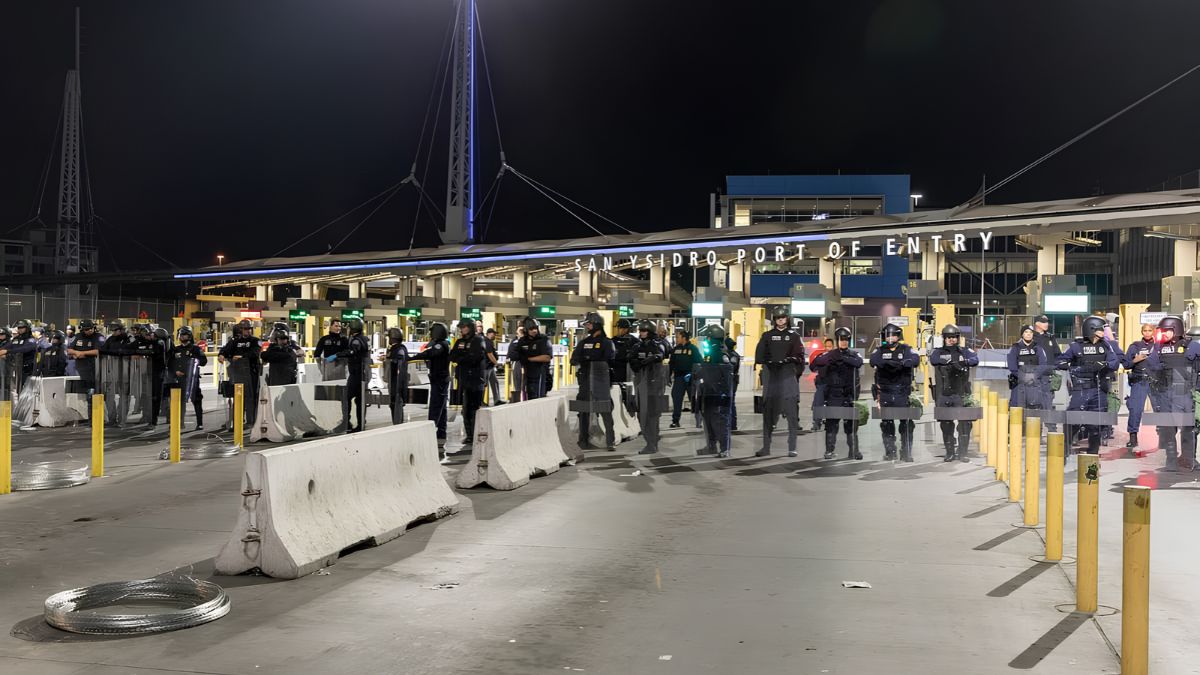
For additional context on the U.S. port of entry and its procedures, consult the official San Ysidro Port of Entry information from CBP.
Transport
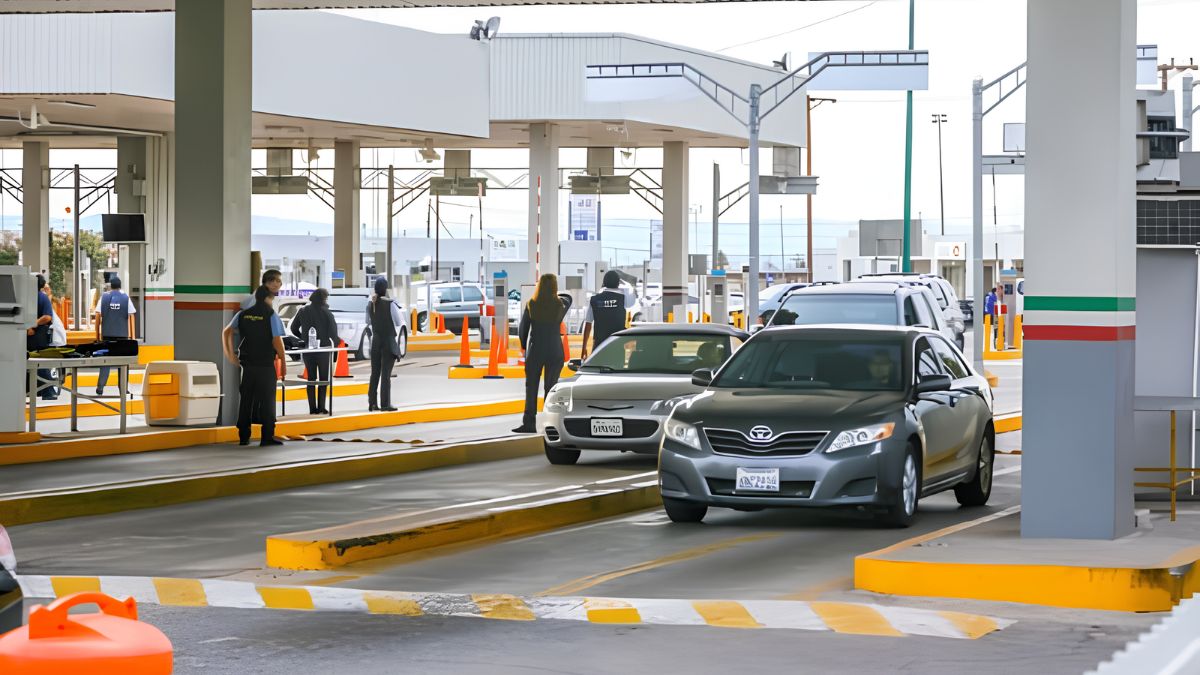
Decide how you will travel on both sides of the border. Some visitors prefer to cross on foot and use local transportation in Tijuana, while others drive and use the vehicle crossing. Each option has different planning requirements.
For a pedestrian trip, identify the appropriate pedestrian entrance, the route to your destination, and the transportation available when you arrive in Tijuana. Check whether you will need a taxi, rideshare, bus, or walking route to reach your planned stops.
If you are driving, verify the correct vehicle crossing, parking arrangements, insurance requirements, and any applicable vehicle documentation. Do not assume that a vehicle policy or registration automatically meets the requirements for driving in Mexico.
Before choosing a transportation option, consider:
- How far the destination is from the border.
- Whether public transportation is available at the required time.
- Whether your return transportation operates late enough.
- How much luggage or shopping you expect to carry.
- Whether anyone in your group needs accessible transportation.
- Whether your mobile phone service will work on both sides of the border.
Keep the address of your main destination and the border crossing available offline. If your phone loses service or its battery runs low, you will still be able to identify where you need to go.
Contacts
Essential contact details should be collected before departure and stored somewhere accessible even if your phone is unavailable. A small contact list can reduce confusion if travel plans change or someone in your group becomes separated.
Include the following information where relevant:
- Travel companion: Full name and mobile number.
- Accommodation or appointment: Name, address, and telephone number.
- Transportation provider: Booking details and contact information.
- Emergency contact at home: Name and telephone number.
- Travel insurance provider: Policy number and assistance contact, if applicable.
- Consular assistance: Contact details for the relevant embassy or consulate, if needed.
- Medical contact: Relevant information for anyone in your group with a health condition.
Make sure the details are accurate. Confirm appointment addresses, transportation reservations, and pickup instructions rather than relying on old messages or saved locations that may have changed.
Agree on a simple communication plan with your travel companion. For example, decide when you will check in, what to do if one person is delayed, and where you will meet if you become separated.
Avoid sharing unnecessary sensitive information in public messages. Keep passport numbers, financial details, and other personal records secure.
Connectivity
Mobile connectivity can be less predictable when traveling internationally. Your phone may require an international roaming plan, a suitable mobile package, or access to Wi-Fi to maintain reliable communication.
Check with your mobile provider before the trip to know roaming charges, coverage, and available data options in Mexico. Unexpected charges can occur when a phone automatically connects to a foreign network.
Download essential information before departure, including maps, addresses, booking confirmations, and contact details. Save your itinerary in a format that can be accessed without an internet connection.
Keep your phone charged and consider carrying a portable power bank. If you depend on your phone for navigation, payments, or transportation bookings, a low battery can create avoidable difficulties.
Do not assume that emergency calling arrangements are identical in both countries. Know the appropriate local emergency number for your location and use official government guidance to confirm emergency procedures. In an urgent situation, contact the local emergency services rather than waiting for a travel companion or insurance provider to respond.
Budget
A realistic budget helps keep a day trip manageable when the schedule changes. Estimate the cost of transportation, food, activities, shopping, mobile connectivity, and any planned appointments.
Set aside a contingency amount for unexpected expenses, such as a replacement ride, an extended wait, or a change in transportation. The appropriate amount depends on the trip and personal circumstances.
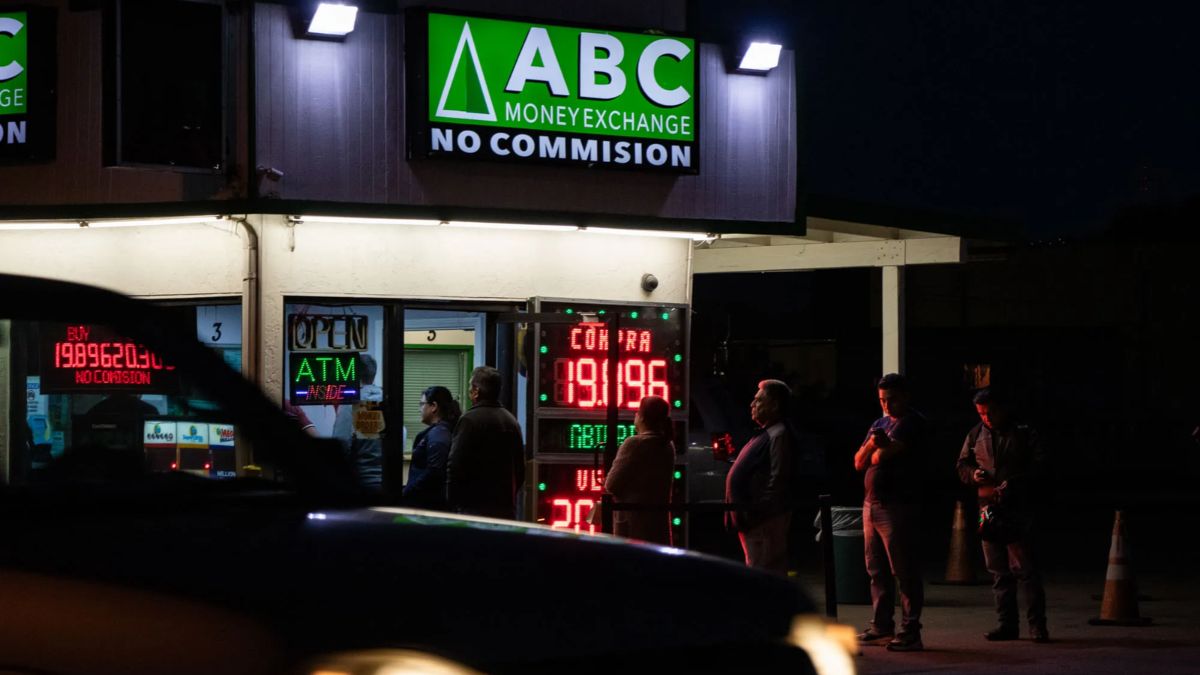
If you intend to use a payment card, check whether your bank charges foreign transaction fees and whether your card is accepted for the planned purchases. Carry a reasonable alternative payment method in case a card is declined or a payment terminal is unavailable.
Keep receipts for significant purchases and understand the customs rules that apply when bringing goods back into the United States. Some products may be restricted or subject to declaration requirements, and allowances can vary depending on the circumstances.
Travelers should review official customs guidance before carrying food, alcohol, tobacco, commercial goods, or other potentially regulated items across the border. When in doubt, consult the relevant customs authority instead of assuming an item is permitted.
Safety
A practical safety plan includes awareness of your surroundings, secure handling of valuables, and clear arrangements for returning to the border.
Keep your passport and other essential documents secure while ensuring that they remain accessible when required. Avoid carrying more cash than necessary, and use reputable transportation providers. Confirm the identity of your driver and the pickup details before entering a booked vehicle.
Stay aware of your location and allow enough time to reach the crossing before your planned return. If a destination is farther away than expected or transportation becomes unreliable, reassess the itinerary early rather than waiting until the return buffer has been used.
Travelers with medication or medical needs should carry necessary supplies and understand any restrictions on bringing medication across the border. Keep important health information accessible where appropriate.
For travelers who need official assistance, the U.S. Department of State provides country-specific travel information through its Mexico travel advisory page. Review current guidance for the intended destination before departure, as conditions and recommendations can change.
Checklist
Before leaving San Ysidro, review the following items:
- Confirm the entry requirements for Mexico and the United States.
- Check that all required travel documents are valid and accessible.
- Identify the correct pedestrian or vehicle crossing.
- Plan your route and transportation on both sides of the border.
- Set a target return departure time and include a realistic buffer.
- Check current border wait-time information.
- Save essential addresses, bookings, and contact details offline.
- Confirm mobile roaming, payment options, and emergency arrangements.
- Review customs rules for planned purchases and personal items.
- Share your itinerary and check-in plan with your travel companion or a trusted contact.
A checklist is most useful when it reflects the actual trip. Someone attending a short appointment may need only a few transportation details, while a family planning several stops may require a more detailed schedule and additional contacts.
Conclusion
Organising a cross-border day trip from San Ysidro is easier when the return journey receives as much attention as the outbound trip. Checking travel documents, planning transportation, reviewing border wait times, and saving essential contact details can help travelers manage the day with fewer uncertainties.
A realistic return-time plan should include a buffer for delays rather than relying on an exact crossing time. Travelers should also have a backup communication method, enough funds for unexpected expenses, and a clear plan for reaching the border from their final destination.
Most importantly, confirm current entry requirements and official travel guidance before departure. With a flexible itinerary and practical preparations, a day trip between San Ysidro and Tijuana can be better organised without depending on assumptions about border conditions.
FAQs
What should I prepare for a day trip from San Ysidro?
Check travel documents, transportation, border conditions, contacts, and return arrangements.
How should I plan my return time?
Set a departure target and allow extra time for transportation and border processing.
Where can I check San Ysidro border wait times?
Use the official CBP Border Wait Times website and select the relevant crossing category.
What contact details should I save?
Save emergency contacts, travel companions, destination addresses, and transportation details.
Do I need travel documents for a day trip to Tijuana?
Yes. You must meet the entry and return requirements applicable to your circumstances.