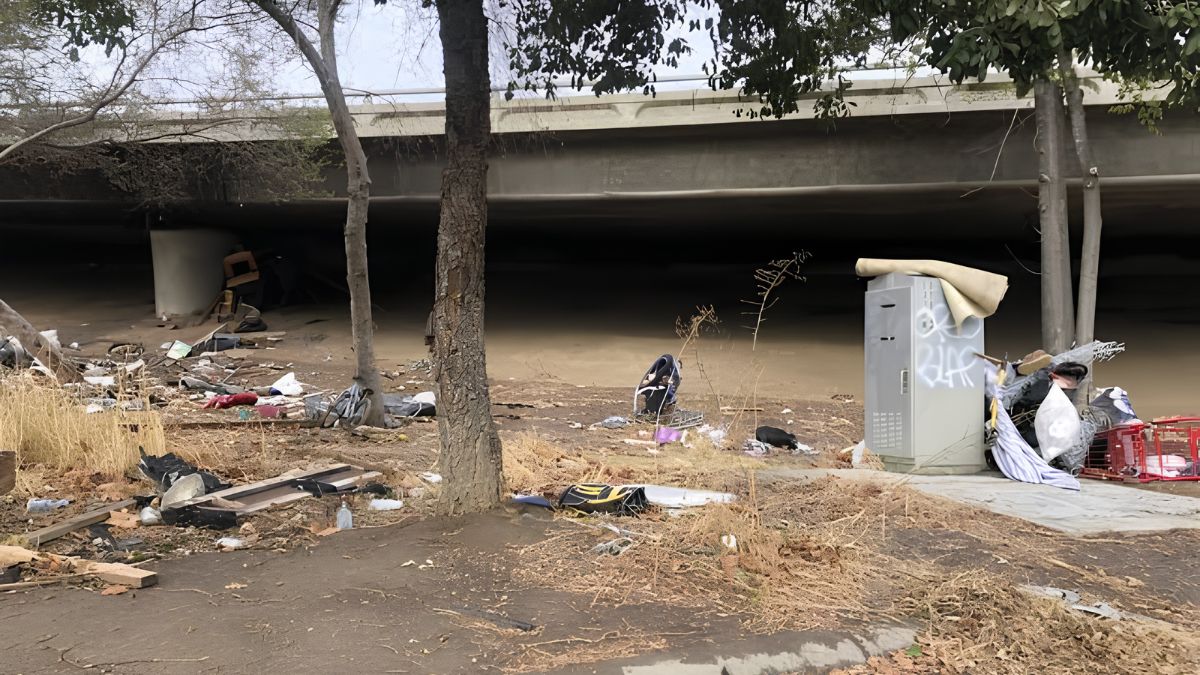
Illegal dumping, graffiti and neglected properties can affect the appearance, cleanliness and safety of a neighbourhood. In San Ysidro, residents who notice overflowing rubbish, discarded furniture, vandalism or poorly maintained properties can help address these problems by documenting what they see and reporting it to the appropriate agency.
The important first step is knowing where to send a complaint. A pile of rubbish on a public street may require a different response from debris on private property, while graffiti on a public facility may be handled differently from markings on a privately owned wall. By identifying the location, recording useful details and using official reporting channels, residents can make it easier for the responsible department to assess the problem.
Reporting
San Ysidro is a community within the City of San Diego, so many neighbourhood maintenance concerns can be reported through the city’s official service request system. Residents can start with the City of San Diego’s official website to find current reporting options for code enforcement, public right-of-way maintenance, graffiti and waste-related concerns.
When submitting a report, explain what happened, where it happened and whether the issue appears to be ongoing. Include the nearest street address or intersection, the type of concern and the date you observed it. Photographs can help illustrate the problem when they can be taken safely and lawfully.
Avoid assuming that every issue falls under the same department. Public property, private property, business premises and land managed by another public agency may have different reporting procedures. If you’re unsure, describe the issue clearly and ask the city to direct you to the appropriate service.
Dumping
Illegal dumping can include discarded mattresses, furniture, construction debris, household rubbish, tires and other materials left on streets, sidewalks, vacant lots or other unauthorized locations.
When reporting dumped waste, provide the precise location and describe the material as accurately as possible. Mention whether the rubbish blocks a sidewalk, creates a traffic hazard or appears to contain potentially dangerous substances. If you notice leaking chemicals, exposed sharp objects or other immediate hazards, explain that clearly in the report.
The City of San Diego’s Environmental Services Department provides information about city waste services and related programs. Residents can also check the city’s Get It Done service for available reporting options.
Do not handle unknown chemicals, medical waste or suspicious containers yourself. Avoid entering private property to investigate a dumping incident. If you witness illegal dumping, record relevant details from a safe, lawful location rather than confronting the person responsible.
Graffiti
Graffiti can appear on walls, utility boxes, signs, fences, public facilities and business premises. Reporting it promptly may help the responsible party arrange removal and prevent the markings from remaining visible for an extended period.
Residents can consult the City of San Diego’s graffiti information page for applicable reporting procedures and removal information.
When filing a report, identify the surface affected and provide its location. A photograph may help officials know the extent of the graffiti, but do not trespass or put yourself at risk to obtain one.
Ownership matters. Graffiti on city property may be handled through a municipal process, while markings on a privately owned building may require the property owner to arrange removal or follow applicable code enforcement requirements. If the affected property belongs to another public agency, that agency may need to handle the complaint.
If graffiti contains a credible threat or is connected to an active crime, contact law enforcement through the appropriate channel rather than relying solely on a routine maintenance request.
Maintenance
Property maintenance concerns can include accumulated rubbish, overgrown vegetation, deteriorating structures, unsecured buildings and other conditions that may violate applicable local requirements.
The appropriate response depends on the condition and the property’s location. A neglected private lot, for example, may require a code enforcement review, whereas a broken sidewalk or damaged public sign may fall under a city maintenance service.
Residents can begin by reviewing the city’s Code Enforcement information. This can help them understand how to raise concerns about potentially unsafe or noncompliant properties.
In a report, describe the visible condition rather than making assumptions about the owner’s intentions. For example, explain that rubbish has accumulated along a fence or that vegetation appears to obstruct a public walkway. Include how long the condition has been present, if known, and whether it appears to create a safety issue.
Renters who have concerns about maintenance inside their own homes may also need to notify their landlord or property manager in writing. Local code enforcement or other housing resources may be relevant if serious problems remain unresolved. The California Department of Consumer Affairs provides general consumer information, although the appropriate remedy depends on the specific housing issue.
Evidence
Good documentation can make a complaint easier to understand and investigate. Before submitting a report, gather the details that are available without putting yourself at risk.
- Location: Provide a street address, intersection or clear description of the site.
- Description: Explain the type and extent of the problem.
- Timing: Include when you first noticed it and whether it continues.
- Photographs: Attach clear images when the reporting system permits them.
- Safety: Note blocked access, sharp debris, traffic risks or other hazards.
- Reference number: Save the confirmation number if one is provided.
Keep your report factual. Avoid publishing accusations, identifying suspected individuals publicly or sharing private information about neighbours. If you did not personally witness an incident, distinguish what you observed from what someone else told you.
Follow-up
Submitting a complaint does not necessarily mean the issue will be resolved immediately. Reports may need to be reviewed, assigned to the appropriate department or inspected before officials determine what action is appropriate.
Save the submission confirmation and check for any status updates. If the problem remains, use the original case number when requesting an update. Explain whether the condition has changed or become more serious since the initial report.
If you accidentally report the concern to the wrong department, ask which agency handles that type of property or maintenance issue. Some locations may fall under county, state, federal or other public-agency responsibility rather than the City of San Diego.
Residents should also understand the difference between a routine service request and an emergency. Call 911 for an immediate threat to life, an active dangerous incident or an urgent hazard requiring emergency assistance. Non-emergency maintenance complaints should generally go through the relevant official reporting channel.
Prevention
Reporting problems is useful, but neighbourhood cooperation can also help reduce recurring issues. Residents can organize permitted cleanup events, encourage proper waste disposal and share official reporting information with neighbours.
Property owners and managers can help by maintaining waste storage areas, arranging timely rubbish collection, removing graffiti from their premises and keeping walkways clear. Businesses can review their waste disposal arrangements to discourage dumping around loading areas and parking lots.
Community groups should coordinate with property owners or relevant authorities before organizing cleanups or installing signs. Volunteers should never handle hazardous waste or enter restricted property. For larger dumping problems, professional removal may be necessary.
The most effective approach combines timely reporting, accurate information and realistic expectations. Residents do not need to investigate or resolve every problem themselves. Their role is to identify the concern, communicate it through the proper channel and provide useful follow-up information when needed.
San Ysidro residents can help maintain cleaner and safer neighbourhoods by reporting illegal dumping, graffiti and property maintenance concerns through the appropriate official channels. Start with the City of San Diego’s Get It Done service or the relevant departmental webpage, document the location and condition, and retain any case number for follow-up.
When an issue involves immediate danger, use emergency services instead of waiting for a routine complaint to be reviewed. Clear, factual reports help direct concerns to the people responsible for assessing them.
FAQs
Where can I report illegal dumping in San Ysidro?
Start with the City of San Diego’s Get It Done service.
How do I report graffiti?
Check the city’s official graffiti page for reporting instructions.
Can I report a neglected property?
Yes. Review the city’s Code Enforcement reporting information.
Should I take photos of the problem?
Yes, if you can do so safely and lawfully.
What if the hazard is an emergency?
Call 911 for an immediate threat to life or urgent danger.