Online ordering and in-store collection are becoming practical options for businesses that want to give customers more flexibility without relying entirely on delivery services. For San Ysidro business owners, introducing this service could help simplify shopping, reduce waiting times, and create another way to generate sales. However, the results depend on how well the service fits the business, its customers, and its daily operations.
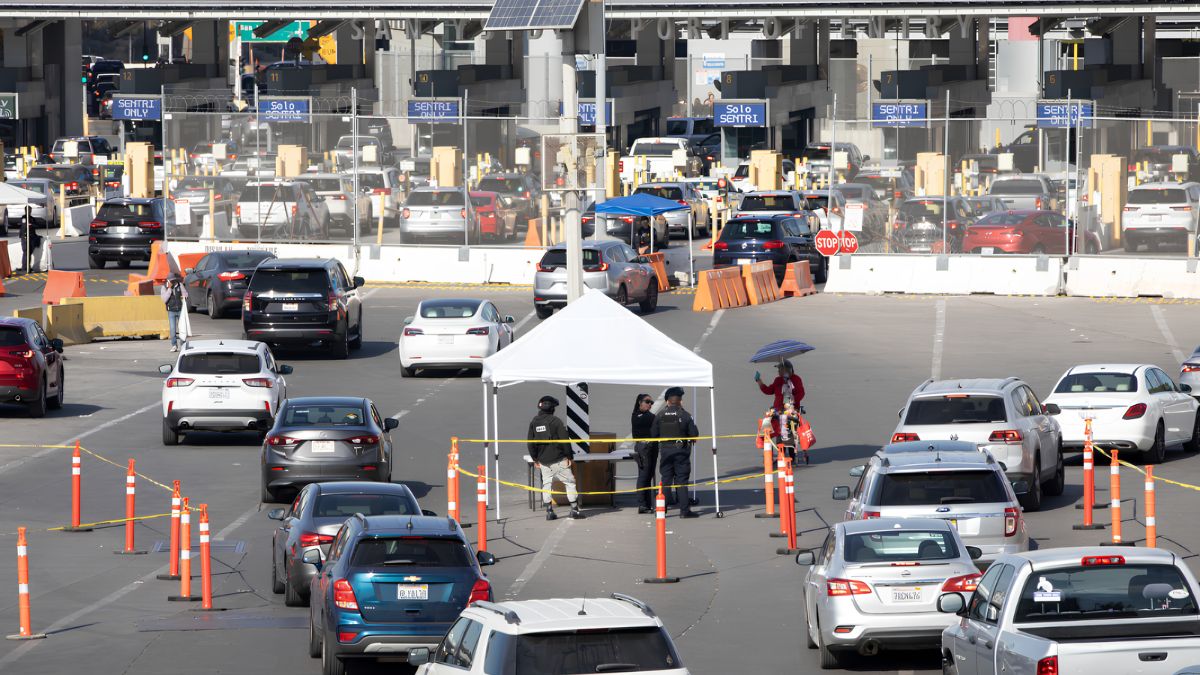
San Ysidro’s position near the United States-Mexico border creates a local business environment shaped by residents, commuters, cross-border visitors, and shoppers with different needs. Retail stores, restaurants, specialty shops, and other local businesses may benefit from allowing customers to order products online and collect them at a convenient time. Yet the same system can create challenges if inventory records are inaccurate, employees are unprepared, or collection procedures are unclear.
Before investing in an online ordering platform, business owners should assess customer demand, operating expenses, technology requirements, staffing, and applicable regulations. A carefully planned launch can make the transition easier to manage and help businesses determine whether the service delivers lasting value.
Demand
The first step is understanding whether customers want online ordering and in-store collection. Although the service may appear convenient, not every business has the same customer base or product range. A neighborhood grocery store may have different requirements from a clothing retailer or a restaurant serving customers during busy lunch periods.
Business owners can begin by reviewing customer feedback, sales patterns, and the busiest times of the day. If customers regularly ask whether they can reserve products, place orders by phone, or avoid waiting at checkout, these requests may indicate demand for a more structured collection service.
San Ysidro businesses should also consider the needs of customers who have limited time to shop. Clear collection windows and accurate product availability may help these customers plan their visits more effectively.
Rather than assuming the service will attract a large number of orders, owners can ask existing customers through brief surveys, social media posts, or conversations at checkout. This information can help determine which products to offer online and whether customers prefer advance payment or payment at collection.
Technology
The ordering platform will influence how customers interact with the business and how employees manage incoming purchases. A suitable system should display products clearly, provide accurate prices, accept secure payments where applicable, and explain when and where orders can be collected.
A custom-built website is not always necessary. Small businesses may be able to use an established e-commerce platform, an ordering application, or software that connects with their existing point-of-sale system. The right choice depends on the business’s size, budget, product range, and technical requirements.
Before selecting a provider, compare setup charges, monthly subscriptions, transaction fees, customer support, and integration options. Owners should also check whether the system works properly on smartphones, since customers may place orders while travelling or during short breaks.
The platform should make it easy to update product descriptions, prices, stock levels, and collection availability. If staff must manually enter every order into several different systems, the process may become time-consuming and increase the risk of mistakes.
Businesses can consult the U.S. Small Business Administration’s website for official guidance on managing business operations and evaluating practical business needs.
Inventory
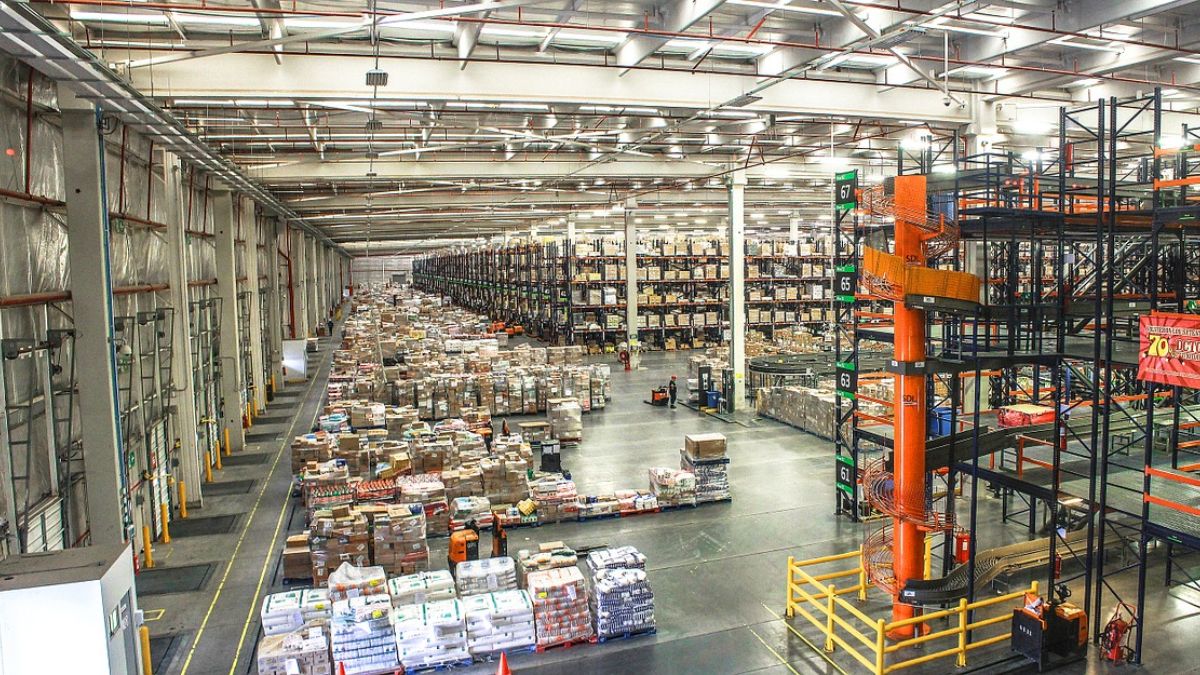
Accurate inventory management is essential for a reliable pickup service. A customer who pays for an item online expects it to be available when they arrive. If the product is missing or has already been sold in-store, employees must explain the problem and arrange an appropriate alternative, refund, or cancellation.
Ideally, the online ordering platform should synchronize with the business’s inventory system. When an item sells in-store, its online availability should update automatically. This reduces the likelihood of accepting orders for products that are no longer in stock.
Businesses without integrated systems can still offer collection, but they need a consistent procedure for checking stock and updating availability. Staff should know who is responsible for reviewing orders, confirming product quantities, and communicating any shortages.
Owners should also determine which products are suitable for online collection. Fragile goods, perishable food, made-to-order items, and products requiring special preparation may need additional handling instructions.
A clear substitution policy can prevent misunderstandings. Customers should know whether the business will contact them before replacing an unavailable product and whether they can request a refund instead.
Costs
Online ordering can create additional sales opportunities, but revenue alone does not determine whether the service is financially worthwhile. Business owners need to account for the expenses associated with preparing, processing, and handing over each order.
Common costs include website setup, software subscriptions, payment processing, packaging, employee training, promotional campaigns, and additional labor. Some businesses may also need to reorganize their premises or purchase equipment to store prepared orders safely.
A basic financial forecast can help owners evaluate the potential return. They should estimate weekly order volume, average order value, preparation time, packaging expenses, and the additional profit generated by each transaction.
| Expense | What business owners should evaluate |
|---|---|
| Software | Setup fees, subscriptions, and maintenance |
| Payments | Processing charges and possible refund fees |
| Staffing | Time spent picking, checking, and packing orders |
| Packaging | Bags, containers, labels, and protective materials |
| Marketing | Advertising, promotions, and customer communication |
| Returns | Cancellations, substitutions, and order corrections |
For example, a store may receive more orders but discover that employees spend too much time preparing small purchases during peak hours. In that situation, the additional revenue may not justify the extra workload.
The goal is to understand the cost per order and determine whether the service can operate profitably without weakening the business’s existing operations.
Staffing
Employees play a central role in making online collection work. Even when customers place orders through an automated system, staff members still need to locate products, verify quantities, prepare packages, and make sure orders reach the correct customers.
Before launching, business owners should establish a clear workflow. This should explain how orders are received, who prepares them, where completed purchases are stored, and how customers are notified when collection is available.
Responsibilities should be assigned in advance, particularly during busy periods. Without a defined process, employees may prioritize walk-in customers over online orders or struggle to manage both groups simultaneously.
Training should cover more than the ordering software. Staff need guidance on incomplete orders, product substitutions, cancellations, customer questions, and refunds. They should also know how to escalate problems when an order cannot be completed as promised.
Smaller businesses may not need additional employees at first. However, they should measure how much time each order takes and determine whether existing staff can manage the workload without affecting other responsibilities.
A phased launch can help identify staffing issues before order volumes increase. Businesses can begin with a limited number of collection slots and adjust availability according to the team’s capacity.
Collection
The collection process should be straightforward from the customer’s perspective. Customers need to know when their purchases will be ready, where to go, and what information they must provide to receive an order.
A designated pickup point can help separate online collections from regular checkout activity. Depending on the store layout, this could be a dedicated counter, a clearly marked service area, or an existing checkout with a separate procedure for prepared orders.
Businesses should send an order confirmation after receiving a purchase and another notification when it is ready for collection. These messages should include the expected collection time, operating hours, and instructions for contacting the store if the customer needs assistance.
It is also important to establish rules for late arrivals and uncollected purchases. For example, a business selling fresh food may need shorter collection windows than a store selling household products. Customers should understand these conditions before placing an order.
San Ysidro businesses should assess local access conditions as well. Parking availability, pedestrian access, entrance locations, and congestion during busy periods can affect how convenient collection feels. A well-designed online system will have limited value if customers cannot easily identify where to collect their purchases.
Compliance
Legal and regulatory requirements should be reviewed before the service becomes operational. Depending on the products sold and the way orders are processed, businesses may need to consider consumer protection, sales tax, privacy, accessibility, and payment security requirements.
California businesses can consult the California Department of Tax and Fee Administration for official information about sales and use tax obligations. The applicable rules depend on the transaction, the products sold, and the business’s circumstances.
Online ordering also involves collecting customer information, which may include names, contact details, addresses, and transaction records. Businesses should collect only the information they need, explain how it will be used, and take appropriate steps to protect it.
The Federal Trade Commission’s business guidance provides official information about privacy, data security, advertising, and consumer protection. Owners should review relevant guidance when choosing software and designing customer communications.
Accessibility also deserves attention. Customers should be able to navigate the ordering process, know product information, and find collection instructions without unnecessary barriers. The U.S. Department of Justice’s ADA guidance explains the department’s position on website accessibility under the Americans with Disabilities Act.
Restaurants and food retailers should separately review applicable food safety requirements, including proper storage temperatures, allergen communication, packaging, and safe handling. Requirements can vary according to the business and products involved, so owners should confirm which rules apply to their operations.
Marketing
Launching an ordering service does not guarantee that customers will use it. Businesses need to explain what the service offers and show customers how to place and collect an order.
A business website can provide ordering instructions, available products, collection hours, and answers to common questions. Social media pages and email newsletters can help inform existing customers about the launch. In-store signs can also introduce the service to shoppers who may not regularly visit the website.
Marketing messages should focus on practical benefits, such as ordering in advance, checking product availability, and collecting purchases at a selected time. Avoid promising that orders will always be ready immediately unless the business can consistently meet that expectation.
A limited introductory promotion may encourage customers to try the service. However, owners should calculate the cost of discounts and avoid setting prices that make orders unprofitable.
Businesses serving San Ysidro’s diverse customer base may also consider providing essential ordering instructions in both English and Spanish. Clear language can reduce confusion about payment, collection times, substitutions, and refund procedures.
After launch, customer feedback can reveal which parts of the process need improvement. Owners should review complaints and questions regularly rather than treating marketing as a one-time announcement.
Testing
A pilot program can help business owners evaluate the service before making it available across their entire product range. Instead of launching with hundreds of items and unlimited collection times, a business could begin with its most popular products and a small number of daily pickup slots.
During the trial, record how many orders are received, how long preparation takes, how often mistakes occur, and whether customers collect their purchases on time. Track cancellations, refunds, customer satisfaction, and the additional profit generated by the service.
These measures can reveal problems that may not be obvious during planning. For example, a high number of orders could appear encouraging until preparation delays begin affecting regular customers or employees spend too much time correcting stock discrepancies.
The trial should also test the entire customer journey, from placing an order to receiving the products. Staff can place test orders, review confirmation messages, check payment records, and verify that pickup instructions are easy to follow.
Once the process is stable, businesses can expand their product selection or increase the number of collection windows. If the pilot reveals persistent problems, it may be better to improve the workflow before accepting more orders.
Measurement
After the initial launch, ongoing measurement helps determine whether online ordering remains useful. Business owners should review performance regularly and compare results with the goals established before implementation.
Useful indicators include the number of completed orders, average order value, preparation time, order accuracy, repeat purchases, and customer feedback. Financial measures should include the cost of fulfilling each order and the additional gross profit generated.
Owners should also compare online collection with existing sales channels. If online orders simply replace purchases that customers would otherwise have made in-store, the service may offer convenience without producing much additional revenue. It may still be valuable, but that benefit should be understood alongside its costs.
Feedback from employees is equally important. Staff members can identify recurring delays, unclear procedures, and inventory problems that sales figures alone may not reveal.
Regular reviews allow businesses to make measured adjustments. These could include changing collection times, limiting certain products, improving notifications, or selecting a platform with better inventory integration.
Planning
Before introducing online ordering and in-store collection, San Ysidro business owners should establish what success would look like for their particular operation. For one business, the priority may be reducing queues. For another, it could be reaching customers who cannot visit during regular shopping hours or making product availability easier to check.
The best approach will depend on the products sold, available staff, customer preferences, and the cost of fulfilling orders. Businesses do not need to introduce every feature at once. Starting with a manageable service, reviewing the results, and making adjustments can reduce unnecessary spending and operational disruption.
Online ordering and in-store collection can provide a useful additional sales channel when supported by accurate inventory, clear communication, reliable technology, and practical staff procedures. By examining these factors before launch, local business owners can make informed decisions about whether the service fits their goals and how to introduce it in a way that supports both customers and day-to-day operations.
FAQs
Is online ordering suitable for small San Ysidro businesses?
Yes. Small businesses can start with affordable platforms and limited pickup options.
What is the biggest challenge with in-store pickup?
Inventory accuracy and efficient order preparation are common challenges.
Do businesses need a custom ordering website?
No. Existing e-commerce platforms may provide the necessary features.
How can businesses reduce pickup delays?
Use scheduled collection slots, clear workflows, and timely order notifications.
Should businesses test online ordering before a full launch?
Yes. A pilot program helps identify problems before expanding the service.