San Ysidro offers visitors an opportunity to explore Mexican food traditions, including the pastries and breads commonly found in neighborhood panaderías. These bakeries serve a variety of sweet breads, filled pastries, cookies, and savory baked goods that reflect regional recipes and everyday Mexican food culture.
For anyone unfamiliar with Mexican bakery terminology, choosing something from the counter can involve a few questions. What is a concha? How does a cuernito differ from a croissant? Which pastries contain custard, fruit, or cinnamon, and which are best enjoyed with coffee?
Knowing common bakery names, ingredients, and serving styles can make the experience easier. Whether you are visiting San Ysidro for shopping, meeting friends, or exploring local food businesses, knowing what to look for can help you discover pastries that suit your preferences.
Panaderías
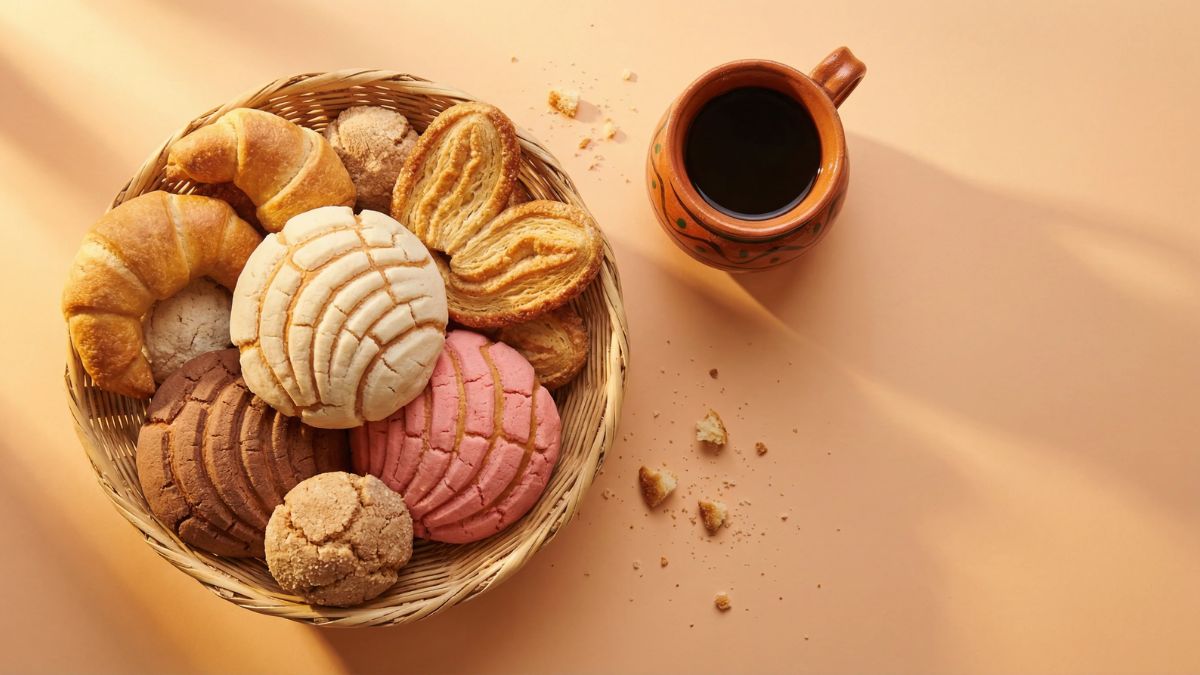
A panadería is a bakery, and it is one of the best places to begin exploring traditional Mexican baked goods. Many panaderías sell pan dulce, a broad term for sweet bread and pastries that come in different shapes, textures, and flavors.
Some bakeries arrange their products on trays behind a counter, while others allow customers to select pastries using a tray and tongs. The process varies by establishment, so look for signs or ask an employee if you are unsure how to order.
A typical bakery selection may include sweet rolls, sugar-topped breads, filled pastries, cookies, and savory options. Some products are baked fresh throughout the day, while others may be prepared in the morning and replenished as needed.
In San Ysidro, individual bakeries may offer a mix of traditional Mexican favorites and other popular baked goods. Recipes and product names can vary by region, family tradition, and bakery, so the same name may describe slightly different versions of a pastry.
Conchas
What to expect: Soft sweet bread with a patterned sugar topping.
Conchas are among the best-known types of Mexican pan dulce. Their name means “shells” in Spanish, referring to the decorative pattern pressed into the sweet topping.
A traditional concha consists of a soft, lightly sweetened bread roll covered with a crumbly topping made from ingredients such as flour, sugar, and fat. The topping is commonly white or chocolate-colored, although bakeries may offer additional flavors and colors.
The bread itself is generally tender rather than flaky. The topping adds a slightly crisp or crumbly texture, creating a contrast with the soft interior.
Conchas are often eaten at breakfast or as an afternoon snack. They pair well with coffee, hot chocolate, or milk. Some people dip pieces into a warm drink, while others prefer to eat them on their own.
If you are choosing your first concha, a traditional vanilla-style or chocolate-style topping is a useful starting point. Bakeries may also sell variations with different fillings or flavored dough.
Cuernitos
What to expect: A crescent-shaped pastry with a soft or lightly flaky texture.
Cuernitos are crescent-shaped baked goods whose name translates roughly to “little horns.” Depending on the bakery and recipe, they may resemble a soft bread roll or a richer, more laminated pastry.
Their texture and ingredients are not always the same as those of a French croissant. Some Mexican cuernitos are relatively soft and bread-like, while other versions are buttery and flaky.
Sweet versions may have a lightly sugary finish, while savory varieties can be served with fillings or used to make small sandwiches. Some bakeries offer cuernitos alongside other breakfast breads and pastries.
If you want something less sweet than a concha, ask whether the bakery’s cuernitos are plain, sweetened, or filled. The answer can help you decide whether the pastry is better suited to breakfast, a snack, or a light meal.
Orejas
What to expect: Thin, crisp layers with a sweet, caramelized finish.
Orejas are pastries named for their ear-like shape. They are commonly made from layered dough coated with sugar and baked until the outside becomes crisp and golden.
The texture is usually lighter and crunchier than that of a concha. Sugar caramelizes during baking, creating a sweet exterior and delicate layers that can break apart easily.
Orejas are often compared with palmiers found in French-style bakeries. Although the shapes and preparation methods are similar, recipes and finishing techniques can differ.
These pastries are convenient for eating with coffee or tea because they are relatively light and do not generally require a filling. They can also be a good option for customers who prefer crisp pastries over soft, bread-like sweet rolls.
Empanadas
What to expect: Pastry dough filled with sweet or savory ingredients.
Mexican bakery empanadas are pastries made by enclosing a filling inside dough before baking. Their shape, crust, and filling depend on the bakery’s recipe and regional traditions.
Sweet versions may contain fruit preserves, pumpkin, pineapple, or other sweet fillings. Some have a sugar-coated exterior, while others are finished with a simple golden crust.
Savory empanadas may contain ingredients such as meat, cheese, or vegetables, although their availability varies by bakery.
Because the word empanada describes a broad family of filled pastries, it is worth asking about the filling before ordering. A bakery may use the same general name for products with very different flavors and textures.
Empanadas are useful when you want something more substantial than a small sweet roll. Depending on the filling and portion size, they can work as a snack, a breakfast item, or part of a light meal.
Orejas vs. Conchas
Although both are popular bakery choices, orejas and conchas offer different eating experiences.
| Feature | Orejas | Conchas |
|---|---|---|
| Main texture | Crisp and layered | Soft bread with a crumbly topping |
| Typical flavor | Sweet, caramelized | Mildly sweet, often vanilla or chocolate |
| Shape | Flat, layered, ear-like | Round, with a shell-like pattern |
| Common pairing | Coffee or tea | Coffee, milk, or hot chocolate |
| Best suited for | A crisp, light pastry | A soft, filling sweet bread |
If you enjoy crunchy pastries, orejas may be the better choice. If you prefer a soft interior with a sweet topping, a concha is often a good option.
Churros
Churros are fried dough pastries that are widely enjoyed in Mexico and other Spanish-speaking countries. They are commonly shaped into long ridged pieces, fried until golden, and coated with sugar. Some versions also include cinnamon.
Depending on the vendor or bakery, churros may be served plain, filled with a sweet cream or fruit-based filling, or accompanied by a dipping sauce.
Their exterior is usually crisp, while the inside remains soft. This texture makes churros different from most baked pan dulce, even though both are common sweet treats.
In San Ysidro, availability will depend on the individual business. Some establishments may prepare churros fresh to order, while others may offer them as part of a broader selection of Mexican desserts.
If you prefer warm pastries, ask whether the churros are freshly prepared. For filled varieties, check which filling is used and whether the product is served warm or at room temperature.
Polvorones
Polvorones are crumbly cookies found in many Mexican bakeries. Their name is related to the Spanish word polvo, meaning powder, which reflects the delicate, crumbly texture associated with these sweets.
Recipes vary, but polvorones often contain flour, sugar, and fat, with some versions including nuts, cinnamon, or other flavorings. Their texture can range from tender and sandy to slightly crisp, depending on the ingredients and baking method.
Some Mexican bakeries sell colorful, sugar-coated versions, while others offer more understated cookies. The term may also refer to related crumbly sweets with different shapes and regional recipes.
Polvorones are generally easy to carry and can be served with coffee or tea. They are a practical choice if you want something smaller than a pastry or sweet bread.
Because these cookies can contain nuts or other allergens depending on the recipe, customers with food allergies should confirm the ingredients with the bakery before buying.
Ingredients
Understanding common ingredients can help you choose pastries that suit your preferences.
Traditional Mexican sweet breads often use flour, sugar, eggs, milk, butter, shortening, yeast, or baking powder, depending on the recipe. Toppings and fillings may include cinnamon, chocolate, vanilla, fruit preserves, pumpkin, or sweetened cream.
However, not every pastry contains the same ingredients. Some recipes use butter, while others rely on shortening or other fats. Certain products may also contain nuts, dairy, eggs, or wheat.
If you are avoiding a particular ingredient, ask bakery staff for information rather than relying on the pastry’s appearance or name. A chocolate-colored topping, for example, does not necessarily reveal every ingredient used in its preparation.
Customers with severe food allergies should also ask about cross-contact during preparation. A bakery may handle several products using the same equipment or work surfaces, making it important to confirm whether a particular item can be prepared safely.
For customers following vegetarian, vegan, or other dietary preferences, ingredient questions can be especially useful because traditional recipes and modern adaptations vary between bakeries.
Ordering
Buying pastries at a panadería is usually straightforward, but the process can differ between businesses.
Some bakeries let customers select items with a tray and tongs, then take their selection to the cashier. Others have employees serve products from behind a counter. If you are uncertain, observe how other customers order or ask a staff member for assistance.
When choosing unfamiliar pastries, you can start with one or two items rather than buying a large assortment. This allows you to compare flavors and textures without ordering more than you need.
Useful questions include:
- What is this pastry called?
- Does it contain a filling?
- Is it sweet or savory?
- Does it contain nuts, dairy, or eggs?
- Was it baked today?
- Is it normally served warm or at room temperature?
If you are buying pastries for a group, consider choosing a mix of textures. Conchas provide a soft, sweet option, orejas offer a crisp pastry, and empanadas can add a fruit-filled or savory choice.
Prices, portion sizes, and availability vary by establishment, so check the displayed prices or ask before purchasing.
Pairings
Mexican bakery specialties can be enjoyed in several ways, depending on the pastry and the time of day.
Coffee is a common pairing for sweet bread, especially during breakfast or an afternoon break. Hot chocolate also complements pastries such as conchas, while milk can work well with lightly sweetened breads and cookies.
Crisp pastries such as orejas often pair well with coffee or tea because their caramelized sweetness contrasts with the drink’s bitterness. Fruit-filled empanadas may be served on their own, while savory versions can be eaten as a more substantial snack.
Some families enjoy pan dulce as part of a relaxed breakfast or an evening gathering. Others purchase individual pastries to take home or share with friends.
There is no single serving style that applies to every Mexican bakery product. Asking how a particular item is traditionally eaten can be a useful way to learn about its ingredients and local variations.
Finding
When looking for Mexican bakery specialties in San Ysidro, begin by exploring local panaderías and checking their current selections. Product availability, recipes, opening hours, and prices vary, so it is sensible to confirm details directly with the business before making a special trip.
A useful starting point is to search for bakeries in the San Ysidro area and review their published menus, customer information, or social media updates. You can also ask residents and local business staff which establishments sell the types of pastries you want to try.
Rather than expecting every bakery to offer the same products, approach the selection as an opportunity to discover different recipes. One establishment may specialize in traditional sweet breads, while another may offer filled pastries, cookies, cakes, or savory baked goods.
Knowing the names helps you ask better questions and choose items that match your preferences. Whether you start with a concha, try a crisp oreja, or select a fruit-filled empanada, looking into Mexican bakery specialties can provide a useful introduction to the food traditions represented in San Ysidro.
FAQs
What is pan dulce?
Pan dulce is a general term for Mexican sweet breads and pastries.
What does a concha taste like?
It is a soft, mildly sweet bread topped with a crumbly sugar layer.
Are Mexican bakery empanadas sweet or savory?
They can be either, depending on the filling and bakery recipe.
What is the difference between orejas and conchas?
Orejas are crisp and layered, while conchas are soft sweet breads.
How can I check pastry ingredients?
Ask bakery staff about fillings, allergens, and preparation methods.