Preparing Mexican meals at home can be easier when your shopping list reflects the dishes you plan to cook, the ingredients already in your kitchen, and the products available at nearby stores. For households in San Ysidro, where grocery options may include supermarkets, neighborhood markets, and Mexican grocery stores, planning ahead can help reduce food waste, control spending, and make weekday cooking more manageable.
The process does not need to be complicated. Start by choosing a few meals for the week, checking which ingredients you already have, and identifying the fresh produce, pantry staples, proteins, and seasonings you need to purchase. Then adjust the menu according to ingredient availability and how quickly different foods should be used.
This approach is particularly useful for Mexican home cooking because many dishes share ingredients. Tomatoes, onions, garlic, cilantro, chiles, beans, rice, tortillas, and limes can appear in several meals, making it possible to shop efficiently without preparing the same dish every day.
Planning
Begin with your weekly schedule rather than writing a shopping list immediately. Consider which days you will have time to cook, when you expect to be busy, and whether you need meals that can be prepared in advance.
For example, a household with more time on Sunday might prepare beans, cook rice, wash produce, and make a salsa for use during the next few days. On a busy weekday, those ingredients could become part of tacos, burrito bowls, or quesadillas with relatively little additional preparation.
Choose a realistic number of meals. Planning seven different dinners may create unnecessary work, especially if several recipes require ingredients that are difficult to use elsewhere. Instead, select three or four main dishes and plan how leftovers or shared ingredients can support other meals.
A weekly schedule could include chicken tacos on Monday, bean-and-vegetable tostadas on Tuesday, chicken soup on Wednesday, and enchiladas later in the week. The specific dishes can change according to household preferences, available ingredients, and budget.
The important point is to plan around the time you have available. A useful shopping list should support your actual routine rather than an ideal schedule that is difficult to maintain.
Availability
Ingredient availability should influence the menu before you shop. Some products, such as dried beans, rice, canned tomatoes, and common spices, can usually be stored for longer periods. Fresh produce, herbs, meat, and seafood require more attention to timing and storage.
San Ysidro households may shop at different types of stores depending on their location, transportation, preferred brands, and cooking habits. A supermarket may be convenient for bulk purchases and household staples, while a Mexican grocery store may offer particular chiles, fresh tortillas, specialty cheeses, or regional ingredients.
However, availability varies by individual store and season. Do not assume that every market carries the same selection or that a specific ingredient will always be in stock.
Before building a meal around an unfamiliar or specialty product, check the store’s current selection when practical. If an ingredient is unavailable, consider a suitable alternative that preserves the dish’s general flavor and purpose.
For example, if a particular fresh chile is unavailable, another chile may work depending on the heat level and flavor you want. If fresh tomatoes are expensive or poor in quality, canned tomatoes may be suitable for certain cooked sauces and soups.
Substitutions should be based on the recipe. A replacement that works in a stew may not produce the same result in a fresh salsa.
Schedule
Organize meals according to when ingredients should be used. This can help prevent fresh food from spoiling before you have a chance to cook it.
Meals that use delicate herbs, ripe avocados, leafy greens, or other highly perishable ingredients may be better scheduled earlier in the week. Dishes based on dried beans, rice, canned tomatoes, and frozen vegetables offer more flexibility.
Consider the following sample schedule.
| Day | Planned meal | Main ingredients |
|---|---|---|
| Monday | Chicken tacos | Chicken, tortillas, onion, cilantro, lime |
| Tuesday | Bean tostadas | Beans, tostadas, lettuce, tomato, cheese |
| Wednesday | Chicken and vegetable soup | Chicken, carrots, potatoes, onion, broth |
| Thursday | Vegetable quesadillas | Tortillas, cheese, peppers, onions |
| Friday | Enchiladas | Tortillas, beans or chicken, sauce, cheese |
| Saturday | Mexican-style rice bowls | Rice, beans, salsa, vegetables |
| Sunday | Flexible leftovers or a new recipe | Remaining suitable ingredients |
This is an example rather than a fixed menu. Households can change the meals to suit dietary requirements, preferences, and the number of people being served.
The schedule also demonstrates how ingredients can be reused. Onions appear in several dishes, tortillas serve multiple purposes, and chicken prepared earlier can become part of another meal if it is stored and handled safely.
Inventory
Before going shopping, check your refrigerator, freezer, and pantry. This step prevents you from buying ingredients you already have and helps identify products that should be used soon.
Divide the inventory into a few practical categories:
- Pantry: Rice, dried beans, canned tomatoes, broth, cooking oil, and spices.
- Refrigerator: Eggs, cheese, fresh vegetables, cooked foods, and sauces.
- Freezer: Frozen vegetables, frozen meat, and other stored ingredients.
- Seasonings: Cumin, oregano, chile powder, garlic, and other spices used in your usual recipes.
Check quantities rather than simply noting whether an ingredient is present. Half a bag of rice may be enough for several meals, while a nearly empty bottle of cooking oil may need replacing.
Review product dates and food condition as well. Do not rely only on appearance or smell to determine whether potentially unsafe food is suitable to eat. Follow food safety guidance and discard products that may have been stored improperly.
For leftovers, record what needs to be used first and incorporate suitable items into the week’s schedule. This can reduce waste while making the next shopping trip more accurate.
Staples
A reliable selection of pantry staples makes Mexican home cooking easier because many recipes use the same basic ingredients.
Rice, beans, tortillas, canned tomatoes, cooking oil, onions, garlic, and dried spices can form the foundation of a variety of meals. The quantities you need will depend on your household size, how frequently you cook, and whether you prepare food in batches.
Dried beans may be economical for households that have time to soak and cook them. Canned beans offer convenience when preparation time is limited. Both can work in many everyday recipes.
Tortillas also deserve some planning. Corn and flour tortillas have different flavors and textures, and the best option depends on the dish and personal preference. Check package sizes and storage instructions so you purchase enough without leaving more than you can reasonably use.
For specialty ingredients such as dried chiles, masa harina, or Mexican cheeses, buy quantities appropriate for the recipes you intend to prepare. Specialty products can be useful pantry additions, but buying too many unfamiliar ingredients at once may increase costs and leave unused packages in storage.
Produce
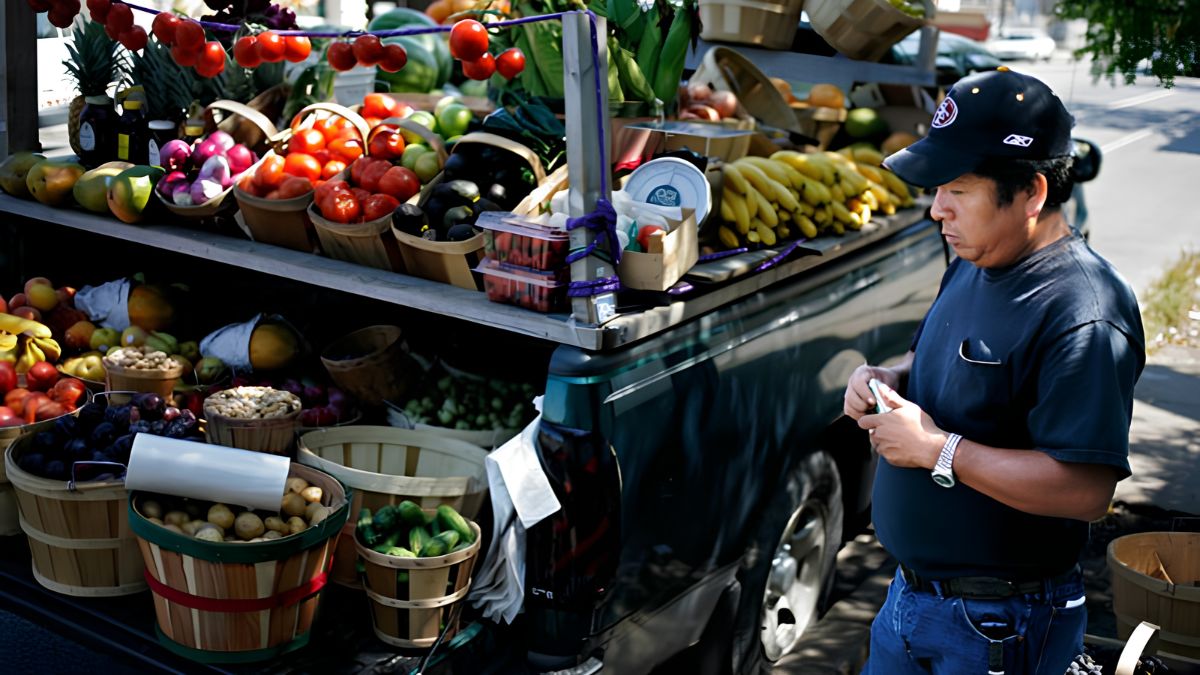
Fresh produce can influence both the flavor and cost of a weekly menu. Tomatoes, onions, garlic, cilantro, limes, peppers, and avocados are common ingredients in many Mexican-inspired home meals, although individual recipes vary considerably.
Choose produce according to how you plan to use it. Firm tomatoes may be suitable for cooking, while ripe tomatoes may work better in a fresh salsa. Cilantro and leafy vegetables usually require more careful storage than onions or whole winter squash.
Seasonal availability can also affect prices and quality. If a planned vegetable is expensive or unavailable, consider another ingredient that suits the dish rather than buying produce that may go unused.
Separate your list into ingredients that can be purchased in advance and items that may be better bought closer to cooking day. For example, pantry staples can often be purchased during a larger weekly shop, while delicate produce may need a smaller midweek purchase.
Keep food safety in mind when preparing vegetables. Wash produce under running water before use, and store cut ingredients appropriately.
Budget
A shopping list can support a budget when it connects ingredients to actual meals. Rather than buying items simply because they are discounted, estimate how much each planned dish requires and compare the cost of the ingredients.
Start with the foods you already own, then calculate the additional quantities needed. If a recipe calls for one onion and another requires half an onion, plan the purchase around the combined amount.
Compare package sizes and unit prices where possible. A larger package may cost less per unit, but it is not necessarily a better value if the food will expire or remain unused.
You can also adjust the week’s menu to balance more expensive ingredients with lower-cost options. Beans, lentils, rice, eggs, and seasonal vegetables can contribute to filling meals, while meat can be used in portions appropriate for the household and recipe.
Avoid assuming that every meal must be made entirely from scratch. Canned beans, prepared broth, frozen vegetables, or store-bought tortillas can save time and may fit a household’s budget.
The best plan balances ingredient cost, cooking time, food quality, and the likelihood that the household will actually eat what is prepared.
Preparation
Once the shopping is complete, a small amount of preparation can make weekday meals easier to manage.
You might wash produce, portion meat, prepare a sauce, or cook a batch of beans and rice. However, batch preparation should follow safe storage practices. Refrigerate perishable foods promptly, use suitable containers, and avoid leaving cooked food at room temperature for extended periods.
For additional guidance, the U.S. Department of Agriculture’s Food Safety and Inspection Service provides official advice on food storage, safe preparation, and handling leftovers.
It can also help to group ingredients according to the meals they support. Keep taco ingredients together on your list, for example, and note which items will also be used in soup or quesadillas.
Labeling prepared foods with the date can help you track storage time. Plan to use refrigerated leftovers promptly and freeze suitable portions when they will not be needed within the recommended storage period.
Preparation should remain manageable. Cooking several components in advance is useful only if it saves time without creating unnecessary work or increasing food waste.
Shopping
When you shop, follow the list but allow reasonable flexibility. If an ingredient is unavailable, consider whether the recipe can be adjusted or whether the meal should be moved to another day.
Buy perishable foods in quantities that match your schedule, and check packaging and storage instructions before purchasing meat, dairy products, and other foods requiring refrigeration.
If you visit more than one store, group purchases by location and priority. For example, buy pantry staples where the price and selection suit your needs, then purchase specialty ingredients at a store that reliably carries them.
Keep your shopping list updated during the week. If you finish the last of the rice or notice that you are running low on cooking oil, add it to the next list instead of relying on memory.
Over time, the process becomes easier because you learn which ingredients your household uses regularly, which stores carry them, and which recipes fit your schedule.
Routine
Planning a Mexican home-cooking shopping list in San Ysidro works best when meal selection, ingredient availability, and household routines are considered together. A weekly schedule provides direction, an inventory check prevents unnecessary purchases, and a flexible list helps you respond to changing prices or stock.
Start with familiar recipes, use shared ingredients across several meals, and buy specialty products according to actual needs. Keep an eye on freshness and safe storage, and adjust the plan when your schedule changes.
With a consistent routine, grocery shopping can become more organized and predictable. The result is not simply a fuller refrigerator, but a practical selection of ingredients that supports the meals you intend to prepare, fits your budget, and helps reduce avoidable food waste.
FAQs
How should I start a Mexican meal shopping list?
Plan your meals, check existing ingredients, and list only what you need.
Which Mexican cooking staples should I keep at home?
Rice, beans, tortillas, onions, garlic, tomatoes, oil, and spices are useful staples.
How can I reduce food waste during weekly shopping?
Schedule perishable ingredients early and reuse suitable ingredients across meals.
Should I change recipes when ingredients are unavailable?
Yes, when a suitable substitute preserves the dish’s intended flavor and texture.
How can I keep my grocery budget manageable?
Check pantry supplies, compare unit prices, and buy quantities you can use.