
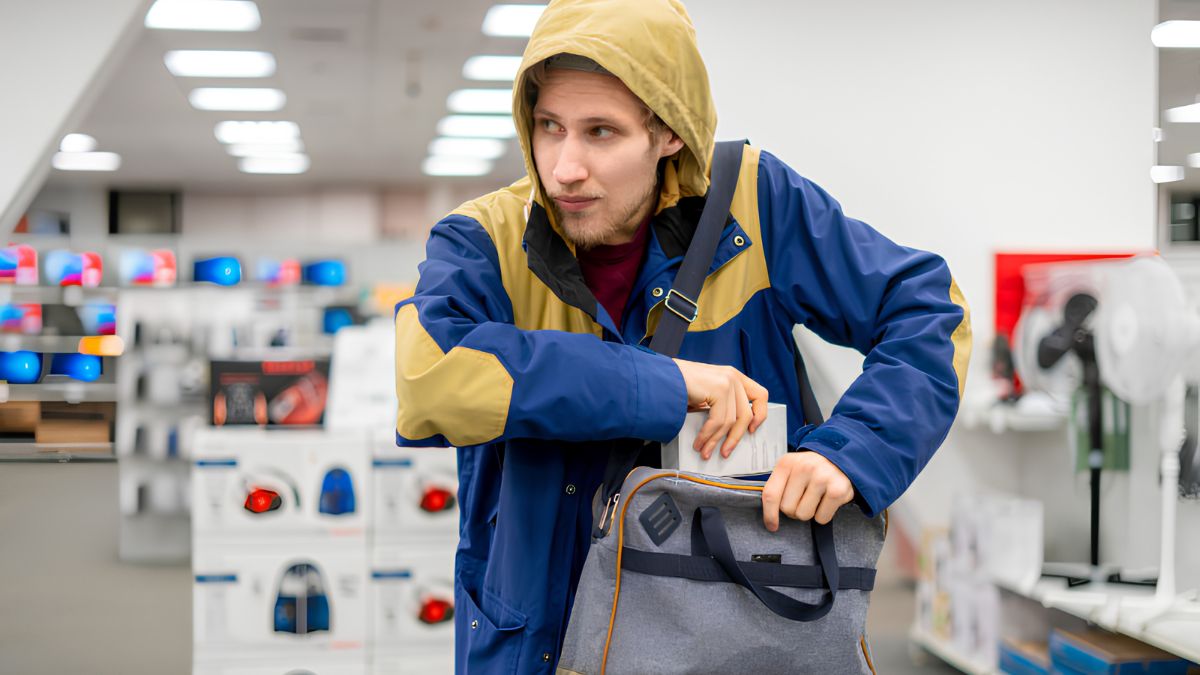
Shoplifting can create financial and operational challenges for small businesses, particularly retailers managing limited staffing, tight margins, and busy customer areas. In San Ysidro, where local shops serve residents, cross-border visitors, and shoppers from across the San Diego region, preventing theft requires a practical approach that protects merchandise without undermining the customer experience.
For independent retailers, convenience stores, clothing shops, beauty supply stores, and specialty retailers, the challenge is finding the right balance. Security measures should discourage theft, help employees respond safely, and allow genuine customers to browse and shop comfortably.
A successful loss-prevention strategy does not depend on confrontation or excessive surveillance. Instead, it combines thoughtful store layout, employee training, inventory controls, appropriate technology, and clear procedures for handling suspicious activity. With consistent practices, small businesses can reduce preventable losses while maintaining a welcoming atmosphere.
Assess
Before investing in security equipment or changing store procedures, business owners should identify where losses are occurring and which areas need attention.
Start by reviewing inventory records, sales reports, damaged merchandise, and discrepancies between expected and actual stock. Repeated shortages involving particular products may indicate theft, recording errors, supplier discrepancies, or mistakes during checkout. Investigating the underlying cause is more useful than automatically treating every missing item as shoplifting.
Walk through the store during different operating hours and observe how customers move through the space. Are some shelves difficult for employees to monitor? Are expensive products displayed near exits? Do promotional displays obstruct visibility? Are staff members frequently occupied with checkout tasks while other areas remain unattended?
These observations can help managers identify practical improvements without making major changes to the premises.
Businesses should also consider their operating environment. A convenience store with frequent customer turnover may need different procedures from a boutique selling higher-value products. Security measures should reflect the merchandise, store size, staffing levels, and documented patterns of loss.
Arrange
Store layout plays an important role in theft prevention. A well-organized retail space makes products easier to locate, improves employee visibility, and helps customers navigate the store comfortably.
Where practical, position checkout counters so employees can see important sections of the sales floor. Keep aisles clear, maintain adequate lighting, and avoid placing tall displays where they block views of entrances, exits, or merchandise areas.
Higher-value or frequently missing products may benefit from placement near staffed counters or within clearly visible display areas. Secure cabinets can be appropriate for selected items, but using them excessively may inconvenience customers and slow down legitimate purchases.
Mirrors and carefully positioned displays can improve visibility in areas that are difficult to observe directly. However, they should complement, rather than replace, sensible store organization and attentive customer service.
Clear signage can also help. Notices explaining that the premises use security cameras or electronic article surveillance can communicate that the business takes merchandise protection seriously. Any signs should be accurate and consistent with the equipment and practices actually in use.
For San Ysidro retailers serving customers with different language preferences, clear signs in English and Spanish may improve both navigation and understanding of store policies.
Train
Employees are central to effective shoplifting prevention. Training should help them recognize unusual situations, provide attentive service, document incidents, and follow established procedures without making assumptions about customers.
One useful approach is to teach employees to greet customers promptly and offer assistance naturally. A simple welcome, an offer to help locate an item, or an explanation of a product can improve the shopping experience while establishing a visible staff presence.
Employees should understand that customer behavior must be assessed objectively. Clothing, ethnicity, age, language, disability, or perceived income are not reliable indicators of theft. Training should focus on observable conduct and consistent store procedures rather than stereotypes.
Staff can learn to recognize situations that warrant additional attention, such as discovering damaged security packaging or observing merchandise being concealed without payment. Even then, employees should follow company policy and avoid treating suspicion as proof.
Training should also explain when to involve a manager or security professional. Frontline employees should not be expected to investigate incidents beyond their training or put themselves at risk to protect merchandise.
Short refresher sessions, written guidance, and scenario-based exercises can help employees understand how to respond consistently during busy shifts.
Monitor
Security technology can support loss prevention when selected according to a store’s actual needs.
Video surveillance may help deter theft, clarify what happened during an incident, and identify operational weaknesses. Before installing cameras, businesses should consider which areas need coverage, whether lighting is adequate, and how recordings will be stored and accessed.
Cameras should be positioned to cover relevant areas without unnecessarily invading customer or employee privacy. Business owners should review applicable California privacy requirements, provide appropriate notices, and establish reasonable access and retention practices.
Electronic article surveillance systems, including product tags and detection gates, may be useful for retailers selling merchandise that is frequently targeted for theft. However, these systems require proper installation, maintenance, and employee training to avoid unnecessary alarms and customer inconvenience.
Inventory management technology can provide another layer of protection. Point-of-sale reports, stock counts, and alerts for unusual inventory changes can help managers identify patterns that require further investigation.
Small businesses do not necessarily need to purchase every available security product. A combination of good visibility, accurate stock records, and consistent employee procedures may offer more practical value than expensive equipment that staff do not know how to use effectively.
Organize
Inventory controls help businesses detect discrepancies before they become recurring problems.
Maintain accurate records of deliveries, sales, returns, transfers, damaged products, and stock adjustments. When inventory does not match the recorded balance, investigate the difference and document the findings.
Cycle counting can be useful for small retailers. Rather than counting every item at once, employees periodically check selected products, prioritizing higher-value merchandise and products with a history of unexplained shortages.
Return and refund procedures also deserve attention. Establish clear rules for receipts, exchanges, damaged goods, and manager approvals. Employees should know how to handle unusual transactions consistently without automatically assuming fraudulent intent.
Store owners should review inventory results alongside staffing and operational information. For example, discrepancies might coincide with receiving errors, incorrect product codes, or changes in checkout procedures rather than theft.
A documented process allows managers to make decisions based on evidence instead of isolated incidents or impressions.
Respond
How employees respond when they suspect shoplifting can affect both safety and customer trust.
Establish a written procedure explaining whom employees should notify, what observations they should document, and when security personnel or law enforcement should be contacted.
Employees should generally avoid physical confrontation, searching customers, blocking exits, or making threats. These actions can escalate a situation and expose the business to significant safety and legal risks.
If an employee observes a possible theft, the appropriate response depends on the circumstances, company policy, and applicable law. Staff can notify a supervisor, preserve relevant observations, and follow established reporting procedures.
Any incident record should distinguish direct observations from assumptions. Include relevant details such as the date, time, merchandise involved, and actions taken. Video footage or transaction records should be preserved according to company procedures and applicable law.
For immediate threats, violence, or other emergencies, employees should move to safety and contact emergency services when appropriate.
California has specific legal rules governing detention by merchants and other responses to suspected theft. Business owners should consult qualified legal counsel before adopting procedures that involve stopping, detaining, searching, or otherwise restraining customers.
Welcome
Loss prevention and customer service should support each other rather than compete.
Customers are more likely to feel comfortable in a store that is clean, organized, well-lit, and staffed by employees who are available to help. These same conditions can improve visibility and make unusual activity easier to identify.
Avoid practices that make customers feel that they are being watched simply because of their appearance or background. Apply security procedures consistently, explain store policies clearly, and make assistance readily available.
In San Ysidro, multilingual service may be particularly useful for businesses serving customers who prefer English or Spanish. Bilingual signs, clear product information, and employees who can explain return policies can reduce misunderstandings while making the shopping experience more accessible.
Security measures should also be proportionate. For example, locking every product behind a cabinet may reduce some opportunities for theft, but it can also create long waits and discourage purchases. Selective protection for higher-risk merchandise may provide a better balance.
Managers should regularly ask whether a security measure is solving a documented problem and whether it creates unnecessary barriers for customers.
Review
Shoplifting prevention should be reviewed as store conditions change. New product lines, seasonal demand, staffing changes, and shifts in customer traffic may create different risks.
Business owners can monitor several indicators to determine whether their approach is working.
| Area | What to review | Purpose |
|---|---|---|
| Inventory | Stock discrepancies and shrinkage | Identify recurring losses |
| Customer service | Complaints and checkout delays | Detect unintended customer inconvenience |
| Staff training | Completion and incident response | Maintain consistent procedures |
| Security systems | Equipment performance and maintenance | Ensure reliable operation |
| Incident records | Frequency, locations, and circumstances | Identify patterns and adjust controls |
Shrinkage refers to the difference between the inventory a business should have and the inventory it actually has, after accounting for recorded transactions and adjustments. It can include theft, administrative errors, damage, and other losses, so it should not automatically be interpreted as shoplifting.
Managers should compare results over time and investigate significant changes. They can then adjust merchandise placement, revise procedures, or provide additional training where needed.
Resources
Small businesses can consult official resources when developing their loss-prevention procedures.
- California Attorney General: Provides information about California law enforcement and consumer protection matters. Business owners can use the site to locate relevant state guidance.
- California Legislative Information: Provides access to California statutes, including laws relevant to theft and merchant detention. Review current statutory language and seek legal advice when necessary.
- U.S. Small Business Administration: Offers small-business guidance and resources that can help owners develop operational procedures and manage business risks.
These resources serve different purposes. Owners should verify the current requirements that apply to their specific business rather than relying solely on general security advice.
Preventing shoplifting in San Ysidro requires a consistent approach that combines store design, employee awareness, inventory controls, appropriate technology, and safe incident procedures. Small businesses can begin with practical changes, such as improving visibility, reviewing stock discrepancies, and training employees to respond calmly to suspicious situations. More advanced security measures can be introduced when documented risks justify the investment.
The objective is to protect merchandise and employees without creating unnecessary barriers for legitimate shoppers. By reviewing results regularly, applying policies fairly, and maintaining a welcoming environment, retailers can make informed decisions that support both business operations and customer confidence.
FAQs
How can small shops reduce shoplifting?
Improve store visibility, train employees, monitor inventory, and use proportionate security measures.
Do security cameras prevent retail theft?
Cameras may deter theft and help document incidents, but they work best alongside other controls.
Should employees confront suspected shoplifters?
Employees should follow company procedures, avoid unsafe confrontations, and seek appropriate assistance.
How can stores remain welcoming while preventing theft?
Provide helpful service, apply policies fairly, and avoid profiling customers based on appearance or background.
How often should businesses review inventory losses?
Review inventory regularly and investigate discrepancies promptly to identify recurring problems.