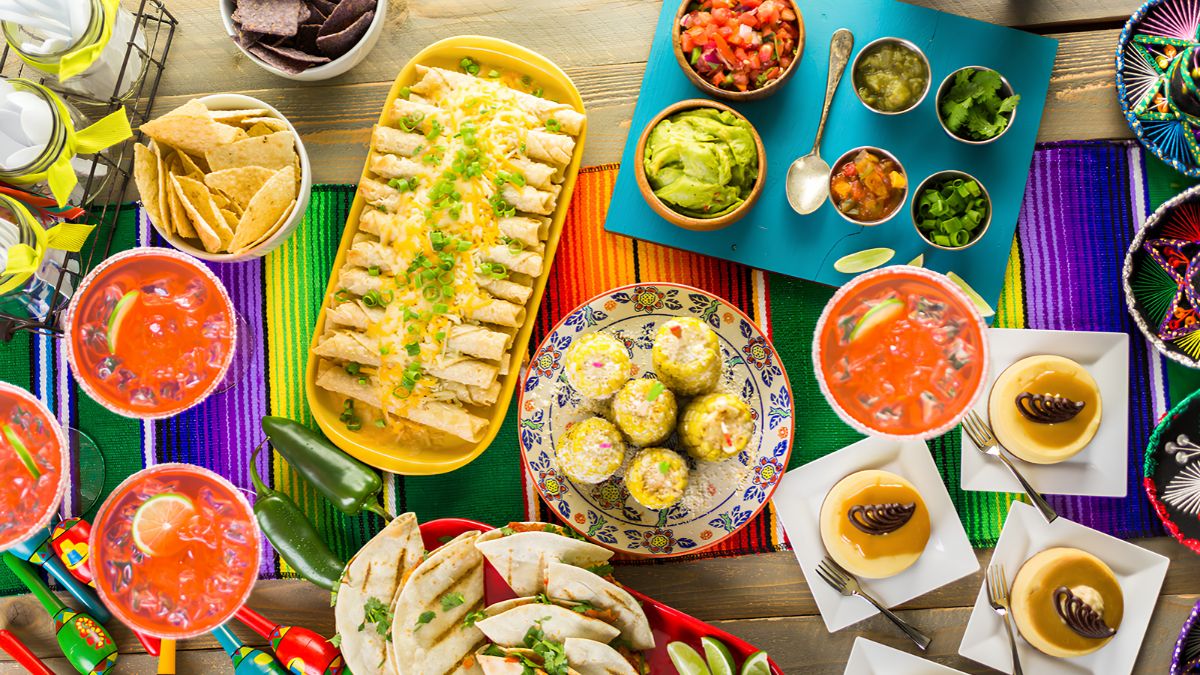
Preparing food for Mexican celebrations often begins well before cooking starts. Whether a family is organizing a birthday gathering, preparing a holiday meal, celebrating a religious occasion, or hosting a weekend get-together, choosing the right ingredients can shape the menu, preparation schedule, and overall cost.
In San Ysidro, southern San Diego’s border community, shoppers can plan for traditional Mexican dishes by considering seasonal produce, regional recipes, pantry staples, and the number of guests expected. Depending on the menu, a shopping list may include dried chiles, fresh tomatillos, masa harina, corn husks, Mexican cheeses, beans, herbs, and ingredients for aguas frescas or other traditional drinks.
Finding these ingredients is only one part of the process. Shoppers also need to consider freshness, quantities, food safety, preparation time, and whether a recipe requires ingredients that are not available at every store.
A useful approach is to plan the menu first, identify the ingredients that matter most, and then organize shopping around freshness, availability, and budget. This guide explains how households in San Ysidro can prepare for Mexican celebrations with a practical approach to seasonal cooking and family gatherings.
Plan
Begin by deciding what kind of gathering you are organizing and which dishes will be served. A birthday party, a Christmas dinner, a Día de los Muertos gathering, and a summer family barbecue may require different ingredients and preparation methods.
For example, a menu featuring tamales may require masa harina or prepared masa, corn husks, a filling, broth, and salsa ingredients. A taco gathering may need tortillas, meat or vegetables, onions, cilantro, limes, and several toppings. A pozole meal may require hominy, dried chiles, garlic, broth, and garnishes.
Write down the dishes before visiting stores. Then divide ingredients into three categories:
- Pantry staples, such as dried chiles, rice, beans, spices, and masa harina.
- Fresh ingredients, including tomatoes, tomatillos, onions, cilantro, limes, and seasonal vegetables.
- Specialty or preparation-dependent items, such as corn husks, particular cheeses, fresh masa, or specific cuts of meat.
This simple organization makes it easier to compare prices, avoid duplicate purchases, and identify ingredients that need to be purchased closer to the event.
It also helps distinguish dishes that can be prepared ahead of time from those that are best made shortly before serving.
Identify
Mexican cuisine includes many regional traditions, so the most appropriate ingredients depend on the dish being prepared. A recipe from Oaxaca may call for different chiles and seasonings from a dish associated with Jalisco, Puebla, or northern Mexico.
For a traditional mole, the shopping list might include dried chiles, sesame seeds, spices, nuts or seeds, and other ingredients specified by the recipe. For pozole, hominy and dried chiles may be central. For tamales, the type of masa, filling, fat, and wrapping material can affect the finished texture.
Avoid assuming that every ingredient labeled Mexican is interchangeable. Different dried chiles vary in heat, sweetness, smokiness, and texture. Similarly, fresh masa and masa harina are related products, but they are not always used in exactly the same way in a recipe.
If a dish is important to the celebration, consult a trusted family recipe or a reliable culinary source before substituting ingredients. This is particularly useful when preparing traditional dishes for the first time.
For recipes that depend on a specific chile or corn product, identify a suitable substitute in advance rather than making a last-minute change.
Source
San Ysidro shoppers can begin with local supermarkets, Mexican grocery stores, neighborhood markets, and specialty food retailers. The best option will depend on the ingredient, the quantity required, and whether freshness or price is the main consideration.
A supermarket may be convenient for everyday produce, dairy products, meat, canned goods, and common pantry staples. A Mexican grocery store may offer a wider selection of dried chiles, tortillas, masa products, regional cheeses, prepared salsas, or specialty ingredients.
For a large gathering, it can be useful to purchase shelf-stable ingredients first and fresh ingredients closer to the event. This approach reduces the time that delicate produce and other perishable foods spend in storage.
When buying specialty products, check labels and packaging carefully. Look at the product name, ingredient list, storage instructions, and use-by information where provided. If a product is unfamiliar, ask store staff how it is normally used or whether it requires special preparation.
Availability can vary between stores and seasons, so verify that essential ingredients are in stock before relying on a single location.
Choose
Freshness matters when selecting ingredients for a family celebration. Tomatoes, tomatillos, avocados, herbs, and citrus can influence the flavor and texture of many Mexican dishes, while dried chiles, beans, rice, and spices offer flexibility because they can be stored for longer periods under suitable conditions.
When choosing fresh produce, look for items that are appropriate for the intended recipe. Ripe tomatoes may work well in a fresh salsa, while firmer tomatoes may be preferable for certain cooked preparations. Tomatillos should be selected according to the recipe and prepared properly before use.
For cilantro, check that the leaves are reasonably fresh and not extensively wilted. Limes should feel firm and heavy for their size, although appearance alone cannot guarantee how much juice they contain. Avocados should be selected according to when they will be served. Buying some that are ready to eat and others that need additional ripening can help with scheduling.
Seasonality also matters. Produce availability and prices can change throughout the year, depending on growing conditions, transportation, and market supply. Rather than assuming a particular ingredient will always be inexpensive during a certain month, compare the available options when planning your menu.
Frozen or canned ingredients may also be useful when fresh versions are unavailable or when preparation time is limited. Their suitability depends on the dish, so consider how the product’s texture, flavor, and moisture content may affect the recipe.
Budget
A family gathering can become expensive when the shopping list includes several main dishes, appetizers, desserts, and beverages. Planning portions and reusing ingredients across recipes can help keep costs manageable without making the menu less varied.
Start by estimating the number of guests and deciding how the meal will be served. A buffet with several dishes may require different portion calculations from a meal built around one main course and a few sides.
Create a budget for the major categories, such as proteins, produce, pantry items, beverages, and desserts. Then compare prices for the quantities you actually need. A larger package is not necessarily better value if the remaining ingredients will spoil or remain unused.
Consider dishes that share ingredients. Onions, cilantro, limes, and salsa components can be used across tacos, grilled meats, beans, and other dishes. Dried chiles may serve as the foundation for a sauce that accompanies several foods.
Beans, rice, seasonal vegetables, and homemade salsas can also provide variety without requiring every dish to contain an expensive protein.
For large gatherings, ask relatives whether they plan to bring a dish or contribute ingredients. Agree on the menu beforehand so that several people do not purchase the same items while other essentials are overlooked.
Prepare
Preparation time can be just as important as ingredient selection. Some Mexican celebration foods involve several stages, including soaking, simmering, grinding, steaming, marinating, or preparing sauces.
Tamales, for example, may require substantial preparation and cooking time, particularly when a large batch is needed. Mole can involve several ingredients and a longer cooking process. A simpler taco menu may allow more preparation to take place on the day of the gathering.
Work backward from the serving time. Identify which tasks can be completed a day or two beforehand and which ingredients should be prepared immediately before serving.
Dried beans may require advance soaking or extended cooking, depending on the variety and method. Dried chiles may need cleaning, softening, and blending. Meat may need time to marinate, while certain salsas are best prepared close to the meal.
Keep a written schedule for tasks that involve multiple dishes. Assigning responsibilities to family members can make preparation more manageable and reduce the chance of missing an important step.
Food safety should remain part of the plan. Refrigerate perishable ingredients promptly, keep raw meat separate from ready-to-eat foods, and use clean utensils and preparation surfaces. The USDA Food Safety and Inspection Service provides official guidance on safe food preparation, storage, cooking, and handling.
For larger gatherings, use a food thermometer when appropriate rather than relying only on appearance to judge whether food has reached a safe internal temperature.
Celebrate
The ingredients for a Mexican celebration are not limited to the main meal. Drinks, desserts, and small dishes can contribute to the gathering while providing options for guests with different preferences.
Aguas frescas made with fruit, water, and other suitable ingredients can accompany a meal. Depending on the occasion, families may also prepare Mexican hot chocolate, atole, arroz con leche, flan, or other traditional desserts.
Fresh fruit can be useful when planning a menu for children or guests who prefer lighter options. Consider whether beverages and desserts require refrigeration, additional preparation time, or specialized equipment.
It is also worth checking for allergies and dietary restrictions before finalizing the menu. Some guests may avoid dairy, nuts, gluten-containing ingredients, or particular meats. Others may have medical dietary requirements.
Ask guests about these needs early and label dishes clearly when serving a buffet. If separate preparation is necessary to reduce cross-contact with allergens, plan that process before cooking begins.
A well-organized menu should offer enough variety without requiring the host to prepare more dishes than the available time, space, and equipment allow.
Store
Shopping early is useful for shelf-stable products, but not every ingredient should be purchased at the same time. Dried chiles, unopened spices, rice, and dried beans can generally be purchased ahead of the gathering when stored according to their packaging instructions.
Fresh herbs, ripe avocados, tomatoes, and other delicate produce may be better purchased closer to the cooking date. The timing depends on the product’s condition, expected storage time, and whether refrigeration is required.
After shopping, organize ingredients according to how they will be used. Keep raw meat and seafood separate from ready-to-eat foods, and place refrigerated products into appropriate storage promptly.
Do not leave perishable foods at room temperature for extended periods during preparation or serving. The USDA recommends following safe time and temperature practices to reduce the risk of foodborne illness. Its FoodKeeper resource provides guidance on storing foods and managing their shelf life.
For gatherings where dishes will remain on a buffet, plan how hot foods will be kept hot and cold foods cold. Smaller serving portions can be replenished as needed rather than placing the entire quantity out at once.
These steps are particularly useful during warm weather, when outdoor gatherings and extended serving periods can make food storage more challenging.
Accommodate
A family celebration may bring together guests with different dietary preferences, health requirements, and levels of familiarity with traditional dishes. Planning for these needs can make the meal easier for everyone to enjoy.
Ask guests about relevant allergies or dietary restrictions before shopping. If someone cannot eat dairy, for example, a dish containing cheese or crema may need a separate alternative. Guests who avoid meat may appreciate bean-based fillings, vegetable tacos, or other suitable options.
Check ingredient labels rather than relying on assumptions about a product. Sauces, packaged seasonings, tortillas, and prepared foods can contain ingredients that are not immediately obvious from their names.
When a guest has a food allergy, consider how ingredients are prepared and served. Separate utensils, clean surfaces, and appropriate handling procedures may be necessary to reduce cross-contact.
The U.S. Food and Drug Administration’s food allergy guidance provides information about food allergens and labeling. Hosts should communicate clearly about ingredients and avoid promising that a dish is allergen-free unless they can reasonably verify the preparation process.
A little advance planning can help accommodate guests without requiring an entirely separate menu.
Check
Before the celebration, review the shopping list against the recipes and confirm that the main ingredients are available.
Check quantities of masa, tortillas, cooking oil, broth, spices, and other ingredients that may be needed in several dishes. Make sure that the equipment required for cooking is also available, including suitable pots, baking trays, serving utensils, and containers for leftovers.
If a recipe calls for an unfamiliar ingredient, verify how it should be prepared. Dried chiles may need their stems and seeds removed depending on the recipe, while certain corn products require specific preparation methods. Follow the recipe rather than assuming that all varieties can be handled identically.
It is also helpful to prepare a small amount of an unfamiliar dish before the event. A trial run can reveal whether the seasoning, texture, cooking time, and serving quantities need adjustment.
For larger gatherings, create a final checklist covering ingredients, preparation tasks, serving arrangements, and storage. Confirm who will prepare each dish and when it should be ready.
This final review can prevent avoidable trips to the store when cooking is already underway.
Resources
Several official resources can help households plan food purchases and prepare meals safely.
- USDA Food Safety and Inspection Service: Guidance on safe food handling, cooking temperatures, storage, and preventing foodborne illness.
- FoodSafety.gov FoodKeeper: Information to help consumers understand food storage recommendations and shelf life.
- U.S. Food and Drug Administration: Information about food allergies, ingredient labeling, and allergen awareness.
These resources complement family recipes and local shopping knowledge. For questions about specific ingredients, follow the product’s storage instructions and consult a reliable recipe or food-safety source.
Preparing ingredients for Mexican celebrations in San Ysidro becomes more manageable when menu planning, shopping, food storage, and cooking schedules are considered together. Choosing ingredients suited to the recipes, comparing prices, buying fresh produce at the appropriate time, and preparing selected dishes in advance can help households organize gatherings without unnecessary expense or last-minute pressure.
Traditional family recipes can remain at the center of the celebration while practical planning makes the process easier. Whether the menu includes tamales, tacos, pozole, mole, or seasonal desserts, the most useful approach is to begin with the guest list, confirm the ingredients, and organize each preparation step before cooking starts.
FAQs
Where can I find Mexican cooking ingredients in San Ysidro?
Compare local supermarkets, Mexican grocery stores, and specialty food retailers for availability and price.
Which ingredients should I buy ahead of a celebration?
Dried chiles, rice, beans, spices, and other shelf-stable ingredients can often be purchased early.
How can I reduce the cost of a Mexican family gathering?
Plan portions, compare prices, share ingredients across recipes, and limit unnecessary purchases.
Which Mexican dishes require advance preparation?
Tamales, mole, and some slow-cooked dishes may require substantial preparation time.
How should I store food for a family celebration?
Follow safe storage instructions, refrigerate perishables promptly, and keep hot and cold foods at safe temperatures.