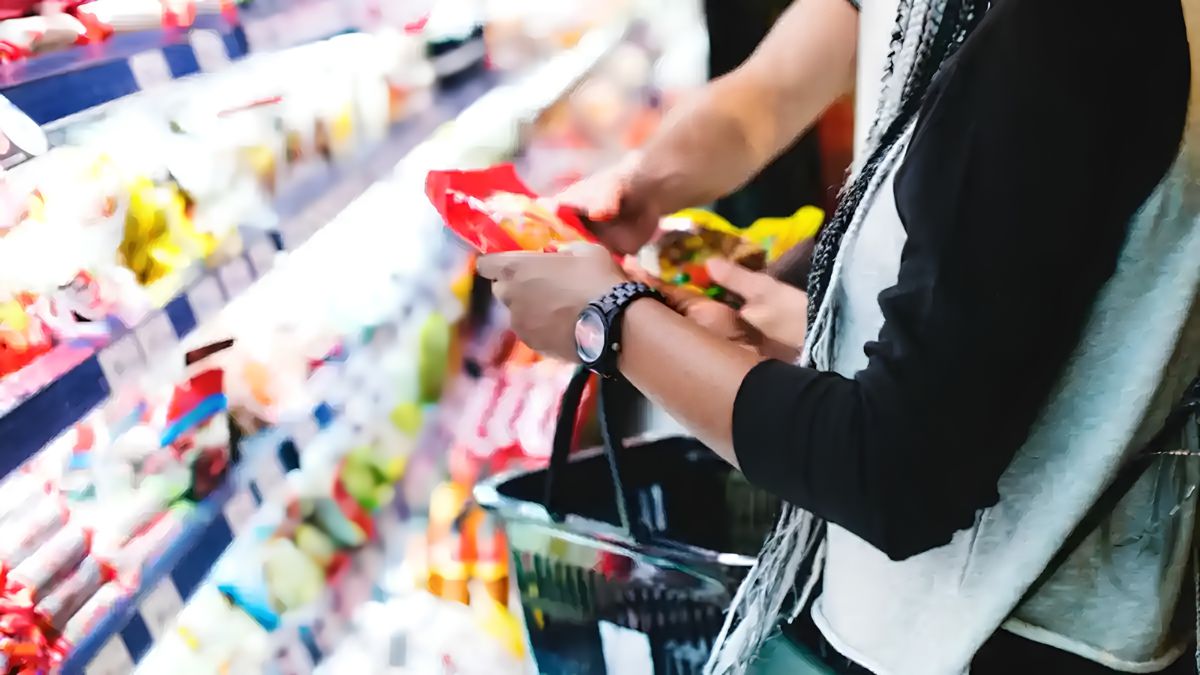
Buying groceries in San Ysidro can mean choosing from supermarkets, neighborhood stores, specialty food shops and retailers serving shoppers on both sides of the U.S.-Mexico border. Whether you are picking up fresh produce, dairy products, packaged snacks or ingredients for a family gathering, checking labels and packaging can help you make safer, better-informed decisions.
A product may look fine on the shelf but still need closer inspection. The date might be difficult to read, the package could be damaged, or the food may require refrigeration that has not been maintained properly. A few extra seconds spent checking these details can help reduce food waste, protect your household and prevent unexpected costs.
The goal is not to avoid every product nearing its printed date. Instead, learn what the date means, know how the food should be stored, and recognize signs that packaging may have been compromised. These habits are useful for everyday grocery shopping in San Ysidro, especially when buying perishable foods or carrying groceries home over a longer journey.
Dates
Food date labels can be confusing because different phrases communicate different things. A package might say “Best if Used By,” “Sell By,” “Use By” or “Freeze By.” These terms do not always mean the same thing, and they are not universally used as strict safety deadlines.
According to the USDA Food Safety and Inspection Service, most food product dates are primarily indicators of quality, rather than automatic safety cutoffs. One important exception is infant formula, where a use-by date has specific significance and should be followed.
When shopping, look for the complete date and check whether it refers to the day, month and year. Avoid guessing if a label is smudged, partly covered or printed in a format you cannot confidently interpret. If a date is unclear, ask store staff to clarify it or choose another package with a legible label.
It is also worth checking the product’s condition rather than relying on the date alone. Food can become unsafe before a printed date if it has been stored incorrectly, while some products may remain acceptable after a quality date if they have been handled and stored properly. The product type and its storage history matter.
Labels
Read the storage instructions before putting an item in your basket. Some foods are shelf-stable until opened, while others must remain refrigerated or frozen from the moment they are sold.
Common instructions include:
- Keep refrigerated: The product needs to stay cold and should not be left at room temperature for extended periods.
- Keep frozen: The item should remain frozen until you are ready to thaw or prepare it according to the label.
- Refrigerate after opening: The product may be stored at room temperature while sealed, but needs refrigeration once opened.
- Use within a stated period after opening: Follow the label’s timeframe and any accompanying temperature guidance.
- Store in a cool, dry place: Keep the item away from heat, moisture and direct sunlight.
Do not assume that all products in the same category have identical requirements. Certain sauces, drinks, dairy alternatives and preserved foods may have different instructions depending on how they are processed and packaged.
For shoppers who cross the border or have a long trip home, storage instructions deserve extra attention. A frozen product can soften during travel, and refrigerated foods can warm up while sitting in a vehicle. Plan your shopping route so that chilled and frozen items are purchased near the end of the trip.
Packaging
Packaging protects food from contamination, moisture, air and physical damage. Before buying a product, inspect the container from several angles instead of checking only the front label.
Look for these warning signs:
- Torn or punctured wrapping: Holes and tears can expose food to dirt, moisture or other contaminants.
- Broken seals: A loose lid, damaged safety seal or opened inner wrapper may mean the product has been tampered with or improperly handled.
- Bulging cans: A can with a swollen top or bottom may indicate a serious problem. Do not buy it.
- Leaking containers: Liquid around a bottle, carton, pouch or sealed tray may signal damage.
- Deeply dented cans: Be especially cautious with dents along the seams, where the can is joined. Choose an undamaged can instead.
- Cracked glass: Even a small crack can compromise the container and create a physical hazard.
- Broken vacuum seals: Vacuum-packed meat, cheese and other products should have packaging that matches the manufacturer’s intended sealed condition.
A dented package is not automatically dangerous in every circumstance, but shoppers cannot always tell whether the protective seal has been affected. When in doubt, select an intact alternative.
Also inspect the package for signs of moisture damage, stains, unusual residue or labels that appear to have been replaced or obscured. These signs do not prove that food is unsafe, but they are good reasons to ask questions or choose a different item.
Temperature
Temperature control is particularly important for meat, poultry, seafood, eggs and refrigerated ready-to-eat foods. Even when a package is intact and its date is current, poor temperature control can allow harmful bacteria to grow.
The FDA’s food safety guidance recommends keeping your refrigerator at or below 40°F (4°C) and your freezer at 0°F (-18°C). These are useful benchmarks for storing groceries safely at home.
At the store, choose refrigerated and frozen products that feel properly cold and are displayed in suitable refrigerated or frozen cases. Look for signs that the equipment may not be working as intended, such as extensive thawing, liquid collecting around frozen packages or refrigerated products sitting outside their designated cases.
You cannot reliably determine a food’s safety by touching the outside of a package, so do not treat a quick touch as a temperature test. If a refrigerated display appears warm or a frozen product has clearly thawed, ask a staff member about the product’s handling or choose another item.
For grocery shopping in San Ysidro, consider the weather and your travel arrangements. Warm conditions, a long drive or several errands after shopping can make it harder to keep perishables cold. An insulated cooler with ice packs can help, particularly if you are purchasing several refrigerated or frozen items.
Produce
Fresh fruit and vegetables require a different inspection approach from canned or packaged goods. Their quality can vary naturally, so focus on visible condition, firmness where appropriate and signs of deterioration.
When selecting produce, check for:
- Mold, especially around stems, cut surfaces or damaged areas.
- Soft, wet or sunken spots that suggest decay.
- Unusual odors from packaged produce.
- Excess moisture trapped inside bags or containers.
- Damaged packaging that could expose pre-cut fruit or vegetables.
A small blemish on an otherwise sound whole fruit does not necessarily mean it is unsafe. However, mold, extensive softening or leaking juices can be signs of spoilage. Pre-cut produce deserves particular care because cutting removes the natural protective surface and usually means the product needs refrigeration.
Choose clean-looking produce and avoid items that appear badly bruised or decomposed. Wash fresh produce under running water before eating or preparing it, even if you plan to peel it. Do not use soap or household cleaning products on fruits and vegetables.
If you are buying produce for a celebration or meal later in the week, consider when you intend to use it. Some fruit ripens quickly, while sturdy vegetables may last longer when stored properly. Buying only what you can reasonably use helps reduce waste and keeps your refrigerator from becoming crowded.
Canned
Canned foods can be convenient for busy households because many products are shelf-stable while unopened. Still, check the can before purchasing it.
Avoid cans that are swollen, leaking, badly rusted, punctured or deeply dented, particularly around the seams. Do not taste food from a can that looks damaged to determine whether it is safe. A dangerous food may not have an unusual smell or appearance.
For jars and bottles, inspect the lid and safety seal. A lid that is loose, cracked or already popped up may indicate that the seal is compromised. With glass containers, check for chips or cracks around the rim and body.
Once you bring canned or jarred food home, follow the storage directions. If the label says to refrigerate after opening, transfer any leftovers to an appropriate covered container if recommended and refrigerate promptly. Do not assume that food becomes shelf-stable again simply because it is returned to its original container.
Shopping
A sensible shopping order can help protect food quality and make it easier to check products carefully. Start with pantry goods, canned foods and other shelf-stable items. Select fresh produce next, then purchase refrigerated and frozen products toward the end of your trip.
Compare similar products by checking their dates, package condition, quantity and storage requirements. A larger package is not necessarily better value if you will not use it before its quality declines. A smaller container with a later date may be a more practical purchase for a small household.
If you are shopping for a particular recipe, check the labels of specialty products and unfamiliar ingredients. Different versions of a similar item may require different storage conditions. This is particularly useful when buying chilled sauces, prepared foods, fresh tortillas or products intended for a specific celebration.
Do not hesitate to ask store staff if you notice a damaged package, a questionable display temperature or an unclear date. Staff may be able to check the product details or direct you to an undamaged alternative. If the answer does not resolve your concern, choosing a different item is a reasonable precaution.
Allergens
Expiration dates and package condition are not the only details worth checking. If you or someone in your household has a food allergy, read the ingredient list and allergen information every time you buy a product.
The FDA’s food allergen guidance explains the importance of identifying major food allergens on packaged foods. Pay attention to ingredients, allergen statements and any changes in packaging or formulation. Do not rely solely on a familiar brand name or the appearance of the product.
For shoppers purchasing unfamiliar products or specialty ingredients, check whether the label is readable and provides the information you need. If you cannot confidently identify the ingredients or assess potential cross-contact risks, contact the manufacturer or select a product with clearer information.
Keep in mind that packaging can be damaged after the product leaves the factory. An allergen statement is helpful, but it cannot compensate for a package that is open, leaking or otherwise compromised.
Transport
Your responsibility for safe food handling continues after checkout. Groceries may spend time in a shopping cart, vehicle, public transportation or a queue before reaching the refrigerator. Planning ahead can make a significant difference.
Use these practical steps:
- Bring insulated bags or a cooler with ice packs when buying chilled or frozen products.
- Keep raw meat, poultry and seafood separate from ready-to-eat foods to reduce the risk of cross-contamination.
- Avoid leaving groceries in a parked vehicle, especially in warm weather.
- Head home promptly after buying perishables rather than leaving them in the car while completing other errands.
- Put refrigerated and frozen items away as soon as possible after arriving home.
According to FoodSafety.gov’s food safety guidance, perishable foods should generally not be left at room temperature for more than two hours, or more than one hour when temperatures are above 90°F (32°C). These limits are useful reminders for shopping trips, picnics and other situations where food may be outside refrigeration.
If you are crossing the U.S.-Mexico border with groceries, check applicable customs and agricultural requirements before travelling. Some food items, particularly certain fresh fruits, vegetables, meat and animal products, may be subject to restrictions. Rules can depend on the product and its origin, so consult official guidance rather than assuming an item is permitted.
Storage
Once you get home, check the labels again and store groceries according to their instructions. Refrigerate perishable foods promptly, place frozen items in the freezer and keep shelf-stable goods in a clean, dry location.
A simple system can help you use groceries before their quality declines. Put older items toward the front of your refrigerator or pantry and place newly purchased products behind them. This first-in, first-out approach makes it easier to see what needs to be used soon.
Keep raw meat and seafood securely wrapped and stored so their juices cannot drip onto other foods. Separate raw items from cooked meals and ready-to-eat ingredients. Follow product-specific instructions for opened packages rather than assuming all leftovers have the same storage life.
When unpacking, check that containers have not leaked during transport and that frozen foods remain in an appropriate condition. If you are unsure whether a perishable product has been kept at a safe temperature, do not rely on smell or taste to make the decision. Some harmful bacteria do not noticeably change a food’s appearance, flavor or odor.
Checklist
Before paying for groceries in San Ysidro, take a moment to review these essentials.
- Read the printed date and confirm it is legible.
- Know any storage instructions and use-after-opening guidance.
- Inspect seals, lids, cans, cartons and wrapping for damage.
- Check refrigerated and frozen displays for signs of temperature problems.
- Examine fresh produce for mold, decay and excessive moisture.
- Review ingredient and allergen information when relevant.
- Choose quantities you can use before quality deteriorates.
- Plan how to keep cold foods chilled during the journey home.
- Store groceries promptly and according to their labels.
Checking groceries does not need to turn a routine shopping trip into a lengthy inspection. With a little practice, you can make these checks quickly and consistently.
The best approach is to consider the whole picture: the date, storage directions, package condition, display temperature and journey home. None of these details should be considered in isolation. A product with a current date can still be unsafe if its packaging has been compromised or it has been stored incorrectly.
By building these habits into your regular grocery routine in San Ysidro, you can make more informed choices, reduce avoidable food waste and handle groceries more confidently from the store shelf to your kitchen.
FAQs
Do expiration dates always mean food is unsafe?
No. Many dates indicate quality, but product type and storage conditions matter.
Should I buy a can with a deep dent?
Avoid deeply dented cans, especially when the dent affects a seam.
What should I do if a package seal is broken?
Choose an intact package instead of one with a broken or questionable seal.
How long can refrigerated groceries stay unrefrigerated?
Generally, no more than two hours, or one hour above 90°F (32°C).
Should I check storage instructions before buying?
Yes. Check whether the product needs refrigeration, freezing or special storage.