Shopping for dried chiles, Mexican spices and specialty seasonings in San Ysidro can open up a world of flavour, whether you are preparing homemade salsa, traditional enchiladas, a rich mole or everyday family meals. Local Mexican-style grocery stores offer a convenient place to look into ingredients that may be unfamiliar if you are just starting to cook Mexican food.
The key is knowing what to look for before filling your basket. Dried chiles are not all equally hot, spices serve different purposes, and seasoning blends can contain ingredients you may not expect. With a few basic tips, you can choose products confidently, get better value and avoid buying more than your recipes require.
Chiles
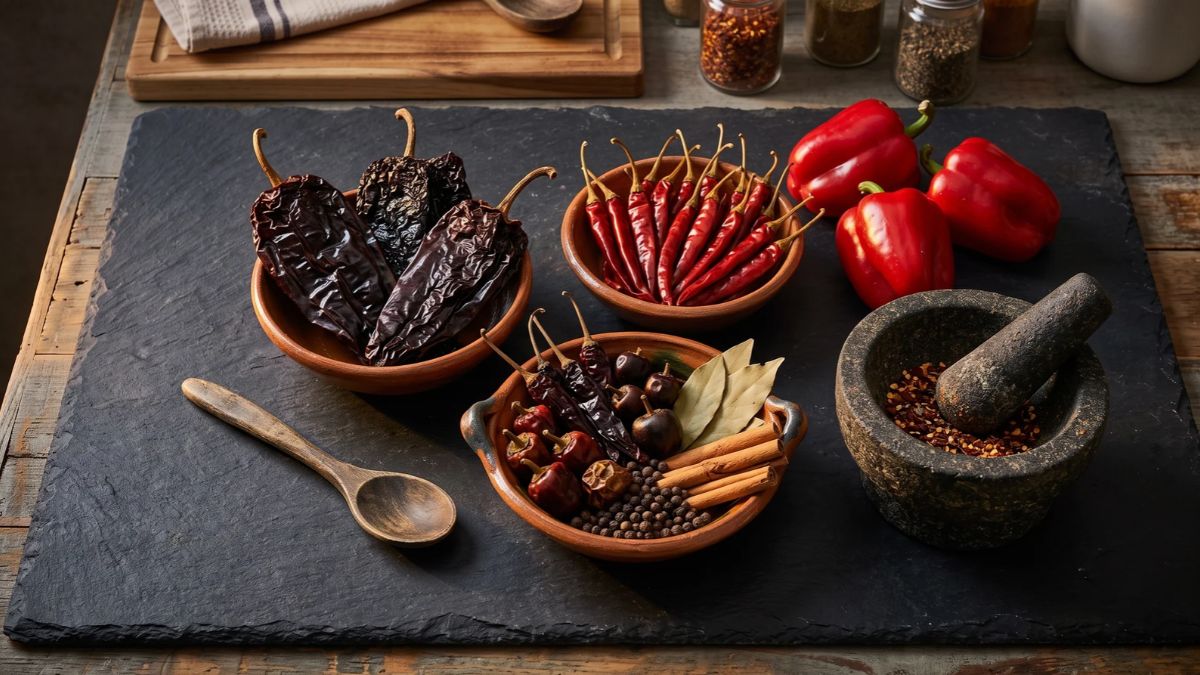
Dried chiles are an important starting point because they add more than heat. Depending on the variety, they can bring sweetness, smokiness, earthy notes, colour or a mild fruity flavour. Mexico has a wide range of chile varieties, including ancho, guajillo, pasilla, chipotle and chile de árbol. Each has its own character and common culinary uses.
For beginners, these varieties are worth recognising:
- Ancho: A dried poblano chile with a broad shape and a rich, slightly sweet flavour. It works well in sauces, enchiladas and mole.
- Guajillo: Usually deep red and elongated, with a mild to moderate heat and a fruity taste. It is commonly used in adobos, soups and blended sauces.
- Pasilla: Dark, wrinkled and earthy, often used in sauces and stews.
- Chile de árbol: Small, slender and considerably hotter than ancho or guajillo. Use sparingly when making salsa or adding heat to a dish.
- Chipotle: A smoked, dried jalapeño that gives food a distinctive smoky flavour as well as heat.
If you are unsure, begin with a small amount of ancho or guajillo. These varieties can add depth without making every dish overwhelmingly spicy. For more background, Mexico’s Secretariat of Agriculture provides an overview of the country’s chile traditions and varieties.
Quality
When buying dried chiles in San Ysidro, take a moment to inspect their appearance and packaging. Good-quality dried chiles should generally have a natural colour, a noticeable aroma and a flexible, leathery texture rather than feeling completely brittle or dusty.
Look out for the following signs:
- Colour: Chiles should retain a reasonably consistent colour for their variety.
- Texture: They may bend slightly without immediately crumbling, although texture varies by type and age.
- Aroma: A pleasant, characteristic chile smell is a good sign. Avoid products with a musty or mouldy odour.
- Packaging: Check for torn bags, excessive moisture, visible mould or signs of insect damage.
- Labels: Look for the product name, ingredients, net weight, date information and storage instructions.
Loose chiles can make it easier to inspect individual pieces, while sealed packages may provide clearer information about origin and handling. Neither option guarantees quality, so consider both the product and how it has been stored.
Spices
Mexican cooking uses a variety of spices and herbs, and each brings something different to a recipe. If you are building a pantry from scratch, focus on versatile ingredients before buying specialised blends.
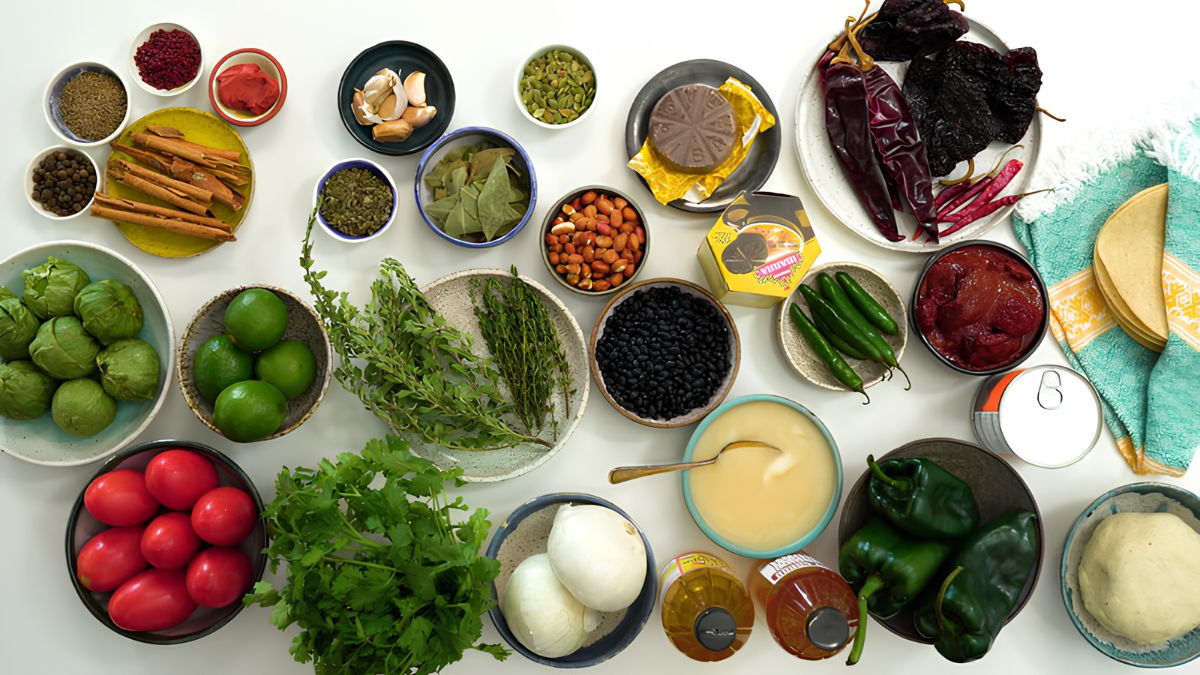
Cumin adds a warm, earthy flavour to beans, meat marinades and some spice mixtures. Mexican oregano has a distinctive herbal character and works well in soups, beans, sauces and stews. Cinnamon, particularly Mexican canela, can add warmth to sweet dishes and certain savoury preparations. Cloves and black pepper are also used in some traditional seasoning combinations.
Whole spices can retain their aroma well when stored properly, while ground spices are convenient for quick cooking. If you cook Mexican dishes only occasionally, small packages of ground spices may be more practical than buying large quantities that could lose their aroma before you use them.
Do not assume every recipe needs every spice. A simple combination of cumin, oregano, garlic and black pepper can be useful for many everyday meals, but the best mixture depends on the dish you are preparing.
Seasonings
San Ysidro grocery stores may carry a range of specialty seasonings, including chile powders, adobo mixes, taco seasonings, achiote products and spice blends for marinades. These can save preparation time, especially when you are learning a new recipe.
However, check the ingredient list before purchasing. Some blends contain salt, sugar, flavour enhancers or additional chile powder. If a recipe already includes salt or other spices, adding a ready-made seasoning may make the finished dish too salty or overpowering.
Here are a few common products to understand:
| Product | Common use |
|---|---|
| Achiote seasoning | Marinades and dishes with a distinctive earthy flavour and colour |
| Adobo seasoning | Seasoning meat, vegetables and marinades |
| Taco seasoning | Quick seasoning for taco fillings |
| Chile powder | Adding colour, flavour or heat, depending on the variety |
| Mole seasoning or paste | Preparing complex sauces, according to the product instructions |
Remember that a product labelled chile powder may not be the same as a pure ground dried chile. Some powders contain several spices. Read the label to know exactly what you are buying.
Shopping
When looking into grocery stores in San Ysidro, prepare a short list based on the meals you intend to cook. A Mexican-style supermarket such as Baja Marketplace is one local option to investigate for Mexican grocery essentials. Its product selection can vary, so check directly with the store if you are looking for a particular dried chile or specialty seasoning.
A few practical habits can make shopping easier:
- Start with recipes. Choose two or three dishes and identify their ingredients before visiting the store.
- Compare package sizes. A larger bag may cost less per ounce, but it is not a bargain if the ingredients lose their aroma before you finish them.
- Ask about unfamiliar products. If a chile is not clearly labelled, ask a store employee to help identify it.
- Check the heat level. If the packaging does not specify it, look up the variety or begin with a small quantity.
- Compare prices by weight. This helps you compare products sold in different package sizes.
If you plan to cross the US-Mexico border with groceries, check current official guidance before travelling. Rules can differ by product and country of entry, particularly for agricultural goods. The US Customs and Border Protection website is a useful starting point for information for international travellers.
Storage
Buying good ingredients is only half the job. Proper storage helps preserve their flavour and reduces waste.
Keep dried chiles and spices in clean, dry, airtight containers away from direct sunlight, heat and moisture. Label containers with the purchase or opening date so you can use older ingredients first. Whole dried chiles can be stored in an airtight container in a cool, dry cupboard, provided they are completely dry and free from mould or signs of spoilage.
Ground spices generally lose their aroma faster than whole spices because more of their surface is exposed to air. Buy quantities that match your cooking habits, and replace products when their smell and flavour have noticeably faded.
Avoid storing spices directly beside a hot stove, where repeated heat exposure can affect their quality. If a product develops mould, moisture damage or an unusual smell, discard it rather than trying to salvage it.
Cooking
Once you have selected your ingredients, experiment with small quantities. Many dried chiles benefit from having their stems removed and seeds adjusted according to your preferred heat level. Some recipes call for briefly toasting them in a dry pan to deepen their aroma, but they can turn bitter if burned.
Follow the preparation method in your recipe, and use care when handling hot chiles. Avoid touching your eyes after handling them, and wash your hands and utensils thoroughly.
You can also combine different dried chiles to build a more balanced sauce. For example, ancho can contribute a rounded, slightly sweet flavour, while guajillo adds colour and fruitiness. A small amount of chile de árbol can increase the heat. The goal is not simply to make a dish hotter, but to create a flavour that suits the ingredients.
Buying dried chiles, Mexican spices and specialty seasonings in San Ysidro becomes easier when you understand the differences between varieties, inspect products carefully and shop with a plan. Start with a few versatile ingredients, learn how each one behaves in your recipes, and gradually expand your pantry as your confidence grows. That approach helps you get more from every purchase while discovering the variety of Mexican cooking one meal at a time.
FAQs
Which dried chiles are best for beginners?
Ancho and guajillo are useful starting points for sauces and stews.
How can I tell if dried chiles are fresh?
Look for natural colour, a pleasant aroma and no mould or moisture damage.
Are all Mexican chile powders spicy?
No. Heat depends on the chile variety and whether the powder contains other ingredients.
How should I store Mexican spices?
Keep them in airtight containers in a cool, dry place away from sunlight and heat.
Should I buy spices in bulk?
Buy larger quantities only if you use them often enough to preserve their flavour.