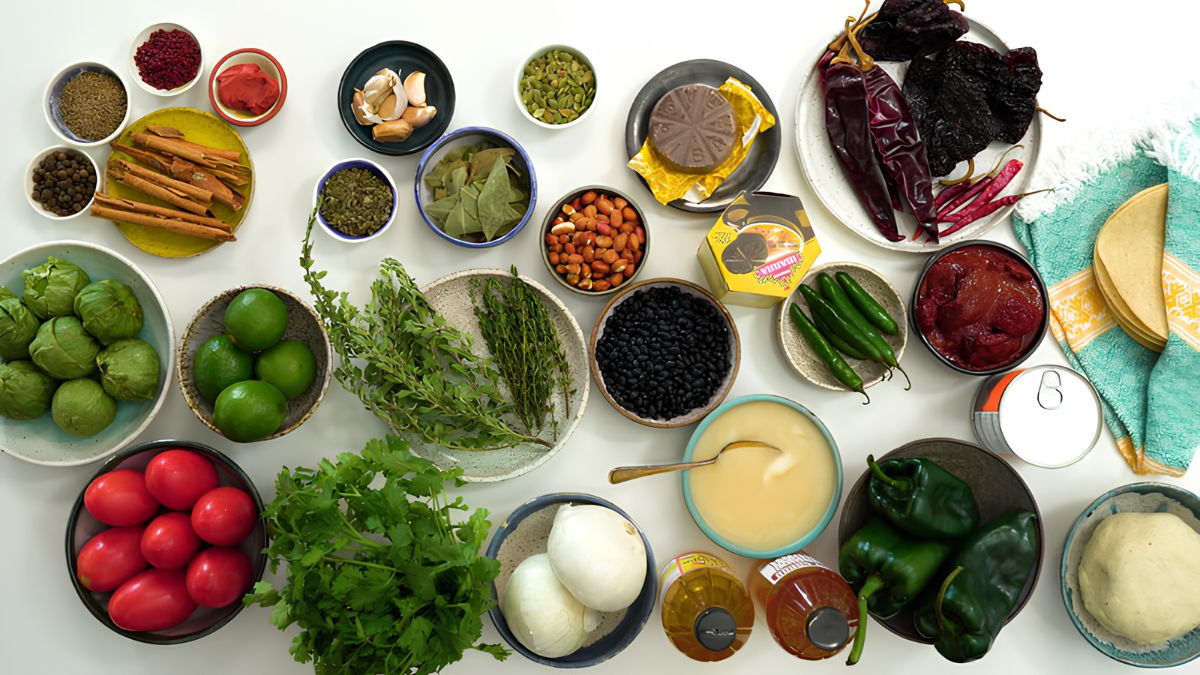
San Ysidro’s proximity to the U.S.-Mexico border makes it a useful place to look into the ingredients commonly used in Mexican cooking. Grocery stores and Mexican markets may carry dried chillies, masa harina, tomatillos, Mexican oregano, dried beans and other staples that appear in dishes ranging from tacos and tamales to soups, salsas and stews.
For shoppers unfamiliar with these ingredients, identifying the right product can take some attention. Several items look similar but behave differently when cooked. Fresh tomatillos, for example, are not the same as green tomatoes, while masa harina is a specially treated corn flour rather than an ordinary cornmeal substitute.
Look into ingredient names, packaging labels and common culinary uses can make grocery shopping easier. It can also help shoppers choose products that suit a particular recipe instead of relying on guesswork.
Mexican cuisine varies considerably by region, family tradition and cooking method. Not every ingredient appears in every dish, and products sold in San Ysidro may include both traditional Mexican staples and adaptations designed for a broader range of shoppers. Knowing a few basic distinctions provides a practical starting point.
Chiles
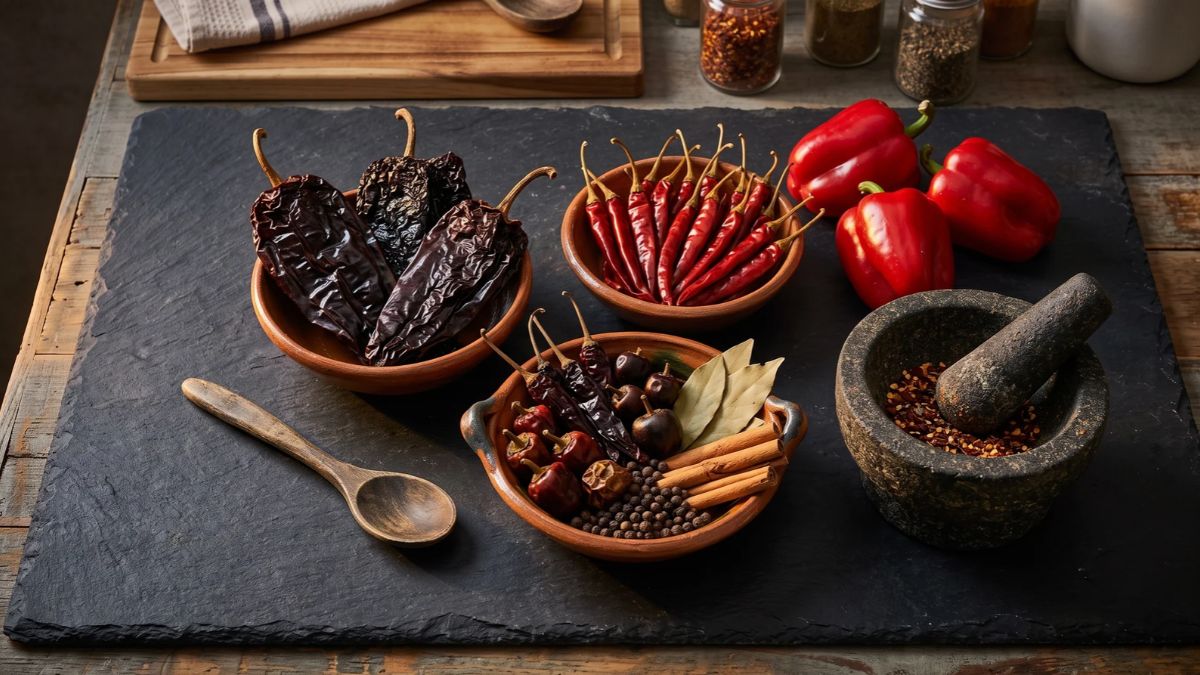
Dried and fresh chillies are among the most recognisable ingredients in Mexican cooking, but they differ in heat, flavour and preparation. Some contribute smoky or earthy notes, while others provide fruity flavours or a sharper level of heat.
When shopping, look for the Spanish spelling chile on labels. Dried varieties are often sold whole in clear bags or containers, making their colour and texture visible. Fresh chillies may be displayed in the produce section.
Common varieties include:
- Ancho: A dried poblano pepper with a mild to moderate heat level and a rich, raisin-like flavour. It is often used in sauces, marinades and mole.
- Guajillo: A dried red chile with a relatively mild heat and a tangy, slightly fruity taste. It is frequently used in adobo sauces and stews.
- Arbol: A small, slender dried chile that can be quite hot. It is commonly used in spicy salsas and chile oils.
- Chipotle: A smoked, dried jalapeño. Chipotles in adobo are sold in cans and add smoky heat to sauces, beans and marinades.
- Poblano: A large, dark green fresh pepper that is often roasted, stuffed or added to sauces.
The name and heat level matter because one chile cannot always replace another without changing a dish’s flavour. If a recipe calls for a specific variety, check the label rather than selecting a pepper based only on colour or size.
Corn
Corn is central to many Mexican dishes, particularly tortillas, tamales, sopes and other foods made from masa. Grocery shelves may carry several corn-based products, but they are not interchangeable.
Masa harina is a flour made from corn that has undergone nixtamalization, a process involving cooking and soaking corn in an alkaline solution before drying and grinding it. This process changes the corn’s properties and helps produce the characteristic texture and flavour associated with masa.
Masa harina is commonly used to prepare tortillas, tamales and other traditional corn-based foods. To make dough, it is generally mixed with water and sometimes salt, following the package instructions.
Regular cornmeal is different. It is ground corn that has not necessarily undergone the same treatment, so it usually will not produce the same dough or texture.
Shoppers may also find fresh or prepared masa in refrigerated sections or specialty markets. Fresh masa can be useful for tamales and tortillas, but its availability and preparation requirements vary.
Read the label carefully, especially when a recipe specifically calls for masa harina. Choosing the correct product is often more important than choosing a particular brand.
Tomatillos
Tomatillos are small, green fruits covered by thin, papery husks. They are common in Mexican cooking and are particularly important in many green salsas and sauces.
Unlike ordinary green tomatoes, tomatillos generally have a firmer texture and a tart, citrus-like flavour. Their husks are usually removed before cooking, and the fruit should be rinsed because its surface can feel slightly sticky.
Tomatillos can be used raw in some salsas or cooked by boiling, roasting or grilling. Roasting often produces a deeper flavour and can soften their natural acidity.
They are commonly combined with ingredients such as green chiles, onion, garlic and cilantro to make salsa verde. They may also appear in sauces for chicken, pork and other savoury dishes.
At the store, choose firm fruits with relatively intact husks. Avoid produce that is visibly mouldy, leaking or badly damaged. If you are buying tomatillos for a particular recipe, check whether it calls for raw, boiled or roasted fruit, since the preparation can affect the final flavour.
Beans
Beans are an important part of everyday Mexican cooking, providing protein, fibre and substance in meals. Grocery stores may carry dried pinto beans, black beans and other varieties, as well as canned beans and prepared refried beans.
Pinto beans are often used in northern Mexican and Mexican-American cooking. They can be simmered until tender, served whole with seasonings or mashed to make refried beans. Black beans are common in several regional traditions and work well in soups, side dishes and rice bowls.
Dried beans generally need sorting and rinsing before cooking. Depending on the variety, age and cooking method, they may require soaking or a longer simmer. Canned beans offer a convenient alternative when time is limited; check the label for added salt and seasonings if you want more control over the final dish.
Refried beans do not necessarily contain fried beans in the sense of being deep-fried. The Spanish term frijoles refritos refers to beans that are cooked and then mashed and cooked again, often with oil or another fat. Recipes and commercial products vary.
When choosing beans, consider how they will be used. Whole beans suit soups and stews, while mashed beans work well as a filling for burritos, tostadas and other dishes.
Herbs
Herbs and spices help distinguish the flavours of Mexican dishes. Some ingredients may resemble those used in other cuisines, but their aromas and culinary roles can differ.
Mexican oregano is a useful example. It has a more pronounced, citrusy character than Mediterranean oregano, although the exact flavour depends on the product. It is often used in soups, bean dishes, stews, marinades and sauces.
Cilantro, known as cilantro in Spanish and coriander leaves in some other English-speaking countries, is widely used fresh. Its leaves and tender stems may be chopped into salsas, sprinkled over tacos or added to soups near the end of cooking.
Cumin, cinnamon, cloves and black pepper also appear in various Mexican recipes. Their use depends on the dish, and they should not be treated as a single universal seasoning blend.
For dried herbs, check the packaging date when available and choose products with a clear aroma and no signs of moisture or mould. Fresh herbs should generally have vibrant leaves without widespread yellowing or sliminess.
Shoppers can learn a great deal by reading the ingredient list on a packaged sauce or seasoning. It can reveal which herbs are included and whether the product contains salt, sugar or other additions.
Sauces
Prepared sauces can make it easier to explore Mexican cooking without sourcing every ingredient separately. San Ysidro grocery stores may stock bottled salsas, canned chipotles in adobo, mole pastes and dried chile blends.
These products serve different purposes. Salsa is often used as a condiment or served with chips, tacos and other foods. Adobo is a seasoned sauce or marinade, with ingredients varying by recipe. Mole refers to a broad family of sauces that may include chiles, spices, seeds, nuts and other ingredients.
Mole is not one standard flavour. Some versions are savoury and mildly spicy, while others include ingredients such as chocolate that contribute depth without necessarily making the sauce taste sweet.
When purchasing prepared products, read the label for heat level, allergens, serving suggestions and storage instructions. A sauce labelled roja is generally red, while verde means green, but colour alone does not tell you exactly how hot a product will be.
For a useful starting point, choose a sauce intended for the dish you plan to cook. A salsa for topping tacos may not have the thickness or concentration required for a slow-cooked stew.
Cheese
Mexican cheeses vary in texture, saltiness and melting behaviour. Grocery stores may sell several varieties in the dairy section or specialty cheese area, often under Spanish names.
Queso fresco is a fresh, crumbly cheese that is commonly sprinkled over beans, enchiladas, tacos and salads. It generally softens with heat rather than melting into a smooth, stretchy layer.
Cotija is a firmer, salty cheese often grated or crumbled over corn, beans, soups and other savoury dishes. It is usually used as a topping rather than as the main melting cheese.
Oaxaca cheese is a stringy cheese that melts well and is often used in quesadillas, quesadillas de flor de calabaza and other dishes requiring melted cheese. Monterey Jack can serve as a practical substitute in some recipes, although its flavour and texture differ.
The best choice depends on the dish. If a recipe calls for a crumbly topping, a cheese designed for melting may produce a different result. Likewise, a salty aged cheese can change the seasoning of a dish.
Check refrigerated products for freshness and follow storage instructions. When substituting cheeses, taste the dish before adding extra salt.
Labels
Spanish-language packaging can help shoppers identify traditional ingredients, even when product names differ from familiar English terms.
| Spanish label | Common meaning or use |
|---|---|
| Harina de maíz | Corn flour; check whether it is masa harina or another corn flour |
| Frijoles | Beans |
| Chile seco | Dried chile pepper |
| Tomatillo | Tomatillo |
| Orégano mexicano | Mexican oregano |
| Queso fresco | Fresh, crumbly cheese |
| Cilantro | Cilantro leaves and stems |
| Salsa verde | Green salsa or sauce |
A Spanish label does not automatically establish that a product is made in Mexico or prepared according to a particular regional tradition. Check the ingredient list, product description and country-of-origin information if these details matter to your purchase.
For additional background, the Mexican government’s Ministry of Agriculture publishes information about Mexican agricultural products and food production. The National Institute of Anthropology and History (INAH) also provides resources on Mexican food traditions and cultural heritage.
Shopping
A few practical habits can make shopping for Mexican ingredients easier. Start with a recipe and make a list of the ingredients it requires, including the specific chile varieties, type of corn flour or cheese. This reduces the chance of buying a similar-looking product that behaves differently during cooking.
If you are unfamiliar with an ingredient, check the package description or ask a store employee how it is commonly prepared. Some products require soaking, roasting, rinsing or refrigeration after opening. Following these instructions can improve both flavour and food safety.
It is also worth comparing dried, canned and fresh options. Dried chiles and beans can be economical pantry staples, while canned sauces and beans may be more convenient for quick meals. Fresh ingredients such as tomatillos and cilantro are useful when a recipe depends on their particular texture and flavour.
Mexican cooking is diverse, and ingredients vary between regions and households. A dish from Oaxaca may use different ingredients and techniques from one associated with Jalisco, Sonora or the Yucatán Peninsula. No single shopping list represents every Mexican culinary tradition.
For shoppers in San Ysidro, learning to recognise a handful of common staples is a practical way to explore this diversity. Start with ingredients suited to familiar dishes, read labels carefully and experiment with new products as confidence grows. Knowing what an ingredient is and how it behaves in a recipe can make grocery shopping more purposeful and cooking more rewarding.
FAQs
What Mexican ingredients should beginners buy first?
Start with masa harina, beans, tomatillos, dried chiles, cilantro and Mexican oregano.
What is the difference between masa harina and cornmeal?
Masa harina is made from nixtamalized corn and produces dough suited to tortillas and tamales.
Are tomatillos the same as green tomatoes?
No. Tomatillos are distinct fruits with papery husks and a characteristic tart flavour.
Which dried chiles are useful for Mexican cooking?
Ancho and guajillo are common options for sauces, while arbol adds more heat.
What is queso fresco used for?
Queso fresco is commonly crumbled over tacos, beans, enchiladas and salads.