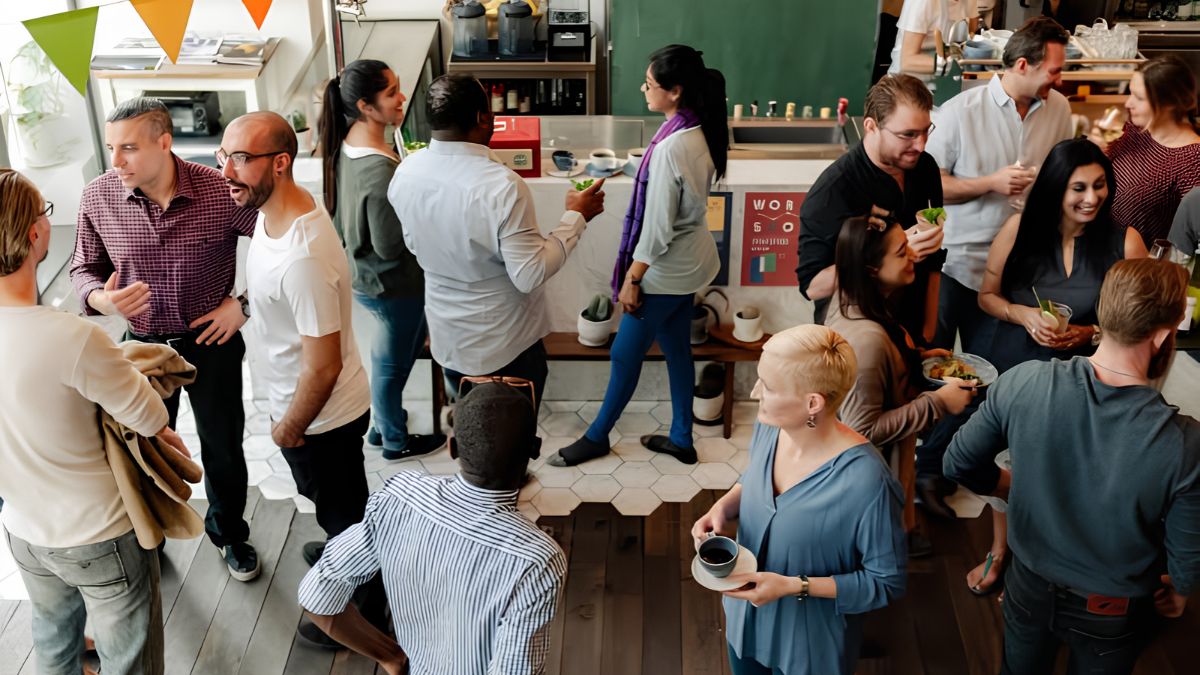
Community events bring neighbours together, create opportunities for local businesses and help residents build stronger connections. In San Ysidro, events such as neighbourhood gatherings, cultural celebrations, school activities, workshops and public meetings can bring together people of different ages, backgrounds and abilities.
However, a successful event is not simply one that attracts a large crowd. It should also make people feel welcome and allow them to participate comfortably. A venue with difficult entrances, unclear signs, limited seating or inaccessible restrooms can prevent some residents from enjoying an event, even when organisers have made every effort to create an inviting atmosphere.
Inclusive planning starts before the event is announced. Organisers need to consider how visitors will arrive, move around, understand information, find seating and request assistance. With thoughtful preparation, community groups in San Ysidro can create events that are easier for everyone to attend, including older adults, people with disabilities, families with young children and residents who speak different languages.
Venues
Choosing the right venue is one of the most important decisions when organising an inclusive community event. A location may look attractive and have enough space for a large crowd, but that does not automatically make it accessible.
Before confirming a booking, organisers should inspect the venue from a visitor’s perspective. Consider whether someone using a wheelchair, walking aid or stroller can enter without difficulty. Check the route from the street or parking area to the main entrance, including any ramps, steps, uneven surfaces or narrow doorways.
Important venue features include:
- Step-free access or an appropriate accessible entrance.
- Doorways and pathways wide enough for mobility devices.
- Accessible restrooms within a reasonable distance.
- Suitable lighting in entrances, corridors and activity areas.
- Clear routes between seating, information desks and refreshments.
- Accessible parking or convenient drop-off arrangements.
- Safe emergency exits and evacuation procedures.
Do not rely only on a venue’s website or a verbal assurance that it is accessible. Visit the location and inspect the facilities in person. If possible, invite people with different access needs to provide feedback before the event.
Organisers should also ask venue management about any temporary obstacles, such as equipment, cables, display stands or furniture, that could block accessible routes during the event.
Signage
Clear signage helps visitors navigate an event without having to repeatedly ask for directions. It is particularly important for first-time attendees, older adults and people who may have difficulty hearing spoken announcements.
Place signs at entrances, intersections, registration desks, restrooms and activity areas. Use simple wording and consistent symbols so visitors can understand directions quickly.
A useful sign should have:
- Large, readable lettering.
- Strong contrast between text and background.
- Simple language and familiar symbols.
- Consistent placement at visible heights.
- Clear arrows pointing towards important areas.
- Information about accessible entrances and facilities.
Avoid placing signs behind furniture, decorative displays or crowded registration tables. Check whether they remain visible when people gather around the entrance.
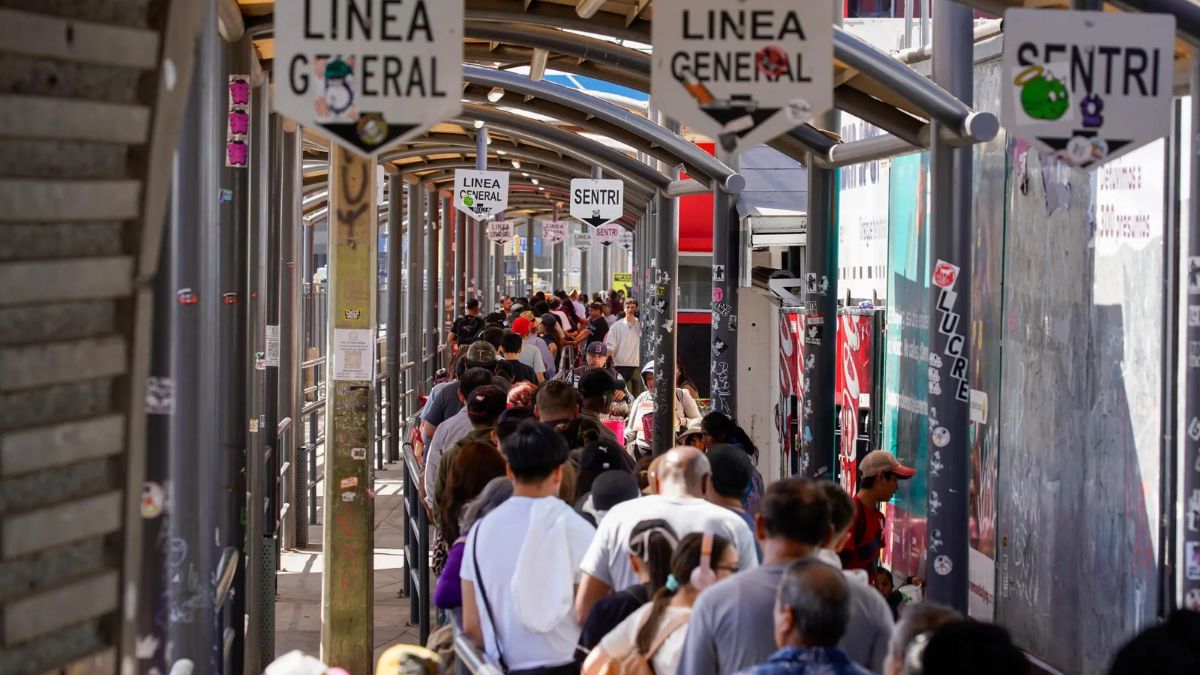
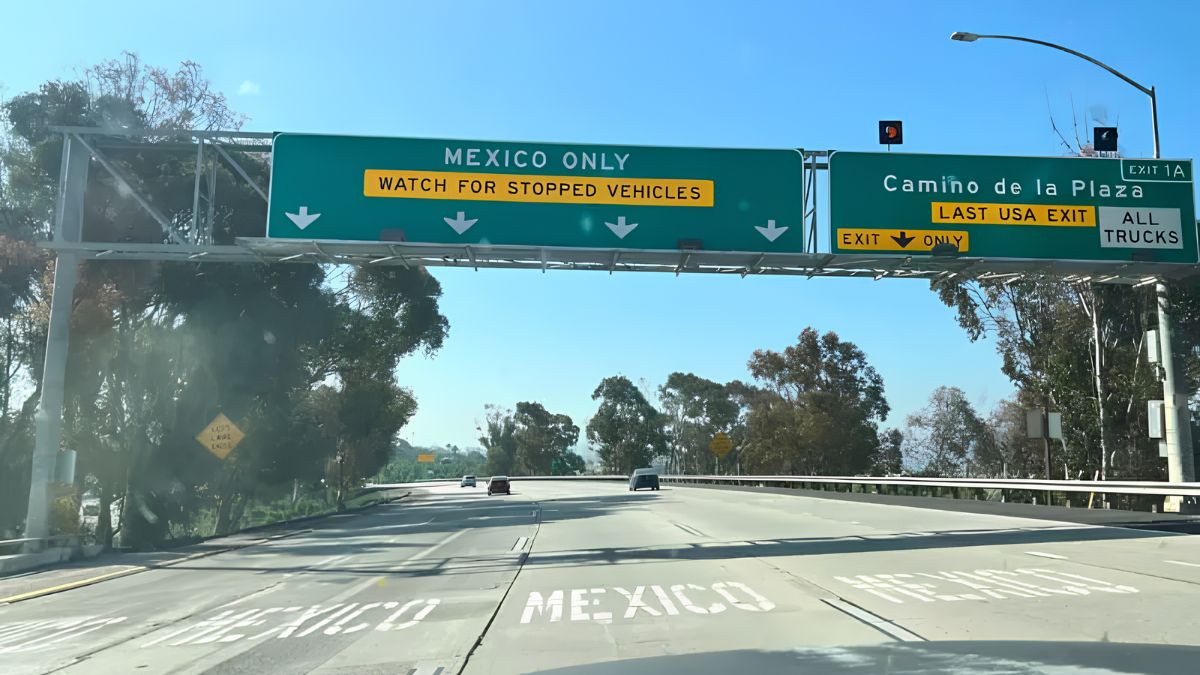
For multilingual communities, consider providing important directions in English and Spanish. San Ysidro has strong cross-border and bilingual connections, so language accessibility can make a meaningful difference to participation.
Where appropriate, provide translated event information about schedules, registration, safety instructions and available assistance. Translation should be clear and accurate rather than relying entirely on automated tools.
Seating
Seating arrangements can determine how comfortably visitors participate. Some people may need to sit frequently, while others may require additional space for a wheelchair, mobility device or personal assistant.
Instead of placing all chairs in fixed rows, organise seating to accommodate different needs. Keep some spaces open for wheelchair users and ensure companions can sit alongside them.
A flexible arrangement might include:
| Seating option | Purpose |
|---|---|
| Standard chairs | General visitor seating |
| Chairs with armrests | Support for people who find standing difficult |
| Wheelchair spaces | Room for wheelchair users to participate alongside others |
| Companion seating | Allows visitors to sit with family or support persons |
| Priority seating | Convenient places for older adults and people with mobility needs |
| Quiet seating area | A calmer place away from busy activities |
Avoid placing accessible seating in isolated corners or behind the main audience. Visitors should have a comparable view of performances, presentations and activities.
Keep aisles wide and free of bags, cables, boxes and other obstacles. Organisers should also make sure seating does not block emergency exits or accessible pathways.
If the event includes long presentations or outdoor activities, provide opportunities for visitors to rest. Shade and suitable seating are especially useful during warm weather.
Mobility
Accessibility involves more than entering a building. Visitors should be able to move safely between different parts of the event.
Walk through the entire event area and identify possible obstacles. Outdoor venues may have uneven ground, loose gravel, steep slopes or temporary cables. Indoor spaces can present problems when tables, chairs and displays reduce the available walking space.
Create clearly defined routes between the entrance, registration area, seating, restrooms and refreshments. Keep these pathways free from unnecessary equipment and ensure they remain accessible throughout the event.
For outdoor gatherings, consider the condition of the ground and the availability of stable walking surfaces. If the event takes place in a park or public space, check whether the route from nearby parking or public transport stops is suitable for visitors with mobility needs.
Provide staff or volunteers who can answer questions and offer assistance when requested. They should understand that some visitors may prefer to move independently rather than receive physical help.
Never move someone’s wheelchair, walker or other mobility device without permission.
Communication
Inclusive events need communication that reaches people with different abilities, language preferences and access requirements.
Event announcements should explain more than the date and location. Include practical details about the venue, entrances, parking, public transport access, seating, restrooms and available accommodations.
When promoting an event online, use straightforward language and make important information easy to find. Avoid placing essential details only inside an image, because visitors using screen readers may not be able to access the information.
Organisers can improve communication by:
- Using descriptive text for online images.
- Providing accessible digital registration forms.
- Sharing event schedules in advance.
- Offering translated information where useful.
- Including a contact method for accommodation requests.
- Giving clear instructions about arrival and check-in.
- Explaining whether assistive listening or interpretation services are available.
For public meetings and presentations, consider whether captions, sign language interpretation or assistive listening equipment may be needed. Requirements will vary depending on the event and audience.
If a visitor requests an accommodation, respond clearly and early. Avoid promising a service until it has been arranged and confirmed.
Families
Community events often attract parents, grandparents and children. Planning for families can make the experience more comfortable without reducing accessibility for other visitors.
Where space allows, provide seating for parents with young children and a suitable area for strollers. Keep stroller parking away from main walkways and emergency exits.
For events that include children’s activities, use clear boundaries and visible supervision arrangements. Make sure activity areas do not create congestion near entrances or accessible routes.
Consider practical facilities such as:
- Family-friendly restroom access.
- Baby-changing facilities where available.
- Drinking water stations.
- Shaded seating for outdoor events.
- Clearly marked activity areas.
- Safe spaces for children to rest with their caregivers.
If food is served, label common allergens and provide clear information about ingredients. This can help families make informed choices and reduce confusion during busy periods.
Volunteers
Volunteers play an important role in making an event welcoming. They are often the first people visitors approach when they need directions or assistance.
Before the event, provide a short briefing covering accessibility arrangements, emergency procedures and respectful communication.
Volunteers should know:
- Where accessible entrances and restrooms are located.
- How to direct visitors to suitable seating.
- Where assistance can be requested.
- How to keep pathways clear.
- Who to contact if an accessibility problem arises.
- What to do if a visitor needs emergency assistance.
Encourage volunteers to ask before helping. For example, they can say, “Would you like any assistance?” rather than immediately reaching for someone’s wheelchair or mobility aid.
Assign volunteers to important areas such as entrances, information desks and busy intersections. This makes it easier for visitors to get help without searching for an organiser.
Technology
Technology can make community events easier to navigate, but it should not be the only way to access information.
Online registration, digital maps and QR codes can help visitors find schedules and event updates. However, some residents may not have smartphones, reliable internet access or the confidence to use digital tools.
Provide printed schedules and maps as alternatives. Keep a staffed information desk available for visitors who prefer to speak with someone.
For larger events, organisers may consider publishing a simple digital event guide that includes:
- Venue entrances and accessible routes.
- Activity locations.
- Restroom information.
- Seating areas.
- Emergency contact details.
- Event timings and schedule changes.
Digital documents should use readable text, meaningful headings and accessible formatting. Avoid relying on colour alone to communicate important information.
Safety
Safety planning should consider visitors with different mobility, sensory, communication and medical needs.
Prepare an emergency procedure before the event begins. Make sure staff and volunteers know how to raise an alarm, contact emergency services and guide visitors towards safe exits.
Emergency routes should remain clear throughout the event. Do not place tables, equipment or temporary displays in front of exits or accessible pathways.
For outdoor gatherings, check weather conditions and plan for heat, rain or strong winds. Provide water, shaded rest areas and clear information about any changes to the schedule.
Organisers should also consider sound levels. Very loud music or announcements can make communication difficult for some visitors. If possible, provide a quieter area where people can take a break.
If the event includes food, electrical equipment or temporary structures, check that appropriate safety arrangements are in place. Follow venue requirements and applicable local rules.
Feedback
An event may appear accessible to organisers but still create difficulties for visitors. Asking for feedback helps identify problems that were missed during planning.
Offer more than one way to share comments. Visitors may prefer a short paper survey, an online form, an email address or a conversation with an organiser.
Useful questions include:
- Was the entrance easy to find and use?
- Were signs clear and readable?
- Could you access the seating and activity areas?
- Were restrooms easy to locate?
- Did volunteers provide helpful information?
- What would make the next event more accessible?
Avoid asking visitors to disclose private medical information. Focus on the practical features of the event and the improvements that would make participation easier.
After collecting feedback, review the responses with the organising team. Identify changes that can be made immediately and improvements that may require additional funding or venue support.
Compliance
Accessibility is not simply a courtesy. Depending on the event, venue and organiser, legal requirements may apply.
In the United States, the Americans with Disabilities Act (ADA) establishes accessibility protections for people with disabilities. Its requirements can affect public accommodations, facilities and certain services provided by state and local governments.
Organisers should not assume that a venue’s existing facilities automatically satisfy every requirement for a particular event. Temporary layouts, registration arrangements, seating and communication services may also need attention.
Before the event, consult official guidance and ask the venue about its accessibility responsibilities. For larger public gatherings, professional accessibility advice may help organisers identify requirements that are easy to overlook.
Resources
Organisers in San Ysidro can consult these official resources when planning accessible community events:
- ADA.gov – Official information about disability rights and accessibility requirements in the United States.
- U.S. Access Board – Guidance on accessibility standards for buildings, facilities and public spaces.
- City of San Diego Special Events – Information about permits and organising special events within the city.
Inclusive community events are built through practical decisions made before visitors arrive. Choosing an accessible venue, providing clear signs, arranging flexible seating and preparing volunteers can make a meaningful difference to the experience.
For San Ysidro organisers, considering language access, family needs and the area’s diverse community can further strengthen participation. A successful event should allow residents to feel welcome, move around comfortably and take part without unnecessary barriers.
FAQs
What makes a community event inclusive?
It allows people with different needs to participate comfortably.
Why are accessible venues important?
They help visitors enter, move around and use facilities safely.
Should event signs be bilingual?
English and Spanish signs can help reach more San Ysidro residents.
What seating options should organisers provide?
Offer standard chairs, companion seating and wheelchair spaces.
How can organisers improve future events?
Collect visitor feedback and address barriers before the next event.